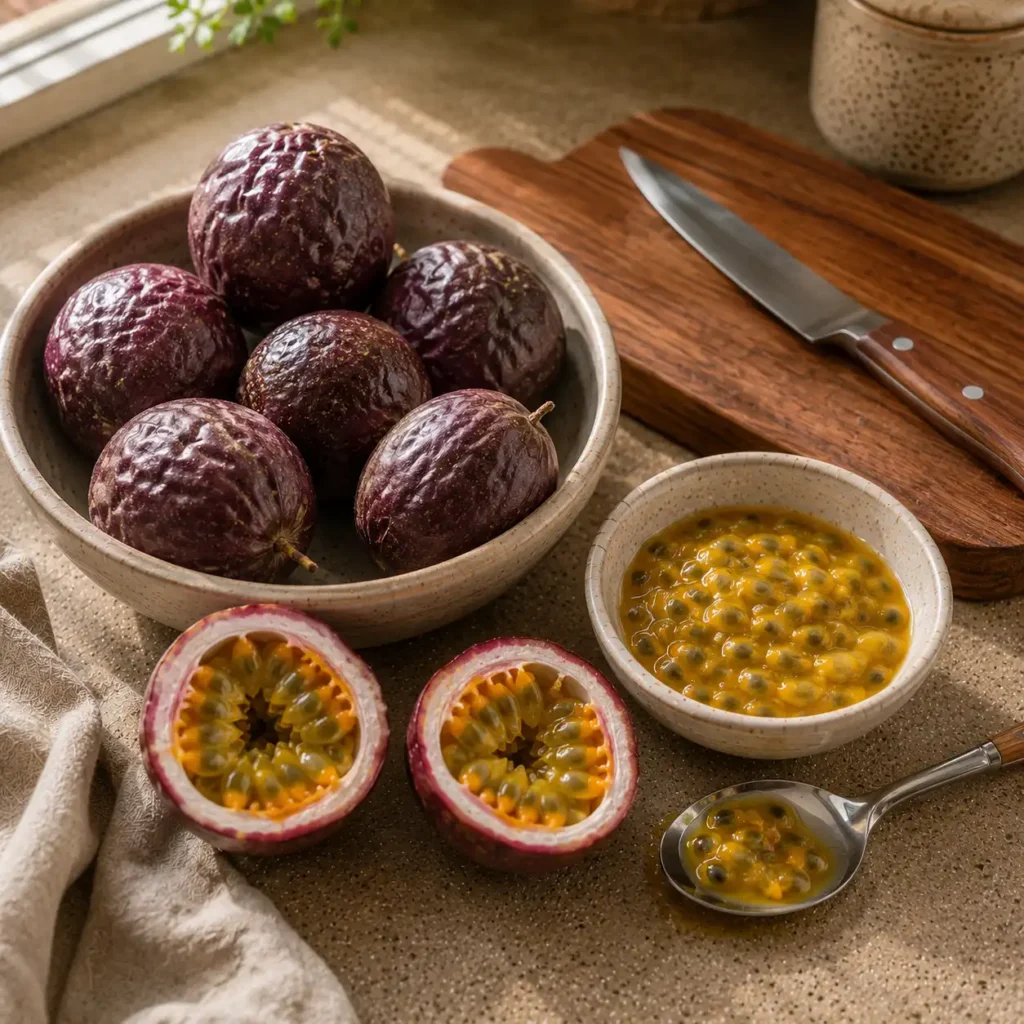
Passion fruit, derived from the flowering plant Passiflora edulis, stands as a notable tropical fruit admired for its distinct tangy-sweet flavor and aromatic complexity. Originating from South America, this fruit has gained global recognition, transitioning from an indigenous staple to a prized ingredient in diverse culinary traditions. Its spherical to oval shape, often with a tough outer rind, conceals a vibrant, gelatinous pulp filled with edible seeds. Beyond its sensory appeal, passion fruit presents a compelling nutritional profile, contributing significantly to a balanced diet and offering several health advantages worthy of detailed examination.
Table of Contents
Origins and Varieties of Passion Fruit
Geographical Beginnings of Passion Fruit
The passion fruit plant, a vigorous vine, traces its origins to regions spanning Brazil, Paraguay, and northern Argentina. Spanish missionaries observed its unique flower structure, which they associated with symbols of the Passion of Christ, giving the fruit its evocative name. From these South American roots, its cultivation spread to tropical and subtropical areas worldwide, including Australia, New Zealand, Hawaii, parts of Africa, and Southeast Asia. The plant’s adaptability to varying climates within these zones has solidified its status as a globally appreciated fruit.
Principal Passion Fruit Varieties
There are several varieties of passion , each with unique characteristics. The two most commercially significant types are the purple fruit (Passiflora edulis Sims) and the yellow fruit (Passiflora edulis flavicarpa). The purple variety typically grows in cooler subtropical climates and is smaller, with a dark purple, slightly wrinkled skin when ripe. It is celebrated for its intense aroma and richer flavor.
The yellow variety, often larger and more acidic, thrives in warmer tropical environments. Its smooth, bright yellow skin protects a more tart pulp, making it particularly suitable for juices and culinary preparations where a pronounced tang is desired. Understanding these distinctions aids in selection for specific applications. For a deeper scientific perspective on its botanical classification and distribution, the Passiflora edulis Wikipedia page offers extensive information.
Print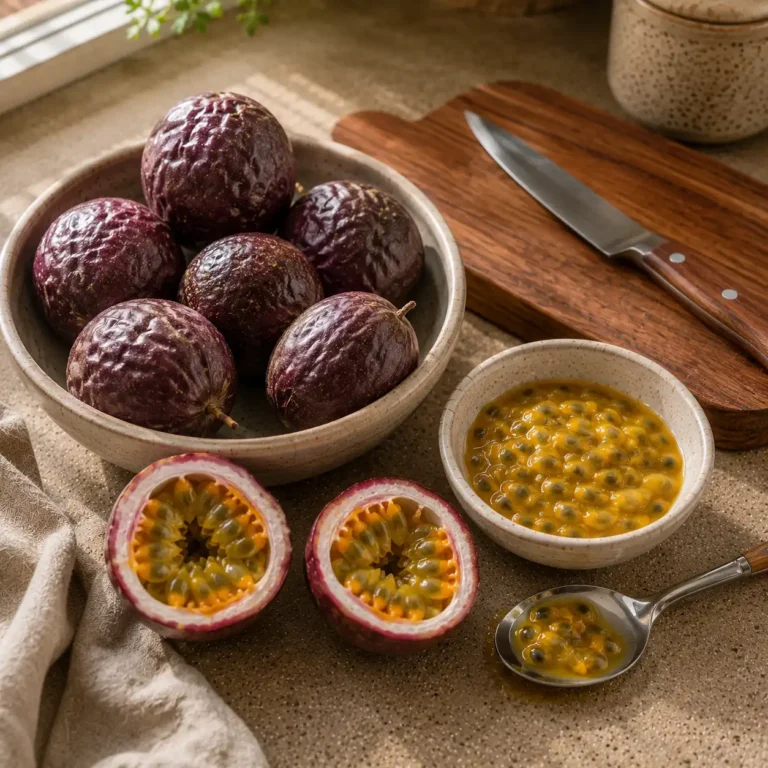
The Botanical Brilliance and Nutritional Value of Passion Fruit
Passion fruit, scientifically known as Passiflora edulis, is a tropical fruit originating from South America, celebrated for its unique tangy-sweet flavor and complex aroma. This fruit, with its tough outer rind, encases a vibrant, gelatinous pulp dotted with edible seeds, making it a versatile ingredient in various culinary applications. Beyond its sensory appeal, passion fruit boasts a significant nutritional profile, offering numerous health benefits that contribute to a balanced diet.
- Total Time: 5 minutes
- Yield: 1 serving 1x
Ingredients
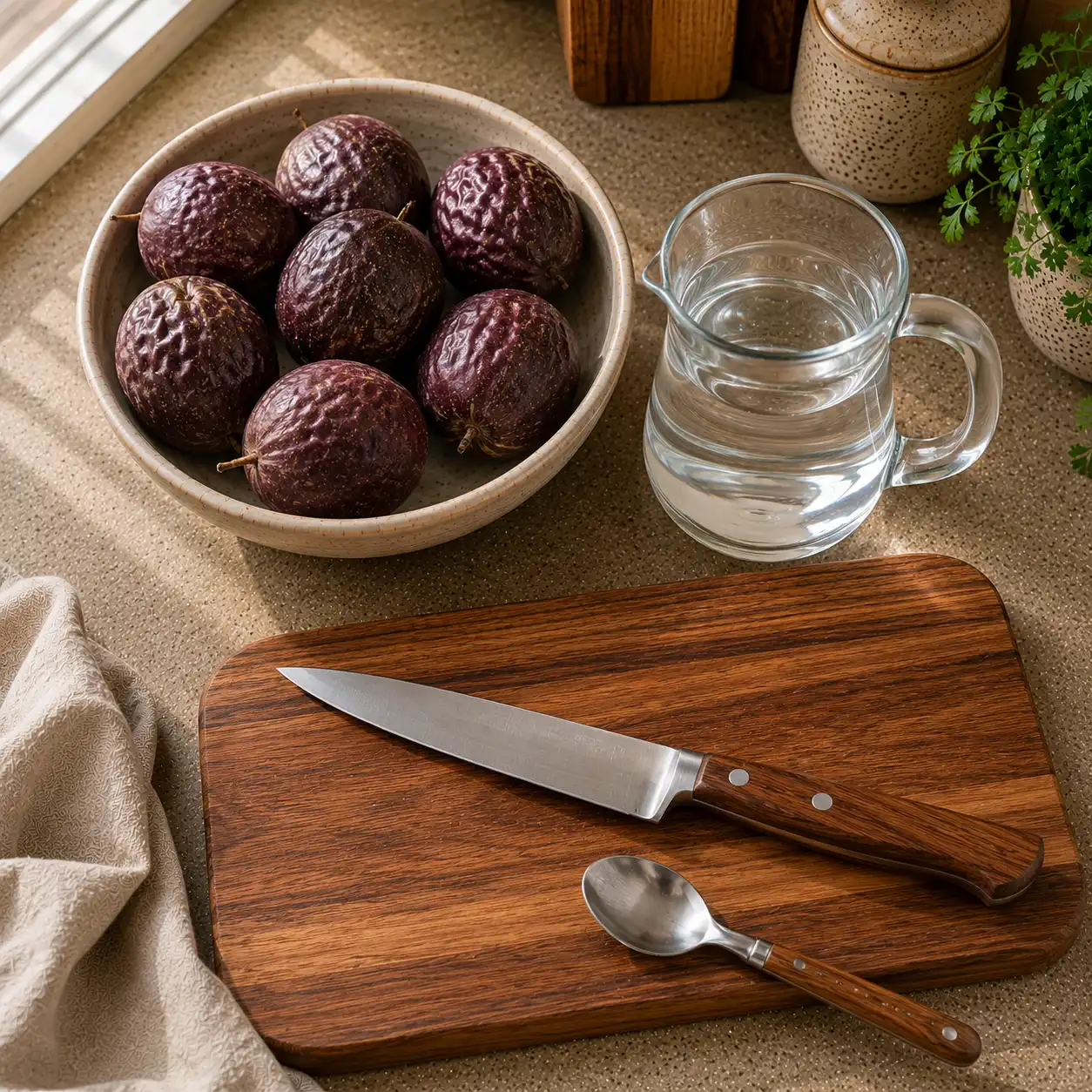
- 1 ripe passion fruit
- Water, optional, for rinsing
Instructions
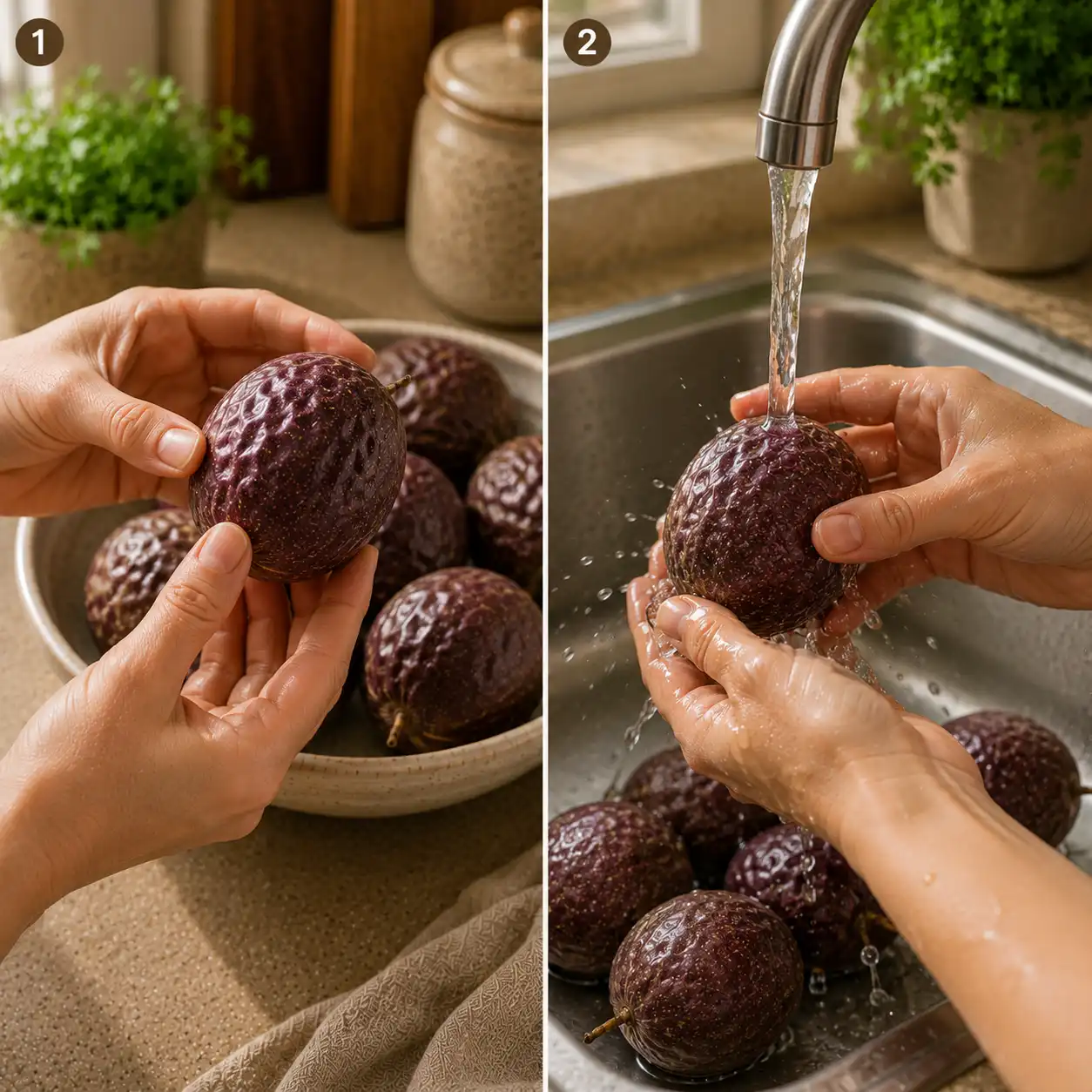
- Step 1: Select Ripe Fruit – Choose passion fruit by observing its skin; purple varieties should be wrinkled and dimpled, indicating peak ripeness. Yellow varieties often remain smooth but should feel heavy for their size. Avoid completely smooth purple fruits, which are typically underripe.
- Step 2: Clean Fruit – Gently wash the outer rind of the selected passion fruit under cool running water to remove any surface impurities.
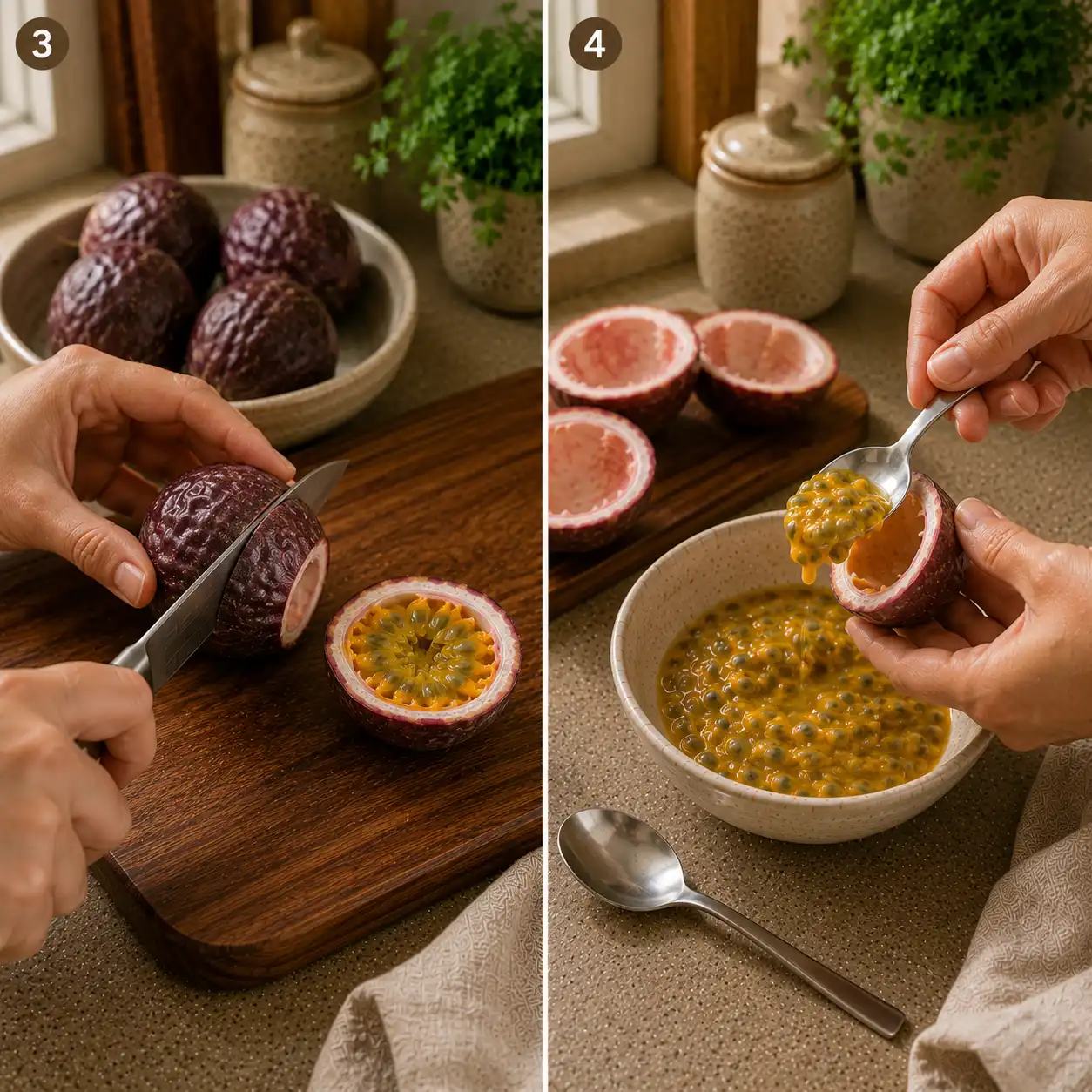
- Step 3: Halve Fruit – Carefully place the passion fruit on a cutting board and cut it in half using a sharp knife.
- Step 4: Scoop Pulp – Using a small spoon, scoop out the vibrant, gelatinous pulp, along with the edible seeds, into a clean bowl. Ensure all the fragrant pulp is removed from the rind.
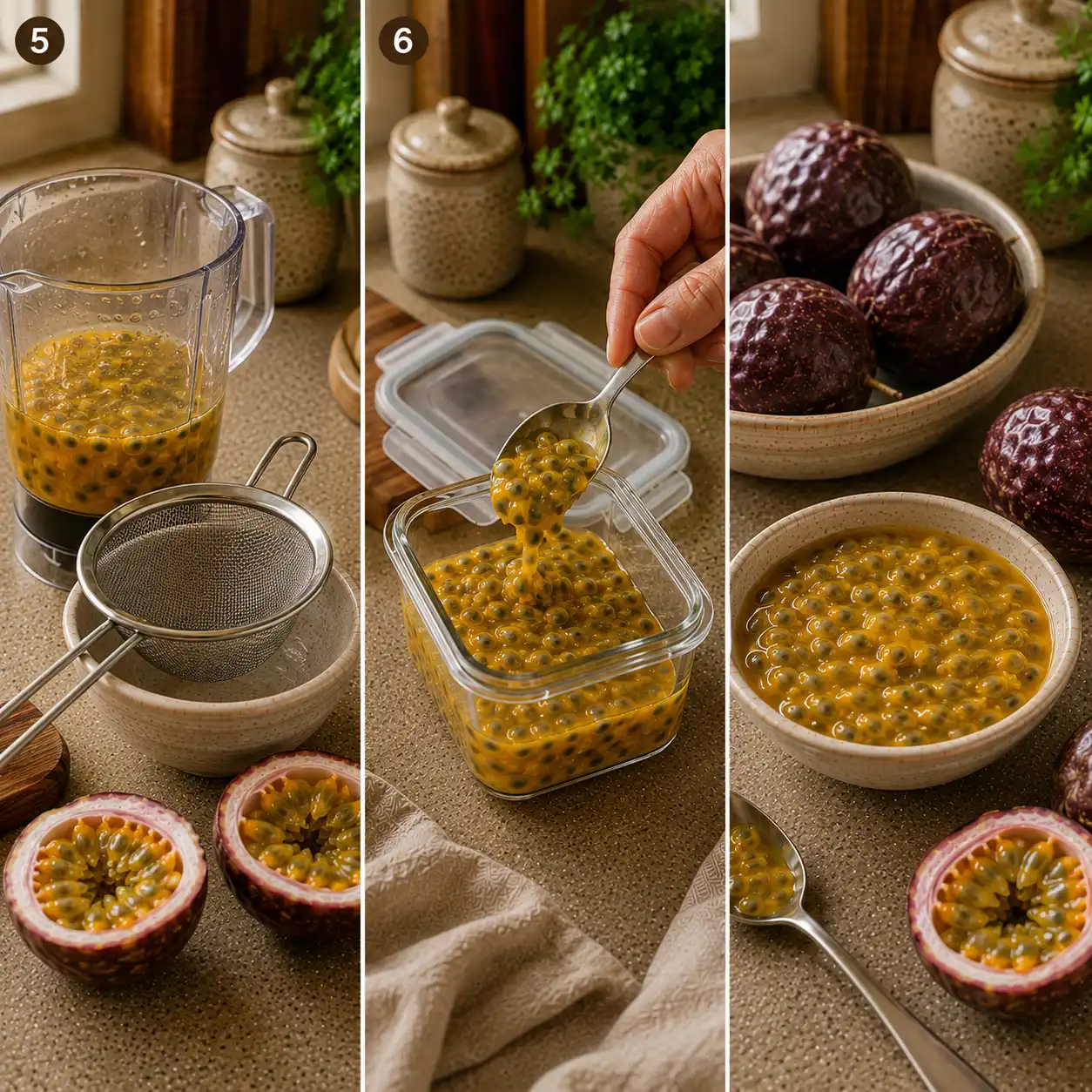
- Step 5: Prepare for Use – The extracted pulp is now ready for use. It can be directly incorporated into smoothies, desserts, or sauces. For juice, you may lightly blend the pulp with a small amount of water and then strain to remove some of the seeds.
- Step 6: Store Pulp – If not using immediately, transfer the passion fruit pulp to an airtight container and refrigerate. It can be stored for up to 3–5 days, retaining its freshness and flavor for future culinary applications.
Notes
Passion fruit is best enjoyed fresh, either on its own or incorporated into culinary creations. Its tartness makes it an excellent addition to desserts, beverages, and savory dishes.
- Prep Time: 5 minutes
- Cook Time: 0 minutes
- Category: Fruit
- Method: Raw
- Cuisine: Tropical
- Diet: General
Nutrition
- Serving Size: 100g
- Calories: 97
- Sugar: 11.2 g
- Sodium: 25 mg
- Fat: 0.7 g
- Saturated Fat: 0.1 g
- Unsaturated Fat: 0.6 g
- Trans Fat: 0 g
- Carbohydrates: 23.4 g
- Fiber: 10.4 g
- Protein: 2.2 g
- Cholesterol: 0 mg
Keywords: passion fruit, tropical fruit, Passiflora edulis, nutritional value, healthy eating
Nutritional Profile of Passion Fruit
Key Vitamins and Minerals in Passion Fruit
Passion fruit is a powerhouse of essential micronutrients, making it a valuable addition to dietary plans. It is particularly rich in Vitamin C, an important antioxidant that supports immune function and skin health. This tropical fruit also contains noteworthy amounts of Vitamin A, crucial for vision and immune response, often found in the form of beta-carotene. Furthermore, passion provides vital minerals such as potassium, significant for maintaining fluid balance and blood pressure, along with iron, magnesium, and phosphorus, all of which contribute to various bodily processes, from energy production to bone health.
Fiber Content and Antioxidant Compounds of Passion Fruit
A standout characteristic of fruit’s nutritional makeup is its high fiber content. Both soluble and insoluble fibers are present, assisting digestive regularity and promoting satiety. The edible seeds within the fruit are a primary source of this dietary fiber. Beyond basic nutrients, fruit is replete with a variety of antioxidant compounds, including polyphenols and carotenoids. These compounds are important for counteracting oxidative stress within the body. Their presence contributes to the fruit’s overall health-promoting properties, making passion a compelling choice for those seeking nutrient-dense foods.
| Nutrient (per 100g) | Approximate Value |
|---|---|
| Calories | 97 kcal |
| Total Fat | 0.7 g |
| Carbohydrates | 23.4 g |
| Dietary Fiber | 10.4 g |
| Sugars | 11.2 g |
| Protein | 2.2 g |
| Vitamin C | 30 mg (33% DV) |
| Vitamin A (RAE) | 64 µg (7% DV) |
| Potassium | 348 mg (7% DV) |
| Iron | 1.6 mg (9% DV) |
Health Benefits of Passion Fruit
Digestive Health and Fiber Content
The considerable fiber content in passion fruit is a primary contributor to its digestive benefits. Dietary fiber, particularly insoluble fiber found in the seeds, adds bulk to stool, facilitating regular bowel movements and helping to prevent constipation. Soluble fiber present in the pulp can act as a prebiotic, nourishing beneficial gut bacteria and supporting a balanced gut microbiome. A healthy digestive system is foundational for overall wellness, influencing everything from nutrient absorption to immune function. Therefore, regular consumption of passion can be a simple yet effective way to maintain digestive regularity.
Immune System Support from Passion Fruit
Passion fruit contains a significant amount of Vitamin C, a well-regarded nutrient for its role in immune system function. Vitamin C acts as an antioxidant, protecting immune cells from damage caused by free radicals. This support is crucial for the body’s natural defense mechanisms, helping it withstand various pathogens. Beyond Vitamin C, the fruit’s Vitamin A content also contributes to immune regulation, supporting the health of mucous membranes that act as barriers against infection. Including fruit in the diet assists in maintaining robust immune health.
Anti-inflammatory Properties of Passion Fruit
The presence of various antioxidants, including polyphenols and carotenoids like beta-carotene, gives passion fruit notable anti-inflammatory properties. Chronic low-grade inflammation is linked to numerous health concerns. Compounds in fruit may help to modulate inflammatory responses in the body, potentially reducing the risk associated with such conditions. For those interested in dietary approaches to address inflammation, incorporating fruits rich in these protective compounds, similar to how one might approach specific anti-inflammatory recipes, could be a valuable consideration for overall wellness.
Passion Fruit for Weight Management
Due to its high fiber and relatively low-calorie count, passion fruit can be a beneficial inclusion for weight management. The fiber helps to promote feelings of fullness and satiety, which can assist in reducing overall calorie intake by lessening the urge to snack between meals. Additionally, the natural sugars present in fruit provide a satisfying sweetness without the need for added sugars often found in less healthy options. Including this fruit as part of a balanced diet can support weight goals, aligning with principles often discussed when considering the best fruit for weight loss due to its nutrient density and fiber. This makes it an intelligent choice for those seeking healthful, satiating foods.
Culinary Applications of Passion Fruit
Desserts and Sweet Treats with Passion Fruit
The vibrant, tart, and fragrant pulp of passion fruit makes it an exceptional ingredient in a wide array of desserts. Its unique flavor profile cuts through richness, offering a refreshing counterpoint in cheesecakes, mousses, tarts, and panna cotta. The seeds, while edible, also provide a pleasant textural contrast. Passion coulis or glazes can add an exotic touch to cakes and pastries. It is also a favored addition to fruit salads, lending an unmistakable tropical essence that transforms simple dishes into gourmet experiences.
Beverages and Smoothies Featuring Passion Fruit
Perhaps one of the most popular uses for passion fruit is in beverages. Its juice is intensely flavored and highly aromatic, making it ideal for refreshing drinks, mocktails, and even flavoring iced teas. When blended into smoothies, the pulp contributes not only flavor but also a significant amount of dietary fiber, helping to create a filling and nutritious drink. For individuals aiming to increase their fiber intake, adding passion to a fiber-rich smoothie recipe can be an excellent strategy. The pulp’s natural tanginess reduces the need for excessive added sweeteners, preserving the healthful qualities of the drink.
Savory Applications and Sauces with Passion Fruit
While predominantly associated with sweet preparations, passion fruit also finds its place in savory cuisine. Its acidity and tropical aroma can brighten and add complexity to various dishes. It can be incorporated into marinades for white fish or poultry, creating a tenderizing and flavorful effect. fruit reduction sauces pair well with grilled seafood or chicken, offering a tangy glaze that stands out. The fruit’s vibrant character can also be a unique component in salad dressings or chutneys, providing a sophisticated twist to everyday meals.
Selecting and Storing Passion Fruit
Choosing Ripe Passion Fruit
Selecting a ripe passion fruit involves observing its skin and assessing its weight. For purple varieties, a ripe fruit will typically have a wrinkled, dimpled skin. This wrinkling indicates that the fruit has fully ripened and its pulp is juicy and flavorful. Avoid fruits that are completely smooth, as these are generally underripe and will have a more acidic, less sweet taste. Yellow varieties may retain a smoother skin even when ripe, so for both types, a good indicator is a fruit that feels heavy for its size, suggesting a plentiful amount of pulp inside.
Proper Storage Methods for Passion Fruit
Once ripe, passion fruit can be stored at room temperature for a few days if it will be consumed promptly. To extend its shelf life, place ripe fruit in the refrigerator, where it can remain fresh for up to a week. For longer storage, the pulp and seeds can be scooped out and frozen in an airtight container or ice cube trays. This frozen pulp can then be used in smoothies, sauces, or desserts at a later date, preserving the distinct flavor of the passion fruit for several months without significant loss of quality.
Growing Passion Fruit
Climate and Soil Requirements for Passion Fruit
Passion fruit vines are best suited for tropical and subtropical climates, thriving in areas that offer ample sunlight and consistent warmth. They prefer well-drained, sandy loam soils with a pH ranging from 6.0 to 7.0. While they require consistent moisture, waterlogged conditions must be avoided to prevent root rot. Protection from strong winds is also beneficial, as the vines can be somewhat delicate. Adequate spacing should be provided for the vine to spread, as it is a vigorous climber, necessitating a sturdy support structure.
Care and Maintenance of Passion Fruit Vines
Regular watering is important, especially during flowering and fruiting periods, to support fruit development. Fertilization should be applied periodically with a balanced fertilizer to support growth and fruit production. Pruning is a critical aspect of fruit cultivation. It helps to manage the vine’s size, promote air circulation, and encourage new fruiting wood. Removing dead or tangled branches and thinning out dense growth will help maintain plant vigor and improve fruit yield. Vigilance against common pests and diseases is also important for a healthy vine.
The passion fruit is more than just a culinary delight; it is a source of important nutrients, offering tangible health benefits. From its origins in South America to its widespread global appeal, this tropical fruit consistently proves its worth in both the kitchen and as a component of a healthful diet. Understanding its varieties, nutritional value, and proper handling allows for a greater appreciation of this unique fruit. Whether enjoyed fresh, in a dessert, or as a vibrant addition to a savory dish, fruit delivers a memorable sensory experience combined with significant nutritional advantages.
FAQs
What are the primary health benefits of consuming passion fruit?
Consuming passion fruit offers several health benefits, mainly due to its rich content of vitamins, minerals, fiber, and antioxidants. It supports digestive health by aiding regularity, strengthens the immune system through its Vitamin C and A content, and may assist in managing inflammation. Its fiber also contributes to satiety, which can be beneficial for weight management efforts.
How should one select a ripe passion fruit?
To select a ripe purple passion fruit, look for fruit with a deeply wrinkled, dark purple skin. For yellow varieties, the skin may remain smoother even when ripe, but in both cases, the fruit should feel heavy for its size. Avoid fruit that is entirely smooth or feels too light, as these are typically underripe.
Can passion fruit be used in savory dishes?
Absolutely. While often found in sweet applications, passion fruit’s tartness and aromatic qualities make it suitable for savory dishes. It can be incorporated into marinades for poultry or fish, used to create tangy glazes or sauces for grilled meats and seafood, or even added to salad dressings and chutneys for an exotic flavor profile.
What is the best way to store passion fruit?
Ripe passion fruit can be kept at room temperature for a few days. For extended freshness, store it in the refrigerator for up to a week. If you need to store it for longer periods, the pulp and seeds can be scooped out and frozen in an airtight container or ice cube trays, maintaining its flavor for several months.