Creating authentic pizza recipes at home is a skill that blends science with culinary art. While many settle for delivery, there is nothing quite like the smell of fresh dough rising in your own kitchen. This guide focuses on the technical aspects of crafting high-quality pizza recipes, from the chemistry of the fermentation process to the selection of fresh, flavorful ingredients. By understanding the fundamentals of heat and hydration, you can produce restaurant-quality results that surpass anything found in a cardboard box.
Table of Contents
The Foundation: Understanding Pizza Recipes and Dough Science
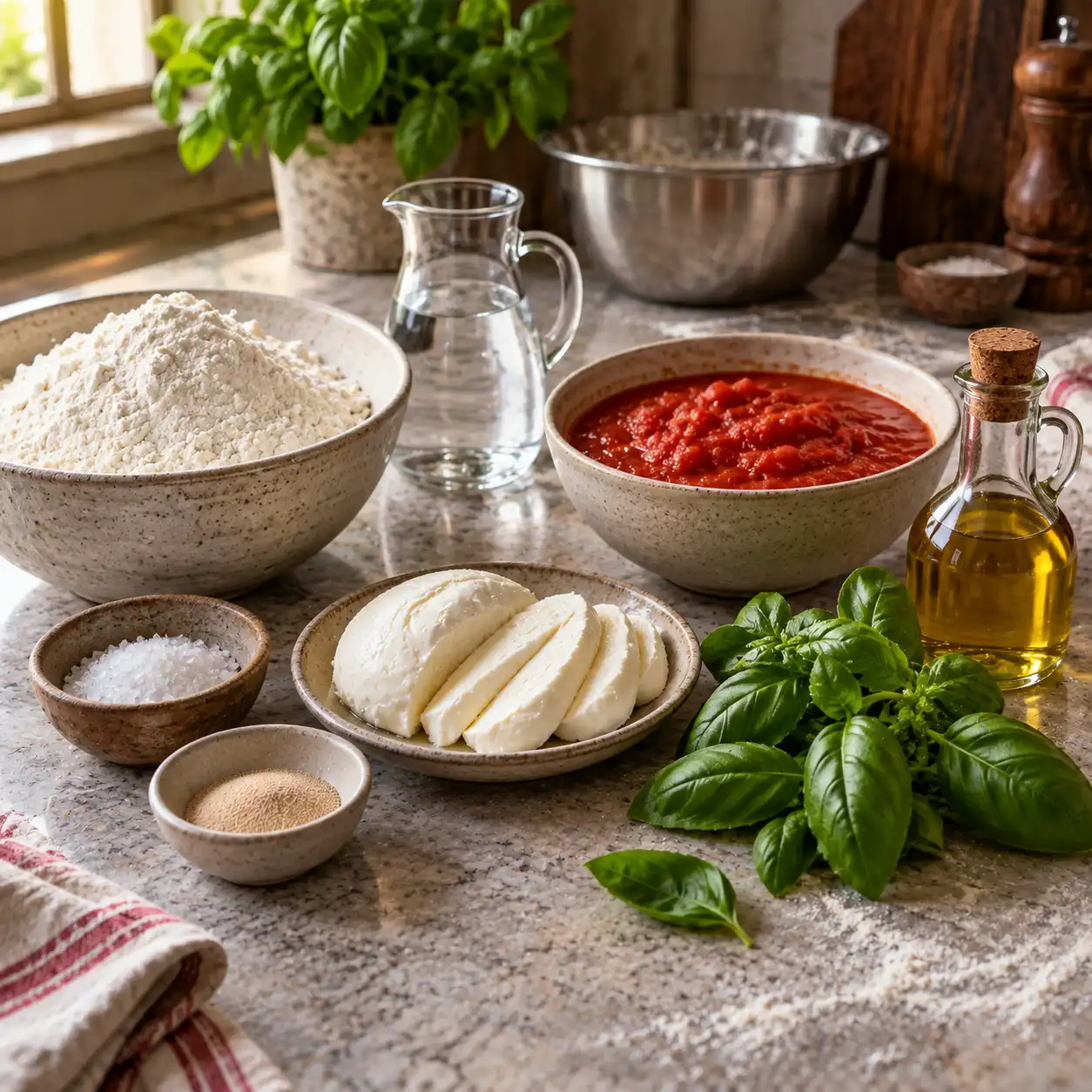
The most important element of all pizza recipes is the dough. A great crust requires only four ingredients: flour, water, salt, and yeast. However, the way you handle these ingredients changes everything. Professional pizza recipes often call for high-protein flour, such as Type 00 or bread flour. These flours provide the structure needed to hold air bubbles, resulting in a light, airy crust that is crispy on the outside and chewy on the inside. Understanding protein content helps you choose the right base for your specific style.
Flour Selection and Protein Content
In various pizza recipes, the type of flour used dictates the final texture. All-purpose flour yields a softer, more biscuit-like crust, whereas bread flour creates a sturdier structure. High-protein flours contain more gluten-forming proteins. According to King Arthur Baking’s guide on flour selection, the protein percentage directly affects the elasticity of the dough, which is vital for stretching it thin without tearing. For Neapolitan-style pizza recipes, Type 00 flour is the gold standard because it is finely milled and produces a very soft, supple dough.
Hydration Levels in Dough
Hydration refers to the weight of water relative to the weight of flour. Most home-style pizza recipes use a hydration level between 60% and 70%. Higher hydration leads to a more open “crumb” or hole structure in the crust but makes the dough stickier and harder to handle. If you are new to making pizza recipes, start with a 60% hydration dough. As you gain more experience, you can increase the water content to achieve that classic bubbly, charred crust found in wood-fired ovens.
The Role of Cold Fermentation
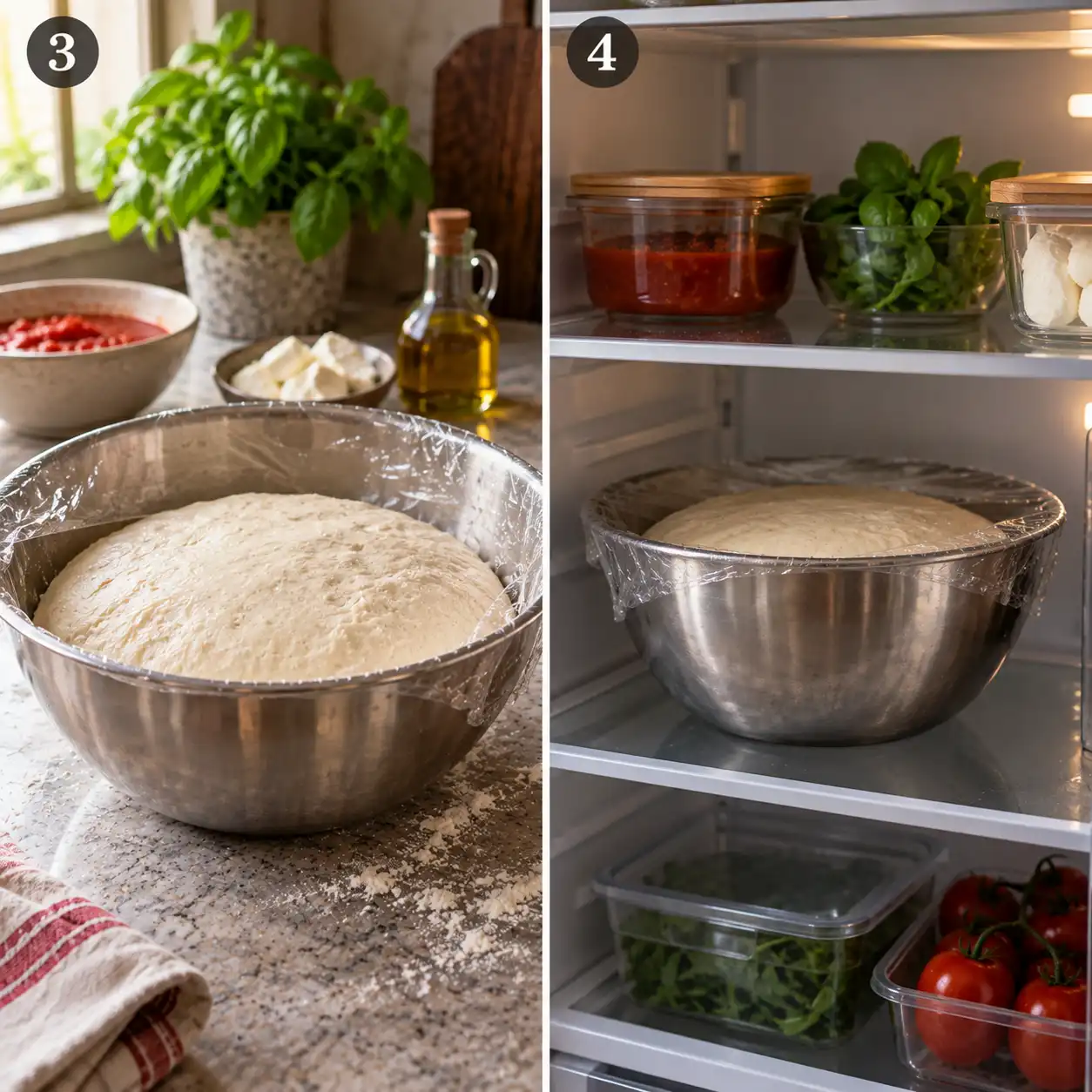
Time is the secret ingredient in the best pizza recipes. Cold fermentation involves letting your dough rise in the refrigerator for 24 to 72 hours. This slow process allows the yeast to produce more complex flavor compounds and breaks down starches into simpler sugars, which helps the crust brown beautifully. Many people skip this step, but it is what separates average pizza recipes from professional ones. A long, cold rest improves both the taste and the digestibility of the final product.
Print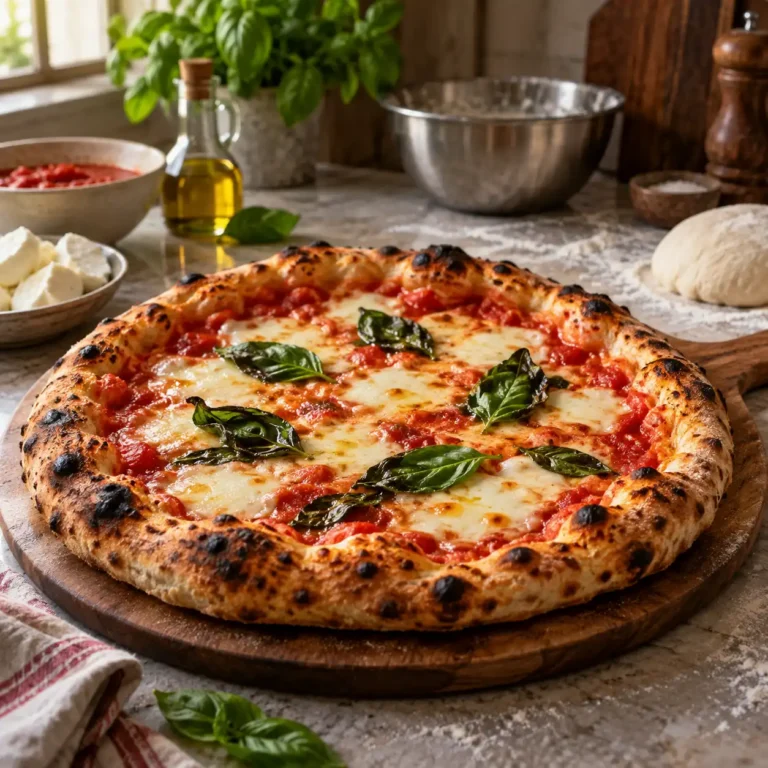
Mastering Professional Pizza Recipes: A Guide to the Perfect Crust and Toppings
An expert-level guide to crafting professional-quality pizza at home, focusing on the science of dough hydration, long fermentation, and high-heat baking techniques.
- Total Time: 25 hours
- Yield: 2 Pizzas (8 servings) 1x
Ingredients
- 500g Type 00 flour
- 325ml Filtered water (65% hydration)
- 10g Fine sea salt
- 3g Active dry yeast
- 15ml Extra virgin olive oil
- 200g San Marzano tomato puree
- 250g Fresh buffalo mozzarella
- 10–12 Fresh basil leaves
- 10g Cornmeal for dusting
Instructions
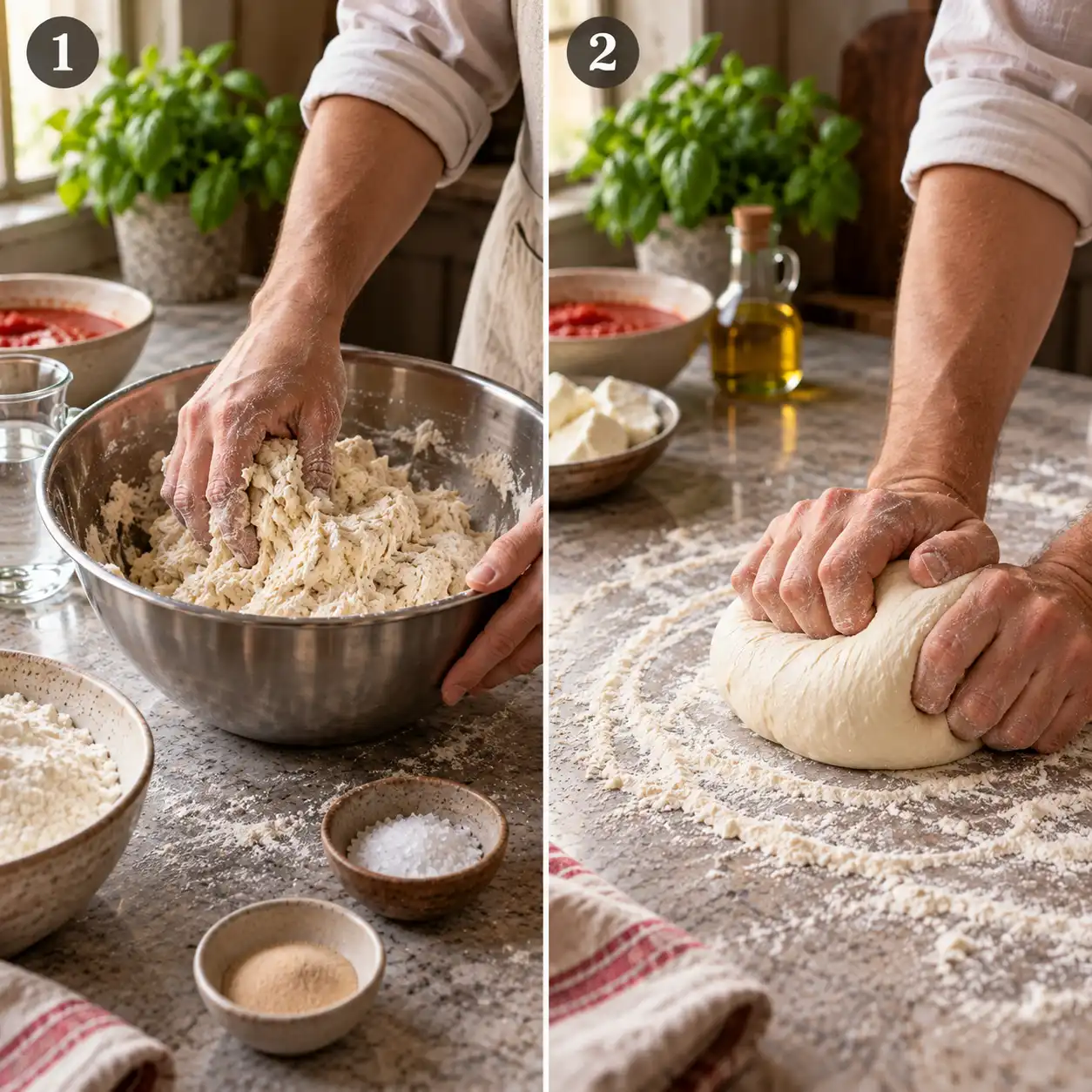
- Step 1: Hydrate Yeast – Combine warm water with yeast and let sit for 10 minutes until a light foam forms on the surface.
- Step 2: Mix Dough – Gradually incorporate the flour and salt into the water until a shaggy mass forms.
- Step 3: Knead Dough – Knead by hand for 12 minutes on a clean surface until the dough is smooth, elastic, and passes the windowpane test.
- Step 4: Bulk Fermentation – Place the dough in a lightly oiled bowl and refrigerate for 24 to 48 hours to develop complex enzymatic flavors.
- Step 5: Divide and Rest – Portion the dough into two equal balls and let them reach room temperature for 2 hours before shaping.
- Step 6: Preheat Oven – Set your oven to its maximum temperature (500-550°F) with a pizza stone inside for at least 60 minutes.
- Step 7: Shape Crust – Gently stretch the dough by hand into a 12-inch circle on a peel dusted with cornmeal, leaving a thicker outer rim.
- Step 8: Apply Toppings – Spread a thin layer of tomato puree and arrange pieces of fresh mozzarella and a drizzle of olive oil.
- Step 9: Bake Pizza – Slide the pizza onto the hot stone and bake for 7 to 10 minutes until the crust is charred and the cheese is bubbly.
- Step 10: Finish and Serve – Garnish with fresh basil leaves and a crack of black pepper; let rest for 2 minutes before slicing.
Notes
The long fermentation process in the refrigerator is the secret to achieving a professional airy crumb and the characteristic ‘leopard-spotting’ on the crust.
- Prep Time: 45 minutes
- Cook Time: 10 minutes
- Category: Main Course
- Method: Baking
- Cuisine: Italian
- Diet: Vegetarian
Nutrition
- Serving Size: 1 slice
- Calories: 285 kcal
- Sugar: 1.5g
- Sodium: 480mg
- Fat: 9.2g
- Saturated Fat: 4.1g
- Unsaturated Fat: 5.1g
- Trans Fat: 0.1g
- Carbohydrates: 38g
- Fiber: 2.2g
- Protein: 12.5g
- Cholesterol: 18mg
Keywords: pizza, artisan dough, fermentation, margherita, professional pizza, baking science
Essential Toppings and Sauce Construction
Once you have mastered the dough, the next phase of pizza recipes involves the sauce. A common mistake is overcooking the sauce before it ever hits the dough. For traditional red pizza recipes, use high-quality canned tomatoes, such as San Marzano. Simply crush them by hand or with a blender, add a pinch of salt, a drizzle of olive oil, and some fresh basil. This raw sauce cooks perfectly in the intense heat of the oven, maintaining a bright, fresh tomato flavor that balances the rich cheese.
Crafting the Perfect Red Sauce
The best pizza recipes keep the sauce simple to highlight the quality of the tomatoes. Research from Serious Eats on pizza sauce techniques suggests that using uncooked tomatoes prevents the sauce from becoming too thick or overly sweet during the baking process. Avoid adding dried herbs in large quantities, as they can become bitter. Instead, focus on salt and acidity to bring out the natural sweetness of the fruit. This approach is a staple in high-end pizza recipes across the globe.
Cheese Varieties and Melting Points
While mozzarella is the standard for most pizza recipes, the type you choose matters. Fresh mozzarella has a high water content and should be drained before use to prevent a soggy crust. Low-moisture, whole-milk mozzarella provides that iconic stretch and golden-brown spotting. Many artisan pizza recipes also incorporate hard cheeses like Pecorino Romano or Parmesan, which are added after baking to preserve their delicate oils and sharp flavor profile.
Vegetable and Protein Toppings
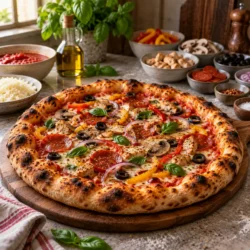
When selecting proteins, choose high-quality meats like beef pepperoni, turkey sausage, or grilled chicken. If you are looking for lean protein options, using thinly sliced chicken breast seasoned with Mediterranean herbs is an excellent choice for modern pizza recipes. Vegetables should be sliced thinly or pre-cooked if they have high water content, like mushrooms or zucchini, to prevent them from releasing liquid onto the cheese during the bake.
Classic and Modern Pizza Recipes to Try
Diversity is what makes pizza recipes so popular. You can stick to tradition or experiment with fusion flavors. The key is balance; do not overload the dough with too many toppings, or the center will remain raw while the edges burn. Whether you prefer a thin crust or a deep dish, following a structured set of instructions will yield the best results.
The Traditional Margherita
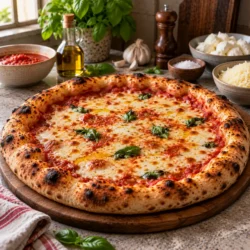
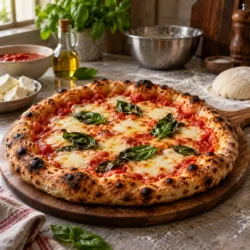
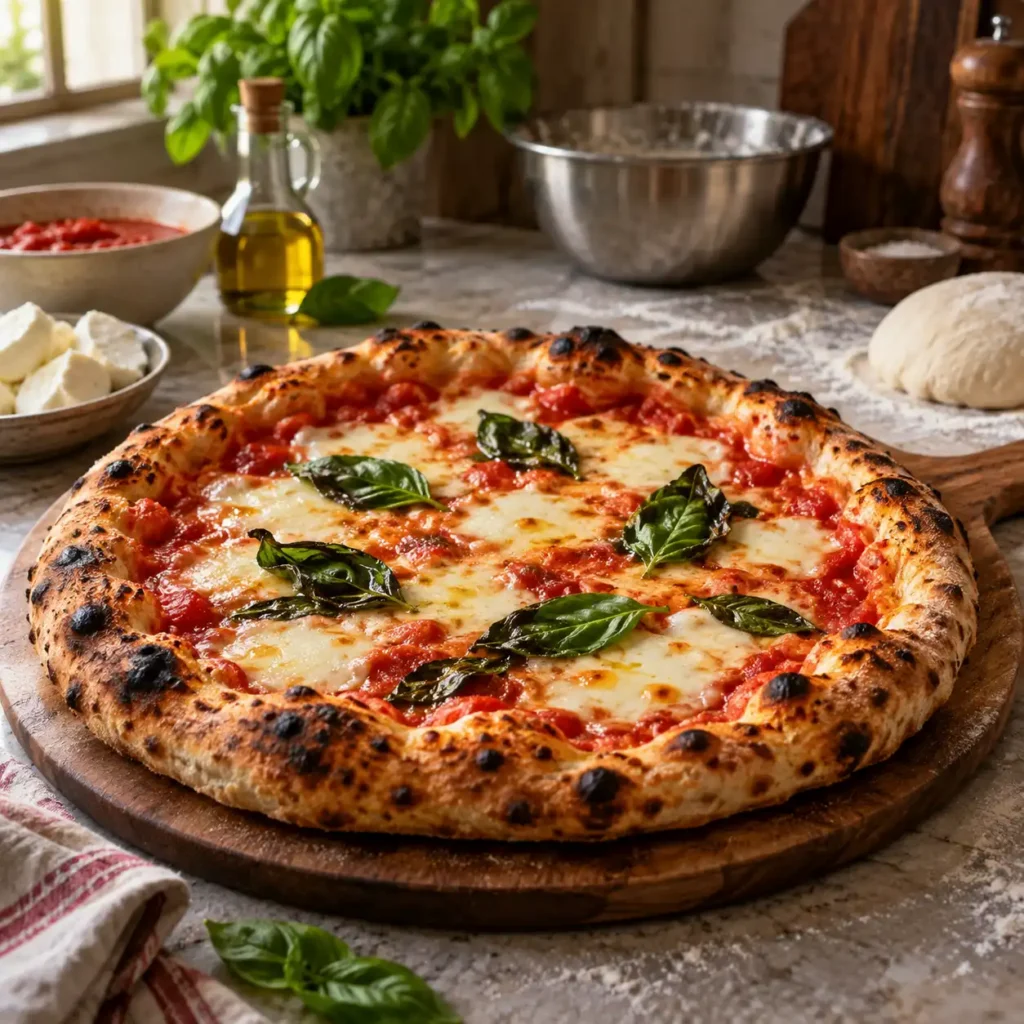
This is the benchmark for all pizza recipes. It features red sauce, fresh mozzarella, and basil leaves. The colors represent the Italian flag. To succeed with this recipe, use the highest quality ingredients possible. Because there are so few components, every flavor is magnified. Use a light hand with the sauce and ensure your oven is as hot as it can possibly go.
Step-by-Step Homemade Pizza Instructions
- Step 1: Prepare Dough – Mix flour, water, salt, and yeast in a bowl until a shaggy mass forms.
- Step 2: Knead Dough – Work the dough on a floured surface for 10 minutes until it becomes smooth and elastic.
- Step 3: First Rise – Place the dough in a greased bowl and cover it, letting it sit at room temperature for 2 hours.
- Step 4: Cold Ferment – Move the dough to the refrigerator for at least 24 hours to develop a deeper flavor profile.
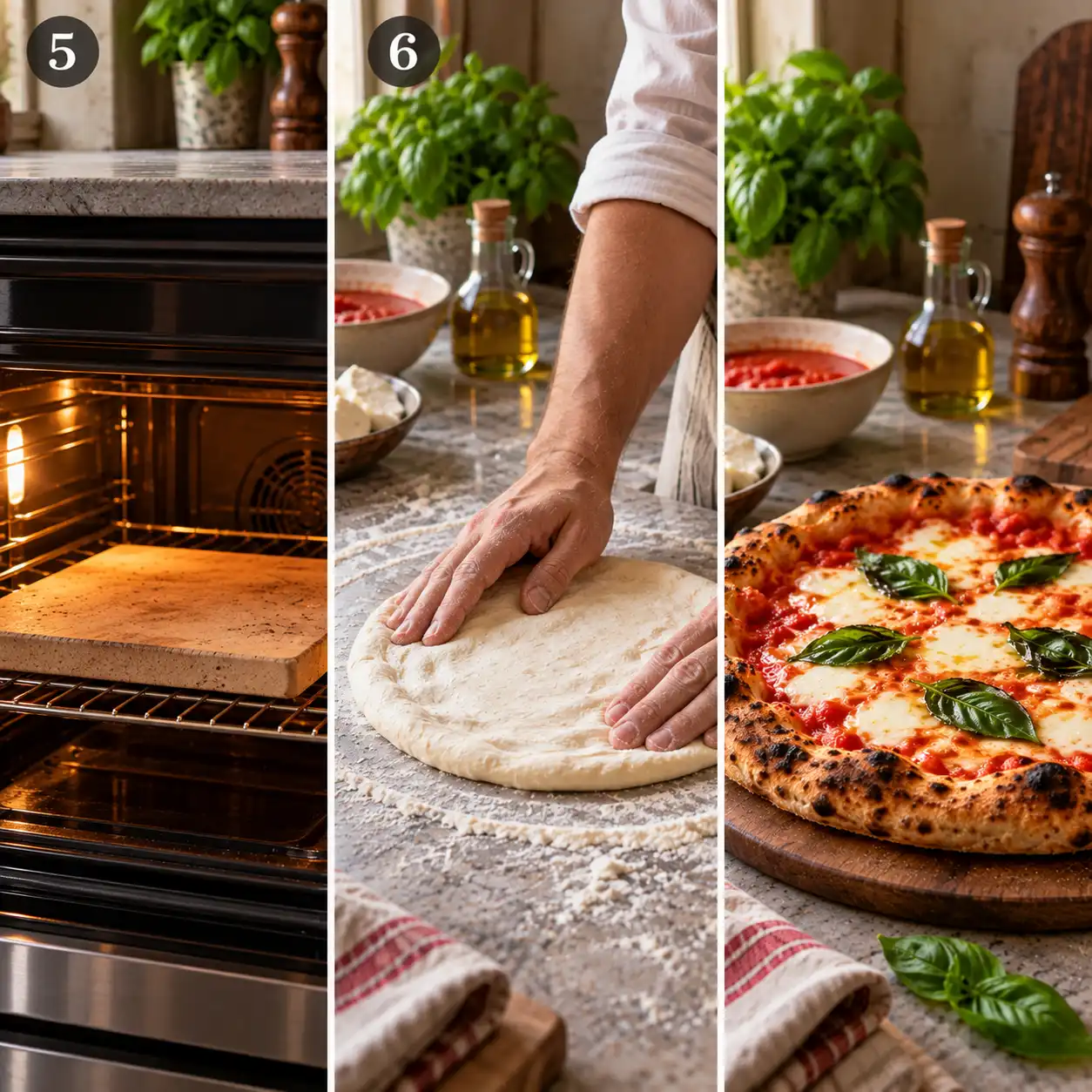
- Step 5: Preheat Oven – Set your oven to its maximum temperature, ideally with a pizza stone inside, for at least 45 minutes.
- Step 6: Shape Pizza – Gently stretch the dough into a circle, leaving a slightly thicker edge for the crust.
- Step 7: Apply Toppings – Spread a thin layer of sauce, followed by cheese and your chosen non-pork proteins or vegetables.
- Step 8: Bake Pizza – Slide the pizza onto the stone and bake for 7 to 10 minutes until the crust is charred and cheese is bubbly.
Healthy Alternatives and Diet-Specific Pizza Recipes
For those watching their calorie intake or looking for more protein, there are many innovative pizza recipes that swap traditional ingredients for nutrient-dense alternatives. You do not have to sacrifice flavor to meet your health goals. Creative use of dairy and vegetables can create a satisfying meal that fits into a balanced lifestyle.
Protein-Rich Crusts
One of the biggest trends in healthy pizza recipes is the use of cottage cheese in the base. This provides a massive boost of protein while keeping the carbohydrate count lower than traditional wheat-based dough. You can find a detailed guide on how to make a cottage cheese pizza that satisfies cravings without the heavy feeling of a standard crust. This method is particularly popular among those following high-protein diets.
Vegetable-Based Bases
Cauliflower crusts remain a staple in gluten-free pizza recipes. By pulsing cauliflower into “rice,” steaming it, and squeezing out all the moisture, you can create a binder with egg and cheese that bakes into a sturdy, flavorful disc. These types of pizza recipes allow for more frequent consumption of your favorite flavors while increasing your daily vegetable intake. They pair exceptionally well with pesto or garlic-based sauces.
Safety and Quality in Pizza Making
When working with fresh dough and raw ingredients, food safety is paramount. Always check the expiration dates on your yeast, as dead yeast will prevent the dough from rising, leading to a dense and unappetizing crust. Additionally, keep an eye on food safety news regarding pre-packaged items. For instance, staying informed about issues like the champion foods pizza recall helps you make sure that the ingredients you bring into your kitchen are safe for your family to consume.
Side Dishes to Complement Your Pizza
No pizza night is complete without the perfect side. While many people reach for a salad, others prefer warm, doughy additions. If you have extra dough from your pizza recipes, you can easily whip up some homemade garlic knots. These are simple to make by tying small strips of dough into knots and brushing them with a mixture of melted butter, garlic, and parsley after they come out of the oven.
Pizza Dough Comparison Table
| Dough Type | Hydration % | Best Use | Texture |
|---|---|---|---|
| Neapolitan | 60-65% | Wood-fired ovens | Soft, airy, charred |
| New York Style | 62-67% | Home ovens / Stones | Chewy, foldable |
| Deep Dish | 50-55% | High-sided pans | Buttery, biscuit-like |
| Thin & Crispy | 55-60% | Baking sheets | Crunchy, cracker-like |
Advanced Techniques for Better Pizza Recipes
To take your pizza recipes to the professional level, you must master heat management. Most home ovens only reach 500 or 550 degrees Fahrenheit, whereas professional pizza ovens exceed 800 degrees. To compensate, use a pizza steel or stone. These tools hold onto heat and transfer it directly to the bottom of the dough, creating the “oven spring” needed for those beautiful air bubbles in the crust. Position your stone in the upper third of the oven and use the broiler for the last minute of cooking to get a perfect char on the top.
The Importance of Resting the Dough
After you divide your fermented dough into individual balls, it is vital to let them rest at room temperature for at least two hours before stretching. If the dough is too cold, the gluten will be too tight, and the dough will keep snapping back when you try to shape it. Proper resting makes the dough extensible, allowing you to achieve that paper-thin center characteristic of the best pizza recipes. Patience is just as important as the recipe itself.
Conclusion
Mastering pizza recipes at home is a rewarding journey that allows you to customize every bite to your preference. By focusing on high-quality flour, proper hydration, and the patience of cold fermentation, you can create a crust that rivals the best pizzerias. Avoid over-complicating your toppings and focus on the harmony of fresh ingredients. With the right tools and techniques, your kitchen will become the go-to spot for the ultimate pizza experience.
FAQs
What is the best flour for pizza recipes?
Type 00 flour is widely considered the best for traditional thin-crust pizza because of its fine texture and moderate protein content. However, bread flour is a great alternative for home bakers who want a chewier, sturdier crust that stands up well in a standard home oven.
How do I prevent my pizza from getting soggy?
To avoid a soggy crust, do not overload the pizza with sauce or wet toppings. If using fresh mozzarella, slice it and let it drain on paper towels for 15 minutes before adding it to the pizza. Pre-cooking high-moisture vegetables like mushrooms can also help.
Can I freeze pizza dough?
Yes, pizza dough freezes very well. After the first rise or after the cold fermentation period, divide the dough into balls, coat them lightly in oil, and place them in freezer-safe bags. Thaw the dough in the refrigerator overnight before you plan to use it.
How hot should my oven be for pizza recipes?
For the best results, set your oven to its highest possible setting, usually between 500°F and 550°F (260°C-290°C). Using a pizza stone or steel that has been preheated for at least 45 minutes will help simulate the intense heat of a professional pizza oven.