
Finding a natural way to satisfy your sweet tooth without the added sugar burden is a goal for many. Enter zero calorie honey, a clever alternative designed for those who love the floral, viscous notes of traditional syrup but want to keep their daily intake light. Whether you are aiming for weight management or simply watching your blood sugar, this sweet ingredient fits into many modern wellness plans. Let us look at why this choice is gaining attention and how you can bring it into your kitchen today.
Table of Contents
Understanding Zero Calorie Honey Alternatives
What Makes Honey Alternatives Different?
Traditional honey is a dense source of natural sugars, which can lead to quick energy spikes. In contrast, zero calorie honey options are usually crafted using plant-based fibers or specific sweeteners that provide a syrupy texture without the heavy glucose content. Many people search for these products to avoid the impact on their glycemic index. If you are curious about balancing your intake, you might look into specific healthy low cal snacks that pair beautifully with a light drizzle of these syrups.
The goal is to keep the flavor profile rich while keeping the caloric total nearly invisible. By moving away from high-fructose syrups, you allow your body to enjoy the sensation of sweetness without triggering the insulin response that often accompanies refined sugars. This shift is particularly helpful for those following low-glycemic eating patterns. When you view your diet as a collection of choices, adding a zero-sugar sweetener can be the difference between a restrictive lifestyle and one that feels abundant and satisfying.
Ingredients Found in Sweet Substitutes
Most versions of zero calorie honey rely on ingredients like monk fruit or stevia blended with soluble fiber such as allulose. These components provide that sticky, golden consistency that we all recognize. When you read labels, you will notice these blends are often designed to mimic the viscosity of the real thing. For those interested in metabolic health, checking the source of your sweetness is vital. A deep look at monk fruit sweeteners provides clarity on how these natural plant extracts work to keep your blood sugar stable compared to standard syrup options.
Allulose is particularly popular in these blends because it does not act like a typical sugar in the bloodstream; it passes through the body mostly unmetabolized. This makes it an ideal candidate for creating a syrup that has the “mouthfeel” of honey but not the caloric density. When combined with natural thickeners like xanthan gum or vegetable glycerin, the final product mimics the flow and coating power of natural nectar, making it versatile for both hot and cold preparations.
Print
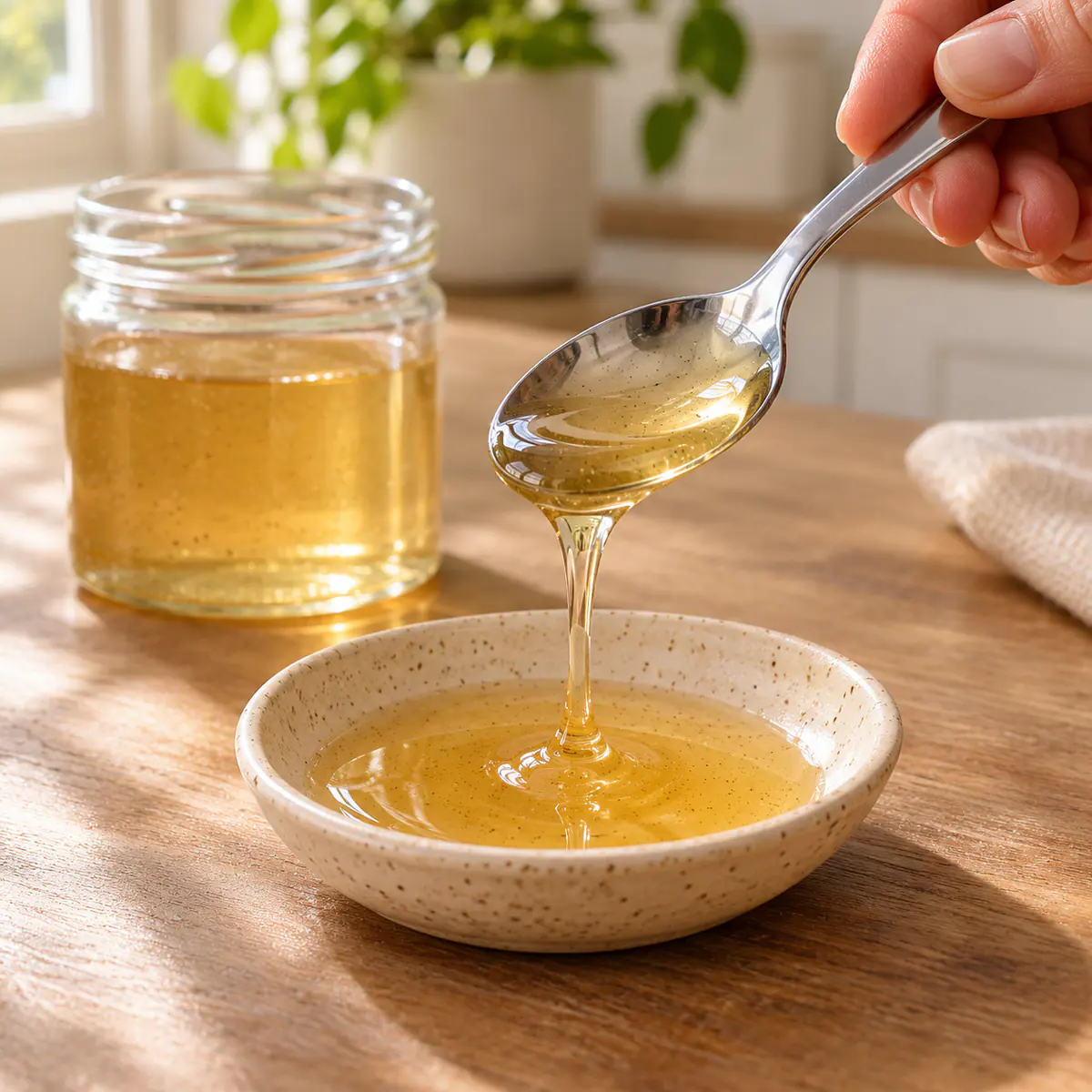
Delicious Zero Calorie Honey
A clever, plant-based alternative to traditional honey that provides the same viscous, sweet texture without the heavy caloric or glycemic impact, perfect for health-conscious individuals.
- Total Time: 5 minutes
- Yield: 1 cup
Ingredients
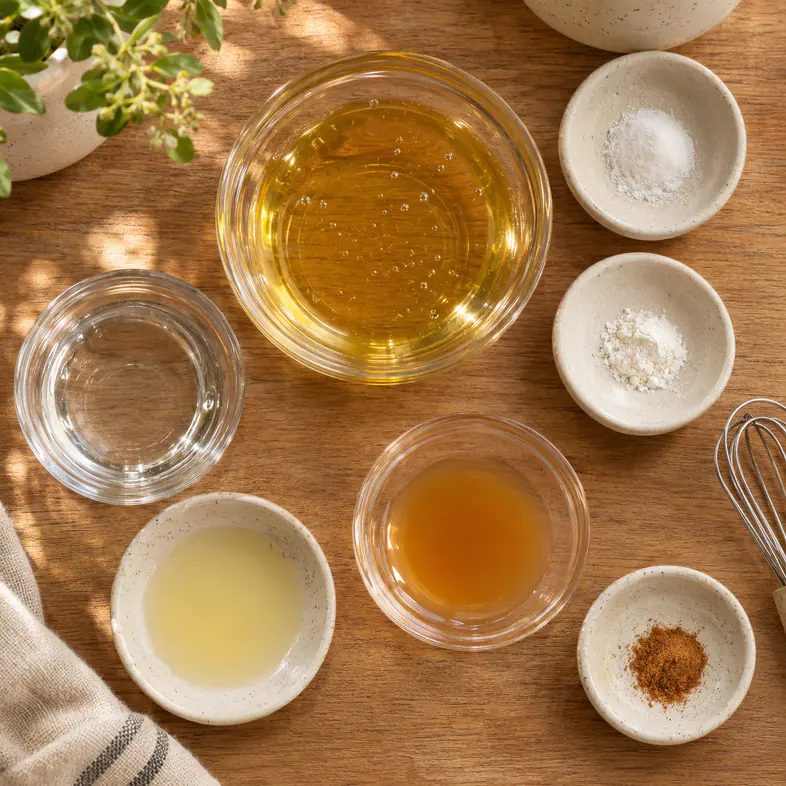
- Monk fruit extract or Stevia blend
- Allulose syrup
- Xanthan gum (for thickening)
- Vegetable glycerin
- Lemon juice (optional for tang)
- Apple cider vinegar (optional for glaze)
Instructions
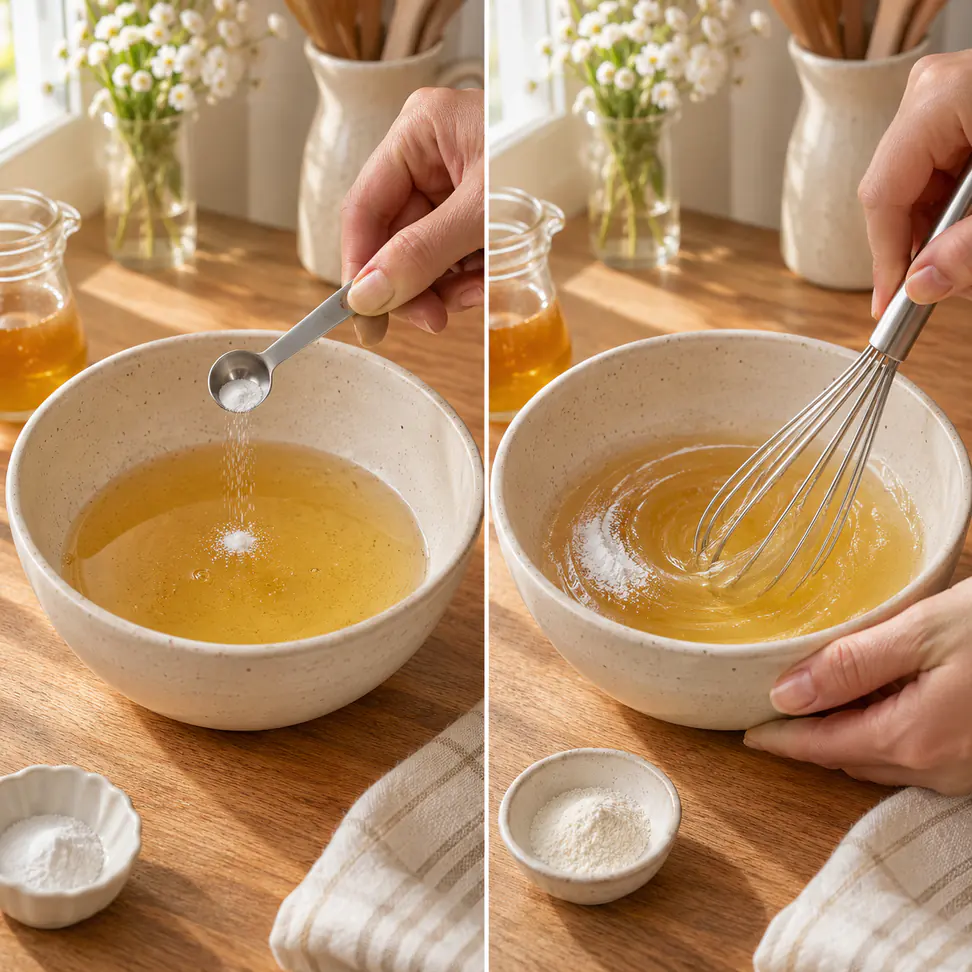
- Step 1: Base Selection – Combine allulose syrup with monk fruit or stevia to create the primary sweetness base.
- Step 2: Thickening – Incorporate a small amount of xanthan gum or vegetable glycerin to achieve a honey-like viscous consistency.
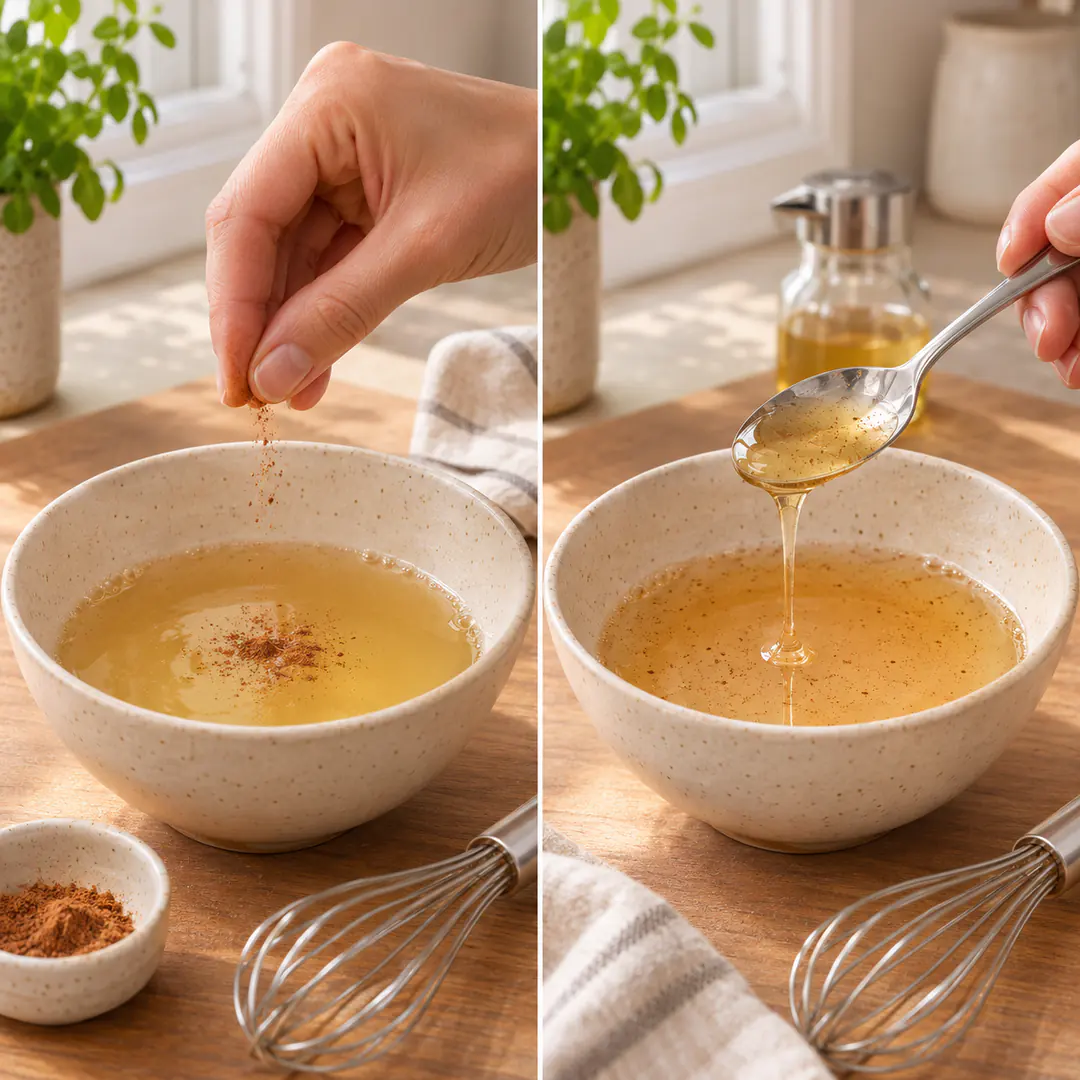
- Step 3: Flavor Rounding – Add a touch of cinnamon, nutmeg, or citrus zest to bridge the flavor profile and enhance depth.
- Step 4: Quality Check – Perform a spoon test to ensure the sweetness level matches your preference before adding to your dish.
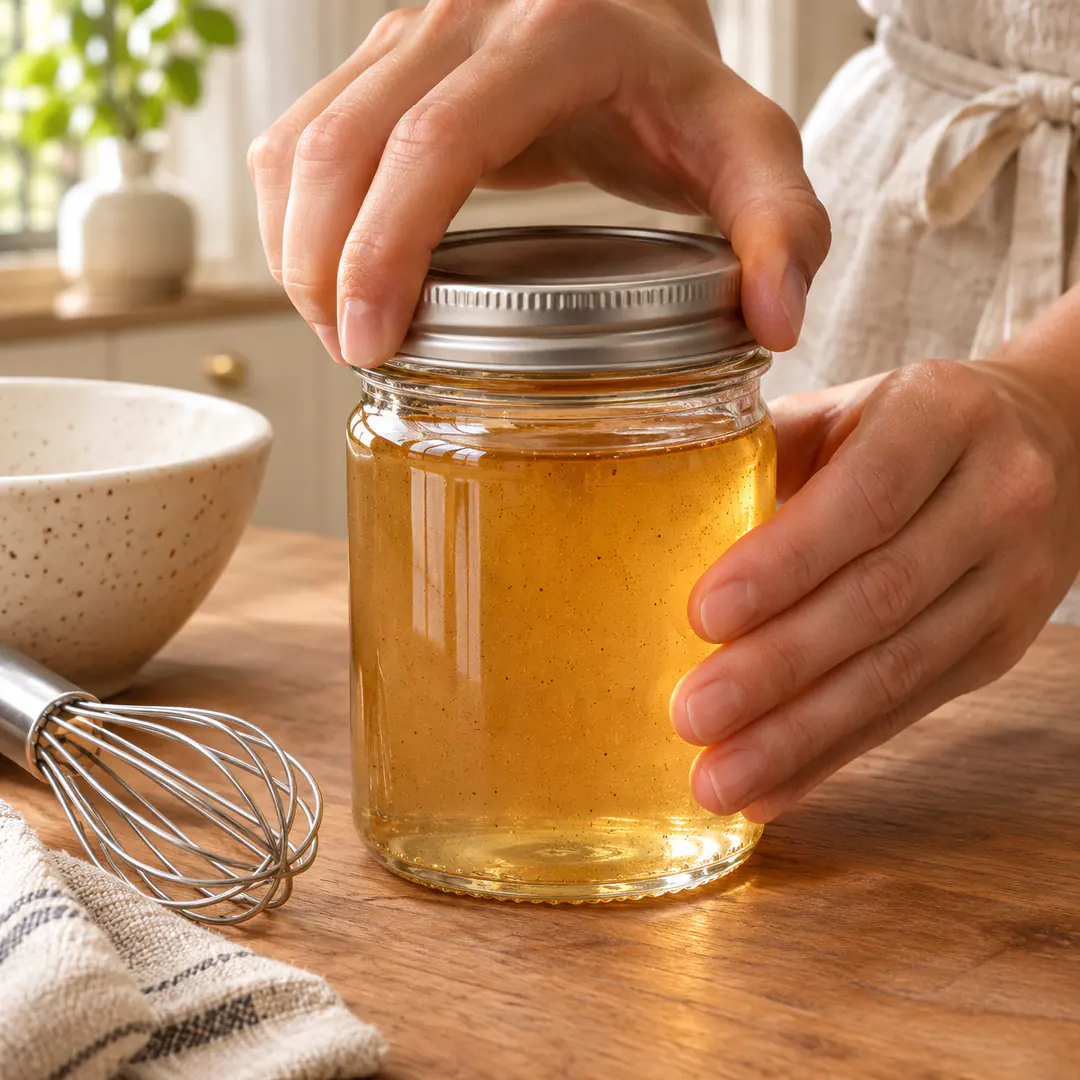
- Step 5: Storage – Transfer the mixture to a sealed container and store in a cool, dark place to prevent crystallization.
Notes
Store in a cool, dark place to prevent grit. Use primarily as a topping, finishing drizzle, or beverage sweetener rather than a structural baking ingredient, as it lacks moisture-retaining sugar properties.
- Prep Time: 5 minutes
- Cook Time: 0 minutes
- Category: Condiments
- Method: Mixing
- Cuisine: Modern Wellness
- Diet: Vegan, Keto, Gluten-Free, Sugar-Free
Nutrition
- Serving Size: 1 tbsp
- Calories: 5 kcal
- Sugar: 0g
- Sodium: 2mg
- Fat: 0g
- Saturated Fat: 0g
- Unsaturated Fat: 0g
- Trans Fat: 0g
- Carbohydrates: 4g
- Fiber: 0g
- Protein: 0g
- Cholesterol: 0mg
Keywords: zero calorie honey, sugar-free, healthy substitute, low glycemic, allulose
Cooking and Baking with Sweet Alternatives
Why Texture Matters in the Kitchen
When you start using zero calorie honey in your favorite recipes, you will find it behaves differently than dense, moisture-heavy traditional honey. Because it lacks the natural sugars that caramelize and retain moisture, you might need to adjust your liquid ratios. If you are baking, consider using it as a finishing drizzle rather than a structural ingredient. For instance, testing a batch of oatmeal banana bread with a thin coating of zero calorie honey on top provides a lovely shine and sweetness without adding a single gram of sugar to the loaf itself.
Baking involves complex chemical reactions where sugar plays a role in browning (the Maillard reaction) and softening the crumb. Since sugar-free alternatives do not brown, your baked goods might appear lighter in color. This is perfectly fine, provided you account for the lack of moisture retention. You may need to add an extra tablespoon of unsweetened applesauce or Greek yogurt to the batter to compensate. The goal is to achieve a soft, moist texture that satisfies without relying on the structural properties of heavy, caloric syrups.
Strategic Uses for Daily Meals
Incorporating zero calorie honey into your daily routine is easier than it seems. It works wonderfully in morning beverages, over breakfast bowls, or as a base for light dressings. Many home cooks discover that mixing it with a bit of lemon juice or apple cider vinegar creates a tangy, sweet glaze for roasted vegetables. If you want to see more ways to integrate these types of sweeteners, check out the honey boost ideas that demonstrate how to keep your meals flavorful. The versatility of zero calorie honey makes it a staple for anyone avoiding traditional sweeteners.
Beyond dressings, consider using it as a stir-in for unsweetened nut milks or as a glaze for fresh berries. The neutral base of these syrups allows the flavors of the produce to shine through. You can also mix it into your morning coffee or tea. Because it is heat-stable in most cases, it remains a fantastic sweetener that does not alter the underlying flavor profile of your favorite high-quality beans or tea leaves.
The Science of Sweetness and Health
Managing Your Daily Intake
Weight management often comes down to small, consistent changes in our eating habits. Using zero calorie honey allows you to keep the joy of a sweet morning tea or a bowl of yogurt without the sugar crash. It acts as a bridge for those transitioning to a diet with fewer processed ingredients. For more insights on sugar alternatives and health impacts, the American Diabetes Association guide to sweeteners offers a balanced perspective on how different compounds interact with our systems. It is helpful to understand the landscape of what you are consuming.
Understanding the difference between caloric sweeteners and sugar-free alternatives is essential for long-term success. Many people struggle with the “all-or-nothing” mentality regarding sugar. By substituting a high-calorie syrup with a zero-calorie version, you remain within your nutritional goals while still enjoying the ritual of a sweet treat. This psychological satisfaction is just as important as the biological benefits, as it prevents the feeling of deprivation that often leads to abandoning a health plan.
Balancing Flavor and Wellness
While zero calorie honey is an excellent tool, it should be part of a balanced diet that includes fiber, protein, and healthy fats. Relying solely on synthetic or plant-based sweeteners can sometimes leave you missing the complexity of whole foods. Try using it to brighten up nutrient-dense meals. For example, if you are preparing a fiber-rich breakfast, adding a small amount of zero calorie honey can make the transition to healthier habits much more pleasant. It is about creating a lifestyle that you can maintain long-term rather than just following a strict, short-term plan.
Consider pairing your honey alternative with high-fiber ingredients like chia seeds or ground flax. The fiber helps slow the absorption of any glucose present in the meal, providing a steady stream of energy throughout the morning. You can further explore the benefits of fiber-rich additions in a well-rounded diet to see how they pair with sweeteners for a sustained, balanced feeling of fullness.
Practical Tips for Using Your Syrup
Following these steps will help you maximize the benefits of your sugar-free honey alternative in daily life:
- Start Small: Begin with a small amount when substituting zero calorie honey, as some varieties are more concentrated than traditional syrups. You can always add more, but you cannot subtract the intense sweetness if you overpour.
- Taste Test: Always taste your base dish first. Because the sweetness intensity varies by brand or blend, a quick “spoon test” of your bowl or beverage is necessary before committing to the full amount.
- Flavor Rounding: Pair your zero calorie honey with ingredients that have natural depth, like cinnamon, nutmeg, or fresh citrus zest. These spices help bridge the gap between the artificial profile and the natural expectations of a sweet treat.
- Proper Storage: Store your syrup in a cool, dark place. While these products are generally stable, extreme temperature fluctuations can cause the sweeteners to precipitate, leading to a gritty or crystalline texture that feels unnatural.
- Creative Dips: Experiment with using your sweet drizzle as a dip for fresh fruit, such as apple slices or strawberries. This transforms simple produce into a decadent-feeling snack without the calorie count of traditional honey-based dips.
Frequently Asked Questions
Does zero calorie honey taste exactly like real honey?
It typically lacks the complex floral notes and distinct enzymatic profile of bee-made honey. Traditional honey contains trace amounts of pollen, minerals, and enzymes that provide a unique “terroir.” Modern versions come very close in texture and general sweetness, making them excellent for topping or mixing into beverages, but they are a distinct product rather than a replica.
Can I use zero calorie honey in every baking recipe?
Not necessarily. Because it does not brown or caramelize in the same way as traditional sugar, it is best used for raw applications, toppings, or recipes where texture is not heavily dependent on sugar structure. If you are making a delicate sponge cake, the lack of sugar-based browning might affect the structure. It is better to use these syrups in recipes where moisture is already provided by other ingredients.
Is zero calorie honey safe for everyone to consume?
Most options are generally safe, but individuals with specific sensitivities to certain sweeteners, such as sugar alcohols like erythritol, should always check the label carefully. Some people find that specific sweeteners cause digestive discomfort if consumed in large quantities. Consult with a professional if you have concerns about how your body reacts to these additives.
How long does a bottle of zero calorie honey last?
Typically, these products have a long shelf life. Keep them sealed tightly and check the expiration date on the package. Because they lack the natural antimicrobial properties of true honey, once opened, they should be consumed within the window suggested by the manufacturer to ensure the best flavor and safety.
Conclusion
Choosing zero calorie honey is a simple step toward a more mindful approach to your daily nutrition. By replacing traditional sugary syrups, you can enjoy the sweet moments you love without compromising your health goals. Whether you are drizzling it over breakfast, using it in a morning smoothie, or experimenting with new recipes, this versatile ingredient is a fantastic ally. Remember that the best approach to health is a balanced one, and finding ways to enjoy your favorite flavors makes consistency much easier to achieve over time. By keeping your pantry stocked with smarter alternatives, you build a foundation for long-term health that is both sustainable and delicious.
Disclaimer
The content provided on this website is for general informational and educational purposes only. It is not intended to replace professional medical advice, diagnosis, or treatment. I am not a licensed healthcare provider or certified nutrition expert.
Always seek guidance from a qualified medical professional before making any changes to your diet, especially if you have underlying health conditions, allergies, or specific dietary needs. Individual results may vary, and your health and safety should always come first.


