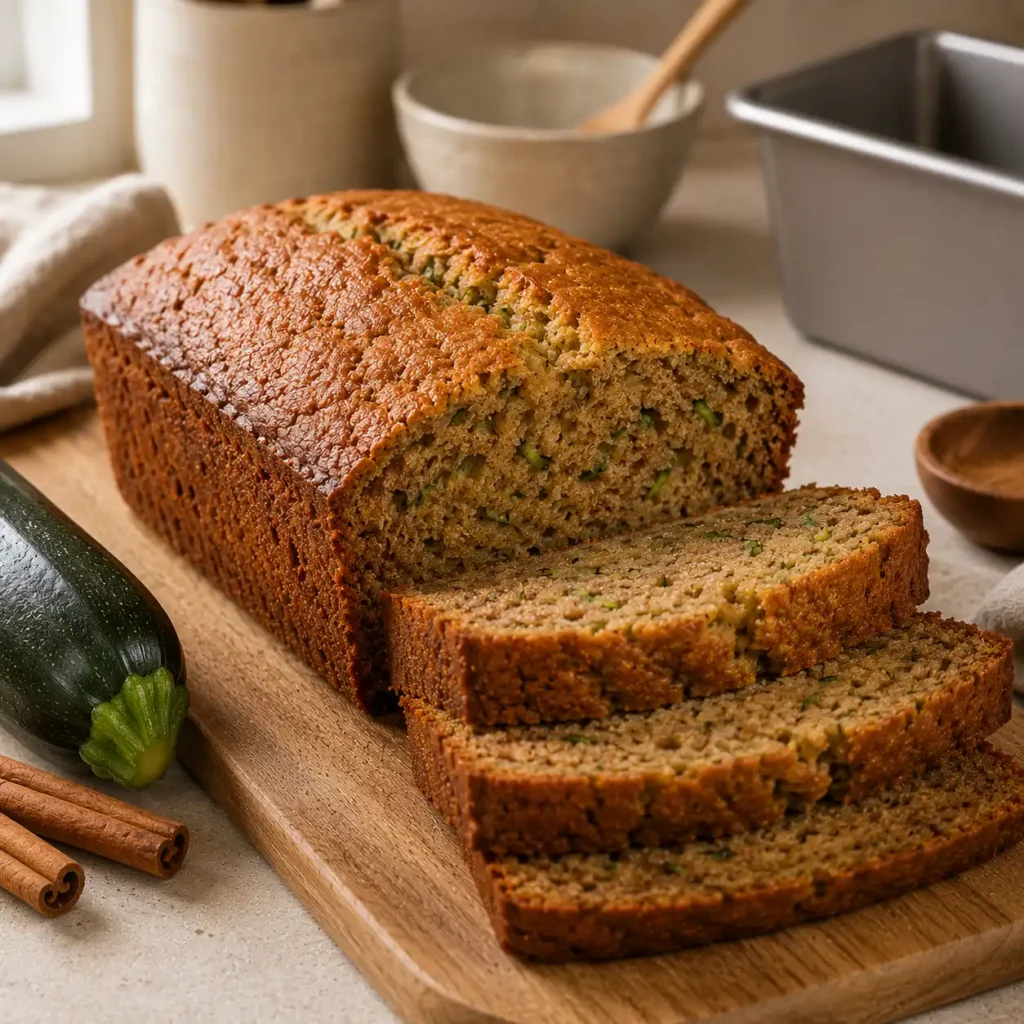
Zucchini recipes are the backbone of versatile home cooking. This summer squash is a garden favorite because it grows quickly and offers a mild flavor that fits into almost any dish. Whether you want a low-carb pasta alternative or a moist chocolate cake, zucchini provides the perfect base. In this guide, we look at the best ways to prepare this vegetable, offering expert tips to prevent sogginess and maximize flavor. Discover how these zucchini recipes can transform your meal planning and help you use your garden harvest effectively.
Table of Contents
Why Zucchini Recipes Are Kitchen Staples
Nutritional Value and Versatility
One reason many home cooks rely on zucchini recipes is the nutritional profile of the vegetable itself. It is low in calories but high in essential vitamins like Vitamin C and B6. Because the flavor is so neutral, it can be hidden in recipes to add bulk without changing the taste. According to the Wikipedia entry for zucchini, this summer squash is botanically a fruit but is treated as a vegetable in culinary contexts. This flexibility allows it to cross the line between savory dinners and sweet desserts with ease.
Ease of Preparation
Most zucchini recipes require very little prep time. You do not need to peel the skin, which contains much of the fiber and antioxidants. Simply washing and slicing is enough for most stir-fries or roasted dishes. For those looking for quick weeknight meals, zucchini cooks in minutes. It can be eaten raw in salads, lightly sautéed, or baked into hearty casseroles. This speed makes it a favorite for busy families who want to maintain a healthy diet without spending hours in the kitchen every evening.
Print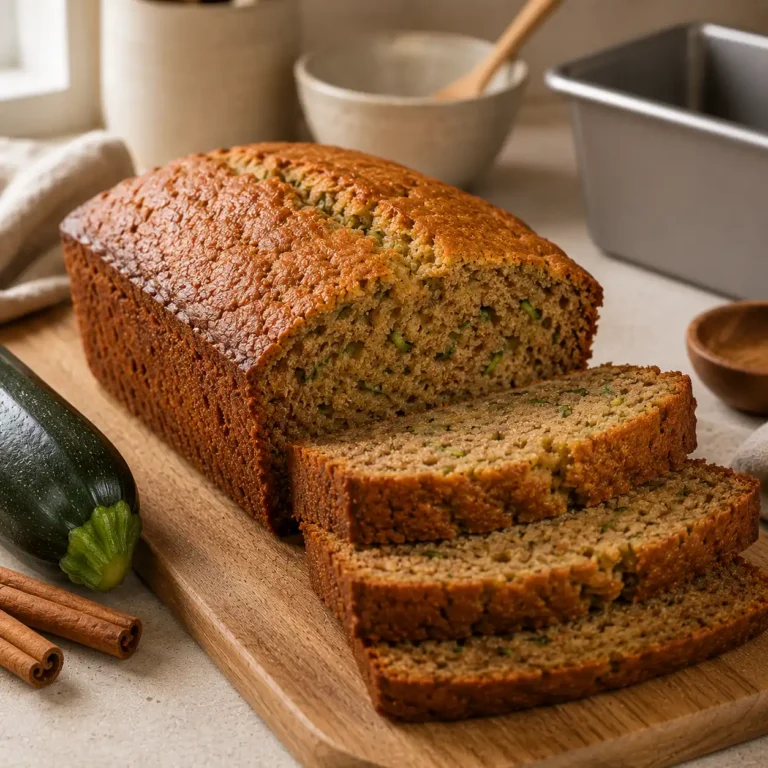
The Ultimate Savory Sautéed Garlic Zucchini
A flavorful and healthy way to prepare garden-fresh zucchini, featuring garlic, parmesan, and a hint of lemon to prevent sogginess and maximize taste.
- Total Time: 20 minutes
- Yield: 4 servings 1x
Ingredients
- 2 medium zucchinis, sliced into 1/4-inch rounds
- 2 tablespoons extra virgin olive oil
- 3 cloves garlic, finely minced
- 1/4 cup grated parmesan cheese
- 1/2 teaspoon sea salt
- 1/4 teaspoon freshly ground black pepper
- 1/2 teaspoon dried oregano
- 1 tablespoon fresh lemon juice
- 1 tablespoon fresh parsley, chopped
Instructions
- Step 1: Prep Vegetables – Wash and slice the zucchini into even rounds, then pat dry with a paper towel to remove excess moisture.
- Step 2: Heat Skillet – Place a large pan over medium-high heat and add the olive oil, swirling to coat the surface.
- Step 3: Sauté Garlic – Add the minced garlic to the hot oil and stir for 30 seconds until fragrant but not browned.
- Step 4: Sear Zucchini – Arrange zucchini slices in the pan in a single layer to ensure even browning and prevent steaming.
- Step 5: Add Seasoning – Sprinkle the salt, black pepper, and dried oregano over the zucchini rounds.
- Step 6: Cook Until Tender – Sauté for 3 to 4 minutes per side until golden brown and just tender.
- Step 7: Brighten Flavor – Drizzle the lemon juice over the cooked zucchini and toss gently to combine.
- Step 8: Garnish and Serve – Remove from heat, top with parmesan cheese and fresh parsley, and serve immediately.
Notes
To avoid sogginess, do not salt the zucchini until you are ready to cook it, and ensure the pan is hot before adding the squash.
- Prep Time: 10 minutes
- Cook Time: 10 minutes
- Category: Side Dish
- Method: Sauté
- Cuisine: American
- Diet: Vegetarian
Nutrition
- Serving Size: 1 cup
- Calories: 98 kcal
- Sugar: 3.2 g
- Sodium: 340 mg
- Fat: 7.5 g
- Saturated Fat: 1.8 g
- Unsaturated Fat: 5.4 g
- Trans Fat: 0.01 g
- Carbohydrates: 5.5 g
- Fiber: 1.6 g
- Protein: 3.4 g
- Cholesterol: 5 mg
Keywords: zucchini, healthy, low carb, summer squash, garlic, easy side dish
Savory Zucchini Recipes for Main Dishes
Low-Carb Zucchini Noodle Pasta
Zucchini noodles, often called “zoodles,” are a cornerstone of modern low-carb zucchini recipes. By using a spiralizer or a vegetable peeler, you can create long strands that mimic spaghetti. To make certain they do not become watery, sauté them for only two to three minutes over high heat. Avoid salting them while they are in the pan, as salt draws out moisture immediately. Instead, season them just before serving. These noodles pair perfectly with a hearty tomato sauce or a creamy pesto, providing a satisfying “pasta” experience without the heavy starch.
Hearty Stuffed Zucchini Boats
Stuffed zucchini recipes are a great way to create a full meal in one dish. You simply slice the squash in half lengthwise, scoop out the seeds, and fill the cavity with a mixture of ground beef, turkey, or quinoa. Mix the filling with garlic, onions, and herbs for a deep flavor profile. Top the boats with a layer of mozzarella or parmesan cheese and bake until the squash is tender. This method keeps the meat moist and allows the zucchini to absorb the savory juices from the filling, making every bite flavorful and nutritious.
Zucchini Frittatas and Breakfast Options
Starting your day with vegetables is easy with the right zucchini recipes. Grated zucchini can be folded into egg dishes to add texture and moisture. If you enjoy high-protein breakfasts like scrambled eggs with cottage cheese, adding shredded zucchini to the pan is a smart way to sneak in greens. The mild squash disappears into the eggs, making it a favorite even for picky eaters. For a more formal brunch, a zucchini and feta frittata provides a sophisticated yet simple option that looks beautiful on the table.
Zucchini Recipes for Sides and Snacks
Crispy Zucchini Fries and Chips
If you are looking for a healthier alternative to potato chips, zucchini recipes for snacks are the answer. Slice the zucchini into thin rounds or wedges, coat them in breadcrumbs and parmesan, and bake or air fry until golden. The key to crunchiness is high heat and plenty of space between the pieces. These crispy snacks are even better when paired with a creamy cottage cheese ranch dip, which provides extra protein and a cooling contrast to the warm, seasoned fries. It is a guilt-free way to satisfy a craving for something crunchy.
Pan-Seared Zucchini Fritters
Fritters are perhaps the most popular of all side-dish zucchini recipes. They involve mixing grated squash with flour, eggs, and herbs like dill or chives. After forming small patties, you sear them in a pan with a little olive oil until they are crispy on the outside and tender on the inside. To prevent the fritters from being soggy, you must squeeze the water out of the grated zucchini using a kitchen towel before mixing it with the other ingredients. This simple step makes the difference between a mushy patty and a perfect, golden fritter.
The Art of Baking with Zucchini
Moist Zucchini Bread and Muffins
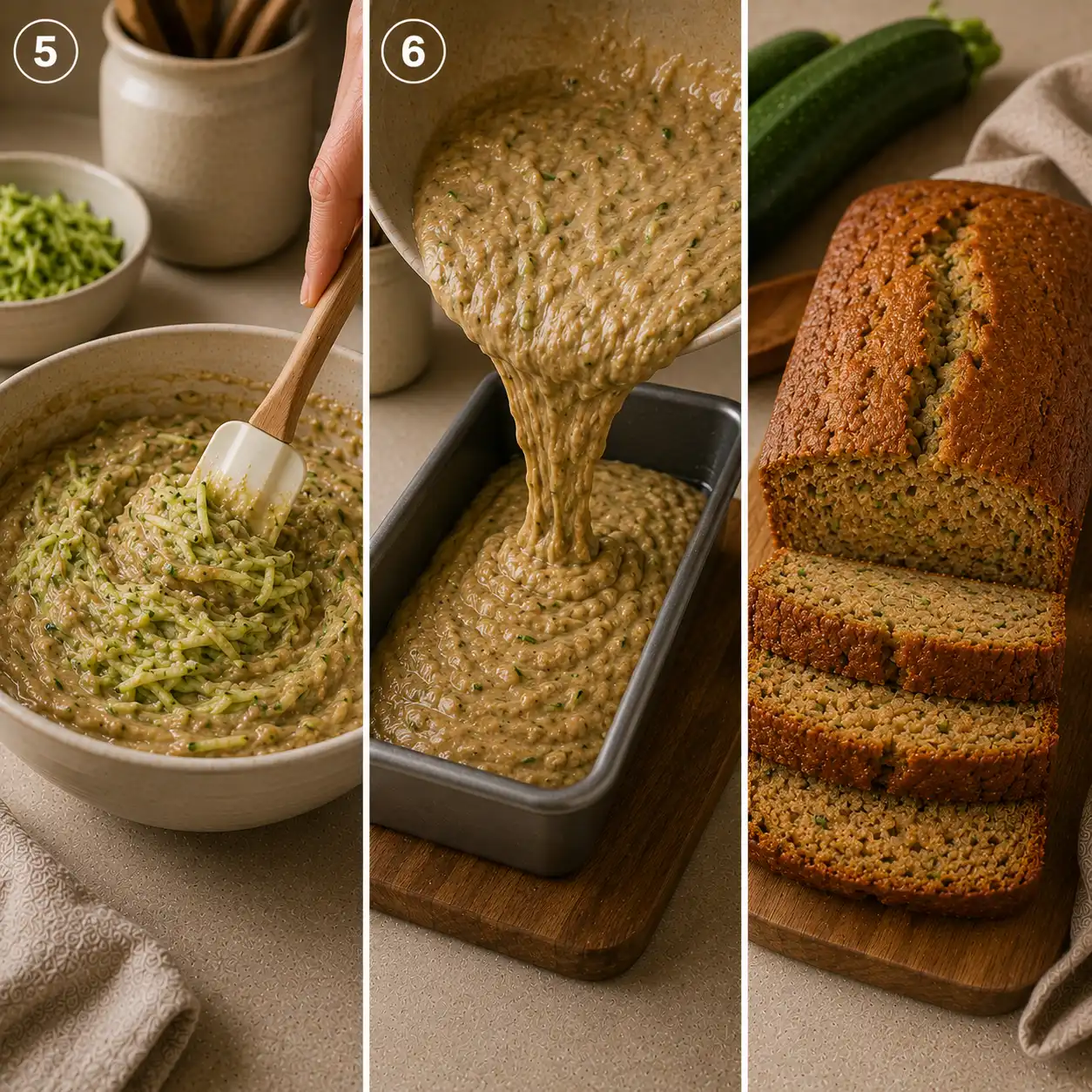
Baking is where zucchini recipes truly shine in an unexpected way. The high water content of the squash keeps cakes and breads incredibly moist without the need for excessive oil or butter. Much like making healthy oatmeal chocolate chip cookies, using zucchini in your bakes allows you to use whole ingredients to create a satisfying treat. You can add walnuts, chocolate chips, or cinnamon to customize the flavor. Most people will never guess there is a green vegetable hidden inside their slice of morning bread.
Step-by-Step Guide to Classic Zucchini Bread
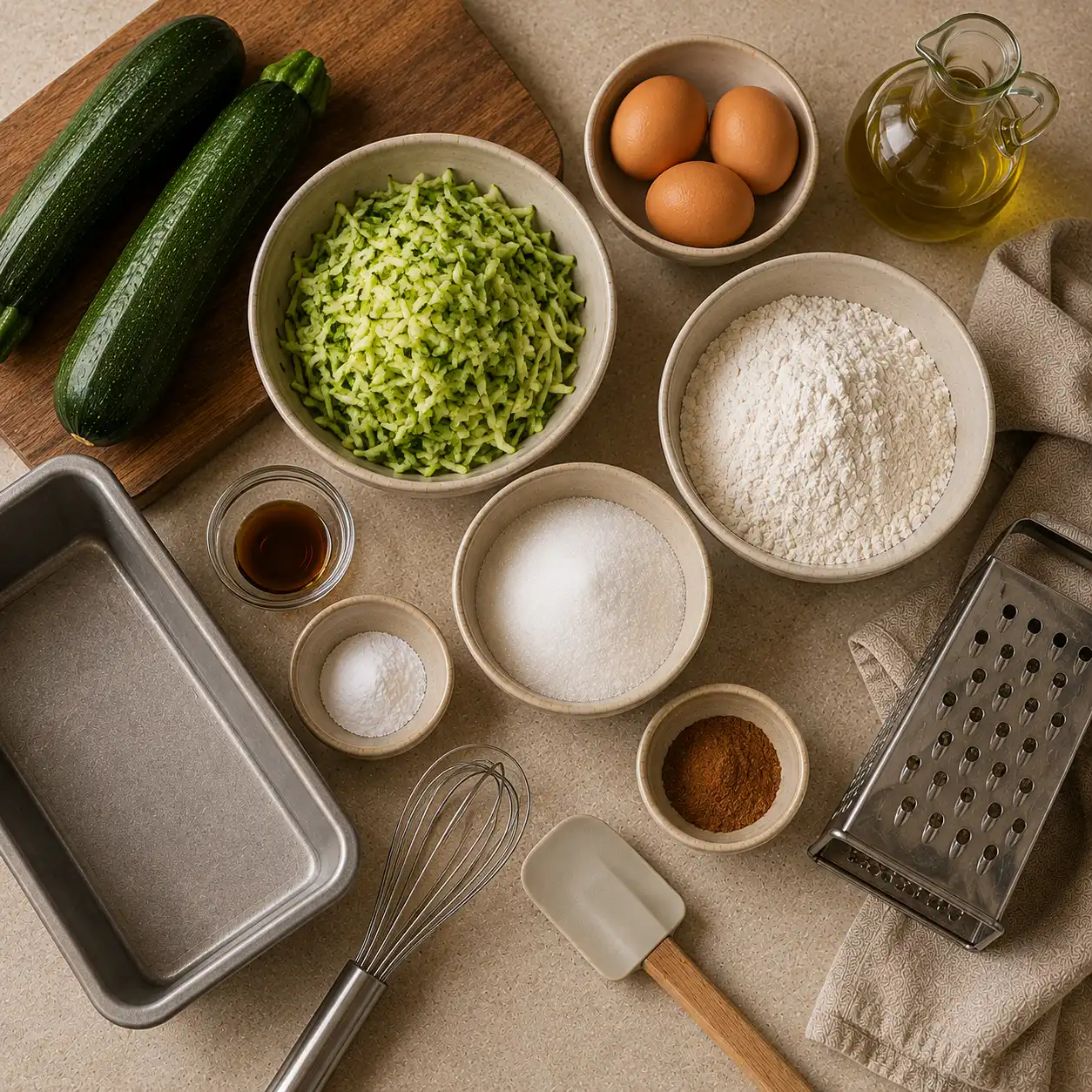
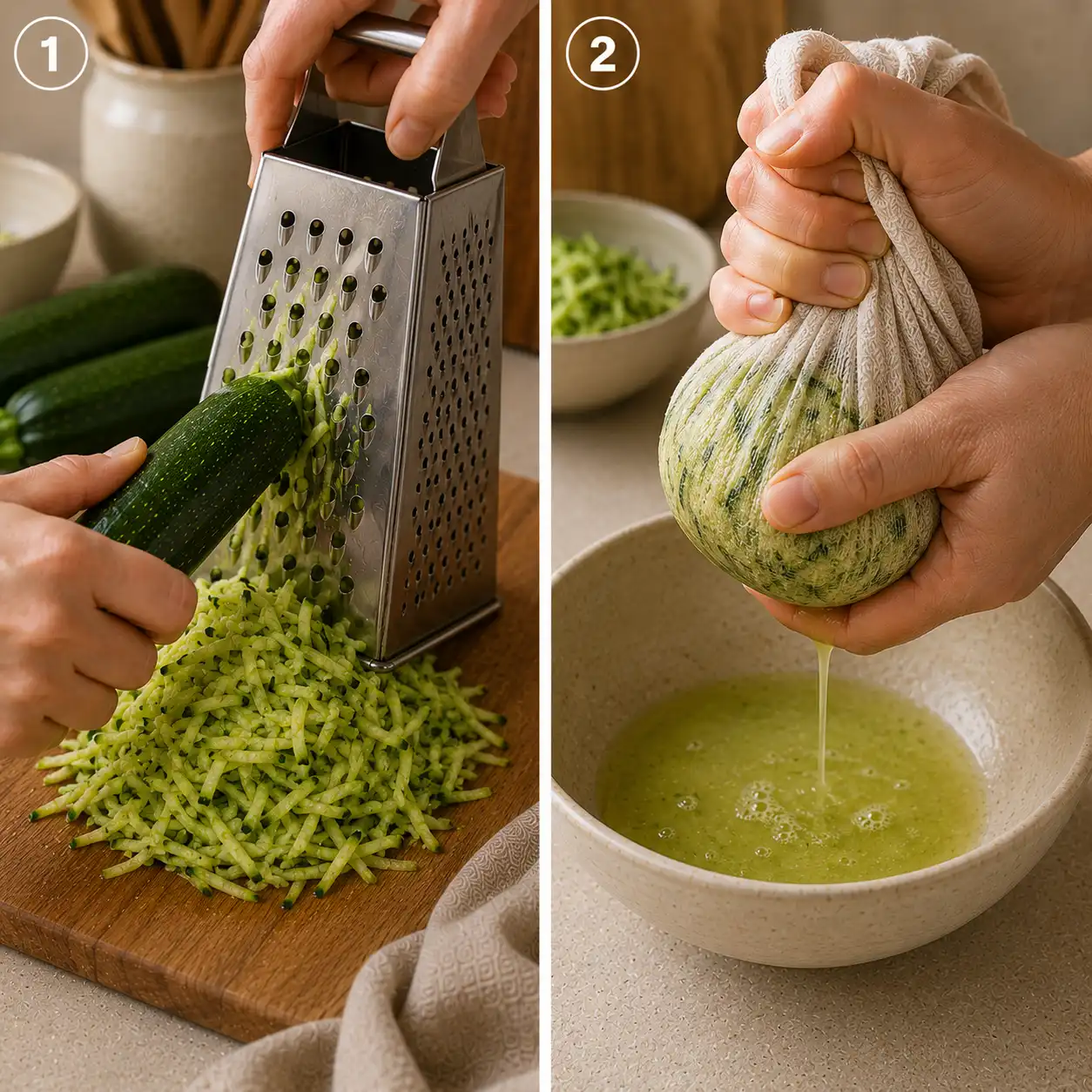
- Step 1: Prep the Squash – Wash two medium zucchinis and grate them using a box grater, keeping the skin on for color and nutrients.
- Step 2: Remove Excess Water – Place the grated squash in a clean kitchen towel and squeeze firmly to remove as much liquid as possible.
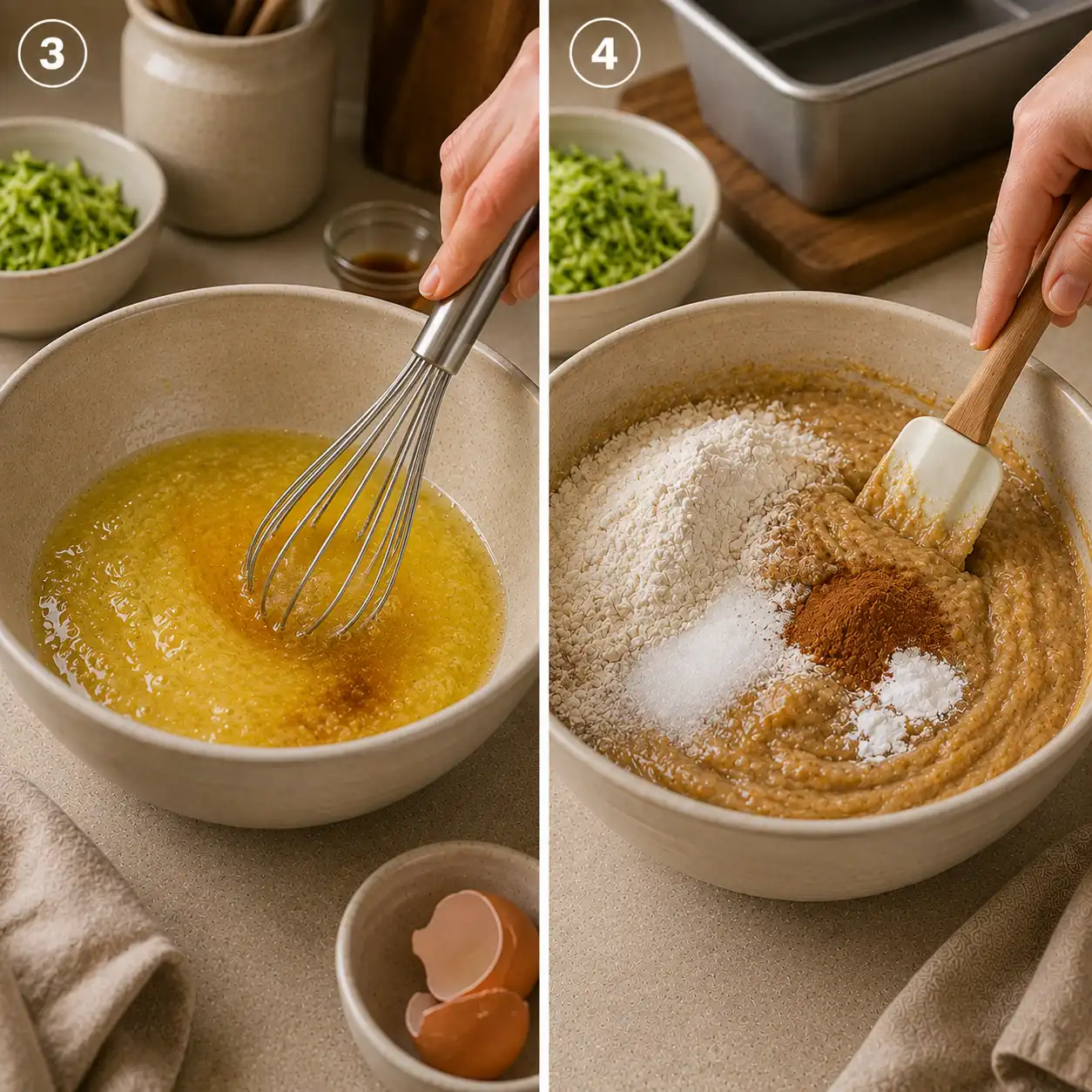
- Step 3: Mix Wet Ingredients – In a large bowl, whisk together two eggs, a half cup of oil, and a teaspoon of vanilla extract.
- Step 4: Combine Dry Ingredients – Stir in one and a half cups of flour, a half cup of sugar, a teaspoon of baking soda, and a tablespoon of cinnamon.
- Step 5: Fold and Bake – Gently fold the zucchini into the batter, pour into a greased loaf pan, and bake at 350 degrees for 50 to 60 minutes.
Health Benefits of Integrating Zucchini Recipes
Weight Management and Digestion
Adding zucchini recipes to your weekly rotation can significantly help with weight management. Zucchini is very low in calories but provides a high volume of food, which helps you feel full. Since it is one of the top high fiber foods for weight loss, integrating it into your meals supports healthy digestion and steady blood sugar levels. The fiber found in the skin helps move food through the digestive tract, while the water content keeps you hydrated. It is a powerhouse ingredient for anyone focused on a clean, nutrient-dense diet.
Hydration and Skin Health
Because zucchini is over 90% water, eating it contributes to your daily fluid intake. This is particularly beneficial during the hot summer months when the squash is in peak season. Hydration is vital for maintaining skin elasticity and flushing toxins from the body. Many zucchini recipes use raw or lightly cooked squash, which preserves these hydrating properties. Incorporating more of these dishes into your life is a simple way to support your body’s natural processes while enjoying delicious, garden-fresh flavors.
Cooking Methods for Zucchini Recipes
The way you cook zucchini completely changes its texture and flavor. Because it has such high water content, choosing the right method for your specific zucchini recipes is essential for success. Roasting brings out the natural sugars, while steaming keeps it light and fresh. Below is a comparison of common cooking methods to help you decide which is best for your next meal.
| Cooking Method | Best Result | Typical Cook Time | Expert Tip |
|---|---|---|---|
| Sautéing | Tender-crisp | 3 5 minutes | Use high heat and don’t crowd the pan. |
| Roasting | Caramelized flavor | 15 20 minutes | Cut into thick chunks to prevent mushiness. |
| Grilling | Smoky finish | 4 6 minutes | Brush with oil and use a grill basket. |
| Baking | Moist texture | 45 60 minutes | Always squeeze out moisture for breads. |
| Air Frying | Extra crunchy | 10 12 minutes | Lightly coat with cornstarch for more crunch. |
Managing Moisture in Zucchini Recipes
The Salting Technique
The most common complaint about zucchini recipes is that they turn out too watery. To solve this, experts use a technique called “degorging.” This involves sprinkling salt over sliced or grated zucchini and letting it sit for about 10 to 15 minutes. The salt draws the water to the surface through osmosis. After the time has passed, rinse the salt off (if using slices) and pat dry with a paper towel. For grated zucchini, simply squeeze it in a cloth. This makes the squash firmer and prevents it from thinning out your sauces or making your crusts soggy.
Choosing the Right Size
When selecting squash for your zucchini recipes, size matters. Smaller zucchinis (about 6 to 8 inches long) are sweeter and have fewer seeds. They are ideal for raw salads, sautéing, and zoodles. Larger zucchinis, often called “marrow” in some regions, have a tougher skin and larger seeds. These are better suited for grating into breads or stuffing, as the thicker walls hold their shape better during long baking times. Knowing which size to use will improve the final outcome of your dish significantly.
Conclusion
Mastering zucchini recipes allows you to make the most of this prolific summer vegetable. From savory main courses to delightful baked goods, the possibilities are nearly endless. By understanding how to manage moisture and choosing the right cooking method, you can transform a simple squash into a culinary masterpiece. Whether you are focused on health or simply want a delicious meal, these zucchini recipes offer the perfect balance of nutrition and flavor for any occasion.
FAQs
How do I stop my zucchini from getting soggy?
To prevent sogginess in zucchini recipes, always cook over high heat for a short duration. If you are baking or making fritters, grate the zucchini and squeeze out the excess water using a clean kitchen towel. Salting the zucchini beforehand and letting it drain also helps remove the moisture that causes a mushy texture.
Can I freeze zucchini for later use?
Yes, you can freeze zucchini, but the texture will change. It is best to blanch slices in boiling water for one minute, then cool them in ice water before freezing. Alternatively, you can grate the zucchini and freeze it in measured portions. Frozen zucchini is best used in cooked dishes like soups, stews, or zucchini bread rather than raw applications.
Do I need to peel the zucchini?
In most zucchini recipes, there is no need to peel the squash. The skin is thin, edible, and contains many of the vegetable’s nutrients. However, if you are using a very large, overgrown zucchini, the skin can sometimes be bitter or tough. In those specific cases, peeling may improve the texture of your dish.
Can I eat zucchini raw?
Absolutely. Raw zucchini is excellent when thinly sliced in salads or used as a base for cold “pasta” dishes. It has a mild, slightly nutty flavor and a satisfying crunch when fresh. It is often used in carpaccio-style appetizers with a bit of lemon juice, olive oil, and shaved cheese.


1 thought on “The Ultimate Guide to Zucchini Recipes: Simple, Healthy & Delicious Ideas”