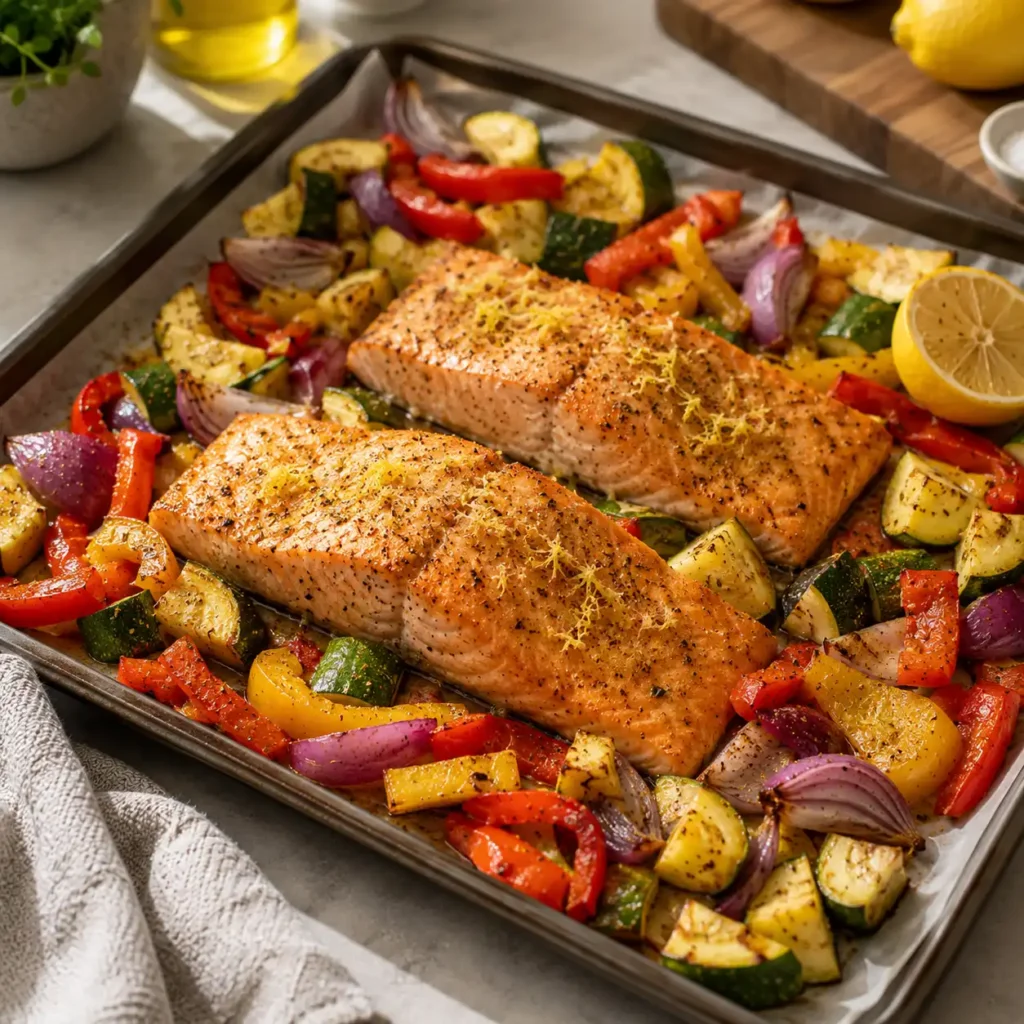
I remember waking up last Tuesday feeling like my joints were made of rusted clockwork. My fingers were stiff, and a dull ache settled in my knees before I even touched the floor. Instead of reaching for a bottle of pills, I went straight to the kitchen to simmer a pot of ginger and turmeric. It was a simple reminder that the food we choose to put on our plates can act as a natural way to soothe the body from the inside out.
Table of Contents
Understanding the Power of Anti Inflammatory Recipes
When people talk about chronic swelling or joint pain, they are often looking for ways to calm their system down. Anti inflammatory recipes are not just a trend; they are a way of choosing ingredients that block the pathways that cause discomfort. By focusing on whole, unprocessed foods, you can help your body recover from the daily stress that leads to redness and aches. These meals prioritize things like colorful vegetables, healthy fats, and lean proteins while skipping the refined sugars that often trigger a flare-up.
The Science Behind What We Eat
The core idea of the anti-inflammatory diet is to reduce the intake of substances that the body views as “attacks.” When we eat too much processed sugar or refined flour, our immune system can overreact, leading to a state of constant high alert. Anti inflammatory recipes focus on antioxidants and phytonutrients that neutralize free radicals. This shift helps the body return to a state of balance. It is less about restriction and more about filling your kitchen with life-giving ingredients that keep your heart and joints happy for years to come.
Why Fresh Ingredients Matter
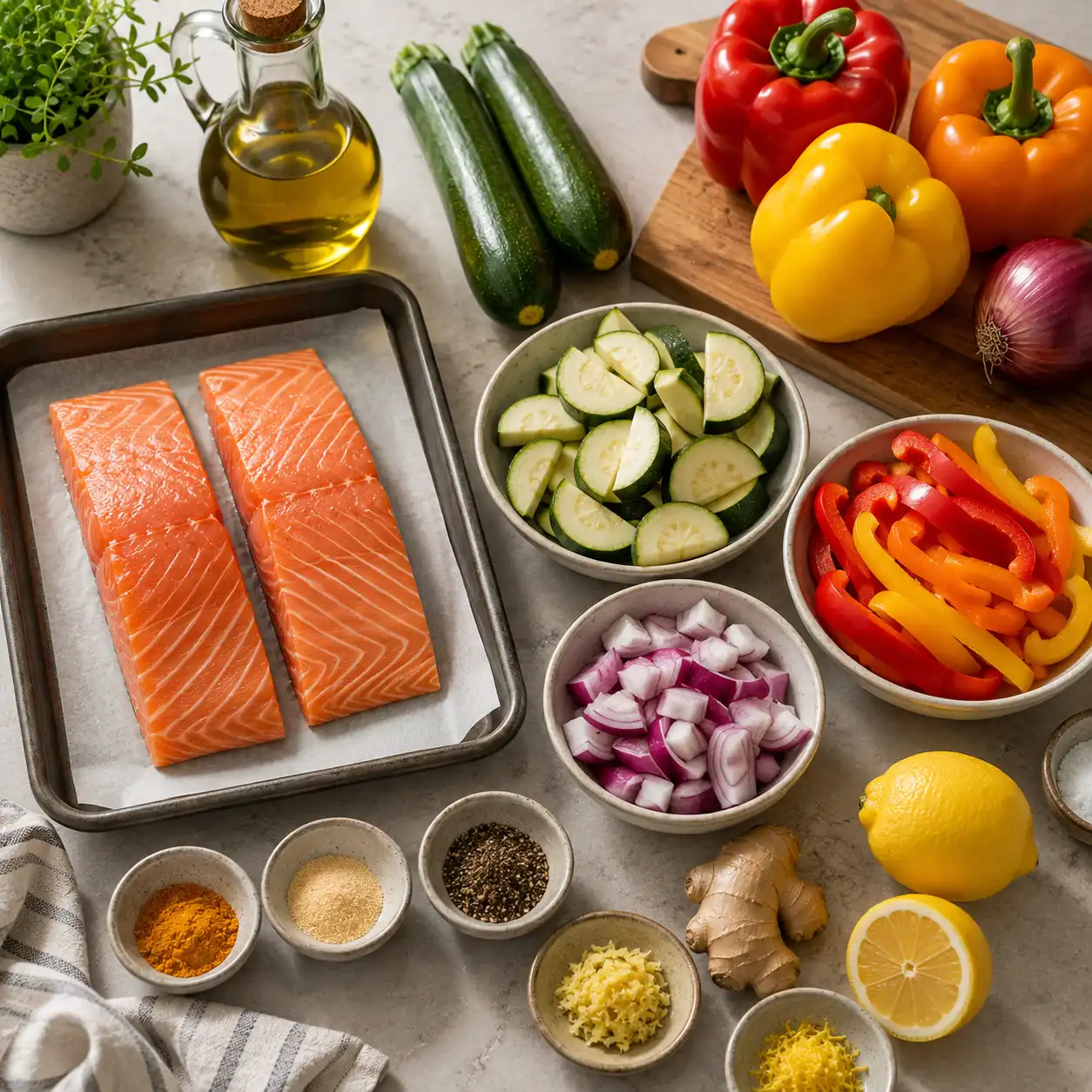
Using fresh produce is one of the most important parts of making anti inflammatory recipes work for you. Wilted greens or canned goods with heavy preservatives can sometimes harbor additives that work against your goals. When you choose fresh spinach, vibrant berries, or crisp peppers, you are getting the highest concentration of vitamins possible. These nutrients act as the building blocks for a healthy immune response. Making a habit of shopping the perimeter of the grocery store is the first step in mastering these healing meals.
Print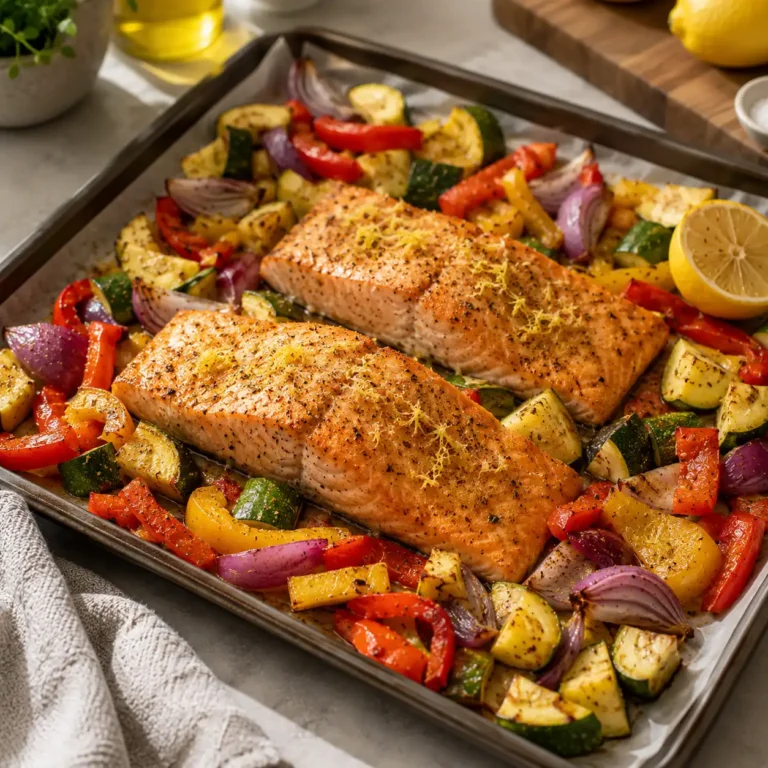
Golden Ginger and Turmeric Soothing Tea
A natural and warming anti-inflammatory tonic designed to soothe joint pain and reduce internal swelling using fresh, whole ingredients.
- Total Time: 25 minutes
- Yield: 2 servings 1x
Ingredients
- 2 inches fresh ginger root, thinly sliced
- 1 inch fresh turmeric root, thinly sliced
- 4 cups filtered water
- 1/4 teaspoon black peppercorns
- 1 tablespoon raw honey
- 1/2 lemon, juiced
- 1 cinnamon stick
Instructions
- Step 1: Prepare Roots – Thoroughly wash and slice the ginger and turmeric into thin rounds to expose the surface area.
- Step 2: Combine Ingredients – Add the sliced roots, peppercorns, and cinnamon stick to a medium saucepan with the water.
- Step 3: Simmer Mixture – Bring the water to a gentle boil, then reduce heat and simmer for 15 to 20 minutes.
- Step 4: Strain Tea – Carefully pour the tea through a fine-mesh strainer into mugs to remove the solids.
- Step 5: Final Seasoning – Stir in the fresh lemon juice and honey to taste and serve while hot.
Notes
Black pepper is included to significantly increase the bioavailability of curcumin, the active anti-inflammatory compound in turmeric.
- Prep Time: 5 minutes
- Cook Time: 20 minutes
- Category: Beverage
- Method: Simmering
- Cuisine: Healthy
- Diet: Gluten-Free
Nutrition
- Serving Size: 16 ounces
- Calories: 45 kcal
- Sugar: 9g
- Sodium: 15mg
- Fat: 0.3g
- Saturated Fat: 0.1g
- Unsaturated Fat: 0.1g
- Trans Fat: 0.01g
- Carbohydrates: 12g
- Fiber: 1.2g
- Protein: 0.8g
- Cholesterol: 1mg
Keywords: anti-inflammatory, joint pain relief, turmeric tea, ginger tonic, natural health
Essential Pantry Staples for Anti Inflammatory Recipes
To make consistent progress, you need a kitchen stocked with the right tools. Anti inflammatory recipes often rely on a few “superstars” that do most of the heavy lifting. Olive oil is a must-have for its healthy fats, while spices like ginger, turmeric, and garlic provide both flavor and medicinal benefits. Having these on hand means you can turn a basic chicken breast or a bowl of beans into a powerhouse meal in minutes without having to run to the store every single time you feel a flare-up coming on.
The Magic of Spices and Herbs
Spices are the secret weapon of any good cook, but in anti inflammatory recipes, they are even more critical. Turmeric contains curcumin, a compound that has been studied for its ability to lower pain levels similarly to over-the-counter meds. Black pepper is often added alongside it to help the body absorb it better. Ginger is another favorite, known for helping with digestion and reducing muscle soreness. Even fresh herbs like parsley and cilantro add a burst of vitamins that help the body detoxify and stay cool and calm.
Choosing the Right Fats
Not all fats are created equal when you are following anti inflammatory recipes. You want to look for Omega-3 fatty acids, which are found in abundance in walnuts, flaxseeds, and chia seeds. These fats help lubricate the joints and support brain health. On the other hand, you should stay away from vegetable oils like corn or soy oil, which are high in Omega-6 and can actually cause more swelling if eaten in large amounts. Keeping a bottle of extra virgin olive oil and a bag of raw nuts in your pantry will make your transition to this lifestyle much easier.
Starting Your Day with Anti Inflammatory Recipes
Breakfast sets the tone for your entire day. If you start with a sugary pastry, you might feel sluggish and achy by noon. Choosing breakfast anti inflammatory recipes helps keep your blood sugar stable and your energy high. A bowl of steel-cut oats topped with walnuts and blueberries is a classic choice. The fiber in the oats helps move toxins out of your system, while the berries provide a massive dose of antioxidants to fight off cell damage before you even leave the house.
Morning Smoothies and Juices
For those who are always on the go, a quick drink can be a lifesaver. Preparing a pineapple ginger anti-inflammatory drink is a fantastic way to get your nutrients in early. Pineapple contains bromelain, an enzyme that specifically targets swelling in the body. When paired with the heat of fresh ginger, it creates a refreshing tonic that wakes up your digestive system. It is much better than a cup of black coffee on an empty stomach, which can sometimes irritate a sensitive gut.
The Role of Fiber and Fruit
Fiber is often the unsung hero of a healthy diet. It keeps things moving through your digestive tract, which prevents the buildup of waste that can cause systemic issues. When you look for the best fruit for weight loss and health, you often find options like apples and berries that are packed with pectin and fiber. Including these in your morning routine helps you feel full longer and provides the steady stream of vitamins needed to keep inflammation at bay throughout your busy afternoon.
Lunch and Dinner Anti Inflammatory Recipes
Midday and evening meals are where you can really get creative with proteins and vegetables. Anti inflammatory recipes for lunch often feature large salads with a variety of textures. Think of a base of kale or arugula topped with grilled wild-caught salmon or chickpeas. For dinner, roasted vegetables take center stage. You can roast a tray of broccoli, carrots, and sweet potatoes with a drizzle of olive oil and a sprinkle of sea salt to create a filling, warm meal that doesn’t leave you feeling bloated or heavy.
Using Versatile Vegetables
Vegetables are the foundation of any healing diet. Many people find that swapping out heavy grains for lighter options makes a huge difference in how they feel. For example, many versatile zucchini recipes allow you to enjoy the texture of noodles without the inflammatory gluten found in traditional pasta. Zucchini is low in calories but high in potassium and vitamin C, making it a perfect addition to a stir-fry or a light soup. It takes on the flavor of whatever spices you use, making it a favorite for many home cooks.
Rice Alternatives for Better Digestion
Traditional white rice can sometimes cause a spike in blood sugar, which triggers an immune response in some people. If you are looking for a grain-free alternative, you might wonder is cauliflower rice good for you when trying to lower internal heat. The answer is a resounding yes. Cauliflower is a cruciferous vegetable, meaning it contains compounds that help the liver process toxins. Using it as a base for your favorite stir-fry or curry allows you to eat a large volume of food while keeping your carbohydrate intake low and your nutrient density high.
Table: Key Ingredients for Anti Inflammatory Recipes
The following table summarizes some of the best foods to include in your weekly meal plan to help reduce discomfort and improve your overall well-being.
| Food Group | Top Choices | Benefit |
|---|---|---|
| Proteins | Salmon, Mackerel, Lentils, Beans | High in Omega-3s and plant-based fiber. |
| Vegetables | Spinach, Kale, Broccoli, Zucchini | Full of vitamins and antioxidants. |
| Fruits | Blueberries, Strawberries, Pineapple | Neutralize free radicals and reduce swelling. |
| Healthy Fats | Olive Oil, Avocado, Walnuts | Support joint health and brain function. |
| Spices | Turmeric, Ginger, Garlic, Cinnamon | Natural compounds that block pain pathways. |
How to Prepare Your Own Anti Inflammatory Recipes
Building a meal from scratch can feel overwhelming if you are used to takeout, but it is actually quite simple once you get the hang of it. The key is to keep things balanced. You want a protein, a healthy fat, and a massive portion of vegetables. If you follow these steps, you can create endless variations of anti inflammatory recipes that taste delicious and make you feel like a completely different person after just a few weeks of consistent effort.
A Simple Roasted Salmon and Veggie Sheet Pan
- Step 1: Preheat the Oven – Set your oven to 400 degrees Fahrenheit to ensure a nice roast on your vegetables.
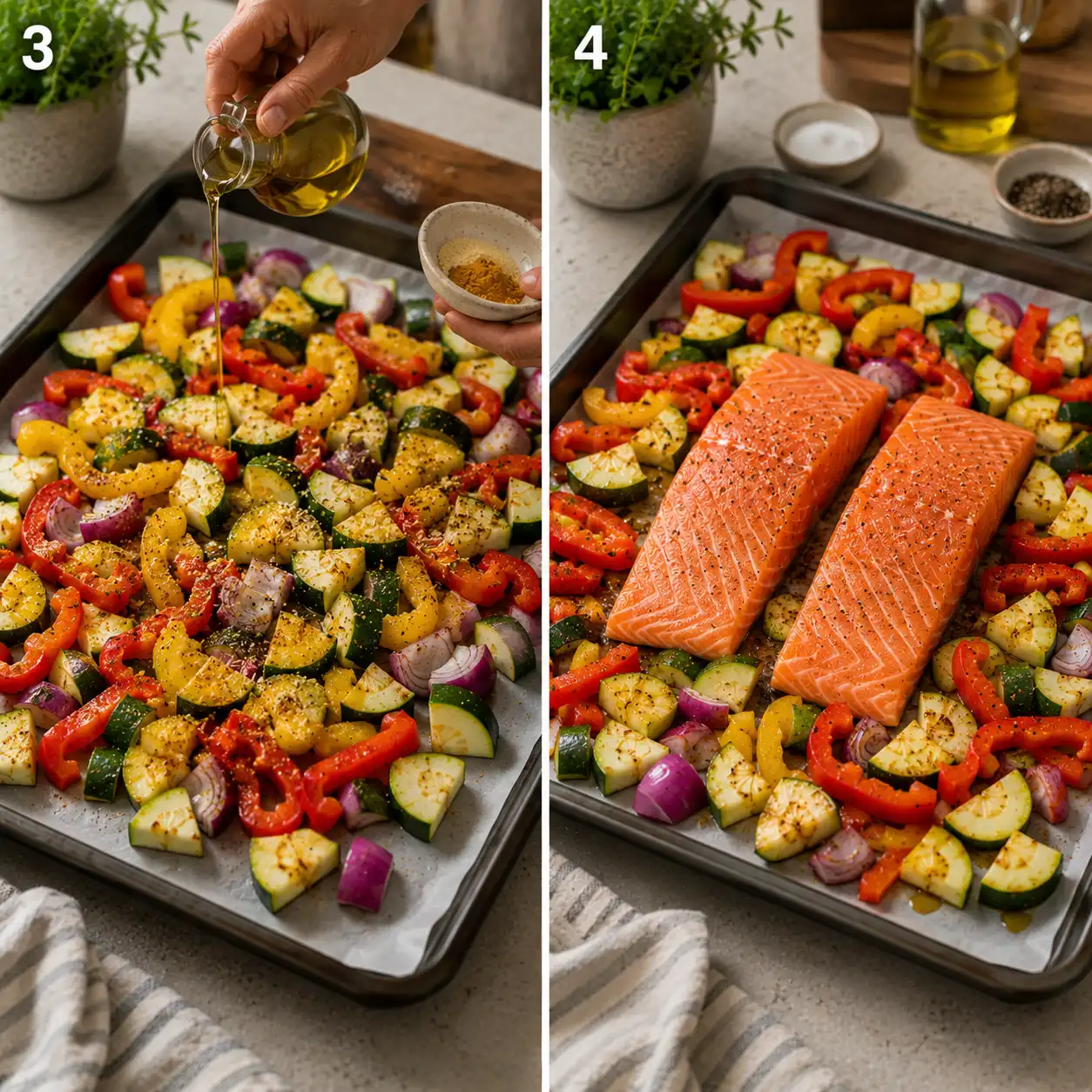
- Step 2: Prepare the Vegetables – Chop zucchini, bell peppers, and red onions into bite-sized pieces and place them on a large baking sheet.
- Step 3: Season the Mix – Drizzle the veggies with extra virgin olive oil and sprinkle with turmeric, garlic powder, and a pinch of black pepper.
- Step 4: Add the Protein – Place two wild-caught salmon fillets in the center of the pan, nesting them among the vegetables.
- Step 5: Final Seasoning – Rub the salmon with a bit of ginger and lemon zest for a bright, anti-inflammatory kick.
- Step 6: Bake the Meal – Slide the pan into the oven for 15 to 20 minutes until the salmon flakes easily with a fork and the veggies are tender.
Creating a Hearty Bean and Kale Soup
- Step 1: Sauté the Aromatics – In a large pot, cook diced onions, garlic, and celery in a splash of olive oil until they are soft.
- Step 2: Spice it Up – Add a tablespoon of grated fresh ginger and a teaspoon of turmeric to the pot, stirring for one minute.
- Step 3: Add the Base – Pour in four cups of low-sodium vegetable broth and two cans of rinsed cannellini beans.
- Step 4: Simmer the Soup – Bring the mixture to a boil, then turn down the heat and let it simmer for about 10 minutes to meld the flavors.
- Step 5: Incorporate the Greens – Stir in three cups of chopped kale or spinach and let them wilt in the hot broth for two minutes.
- Step 6: Serve and Enjoy – Ladle the soup into bowls and finish with a squeeze of fresh lemon juice to help your body absorb the iron from the greens.


Avoiding Common Triggers
While adding good things to your diet is important, it is equally vital to remove the things that cause damage. Many people find that dairy, gluten, and highly processed meats are the main culprits behind their discomfort. By focusing on anti inflammatory recipes that use whole plant foods and lean proteins like chicken or fish, you avoid the saturated fats and chemical additives found in things like lunch meats or heavy cheeses. It is about clearing out the “noise” so your body can finally hear its own healing signals.
Steering Clear of Processed Sugars
Sugar is perhaps the biggest trigger for systemic issues in the modern diet. It causes a rapid rise in insulin, which then kicks off a cascade of reactions that lead to redness and pain. When you are looking at anti inflammatory recipes, you will notice they often use natural sweeteners like a small bit of honey or the natural sweetness of fruit. By avoiding soda, candy, and white bread, you give your body a chance to calm down. You will likely notice that your energy levels become much more stable throughout the day once the sugar crashes stop.
The Importance of Hydration
Water is the medium through which your body flushes out waste. If you are dehydrated, your joints don’t have the lubrication they need, and your blood becomes thicker, making it harder for nutrients to reach your cells. Drinking plenty of plain water, or water infused with lemon and cucumber, is a great supplement to your anti inflammatory recipes. It helps keep your skin clear and your digestion on track. Try to carry a reusable bottle with you and aim for steady sips all day long rather than gulping down a bunch of water all at once.
Long-Term Benefits of This Lifestyle
Switching to anti inflammatory recipes isn’t a “quick fix” that you do for a week and then stop. It is a long-term shift in how you view fuel for your body. Over time, many people report that they sleep better, their skin looks more radiant, and they have fewer “brain fog” moments in the afternoon. When your internal systems aren’t constantly fighting off the effects of poor food choices, they can focus on repair and maintenance. This leads to a higher quality of life as you age and a much more resilient immune system.
Improved Joint Mobility
One of the first things people notice when they stick to anti inflammatory recipes is that their morning stiffness begins to fade. When the swelling around your joints decreases, you can move more freely. This makes it easier to stay active, which in turn helps keep your weight in check and your muscles strong. It is a positive cycle that starts in the kitchen. Being able to go for a walk or play with your kids without pain is a reward that far outweighs the temporary taste of a processed snack.
Better Heart and Brain Health
The same pathways that cause joint pain are also linked to heart health and cognitive function. By eating foods that are rich in Omega-3s and antioxidants, you are protecting your arteries and your brain cells. Anti inflammatory recipes are naturally heart-healthy because they are low in sodium and high in potassium and healthy fats. Keeping your internal environment “cool” means less stress on your heart and a clearer mind. It is a total body approach to wellness that starts with a single meal choice.
FAQs
What are the best vegetables for anti inflammatory recipes?
Leafy greens like spinach, kale, and Swiss chard are at the top of the list because they are packed with vitamins and minerals. Cruciferous vegetables like broccoli, cauliflower, and Brussels sprouts are also excellent because they help the liver detoxify. Don’t forget about colorful options like beets and carrots, which provide unique antioxidants that help protect your cells from damage.
Can I still eat meat while following these recipes?
Yes, you can certainly eat meat, but the type and quality matter. Focus on fatty fish like salmon or sardines for their Omega-3 content. Lean poultry like chicken and turkey are also great choices. It is best to avoid processed meats and high-fat cuts of red meat, as these can sometimes contain compounds that trigger a negative response in the body.
How long does it take to feel a difference?
While everyone is different, many people start to notice a change in their energy levels and joint comfort within two to three weeks of consistent effort. For some, the digestive benefits are felt almost immediately. The key is to stay consistent and make sure your anti inflammatory recipes are the mainstay of your diet rather than an occasional treat.
Are there any snacks that fit this lifestyle?
Absolutely. Raw nuts and seeds, fresh fruit, and vegetables with hummus are all great snacks. You can also try a small piece of dark chocolate (at least 70% cocoa) for a boost of antioxidants. The goal is to avoid snacks that are high in refined sugar or salt, which can cause you to retain water and feel more uncomfortable.
Conclusion
Embracing anti inflammatory recipes is a journey toward feeling your best every single day. By filling your plate with vibrant colors, healthy fats, and powerful spices, you give your body the tools it needs to stay strong and pain-free. It doesn’t have to be complicated or expensive; it just requires a little bit of planning and a desire to treat yourself with kindness. Start with one meal today, and soon you will find that your body is thanking you with more energy and less discomfort than you have felt in years.
Disclaimer
The content provided on this website is for general informational and educational purposes only. It is not intended to replace professional medical advice, diagnosis, or treatment. I am not a licensed healthcare provider or certified nutrition expert.
Always seek guidance from a qualified medical professional before making any changes to your diet, especially if you have underlying health conditions, allergies, or specific dietary needs. Individual results may vary, and your health and safety should always come first.


1 thought on “Anti Inflammatory Recipes: 2 Amazing Powerful Ways to Better Health”