
I remember pulling a tray of cookies out of the oven once that looked more like thin, brittle crackers than the soft treats I expected. They were flat, strangely brown, and had a suspiciously metallic aftertaste. In my hurry, I had grabbed the box of baking soda and used it as a one-to-one replacement for baking powder. That single mistake changed the entire chemistry of the dough. Understanding the nuances of baking powder vs baking soda is what separates a lucky cook from a consistent baker.
Table of Contents
The Fundamental Chemistry of Leavening
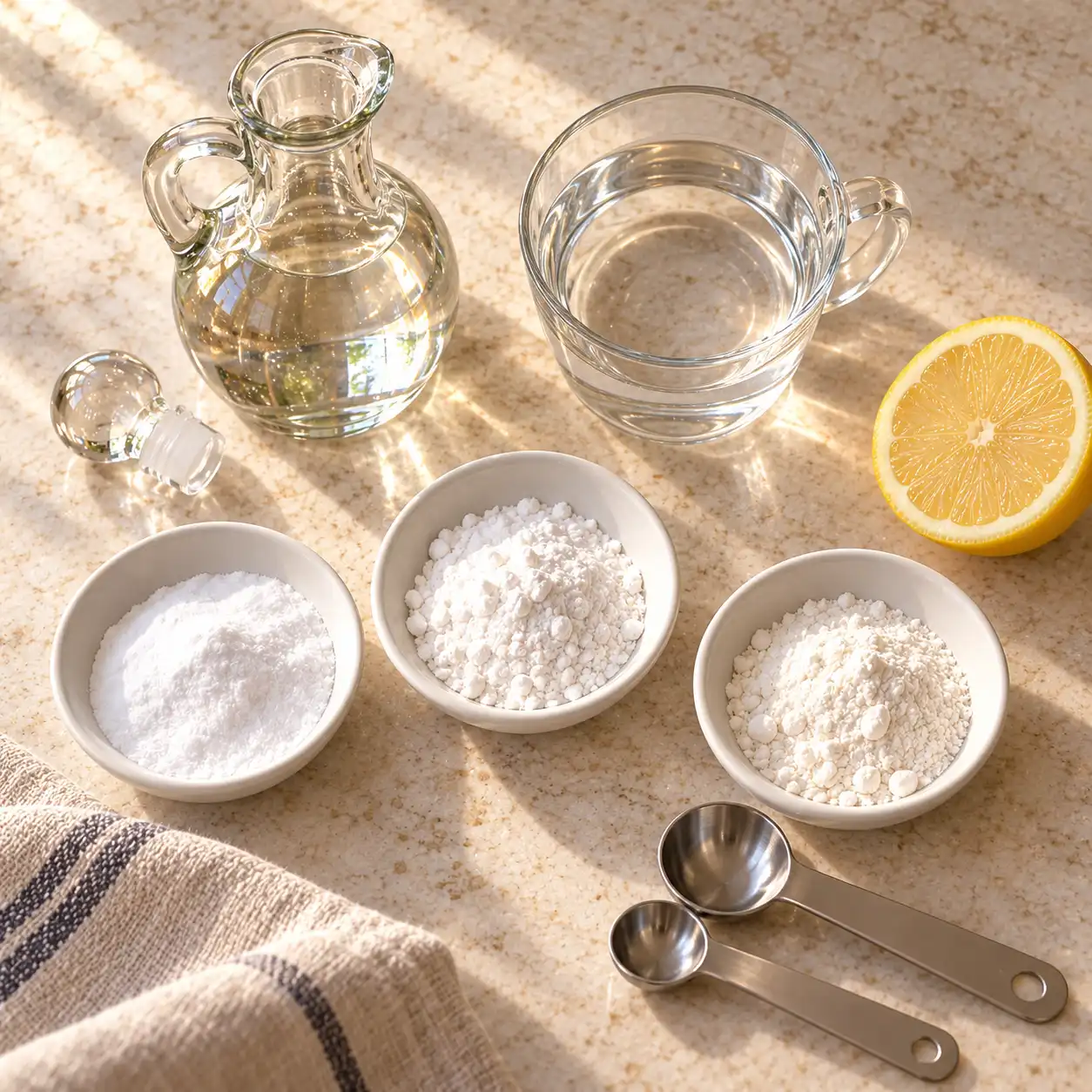
To master the art of the oven, you have to look at these white powders as chemical engines. Both substances are leaveners, meaning they produce carbon dioxide gas that gets trapped in your dough or batter. This gas creates the bubbles that make your cakes rise and your muffins light. However, the way they generate that gas is fundamentally different. Baking soda is a single ingredient, while baking powder is a mixture of several components working in tandem.
What Exactly is Baking Soda?
Baking soda is technically known as sodium bicarbonate. In its pure form, it is a base. For it to create the bubbles necessary for lifting a cake, it needs to react with an acidic ingredient. Common kitchen acids include lemon juice, buttermilk, yogurt, molasses, or natural cocoa powder. When the base meets the acid, a chemical reaction occurs immediately, releasing CO2. This is why you must get your batter into the oven quickly once the soda is mixed in; if you wait too long, the gas will escape and your bake will fall flat.
What Exactly is Baking Powder?
Baking powder is essentially a “complete package” leavener. It contains sodium bicarbonate (the base) but also includes a dry acid, like cream of tartar. Because the powder has both the base and the acid, it only needs moisture to start the reaction. Most modern versions are “double-acting,” which means they release a little gas when they get wet and a lot more gas when they are heated in the oven. This gives you a more forgiving timeline when preparing your recipes.
Print
Perfectly Leavened Butter Cookies
Master the art of balanced leavening with this classic butter cookie recipe, designed to produce light, tender, and evenly risen treats every time. This recipe demonstrates the correct application of baking powder, ensuring the delightful texture you expect, far from the flat, dense, or metallic-tasting results that can occur with improper leavening agent use.
- Total Time: 32 minutes
- Yield: 30 cookies 1x
Ingredients
- 2 ¼ cups all-purpose flour
- 1 teaspoon baking powder
- ½ teaspoon salt
- 1 cup unsalted butter, softened
- ¾ cup granulated sugar
- 1 large egg
- 1 teaspoon vanilla extract
- 2 tablespoons milk (optional, for softer dough)
Instructions
- Step 1: Preheat Oven – Preheat your oven to 375°F (190°C) and line baking sheets with parchment paper.
- Step 2: Combine Dry Ingredients – In a medium bowl, whisk together the flour, baking powder, and salt. Set aside.
- Step 3: Cream Butter and Sugar – In a large bowl, using an electric mixer, cream together the softened butter and granulated sugar until light and fluffy.
- Step 4: Add Wet Ingredients – Beat in the egg and vanilla extract until well combined. If using, add milk and mix until just incorporated.
- Step 5: Incorporate Dry into Wet – Gradually add the dry ingredient mixture to the wet ingredients, mixing on low speed until just combined. Do not overmix.
- Step 6: Scoop and Bake – Drop rounded tablespoons of dough onto the prepared baking sheets, spacing them about 2 inches apart.
- Step 7: Bake Cookies – Bake for 10-12 minutes, or until the edges are lightly golden.
- Step 8: Cool – Let cookies cool on the baking sheet for a few minutes before transferring to a wire rack to cool completely.
Notes
This recipe highlights the effectiveness of baking powder for a consistent rise and tender crumb. Unlike baking soda, which requires an acidic ingredient to activate fully, baking powder contains both acid and base, providing a reliable lift for these delightful cookies. Proper measurement of leavening agents is crucial for success and to avoid common baking mistakes.
- Prep Time: 20 minutes
- Cook Time: 12 minutes
- Category: Dessert
- Method: Baking
- Cuisine: American
- Diet: Vegetarian
Nutrition
- Serving Size: 1 cookie (approx. 30g)
- Calories: 120 kcal
- Sugar: 8g
- Sodium: 70mg
- Fat: 7g
- Saturated Fat: 4g
- Unsaturated Fat: 3g
- Trans Fat: 0.1g
- Carbohydrates: 13g
- Fiber: 0.5g
- Protein: 1.5g
- Cholesterol: 20mg
Keywords: Baking powder, cookies, leavening, butter cookies, dessert, baking success, light texture
Key Differences Between Baking Powder vs Baking Soda
The primary difference lies in potency and composition. Baking soda is roughly three to four times stronger than baking powder. Because it is so concentrated, using too much of it can lead to a soapy or bitter flavor. It also affects the browning of your food. Baking soda raises the pH level of the batter, which speeds up the Maillard reaction the process that turns crusts golden brown. If you are interested in other ways people use this powerful mineral, you might look into what is the baking soda recipe for weight loss and how it interacts with the body.
On the other hand, baking powder is more neutral. Since it contains its own acid, it doesn’t require you to add buttermilk or vinegar to make it work. It provides a reliable rise without significantly altering the flavor or the browning rate of the dough. When comparing baking powder vs baking soda, think of the soda as a powerful, immediate spark and the powder as a controlled, sustained burn.
| Feature | Baking Soda | Baking Powder |
|---|---|---|
| Ingredients | Pure Sodium Bicarbonate | Sodium Bicarbonate + Acid + Cornstarch |
| Activation Requirement | Needs an external acid and moisture | Needs only moisture (and heat for double-acting) |
| Relative Strength | Very Strong (3x-4x more than powder) | Standard Strength |
| Effect on Flavor | Bitter/Soapy if not neutralized | Neutral |
How to Substitute Between the Two
Can you swap one for the other? The answer is yes, but it requires some math and extra ingredients. If a recipe calls for baking powder and you only have baking soda, you cannot just use a 1:1 swap. Because the soda is so much stronger, you would use about one-third of the amount. However, you also have to add an acid to the recipe to activate the soda. Without that acid, the cake won’t rise, and it will taste terrible. According to the American Chemical Society, the presence of an acid is the critical bridge that allows sodium bicarbonate to release its gas properly.
Substituting baking powder for baking soda is a bit easier but still tricky. Since the powder is weaker, you usually need to triple the amount called for in the recipe. This can sometimes affect the taste because of the extra minerals, and it might make your batter a bit saltier. If you are making a dense bread, such as a lemon zucchini bread recipe, the leavener choice is vital to ensure the heavy moisture from the vegetables doesn’t weigh down the final loaf.
The Rule of Thumb for Swapping
If you must make a change, remember the 3-to-1 ratio. One teaspoon of baking powder is roughly equivalent to 1/4 teaspoon of baking soda plus an acid. If you lack the acid, the soda will sit in the dough and do nothing but leave a metallic tang behind. This chemical balance is the reason why many recipes for oatmeal raisin cookie recipe variations specifically call for both; the soda neutralizes the acid in the molasses or brown sugar, while the powder provides the extra lift for a fluffy texture.
Why Do Some Recipes Call for Both?
You might wonder why many recipes include both baking powder vs baking soda. This isn’t a mistake or an oversight. Usually, it happens when there is an acidic ingredient in the mix like buttermilk or lemon but the carbon dioxide produced by the baking soda and that acid isn’t enough to lift the entire weight of the batter. The soda is there to neutralize the acid and provide some lift, while the baking powder does the heavy lifting to make sure the cake reaches the desired height.
Additionally, the soda helps with the browning of the crust. In a chocolate chip cookie recipe, the baking soda reacts with the brown sugar. This creates a crisp, golden edge and a chewy center. If you used only baking powder, the cookies might stay pale and puffy like a cake rather than developing that classic cookie texture. The balance of baking powder vs baking soda is about controlling both the height and the color of your finished product.
Checking for Freshness
Before you start your next project, you should test your leaveners. These powders don’t last forever. Baking powder usually loses its potency after six months to a year. Baking soda lasts longer, but it can still go stale or absorb odors from your pantry. Using expired leaveners is the most common reason for kitchen failures where the food comes out flat and dense. The culinary experts at Food52 suggest testing your supplies regularly to avoid wasting expensive ingredients like flour and butter.
How to Test Your Supplies
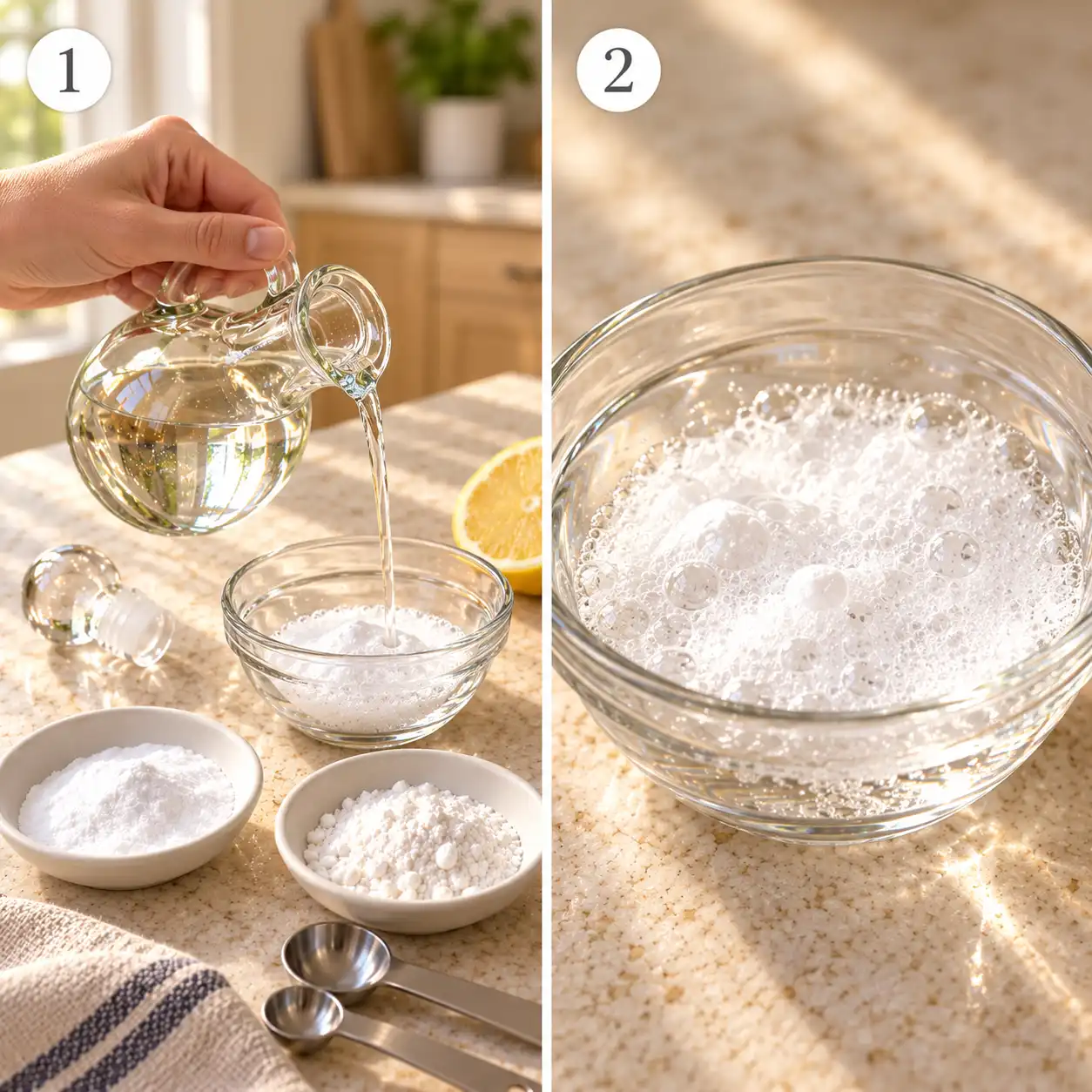
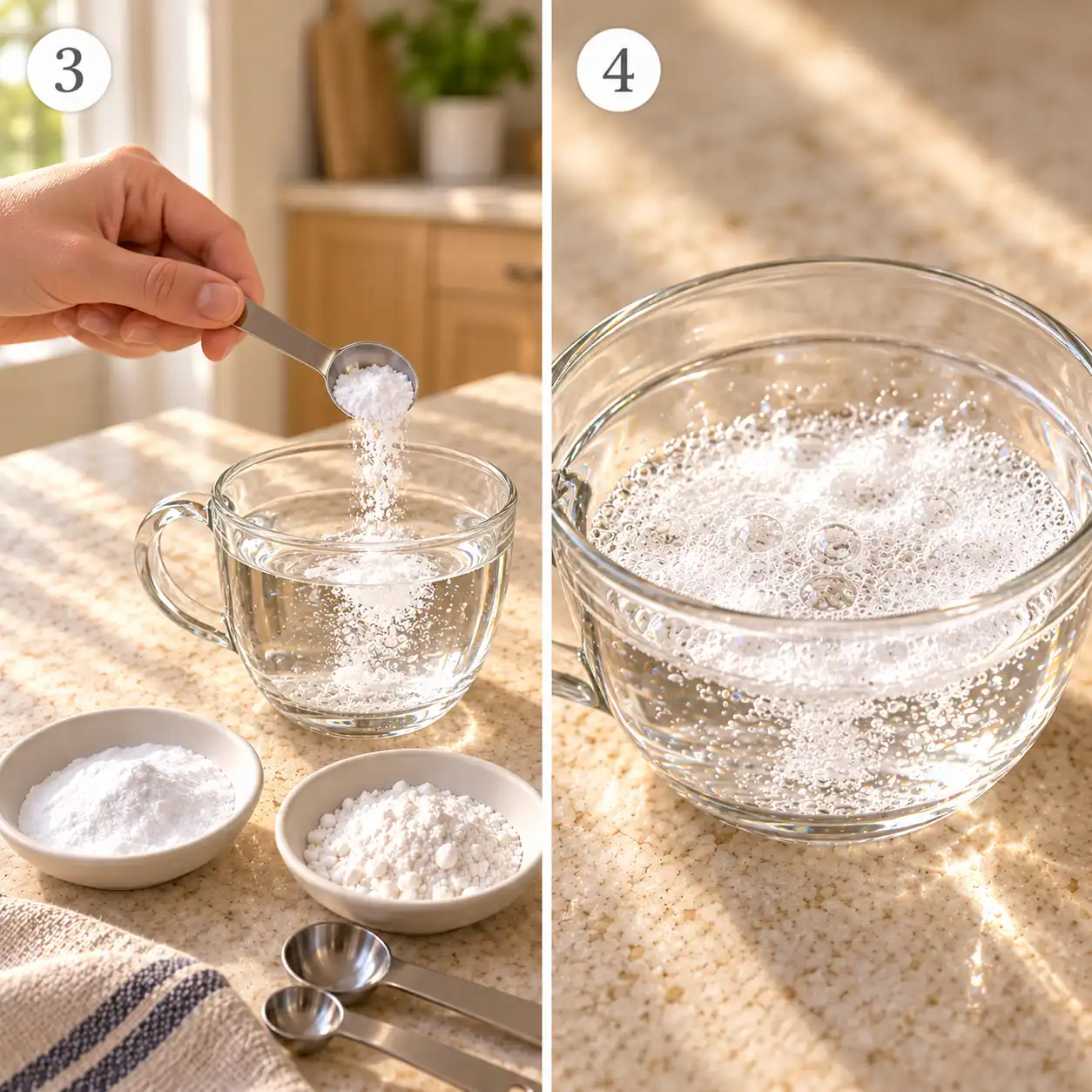
- Step 1: Test Baking Soda – Place a small amount of baking soda in a bowl and add a splash of vinegar or lemon juice. If it bubbles vigorously right away, it is still active.
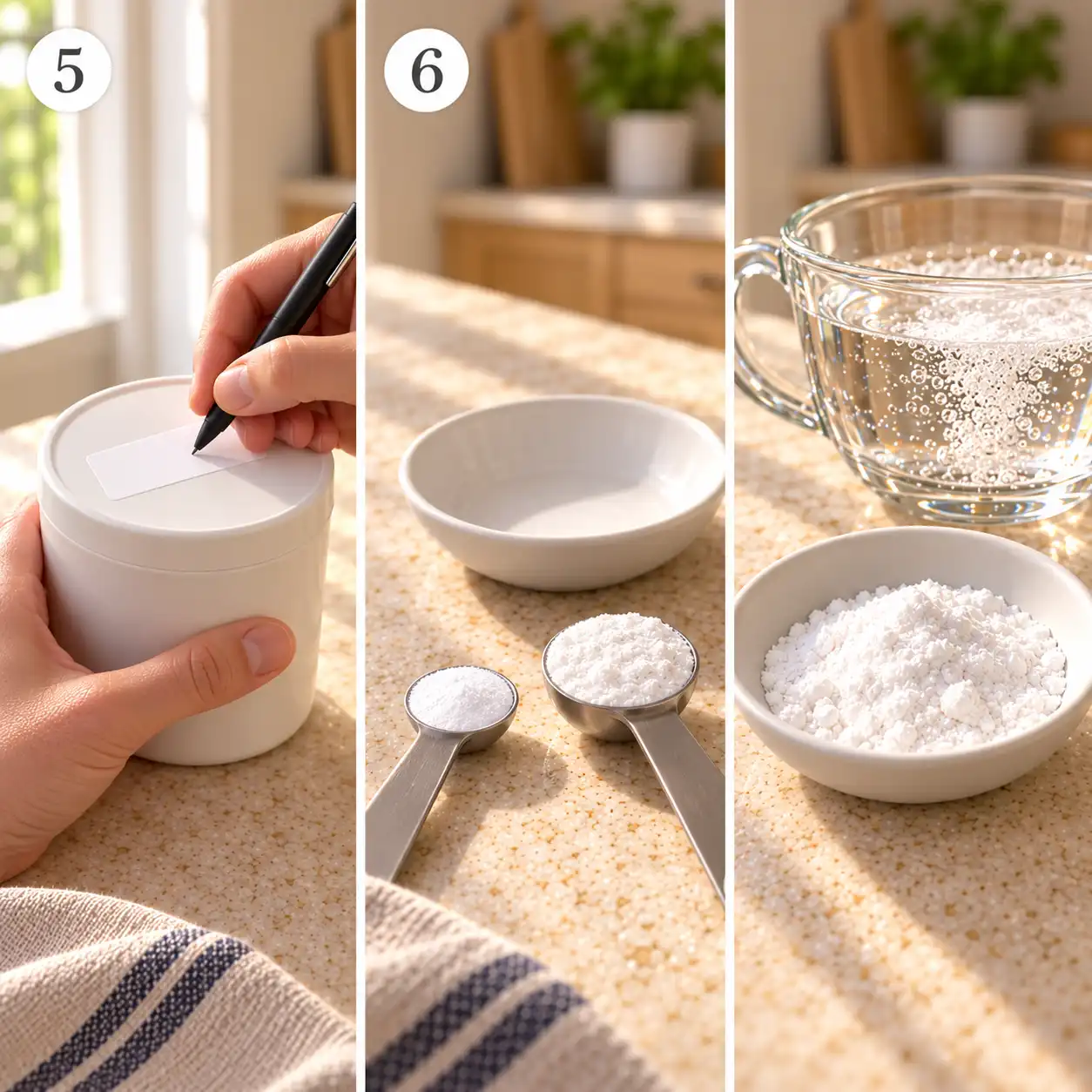
- Step 2: Test Baking Powder – Place a teaspoon of baking powder in a cup of hot tap water. If it fizzes and bubbles immediately, it is still good to use.
- Step 3: Check the Date – Always write the date you opened the container on the lid, as the manufacturer’s expiration date assumes the container has never been opened.
Common Troubleshooting in Baking
If your cakes are consistently sinking in the middle, you might be over-leavening. It is a common myth that adding more powder will result in a taller cake. In reality, too much gas can make the bubbles get too big, join together, and then pop and collapse before the cake structure is set. This leads to a crater in the center of your bake. In the battle of baking powder vs baking soda, precision is more important than quantity.
Another common issue is a soapy taste. This almost always points to an excess of baking soda that didn’t have enough acid to react with. If you find this happening, try reducing the soda slightly or adding a teaspoon of lemon juice or vinegar to the liquid ingredients. This balance is a delicate dance of pH levels that dictates how the proteins in the flour and eggs will set during the heat of the oven.
Storage Tips for Longevity
To keep your leaveners fresh, you must store them correctly. Heat and moisture are the enemies of baking powder. If you keep your powder in a cabinet right above the stove, the steam and heat from cooking will cause it to react inside the tin. Once it reacts with the humidity in the air, it loses the ability to react in your dough. Baking soda should also be kept in a cool, dry place, but more importantly, it should be kept away from strong-smelling foods like onions or spices, as it is a natural odor absorber.
Many people keep an open box of baking soda in the fridge to stop smells, but you should never use that specific box for baking. The odors it absorbs will transfer directly into your cookies. Always keep a separate, airtight container specifically for your culinary needs. When you understand the environmental factors affecting baking powder vs baking soda, you can maintain their quality for months.
Conclusion
Mastering the difference between baking powder vs baking soda is a rite of passage for any home cook. While they look identical and serve the same general purpose, their chemical makeup dictates how they behave in the bowl and the oven. One requires an acidic partner to spark a reaction, while the other is self-contained and heat-activated. By paying attention to these small but mighty ingredients, you make sure that every cake rises and every cookie has the perfect golden crunch. Keep your leaveners fresh, measure them with care, and your kitchen results will always be something to be proud of.
FAQs
Can I use baking soda instead of baking powder for pancakes?
You can, but you must add an acid like buttermilk or a little vinegar to the batter. Use only about one-third the amount of baking soda compared to the baking powder called for in the recipe to avoid a bitter taste.
Is baking powder gluten-free?
Most baking powders use cornstarch as a buffer to keep the base and acid from reacting in the tin, which is gluten-free. However, some brands might use wheat starch. Always check the label if you have a gluten sensitivity.
Why did my cake rise and then fall?
This often happens if you used too much baking powder or baking soda. The excess gas creates large bubbles that the structure of the cake cannot support, causing it to collapse as it cools.
Does baking soda expire?
Baking soda has a very long shelf life if kept dry and sealed, but it can lose its effectiveness over several years. It is best to test it with vinegar if you haven’t used the box in a long time.
What is double-acting baking powder?
This is the most common type of baking powder sold in stores. It reacts twice: once when it is mixed with liquid ingredients and a second time when it is exposed to the heat of the oven.
Disclaimer
The content provided on this website is for general informational and educational purposes only. It is not intended to replace professional medical advice, diagnosis, or treatment. I am not a licensed healthcare provider or certified nutrition expert.
Disclaimer
The content provided on this website is for general informational and educational purposes only. It is not intended to replace professional medical advice, diagnosis, or treatment. I am not a licensed healthcare provider or certified nutrition expert.
Always seek guidance from a qualified medical professional before making any changes to your diet, especially if you have underlying health conditions, allergies, or specific dietary needs. Individual results may vary, and your health and safety should always come first.


