
Every home baker has faced the sudden panic of reaching for a leavening agent and realizing they might have the wrong one. While they look nearly identical, the difference between baking soda and baking powder is fundamental to the success of your kitchen projects. One requires an acid to work, while the other is a self-contained chemical system. Mastering these two ingredients allows you to control the lift, browning, and texture of everything from light sponges to dense, chewy treats.
Table of Contents
The Chemical Makeup of Baking Soda
What is Sodium Bicarbonate?
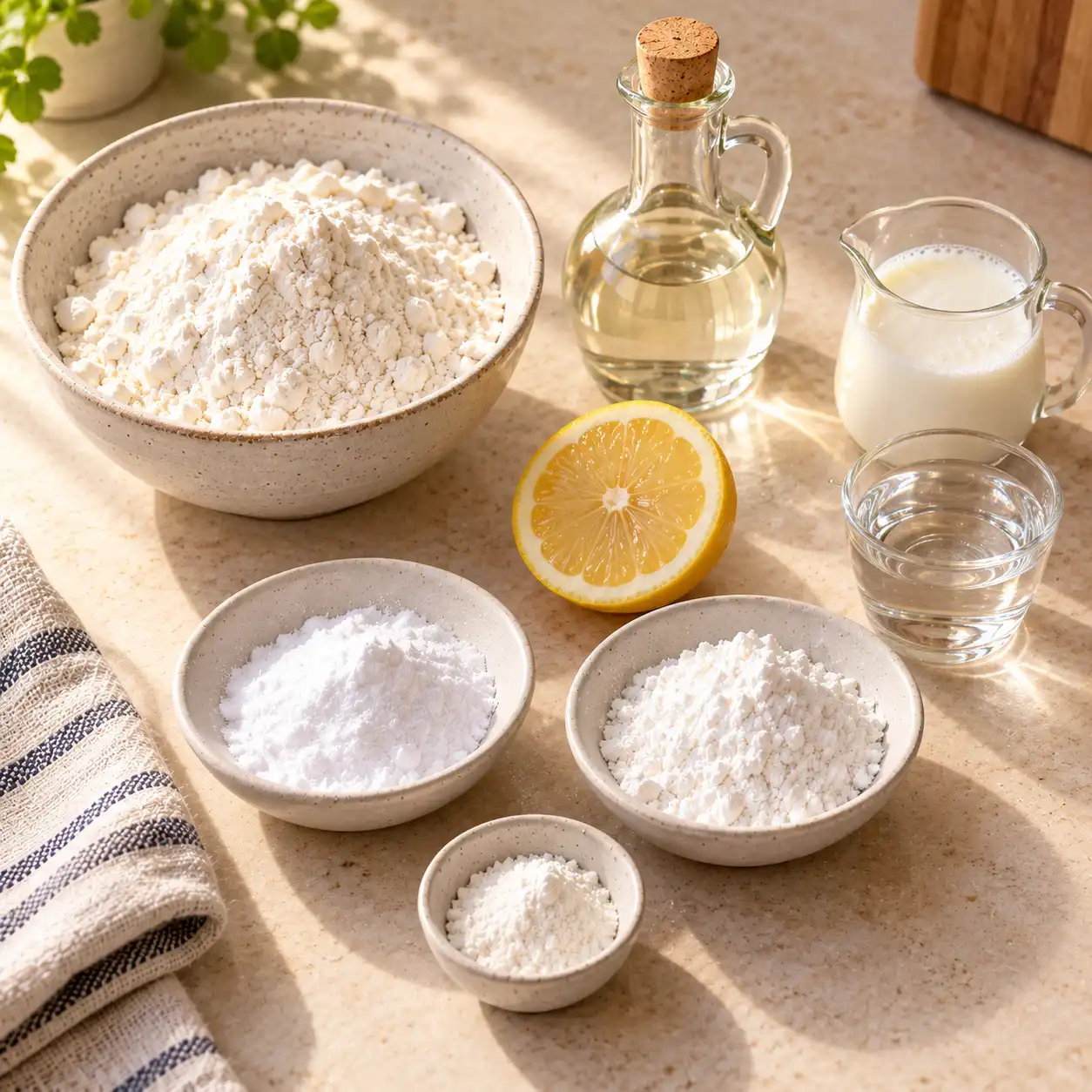
Baking soda is a pure chemical compound known as sodium bicarbonate. It is a base, meaning it sits on the alkaline side of the pH scale. When you use it in a recipe, it needs two things to create lift: moisture and an acidic ingredient. Common acids used in baking include buttermilk, lemon juice, yogurt, or cocoa powder. Without an acid, baking soda will not produce the carbon dioxide gas needed to make dough rise. Instead, it might leave behind a metallic or soapy taste in your finished product.
The Reaction Process
As soon as baking soda touches an acidic liquid, a chemical reaction occurs immediately. This reaction produces bubbles of carbon dioxide that expand when heated in the oven. Because the reaction starts the moment the ingredients are mixed, you must get your batter into the oven quickly. According to research published by Scientific American, the chemical reaction between sodium bicarbonate and acids creates carbon dioxide gas trapped in the batter. If you let the batter sit too long on the counter, the gas escapes and your cake will turn out flat.
Print
Understanding the Difference Between Baking Soda and Baking Powder
Learn the difference between baking soda and baking powder, check their freshness with two simple tests, and understand how to use them in baking.
This is an educational demonstration. The test mixtures must be discarded and are not intended for consumption.
- Total Time: 5 minutes
- Yield: 1 demonstration containing 2 freshness tests 1x
Ingredients
- 1/4 teaspoon baking soda
- 2 teaspoons white vinegar
- 1 teaspoon regular double-acting baking powder
- 1/3 cup warm water
Instructions
- Step 1: Check Expiration and Test Freshness. Check the expiration dates. Place 1/4 teaspoon baking soda in a small bowl and add 2 teaspoons white vinegar. Look for immediate fizzing. In a separate bowl, combine 1 teaspoon baking powder with 1/3 cup warm water. Look for immediate bubbling. Discard both mixtures.
- Step 2: Measure Accurately. For your actual baking recipe, use the quantities it specifies. Measure with level measuring spoons. Do not substitute baking soda and baking powder in equal amounts.
- Step 3: Sift with Dry Ingredients. When baking, sift or whisk the specified leavener thoroughly with the flour and other dry ingredients to distribute it evenly.
- Step 4: Do Not Overmix. Once wet and dry ingredients are combined, mix only as directed by your baking recipe and avoid unnecessary delays before baking.
- Step 5: Preheat the Oven. Complete this preparation before Step 4 when baking. Preheat to the temperature specified by your chosen recipe. No oven is needed for the freshness tests themselves.
Notes
Estimated timing: Five minutes for both freshness tests. This excludes preparing a separate baking recipe.
Estimated nutrition: Approximately 4 calories, 1.3 g carbohydrates, and 803 mg sodium for the combined ingredients used in both tests. Other listed nutrients are approximately zero after rounding. Values vary with brands and measuring accuracy.
Nutrition basis: These figures describe the ingredients used in the demonstration, not an edible serving. Do not drink or eat the test mixtures.
Reference values: Baking powder nutrition and baking soda nutrition. The total calorie estimate also includes the white vinegar.
Baking soda: Follow a recipe that supplies the appropriate acidic ingredients.
Baking powder: Contains both baking soda and acid components.
Publishing: This content is an educational guide. Filling these fields does not establish eligibility for recipe rich results or resolve schema errors automatically.
- Prep Time: 5 minutes
- Cook Time: 0 minutes
- Category: Baking Basics
- Method: Freshness Testing
- Cuisine: International
- Diet: Vegan
Nutrition
- Serving Size: 0
- Calories: 4
- Sugar: 0 g
- Sodium: 803 mg
- Fat: 0 g
- Saturated Fat: 0 g
- Unsaturated Fat: 0 g
- Trans Fat: 0 g
- Carbohydrates: 1.3 g
- Fiber: 0 g
- Protein: 0 g
- Cholesterol: 0 mg
Keywords: baking soda vs baking powder, difference between baking soda and baking powder, baking soda freshness test, baking powder freshness test, baking basics, leavening agents
The Multi-Layered Nature of Baking Powder
A Complete Leavening Package
Baking powder is essentially baking soda that has already been mixed with a dry acid, such as cream of tartar. It also contains an inert filler, usually cornstarch, to keep the two active ingredients from reacting while they sit in the container. Because it contains its own acid, you do not necessarily need to add buttermilk or lemon juice to the recipe for it to work. This makes it a more versatile option for recipes that rely on neutral ingredients like whole milk or water. Understanding this composition is vital to seeing the difference between baking soda and baking powder.
Double-Acting vs. Single-Acting
Most baking powder sold in grocery stores today is labeled as “double-acting.” This means the first reaction happens when the powder gets wet, and a second reaction occurs when the batter is heated in the oven. This provides a safety net for bakers who might take a little longer to get their pans into the heat. Single-acting powders, which are rarer in modern home kitchens, react only once when they become wet. The double-acting variety provides more consistent results and a more reliable rise for heavy batters or delicate pastries.
Key Comparison: Difference Between Baking Soda and Baking Powder
When you look at the difference between baking soda and baking powder, the primary factor is the presence of an acid. Baking soda is about four times stronger than baking powder. You generally use much less of it to achieve the same amount of lift. However, because baking soda also promotes browning by increasing the pH of the dough, it is often used in recipes where a golden-brown crust is desired. Baking powder is better suited for recipes where you want a clean flavor and a high, airy lift without extra browning.
| Feature | Baking Soda | Baking Powder |
|---|---|---|
| Ingredients | Pure Sodium Bicarbonate | Sodium Bicarbonate + Dry Acid + Cornstarch |
| Activation | Requires moisture and an external acid | Requires moisture and heat (if double-acting) |
| Potency | Very strong (use 1/4 tsp per cup of flour) | Weaker (use 1 tsp per cup of flour) |
| Primary Effect | Browning and lift | Height and volume |
How the Difference Affects Your Cookies
Texture and Spread
The difference between baking soda and baking powder is perhaps most visible in cookies. Baking soda weakens the gluten in the flour, which allows the dough to spread more easily before it sets in the heat. This results in a cookie that is thinner and crispier. When looking at the difference between baking soda and baking powder in sweets, this chocolate chip cookie recipe demonstrates how soda creates a browned, chewy edge while powder would make them puffier. If you prefer a soft, cake-like cookie, you would lean more heavily on baking powder.
Browning and Flavor
Baking soda creates an alkaline environment, which speeds up the Maillard reaction the process that causes browning and deepens flavor. This is why many traditional cookie recipes call for a small amount of soda even if there isn’t a strong acid present. It helps the cookies develop that classic golden hue. Baking powder, being more neutral once it reacts, does not contribute as much to the color of the crust. If you swapped one for the other without adjusting, your cookies might end up pale and puffy or dark and flat.
When to Use Both in One Recipe
Balancing Acid and Lift
Many recipes call for both ingredients simultaneously. This isn’t a mistake or a redundancy; it serves a specific purpose. Usually, baking soda is included to neutralize the acid in the recipe (like the acid in fruit or chocolate) and to improve browning. However, there might not be enough soda to provide the total amount of lift the recipe needs. In these cases, baking powder is added to do the “heavy lifting.” This balance allows for a perfect rise without making the final product taste like soap or chemicals.
Pancakes and Quick Breads
Breakfast favorites often rely on a combination of both agents to achieve the perfect rise. This healthy pancake recipe shows how balancing the two results in airy, light results every time. The soda reacts with the acidic components to give an initial burst of bubbles, while the baking powder provides the sustained lift needed as the pancakes cook on the griddle. This partnership ensures that the center of the pancake is cooked through and fluffy rather than dense or gummy.
Substitution Rules: Can You Swap Them?
Substituting Baking Powder for Baking Soda
You can substitute baking powder for baking soda, but you will need much more of it. Because baking powder is less potent, the general rule is to use three times the amount of baking powder as the amount of baking soda requested. However, keep in mind that this might change the flavor of your dish, potentially making it taste a bit bitter if you use too much. Also, since baking powder doesn’t encourage browning the same way, your baked goods might come out lighter in color than expected.
Substituting Baking Soda for Baking Powder
Substituting baking soda for baking powder is more difficult because you must add an acid to make it work. If a recipe calls for baking powder and you only have soda, you cannot simply swap them one-for-one. You must use about one-third the amount of soda and then add an acid like cream of tartar or lemon juice. Failure to add the acid will result in a flat, bitter cake. Many bakers look for specific techniques to get the most out of their ingredients. If you want to see a unique application, check out this baking soda trick recipe to see how it transforms the texture of your dishes.
Testing for Freshness
The Hot Water Test for Powder
Leavening agents lose their potency over time, especially if they are stored in a humid environment. To test baking powder, stir half a teaspoon of the powder into a small amount of hot water. If it bubbles vigorously right away, it is still fresh enough to use. If it just sits there or produces only a few weak bubbles, it is time to throw it away. Using expired leaveners is one of the most common reasons why cakes fail to rise properly in the oven.
The Vinegar Test for Soda
Baking soda lasts a long time, but it can still go stale or absorb odors from the pantry. To check its effectiveness, drop a small amount into a bowl of vinegar or lemon juice. It should react violently, creating a fizzing foam almost instantly. If the reaction is sluggish, your baking soda won’t have the strength to lift your dough. As explained by the experts at King Arthur Baking, the shelf life of these leaveners significantly impacts the final texture of cakes and breads.
Instructions for Perfect Leavening
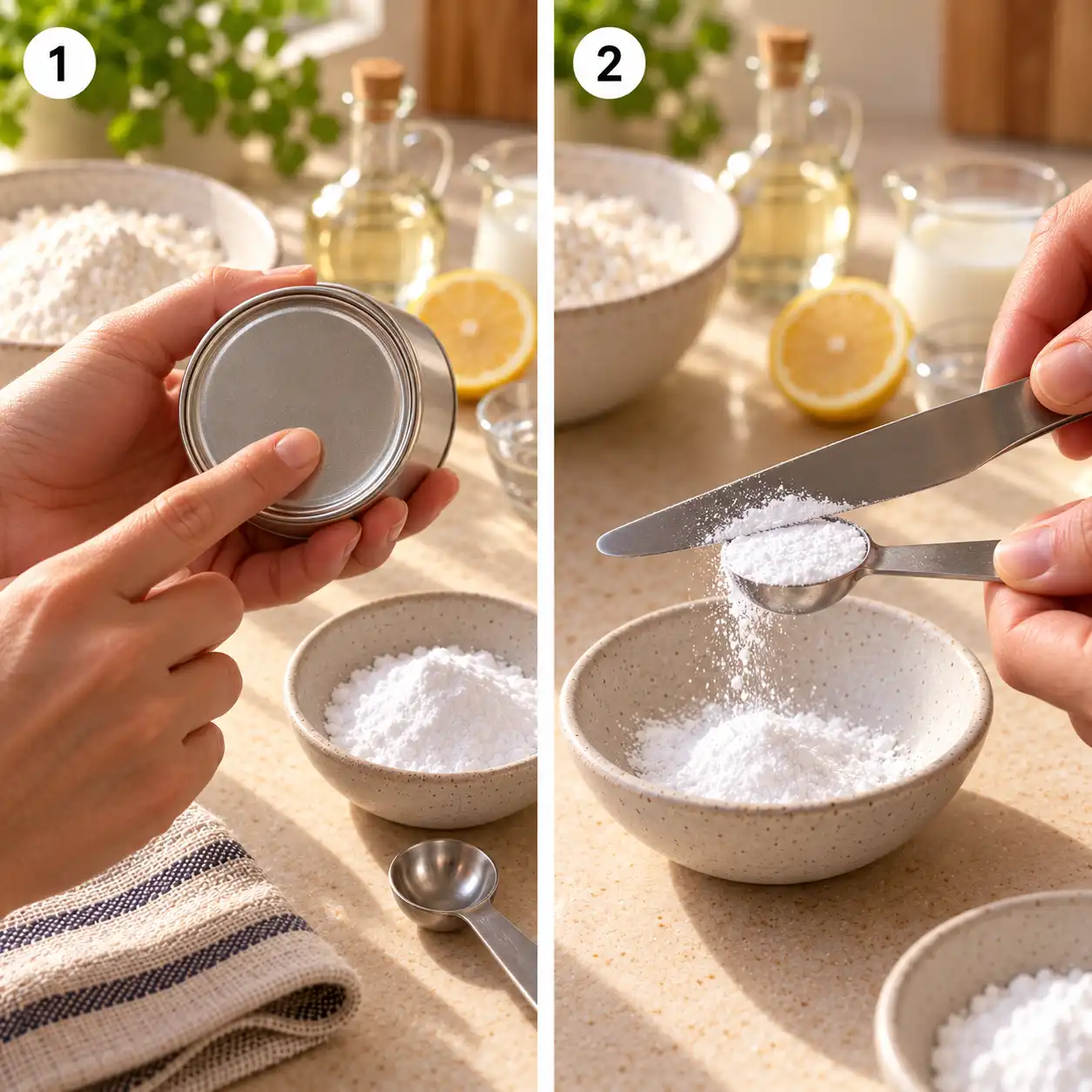
- Step 1: Check the expiration – Always look at the date on the bottom of the tin before starting your recipe.
- Step 2: Measure accurately – Use level measuring spoons rather than “heaping” scoops to keep the chemistry balanced.
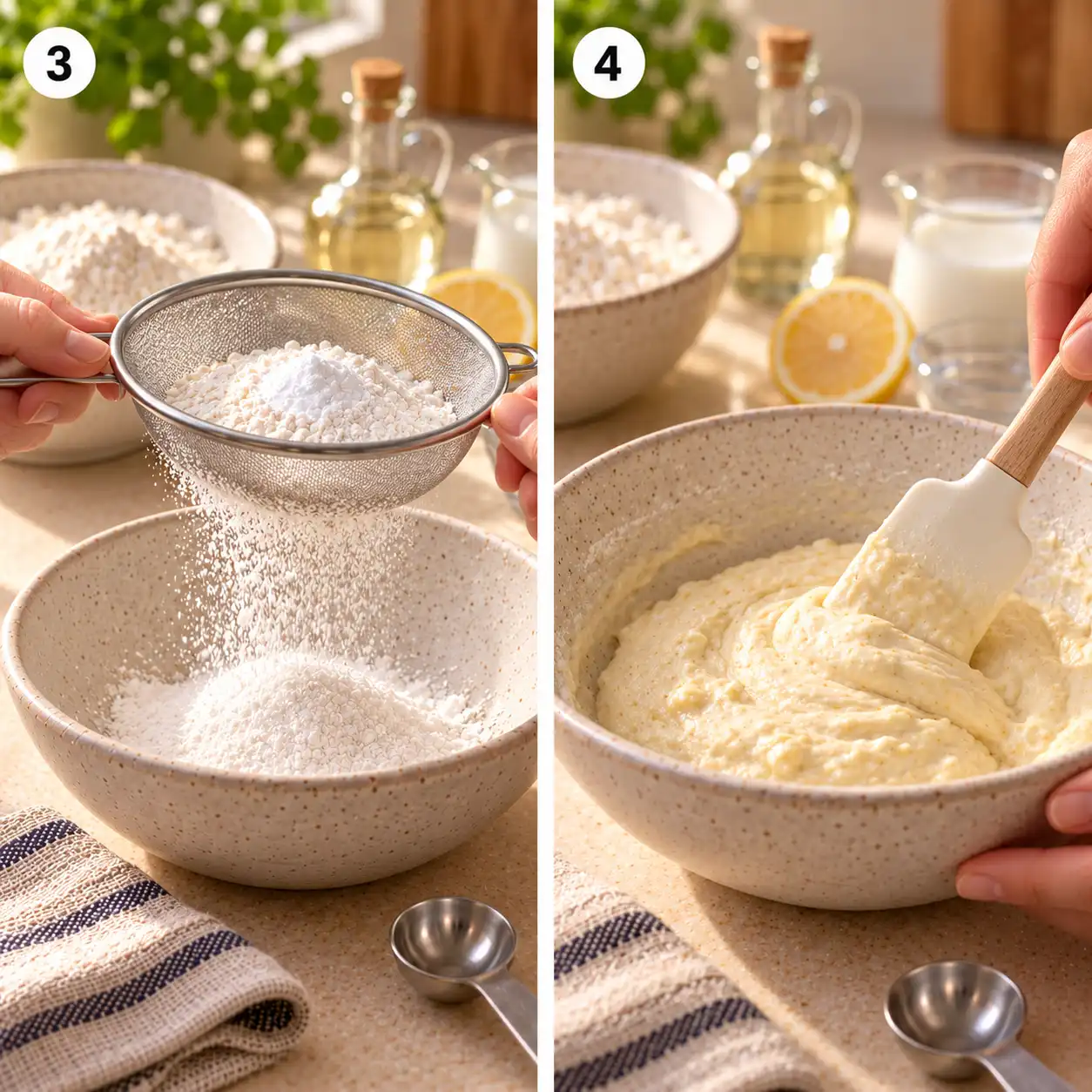
- Step 3: Sift with dry ingredients – Mix your leaveners thoroughly with the flour to avoid clumps of bitter soda in the final bite.
- Step 4: Do not overmix – Once the liquid hits the leavener, work quickly to keep the gas bubbles inside the batter.
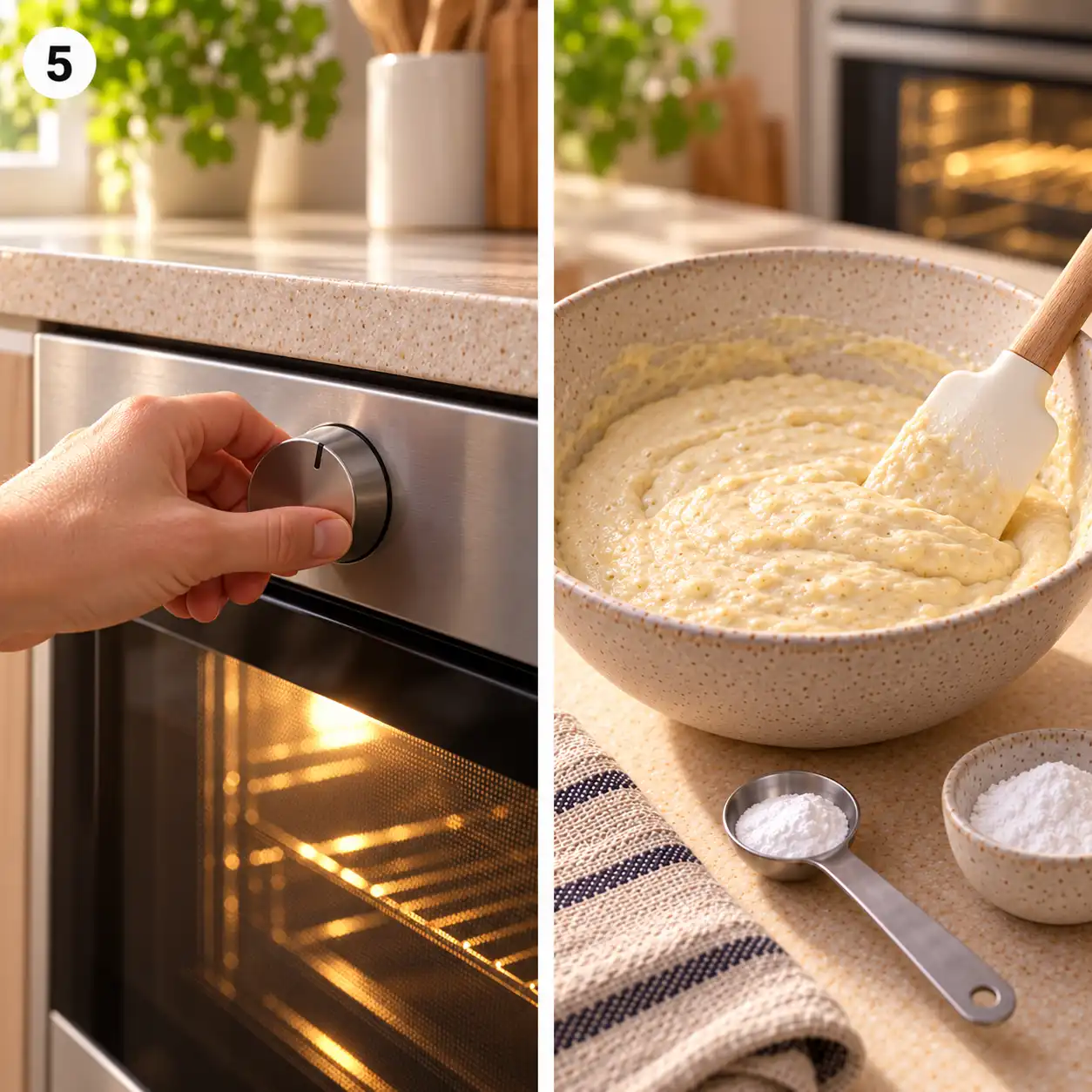
- Step 5: Preheat the oven – Make sure the oven is at the correct temperature so the heat-activated reaction happens immediately.
Alternative Uses and Health Trends
Beyond the Kitchen Counter
While primarily used in the kitchen, some people also use leaveners for health routines. You can read about the baking soda weight loss recipe trends to see how people incorporate this pantry staple into their daily lives. Beyond baking, sodium bicarbonate is often used for cleaning, deodorizing refrigerators, and even as a mild antacid. Its ability to neutralize acids makes it a versatile tool for various household tasks that have nothing to do with making muffins or cookies.
Safety and Storage
To maintain the difference between baking soda and baking powder over time, store them in a cool, dry place. Moisture is the enemy of both products. If your baking powder clumps together, the acid and base may have already begun to react inside the container, rendering it useless. Always keep the lids tightly sealed. Avoid storing them near the stove or dishwasher, where steam and heat are most prevalent, as this will quickly degrade their chemical power.
FAQs
Can I use baking soda instead of baking powder?
Yes, but you must add an acid and use much less of it. Specifically, use 1/4 teaspoon of baking soda for every 1 teaspoon of baking powder, and include an acidic ingredient like vinegar or cream of tartar to activate it.
Why did my cake sink in the middle?
This often happens if you use too much leavening agent. The cake rises too quickly, the air bubbles grow too large and pop, and the structure collapses before it is firm enough to stay up. It can also happen if your leavener is expired.
Does baking soda expire?
While it has a long shelf life, it can lose its effectiveness after about six months to a year once opened. It also absorbs smells, so if it has been sitting open in your fridge to catch odors, do not use it for baking.
What happens if I forget the baking powder?
Your baked goods will be very dense, hard, and leaden. Without a leavening agent to create air pockets, the flour and liquid will simply bake into a solid, unappealing mass.
The Verdict on Leavening Agents
Understanding the difference between baking soda and baking powder is a milestone for any serious cook. One relies on external acidity and creates a deep brown finish, while the other is self-reliant and focuses on volume and height. By choosing the right tool for the job and ensuring your ingredients are fresh, you guarantee a better texture and flavor in every batch. Keep both on hand, store them properly, and pay close attention to the chemistry of your recipes for the best results in your home kitchen.
Disclaimer
The content provided on this website is for general informational and educational purposes only. It is not intended to replace professional medical advice, diagnosis, or treatment. I am not a licensed healthcare provider or certified nutrition expert.
Always seek guidance from a qualified medical professional before making any changes to your diet, especially if you have underlying health conditions, allergies, or specific dietary needs. Individual results may vary, and your health and safety should always come first.


