
Every home baker has faced that sudden moment of panic when a recipe calls for a leavening agent that is nowhere to be found in the pantry. Knowing how to make baking powder from scratch is more than just a convenient trick; it is a fundamental skill that allows you to control the quality and chemical purity of your baked goods. By mixing a few basic household staples, you can create a fresh, active leavener that performs just as well as the commercial cans found on grocery store shelves, without the added metallic aftertaste or unnecessary additives.
Table of Contents
The Essential Components of Homemade Baking Powder
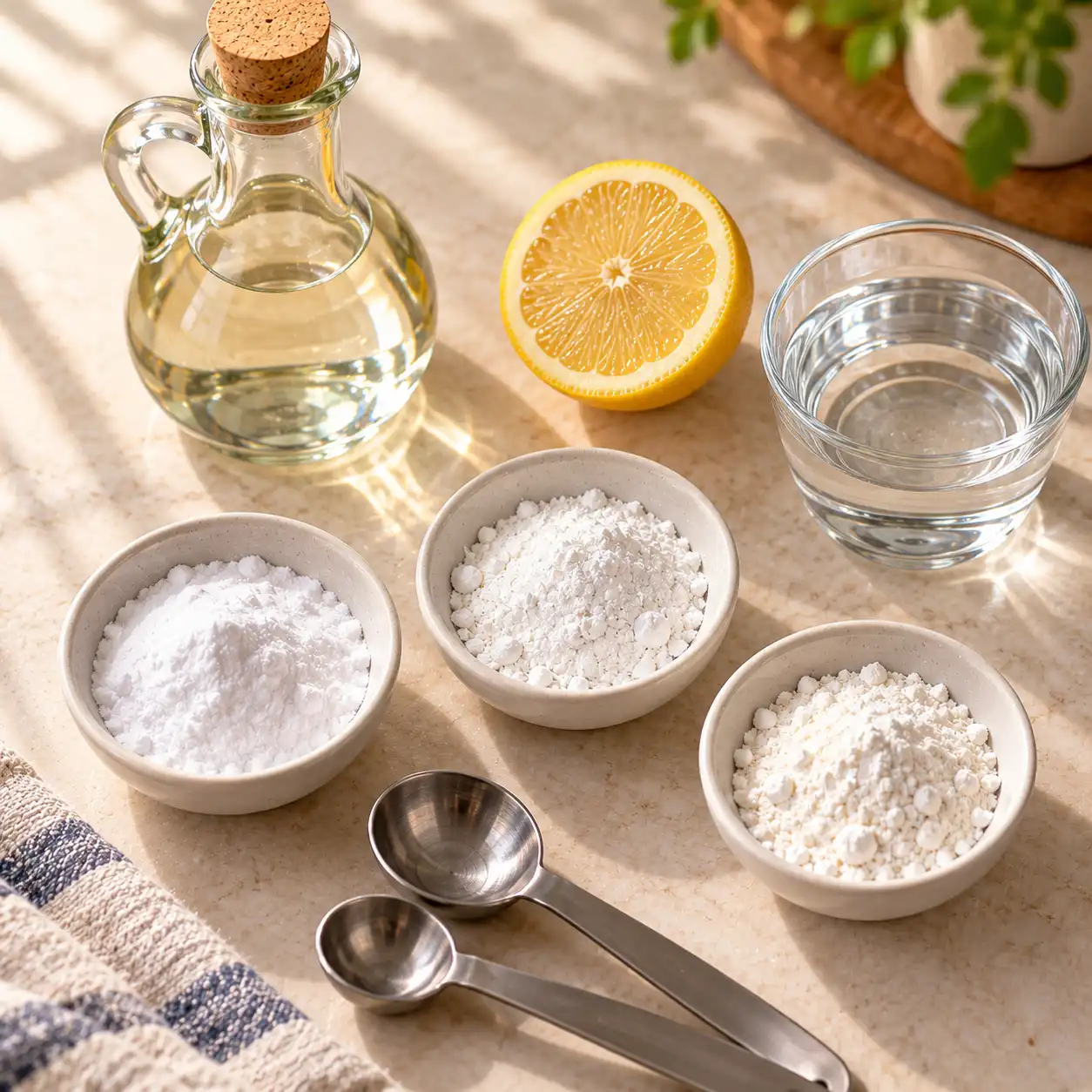
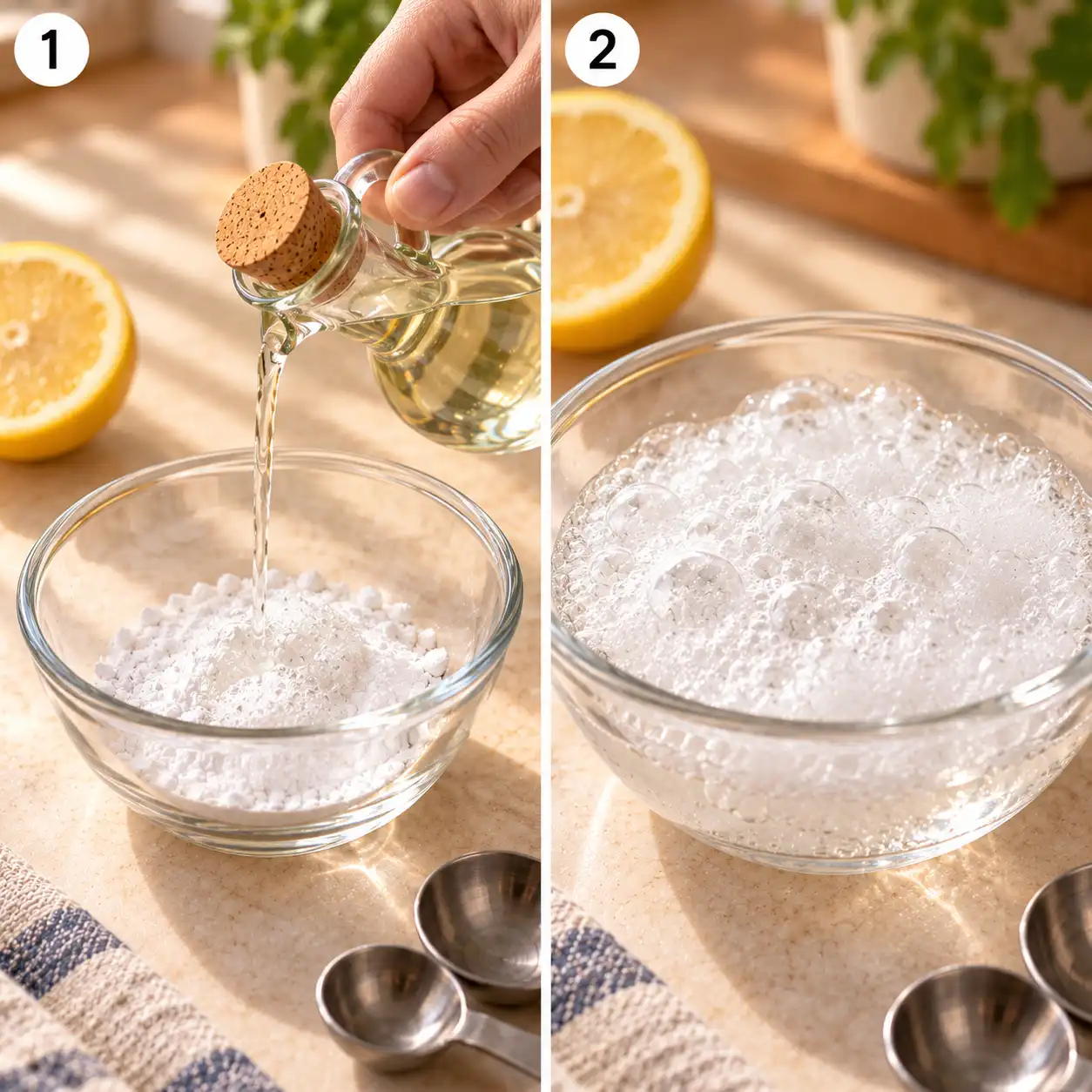
To understand how to make baking powder, you must first understand the chemistry behind its three primary ingredients. Commercial versions usually contain an alkaline base, an acidifying salt, and a moisture-absorbing filler. When you learn how to make baking powder at home, you recreate this balance using sodium bicarbonate, cream of tartar, and a starch. This combination is shelf-stable as long as it remains dry, but once liquid is introduced, a chemical reaction triggers the release of carbon dioxide bubbles, which provides the lift in your cakes and muffins.
Sodium Bicarbonate: The Basic Base
The foundation of any leavening agent is sodium bicarbonate, commonly known as baking soda. This ingredient is a powerful base that reacts with acidic components to produce gas. When considering how to make baking powder, the quality of your soda is paramount. Fresh soda provides the strongest reaction, ensuring your batters rise effectively. Many people use a baking soda trick recipe to check if their supply is still active before starting the mixing process, as old soda can lead to dense, flat results.
Cream of Tartar: The Acidic Catalyst
The acid required for this reaction is usually cream of tartar, a byproduct of the winemaking process (potassium bitartrate). Unlike liquid acids like lemon juice or vinegar, cream of tartar is a dry powder, making it perfect for creating a shelf-stable mixture. When you look into how to make baking powder, the ratio of cream of tartar to baking soda is what determines the effectiveness of the leavening. This acidic powder remains dormant until it is dissolved in a liquid, at which point it reacts with the soda to create the necessary carbonation.
Cornstarch: The Stabilizing Buffer
Cornstarch serves a dual purpose in your homemade mixture. First, it acts as a mechanical buffer, physically separating the acid and base particles to prevent them from reacting prematurely in the jar. Second, it absorbs any ambient moisture from the air that might enter the container. Mastering how to make baking powder involves including this desiccant to prevent clumping and maintain a long shelf life. Without cornstarch, your mixture would likely lose its potency within days of being mixed.
Print
How to Make Baking Powder: A Masterclass in DIY Leavening
A professional-grade guide to creating fresh, aluminum-free leavening at home using high-purity pantry staples.
- Total Time: 6 minutes
- Yield: 4 tablespoons 1x
Ingredients
- 1 tablespoon Baking soda
- 2 tablespoons Cream of tartar
- 1 tablespoon Cornstarch
Instructions
- Step 1: Gather Equipment – Ensure all measuring spoons and mixing bowls are completely dry to prevent premature activation.
- Step 2: Measure Ingredients – Accurately measure the baking soda, cream of tartar, and cornstarch.
- Step 3: Sift Powders – Pass the ingredients through a fine-mesh sieve into a small bowl to remove lumps.
- Step 4: Whisk Components – Blend the mixture thoroughly with a small whisk to ensure chemical uniformity.
- Step 5: Verify Activity – Place a half-teaspoon in hot water; it should bubble vigorously if active.
- Step 6: Store Securely – Transfer to an airtight glass jar and keep in a cool, dry place.
Notes
Use cornstarch only if storing the mixture; it absorbs moisture to prevent clumping and reaction in the jar.
- Prep Time: 5 minutes
- Cook Time: 1 minute
- Category: Leavening Agent
- Method: Mixing
- Cuisine: Global
- Diet: Vegan
Nutrition
- Serving Size: 1 teaspoon
- Calories: 5 kcal
- Sugar: 0.1 g
- Sodium: 480 mg
- Fat: 0.1 g
- Saturated Fat: 0.01 g
- Unsaturated Fat: 0.01 g
- Trans Fat: 0.01 g
- Carbohydrates: 1.3 g
- Fiber: 0.1 g
- Protein: 0.1 g
- Cholesterol: 0.1 mg
Keywords: baking powder recipe, DIY leavening, homemade baking staples, aluminum-free
The Chemistry of Leavening: Why It Works
The science of how to make baking powder centers on the production of carbon dioxide gas. In the presence of water or milk, the cream of tartar dissolves and releases hydrogen ions. These ions then react with the bicarbonate ions in the baking soda. According to ScienceDirect, this chemical interaction produces water, salt, and the gas that creates air pockets in dough. This process is immediate, which is why batters using homemade leaveners should be placed in the oven as quickly as possible to catch the bubbles before they escape.
How to Make Baking Powder: The Standard Ratio
The most widely accepted formula for how to make baking powder follows a 2:1 ratio of acid to base. For a small batch, you generally use two parts cream of tartar, one part baking soda, and one part cornstarch. This balanced approach provides enough acidity to neutralize the metallic taste of the baking soda while leaving enough leavening power for heavy batters. When you practice how to make baking powder using these exact measurements, you achieve a product that matches the strength of standard commercial single-acting powders.
Standard Proportions Table
| Ingredient | Amount (Standard) | Amount (Large Batch) |
|---|---|---|
| Baking Soda | 1 teaspoon | 1/4 cup |
| Cream of Tartar | 2 teaspoons | 1/2 cup |
| Cornstarch | 1 teaspoon | 1/4 cup |
Step-by-Step Instructions for How to Make Baking Powder
Following a precise method is vital for consistency. If the ingredients are not mixed thoroughly, some parts of your batter may rise while others remain flat. Here is the expert guide on how to make baking powder in your own kitchen.
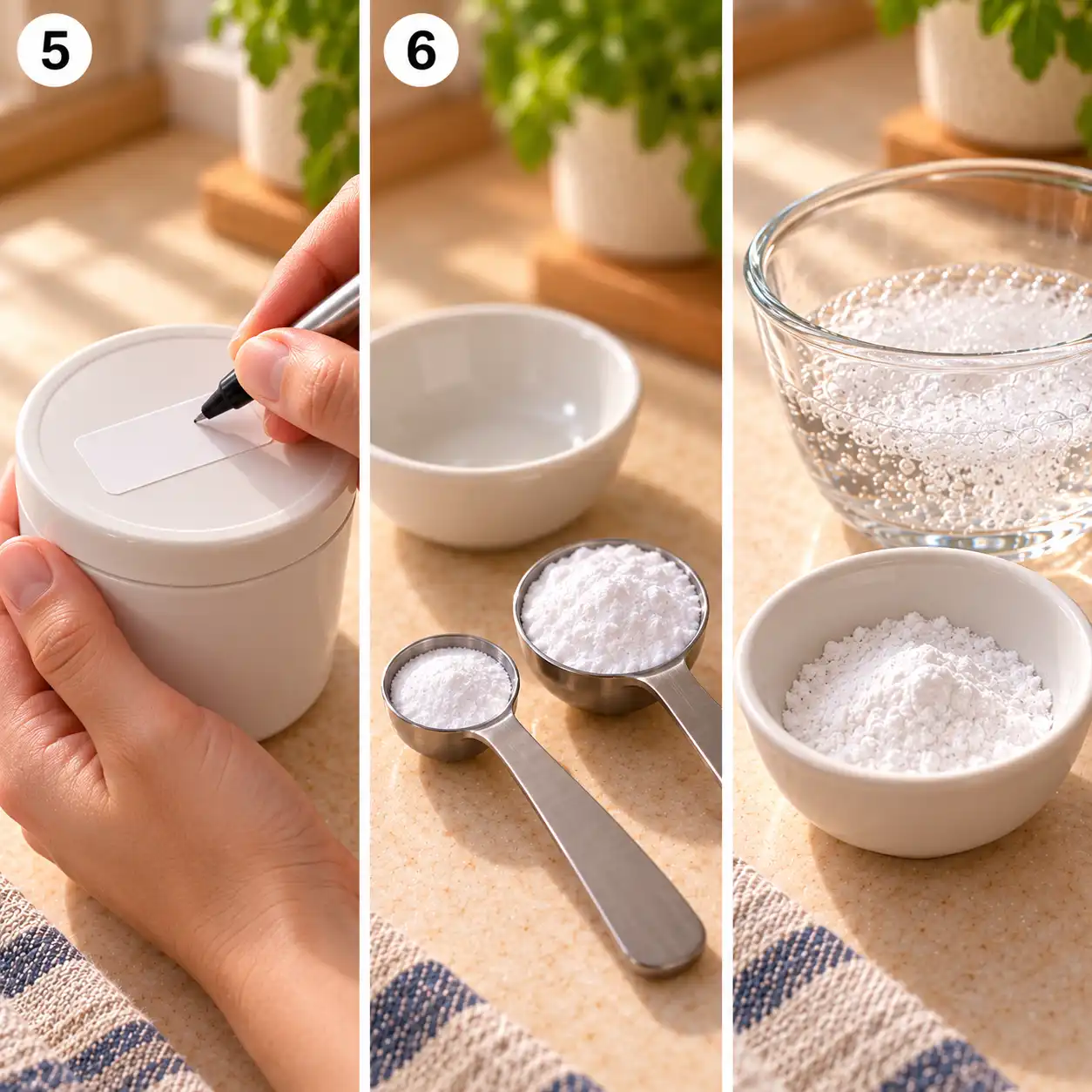
- Step 1: Measurement – Carefully measure out your cream of tartar, baking soda, and cornstarch using dry measuring spoons or a kitchen scale for the highest accuracy.
- Step 2: Combining – Place all three dry ingredients into a small, fine-mesh sieve or sifter held over a clean mixing bowl.
- Step 3: Sifting – Sift the powders together at least twice. This step is crucial for how to make baking powder because it breaks up any clumps and distributes the cornstarch evenly between the reactive particles.
- Step 4: Final Whisking – Use a small whisk to stir the mixture for an additional minute to make certain the blend is completely uniform.
- Step 5: Storage – Transfer the finished powder into an airtight glass jar and label it with the date of production.
When using this homemade version in a healthy pancake recipe, you will notice a light, airy texture that is difficult to achieve with older store-bought cans. The immediate reaction of the fresh acid and base creates a delicate crumb structure that is perfect for breakfast foods.
Single-Acting vs. Double-Acting Baking Powder
One major difference you will encounter when learning how to make baking powder is the distinction between single-acting and double-acting varieties. Your homemade version is a single-acting powder, meaning it reacts fully as soon as it gets wet. Commercial powders are usually double-acting, containing secondary acids that only react when heated in the oven. As noted by King Arthur Baking, double-acting powders provide a second “burst” of lift during the baking process. Because your homemade version is single-acting, you must avoid letting your batter sit on the counter for too long.
Why You Should Choose Homemade Over Store-Bought
Learning how to make baking powder offers several health and flavor advantages. Many commercial brands contain aluminum sodium sulfate, which can leave a bitter, metallic tang in delicate cakes. By making it yourself, you eliminate aluminum from your diet and keep your flavors clean. Furthermore, you can control the starch used; if you have a corn allergy, you can substitute arrowroot powder or potato starch. Understanding how to make baking powder gives you the flexibility to adapt to dietary needs without sacrificing the height of your bakes.
In a banana nut bread recipe, the lack of aluminum is particularly noticeable because the long bake time can sometimes highlight metallic notes. Freshly made powder keeps the fruit flavors bright and the crumb tender. Additionally, knowing how to make baking powder ensures you always have the freshest possible leavener, which is vital for heavy, dense batters that require maximum lift.
Proper Storage and Shelf Life
The enemies of leavening agents are heat and humidity. Once you know how to make baking powder, you must store it in a cool, dark place. A glass jar with a tight-sealing lid is the best vessel. Since the homemade version lacks the heavy preservatives and stabilizers of commercial products, it is best to make it in small batches that you can use within a month. If you live in a very humid climate, you might increase the amount of cornstarch slightly to help keep the powder dry and free-flowing.
How to Test for Freshness
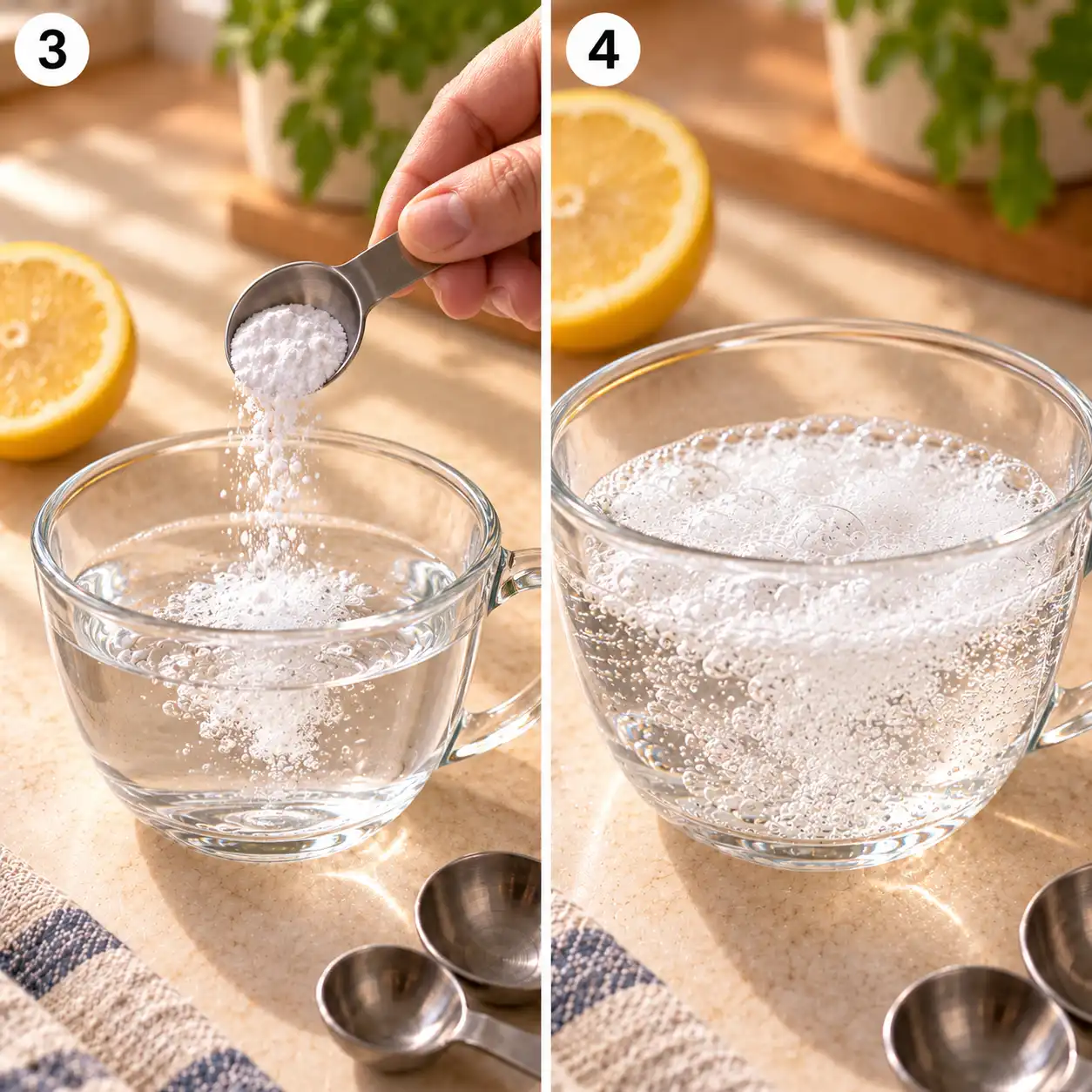
If you have a jar of homemade powder and you aren’t sure if it is still good, there is a simple test. Take half a teaspoon of your mixture and drop it into a small bowl of hot water. If it bubbles vigorously and immediately, the powder is still active. If the reaction is sluggish or non-existent, you should discard it and look back at your guide on how to make baking powder to whip up a fresh batch. This test saves you from the disappointment of a sunken cake or a flat batch of cookies.
Using active leaveners is especially important in a chocolate chip cookie recipe, where the balance of baking soda and baking powder creates the perfect contrast between a soft center and crisp edges. If the powder is weak, the cookies will spread too thin and lose their signature texture.
Common Troubleshooting Tips
If your baked goods aren’t rising as expected after you learned how to make baking powder, several factors could be at play. First, check your measurements; even a slight imbalance in the ratio can change the pH level of the dough. Second, look at your mixing method. Over-mixing batter can deflate the air bubbles produced by the chemical reaction. Finally, make certain your oven is fully preheated. Since homemade powder reacts quickly, the heat needs to set the structure of the bread or cake before the gas escapes.
Common Mistakes to Avoid
- Using old baking soda as your base.
- Skipping the sifting process, which leads to “hot spots” of acid or base.
- Storing the powder in a plastic container that isn’t fully airtight.
- Wait too long to put the batter in the oven.
FAQs
Can I substitute baking soda for baking powder?
You cannot use them interchangeably in a 1:1 ratio. Baking soda is roughly three times stronger than baking powder but requires an external acid (like buttermilk) to work. If you only have soda, you must follow the steps on how to make baking powder to create a balanced leavener that works without additional acidic ingredients.
Is homemade baking powder gluten-free?
Yes, as long as you use a certified gluten-free cornstarch or arrowroot powder. Most commercial baking powders are gluten-free, but making it at home provides the ultimate certainty for those with severe sensitivities or Celiac disease.
Can I use arrowroot instead of cornstarch?
Absolutely. Arrowroot works perfectly as a drying agent. When you are learning how to make baking powder, you can use the same 1:1 ratio for arrowroot as you would for cornstarch. It is an excellent alternative for those who avoid corn-based products.
Why does my homemade baking powder taste bitter?
A bitter taste usually indicates an excess of baking soda. This happens if the cream of tartar is old and has lost its acidity, or if the measurements were inaccurate. Make certain to level off your measuring spoons and use fresh ingredients when practicing how to make baking powder.
Conclusion
Mastering how to make baking powder is a rewarding experience that improves the quality of your home baking. By controlling the ingredients, you avoid additives and ensure that your cakes, breads, and cookies rise perfectly every time. This simple three-ingredient mixture is a testament to the power of kitchen chemistry. Whether you are in a pinch or simply want a cleaner product, knowing how to make baking powder is a skill that will serve you well throughout your culinary journey. Keep your ingredients fresh, your measurements precise, and your storage airtight for the best results.
Disclaimer
The content provided on this website is for general informational and educational purposes only. It is not intended to replace professional medical advice, diagnosis, or treatment. I am not a licensed healthcare provider or certified nutrition expert.
Always seek guidance from a qualified medical professional before making any changes to your diet, especially if you have underlying health conditions, allergies, or specific dietary needs. Individual results may vary, and your health and safety should always come first.


