
Vegetarian entertaining has moved far beyond simple carrot sticks and bottled dressings. Today, a high-quality Vegetarian Charcuterie Dip serves as the central hub of a sophisticated snack board, offering depth and complexity that rivals traditional spreads. By focusing on fresh, plant-based ingredients and bold seasonings, you can create a satisfying experience for every guest, regardless of their dietary preferences. This guide provides the knowledge needed to build, flavor, and present these dips to make your next gathering a truly memorable culinary event for everyone involved.
Table of Contents
Why a Vegetarian Charcuterie Dip is the New Party Essential
The Shift Toward Plant-Forward Entertaining
Modern gatherings frequently include guests with various dietary needs, making the Vegetarian Charcuterie Dip a versatile and inclusive choice. Unlike traditional platters that rely heavily on cured meats, a plant-based spread emphasizes the natural vibrancy of vegetables, legumes, and dairy or nut-based proteins. This shift reflects a broader interest in health-conscious eating and sustainable food choices. When you serve a well-made Vegetarian Charcuterie Dip, you offer a lighter yet deeply flavorful alternative that keeps guests feeling satisfied without the heaviness associated with processed meat products. It bridges the gap between health and indulgence beautifully.
The Diversity of Textures and Flavors
One of the greatest strengths of a Vegetarian Charcuterie Dip is the sheer variety of textures you can achieve. From the velvety smoothness of a whipped feta to the chunky, rustic feel of a bean-based spread, the options are nearly limitless. You can incorporate smoked paprika for a meaty undertone, lemon zest for brightness, or toasted nuts for an earthy crunch. This diversity allows you to cater to different palates within a single spread. A Vegetarian Charcuterie Dip acts as a canvas where you can experiment with herbs, spices, and oils to create a unique flavor profile that changes with the seasons.
Print
The Perfect Vegetarian Charcuterie Dip
A sophisticated, plant-based dip designed to be the centerpiece of a vegetarian charcuterie board, featuring bold seasonings and a creamy texture.
- Total Time: 15 minutes
- Yield: 6 servings 1x
Ingredients
- 8 oz Feta cheese, crumbled
- 1/2 cup Plain Greek yogurt
- 1 jar (12 oz) Roasted red peppers, drained and patted dry
- 2 cloves Garlic, minced
- 2 tbsp Extra virgin olive oil
- 1 tbsp Fresh lemon juice
- 1 tsp Smoked paprika
- 1/2 tsp Dried oregano
- 1/4 tsp Red pepper flakes
- Fresh parsley, chopped for garnish
- Salt and black pepper to taste
Instructions
- Step 1: Prep Ingredients – Drain the roasted peppers thoroughly and mince the garlic cloves.
- Step 2: Blend Base – Place the crumbled feta and Greek yogurt into a food processor and blend until creamy.
- Step 3: Add Flavorings – Incorporate the garlic, olive oil, lemon juice, smoked paprika, and oregano into the mixture.
- Step 4: Incorporate Peppers – Add the roasted red peppers to the food processor and pulse until the desired consistency is reached.
- Step 5: Season – Taste the dip and add salt, black pepper, and red pepper flakes as needed.
- Step 6: Chill – Transfer the dip to a container and refrigerate for at least 30 minutes to allow flavors to meld.
- Step 7: Garnish and Serve – Transfer to a serving bowl, drizzle with olive oil, and top with fresh parsley.
Notes
Serve with a variety of colorful vegetables, crackers, and warm pita bread for the full charcuterie experience.
- Prep Time: 15 minutes
- Cook Time: 0 minutes
- Category: Appetizer
- Method: Blending
- Cuisine: Mediterranean
- Diet: Vegetarian
Nutrition
- Serving Size: 1/4 cup
- Calories: 165 kcal
- Sugar: 3 g
- Sodium: 480 mg
- Fat: 13 g
- Saturated Fat: 7 g
- Unsaturated Fat: 5 g
- Trans Fat: 0.1 g
- Carbohydrates: 6 g
- Fiber: 1 g
- Protein: 7 g
- Cholesterol: 35 mg
Keywords: Vegetarian, Charcuterie, Dip, Party Food, Whipped Feta, Healthy Snacks
Core Elements of a Great Vegetarian Charcuterie Dip
Choosing the Right Base for Your Spread
The foundation of your Vegetarian Charcuterie Dip determines its overall character and how well it pairs with different dippers. Common bases include Greek yogurt, cream cheese, or silken tofu for creamy varieties, while chickpeas and white beans provide a sturdier, protein-packed structure. If you are looking for a high-protein option that remains light and airy, consider a cottage cheese ranch dip as a starting point. This type of base provides a tangy backdrop that supports a wide range of seasonings, from fresh dill and chives to spicy chili flakes, making it a reliable crowd-pleaser for any board.
Balancing Flavor Profiles: Sweet, Salty, and Acidic
A professional-grade Vegetarian Charcuterie Dip requires a careful balance of primary tastes. Saltiness can come from aged cheeses or sea salt, while acidity is best introduced through citrus juices or high-quality vinegars. Sweetness, often overlooked in savory dips, can be added using a touch of honey or balsamic glaze to round out sharp edges. For those who enjoy deeper, more complex notes, incorporating an olive tapenade recipe into your spread adds a briny, Mediterranean flair that contrasts perfectly with milder bases. Achieving this balance ensures that every bite is dynamic and keeps guests coming back for more.
Healthy Foundations: Legumes and Nuts
The Nutritional Power of Bean-Based Dips
Using legumes as the primary ingredient in your Vegetarian Charcuterie Dip provides significant nutritional advantages. Beans and lentils are excellent sources of plant-based protein and dietary fiber, which help regulate blood sugar and keep guests full. According to the Mayo Clinic guide on legumes, these ingredients are also low in fat and contain no cholesterol, making them a heart-healthy choice for social snacking. Whether you choose traditional chickpeas for hummus or cannellini beans for a white bean dip, the resulting texture is incredibly satisfying and acts as a perfect vehicle for bold spices.
Incorporating Nuts for Healthy Fats
Nuts and seeds add a layer of richness to a Vegetarian Charcuterie Dip that is hard to replicate with other ingredients. Walnuts, almonds, and cashews can be soaked and blended to create a dairy-free cream, or toasted and chopped to provide a much-needed crunch on top of a smooth spread. Beyond texture, nuts offer essential fatty acids and minerals that contribute to a balanced diet. Research from the Harvard Nutrition Source on nuts highlights their role in promoting heart health and providing sustained energy. Using nut butters or crushed roasted nuts within your dip improves both the flavor and the nutritional profile of your appetizer board.
Creative Recipe Ideas for Your Next Board
Whipped Feta with Roasted Garlic and Herbs
A whipped feta Vegetarian Charcuterie Dip is a luxurious addition to any platter. By blending salty feta cheese with a bit of Greek yogurt and roasted garlic, you create a spread that is both sharp and mellow. This particular dip pairs exceptionally well with warm pita bread or crunchy cucumber slices. The roasted garlic provides a subtle sweetness that tempers the saltiness of the cheese. To make it even more visually appealing, you can drizzle the top with extra virgin olive oil and sprinkle it with fresh oregano or red pepper flakes before serving to your guests.
Smoky Roasted Red Pepper and Walnut Spread
For those who prefer a bit of heat and a deep, smoky aroma, a roasted red pepper and walnut Vegetarian Charcuterie Dip is an ideal choice. Often inspired by Middle Eastern flavors, this dip uses charred peppers to provide a natural sweetness and a vibrant red color. The walnuts offer a coarse texture and a nutty finish that balances the acidity of the peppers. This type of spread works well alongside other Mediterranean-inspired dishes. For instance, if you are planning a larger meal, the flavors in this dip align perfectly with the rich profiles found in a baked eggplant parmesan recipe, creating a cohesive dining experience.
Step-by-Step: Making a Signature Sun-Dried Tomato Vegetarian Charcuterie Dip
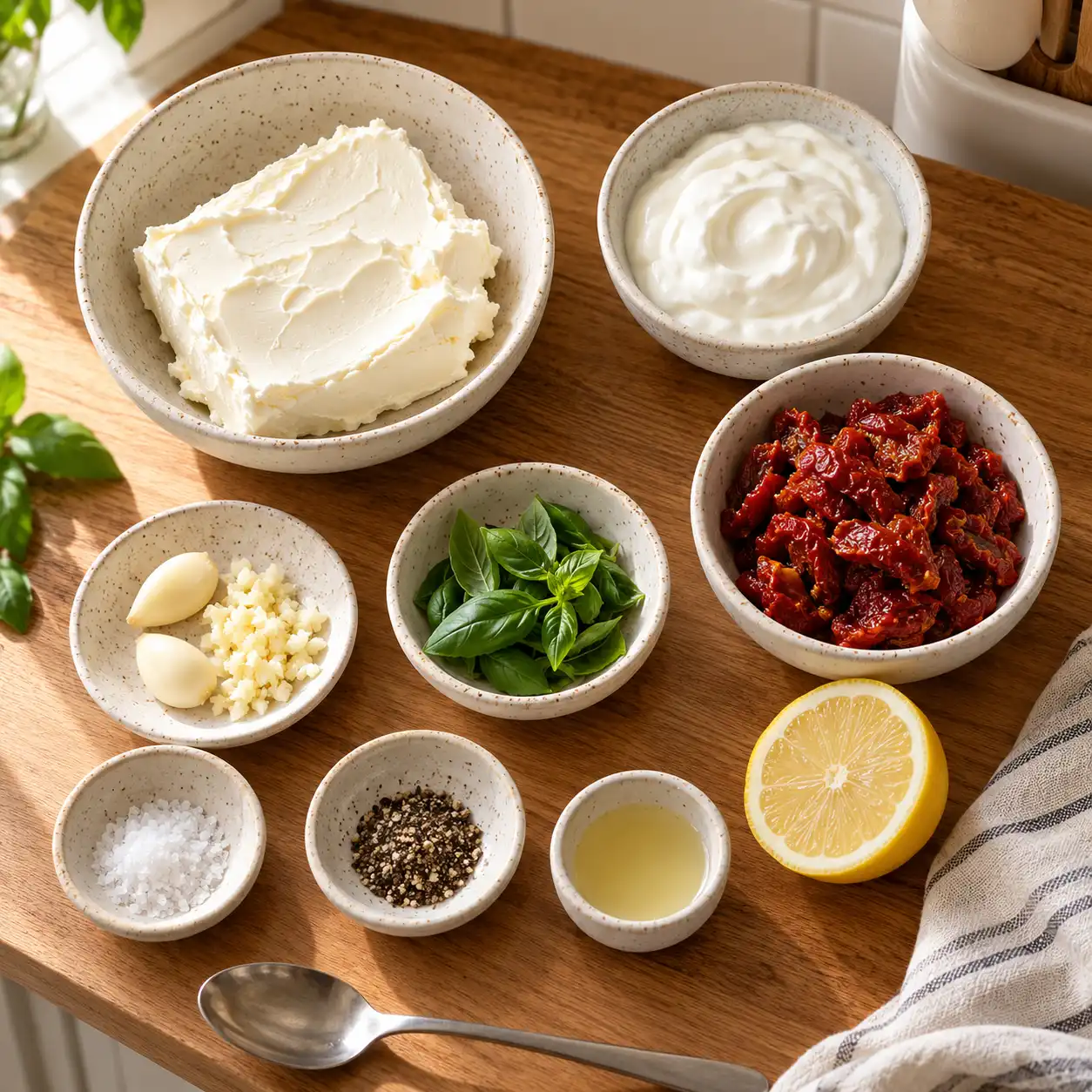
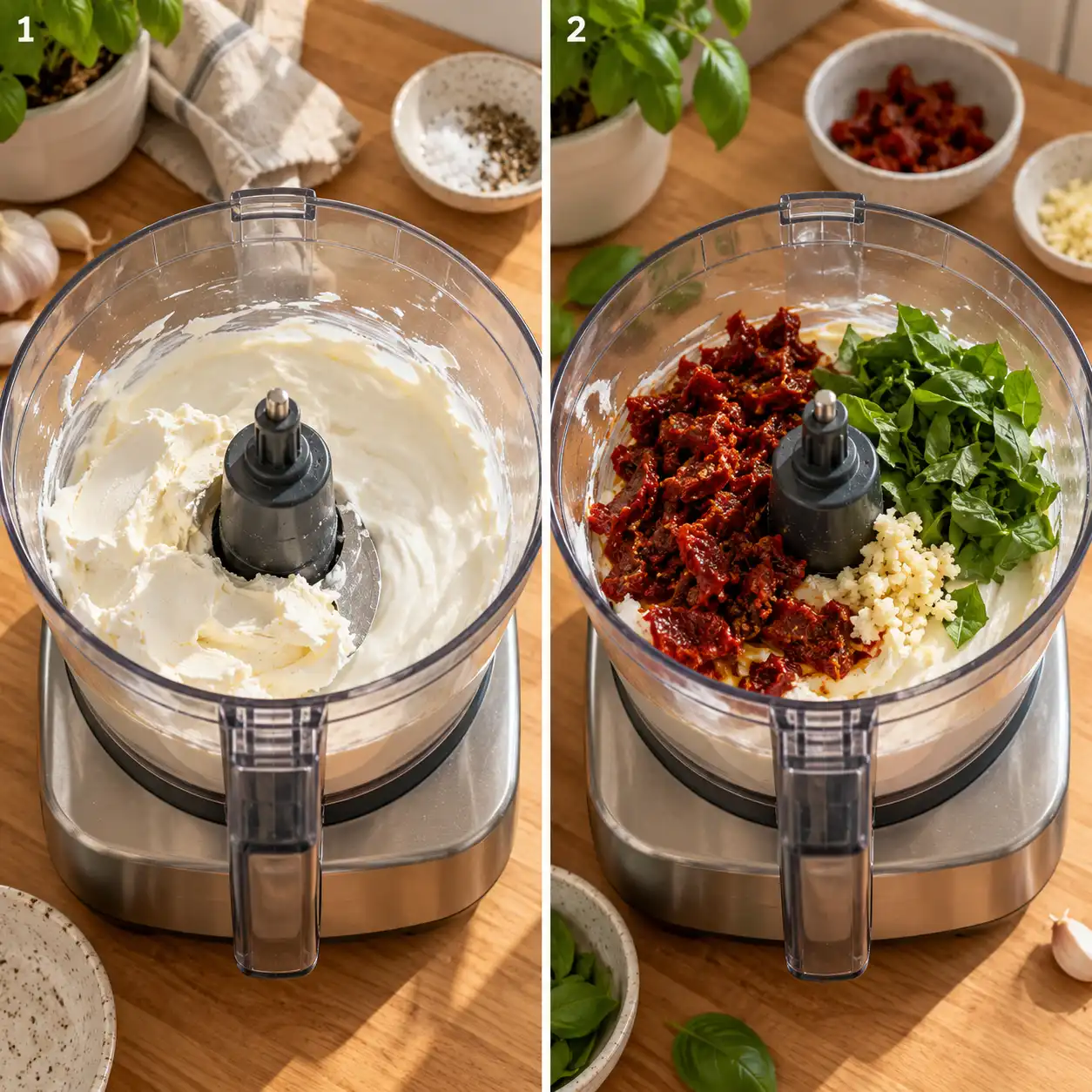
- Step 1: Prepare the Base – Combine 8 ounces of softened cream cheese and 1/2 cup of Greek yogurt in a food processor, blending until the mixture is completely smooth and free of lumps.
- Step 2: Add Flavoring Ingredients – Incorporate 1/2 cup of drained, chopped sun-dried tomatoes, two cloves of minced garlic, and a tablespoon of fresh basil leaves into the processor.
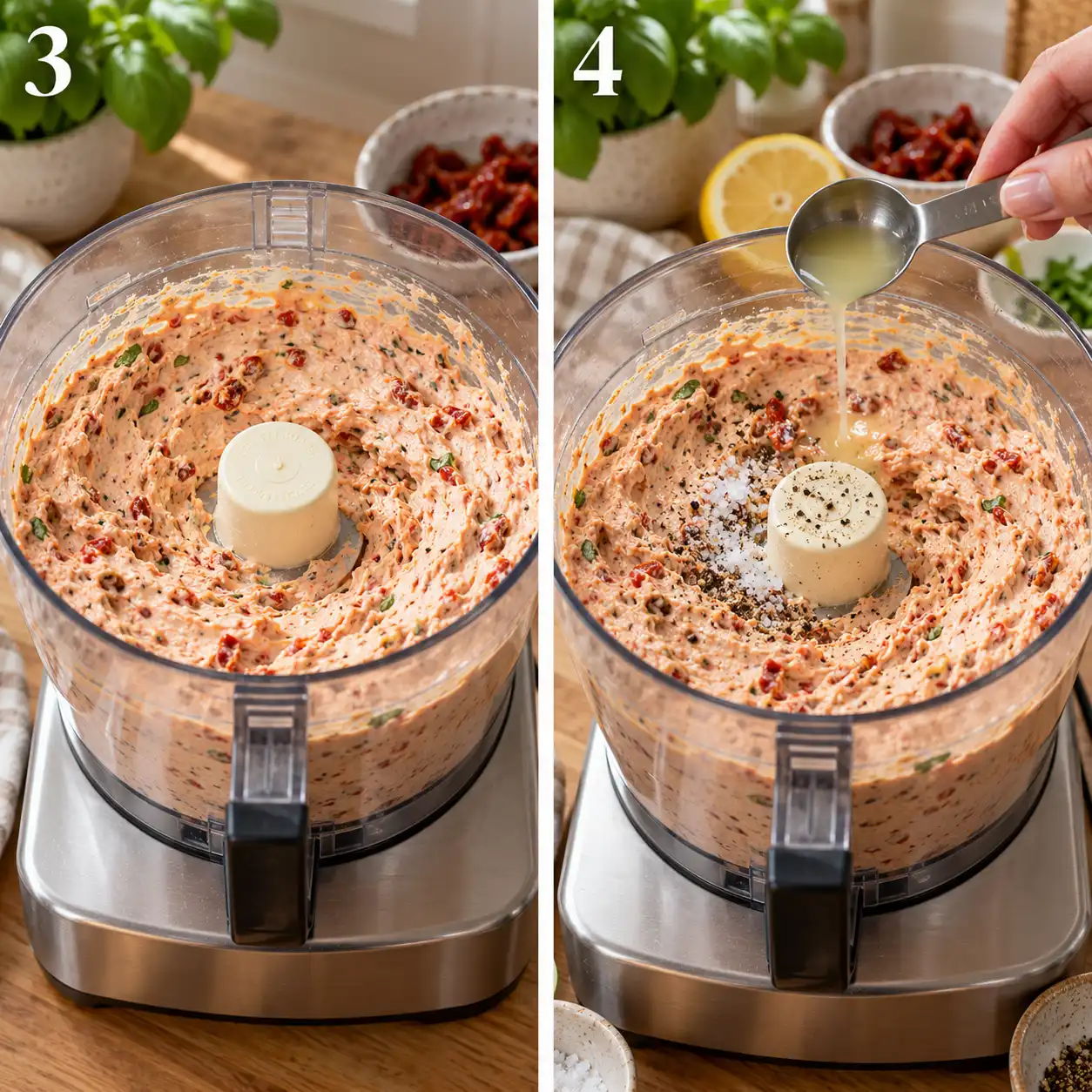
- Step 3: Pulse for Texture – Pulse the mixture several times until the tomatoes are finely minced and distributed throughout the cream base, ensuring you do not over-process if you prefer a bit of texture.
- Step 4: Season the Spread – Add a pinch of sea salt, cracked black pepper, and a teaspoon of lemon juice, then give it one final stir to incorporate the seasonings evenly.
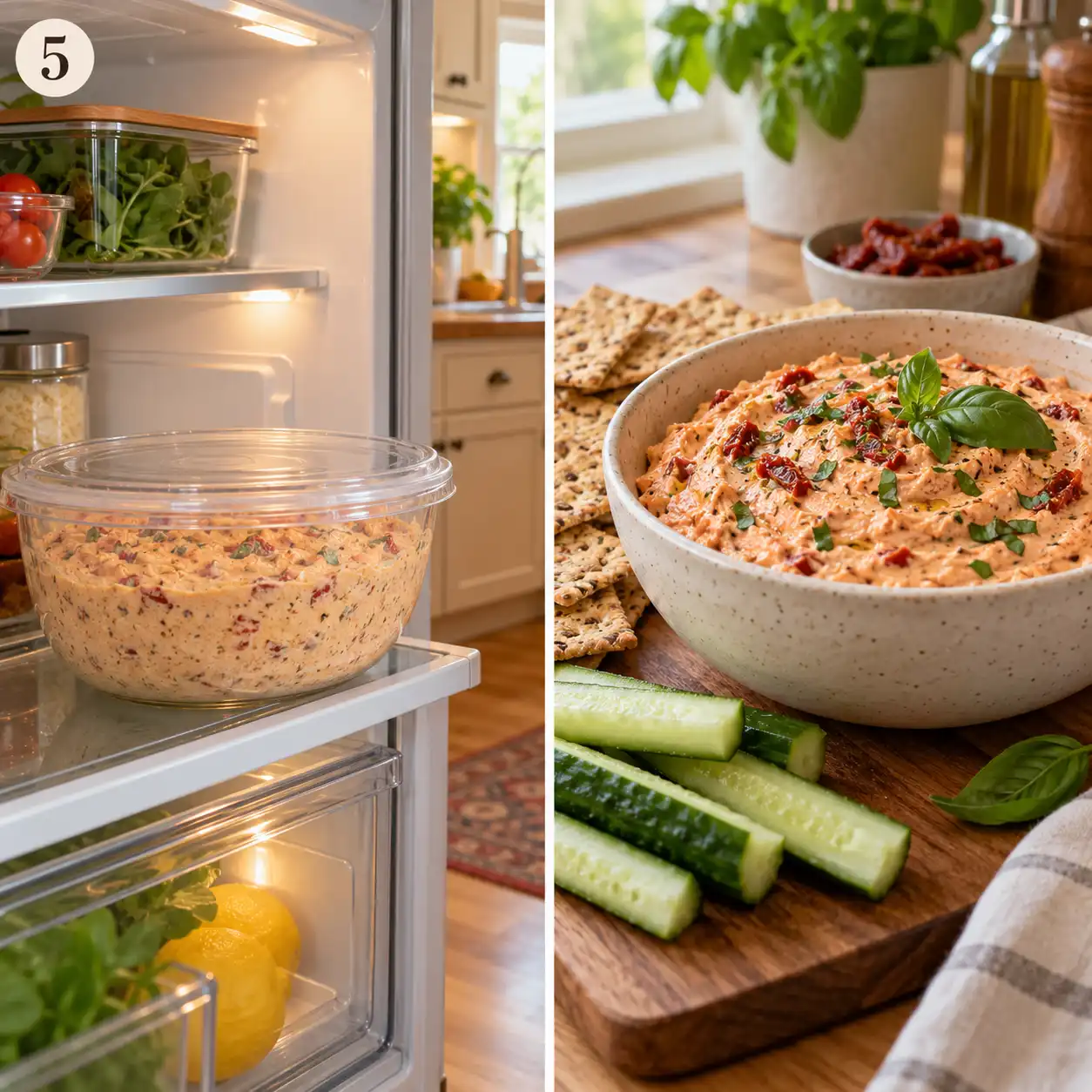
- Step 5: Chill and Serve – Transfer the Vegetarian Charcuterie Dip to a serving bowl and refrigerate for at least thirty minutes to allow the flavors to meld before placing it on your board.
The Best Accompaniments and Dippers
Fresh Vegetables and Seasonal Crudité
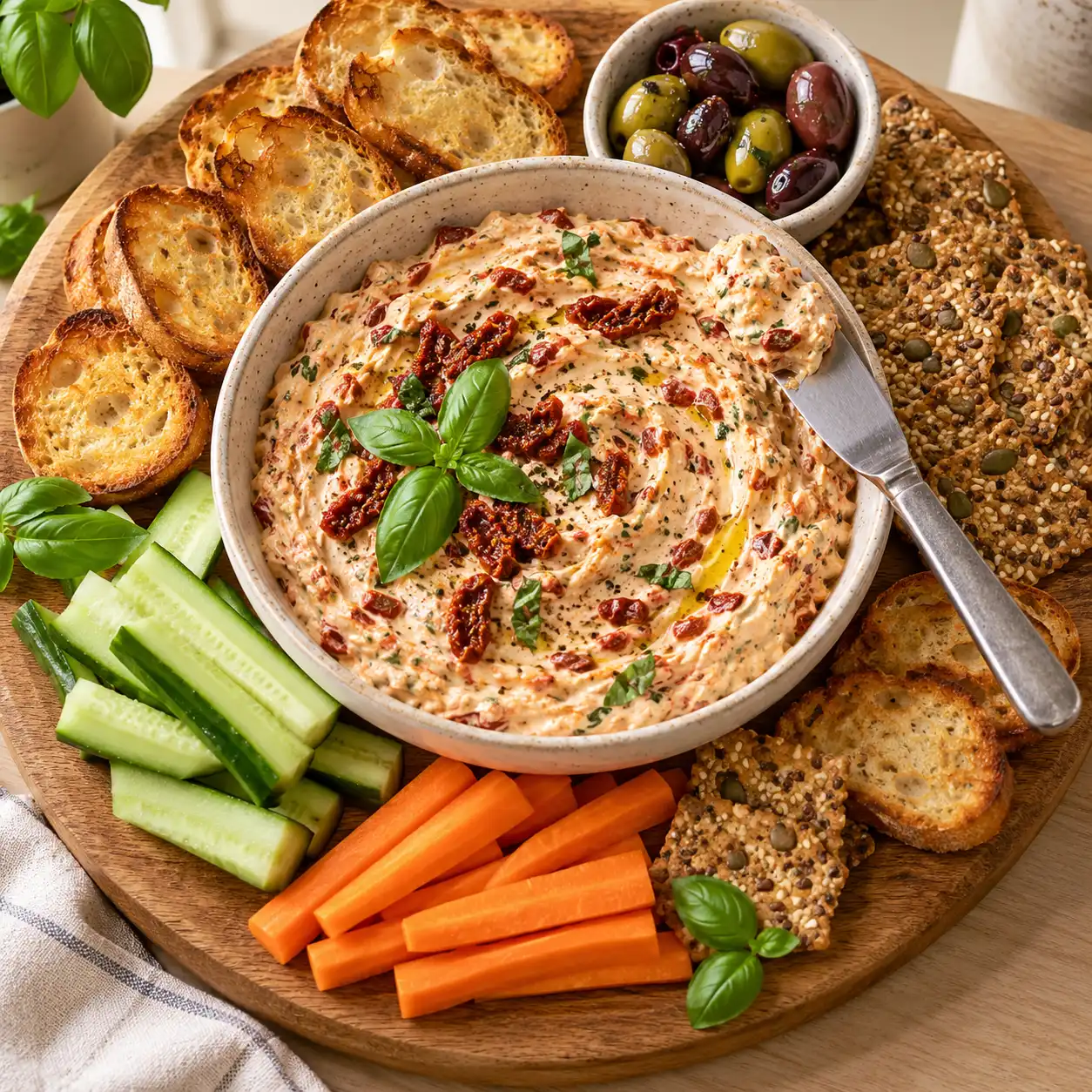
The success of a Vegetarian Charcuterie Dip often depends on what you choose to dip into it. Fresh, seasonal vegetables provide a refreshing crunch and a burst of color that makes the board look appetizing. Bell pepper strips, blanched asparagus, heirloom carrots, and radishes are excellent choices. These dippers offer a natural sweetness that complements savory spreads without adding unnecessary calories. When selecting vegetables, aim for a variety of colors to create a visually striking arrangement. This approach ensures that your Vegetarian Charcuterie Dip is the star of a healthy and balanced snack selection.
Artisanal Breads and Gourmet Crackers
Breads and crackers provide the necessary structure for heavier dips. Sourdough baguette slices, seeded crackers, and toasted pita points are standard favorites that hold up well under the weight of a thick Vegetarian Charcuterie Dip. For a more sophisticated touch, you might serve your dip alongside a classic bruschetta recipe, using the toasted bread as a dual-purpose vehicle for both the tomato topping and your custom dip. Choosing high-quality, whole-grain or sourdough options improves the flavor profile and provides a more satisfying chew, ensuring your guests enjoy every component of the board.
Comparison of Common Dip Bases
tbody
| Base Ingredient | Texture Profile | Best Flavor Pairing | Recommended Dipper |
|---|---|---|---|
| Chickpeas | Dense and Grainy | Cumin and Lemon | Warm Pita Bread |
| Greek Yogurt | Light and Creamy | Dill and Cucumber | Raw Carrot Sticks |
| Roasted Peppers | Soft and Chunky | Smoked Paprika | Toasted Crostini |
| Whipped Feta | Rich and Airy | Honey and Thyme | Apple Slices |
Presentation and Styling Tips
Using Garnishes for Visual Appeal
A Vegetarian Charcuterie Dip looks much more professional when finished with thoughtful garnishes. Instead of leaving the surface flat, use the back of a spoon to create swirls and divots. These crevices are perfect for holding pools of olive oil, sprinklings of za’atar, or a handful of toasted pine nuts. Fresh herbs, such as chopped parsley or chives, add a pop of green that signals freshness. These small details transform a simple bowl of dip into a focal point of the party, encouraging guests to dive in and try the different flavor combinations you have prepared.
Managing Temperature and Safety
Maintaining the right temperature is vital for both the flavor and safety of your Vegetarian Charcuterie Dip. Dairy-based dips should not sit out at room temperature for more than two hours. To keep them cool during a long party, you can place the serving bowl inside a larger bowl filled with ice. Conversely, bean-based dips like hummus are more resilient but still benefit from being kept out of direct sunlight. Always provide separate serving spoons for each dip to prevent cross-contamination, ensuring that your Vegetarian Charcuterie Dip remains fresh and appealing from the start of the event to the finish.
FAQs
What can I use instead of dairy for a creamy dip?
You can achieve a creamy texture without dairy by using soaked cashews, silken tofu, or thick coconut cream. Blending these with a bit of lemon juice and nutritional yeast provides a savory, cheese-like flavor that works perfectly in any Vegetarian Charcuterie Dip.
How long can I store a homemade Vegetarian Charcuterie Dip?
Most homemade vegetarian dips will last between three to five days when stored in an airtight container in the refrigerator. However, dips containing fresh herbs or raw garlic may lose their brightness after the second day, so they are best enjoyed shortly after they are made.
What are the best gluten-free dippers for a vegetarian board?
In addition to fresh vegetables, you can use corn tortillas, rice crackers, or gluten-free bread sticks. Many modern grocery stores also offer crackers made from almond flour or seeds, which provide a sturdy and flavorful gluten-free option for your guests.
Conclusion
Creating a standout Vegetarian Charcuterie Dip is an art that combines fresh ingredients, balanced flavors, and thoughtful presentation. By moving away from meat-heavy platters and focusing on the richness of plants, you provide a sophisticated and inclusive snack option for any occasion. Whether you prefer the tang of a yogurt base or the heartiness of roasted vegetables, the right dip can transform your appetizer board into a culinary highlight. With the tips and recipes provided, you are now ready to serve a Vegetarian Charcuterie Dip that will impress your guests and keep them asking for your secret recipe.


