Carne de tripa is a beloved ingredient in many traditional cuisines, especially within Mexican food culture. While it might seem intimidating to those who haven’t tried it, this unique cut of meat offers a wonderful texture and a deep, savory flavor that keeps people coming back for more. In this guide, we will look at how to prepare, clean, and cook this specialty so you can enjoy it at home or know exactly what to order at your favorite taco spot.
Table of Contents
What Exactly is Carne de Tripa?
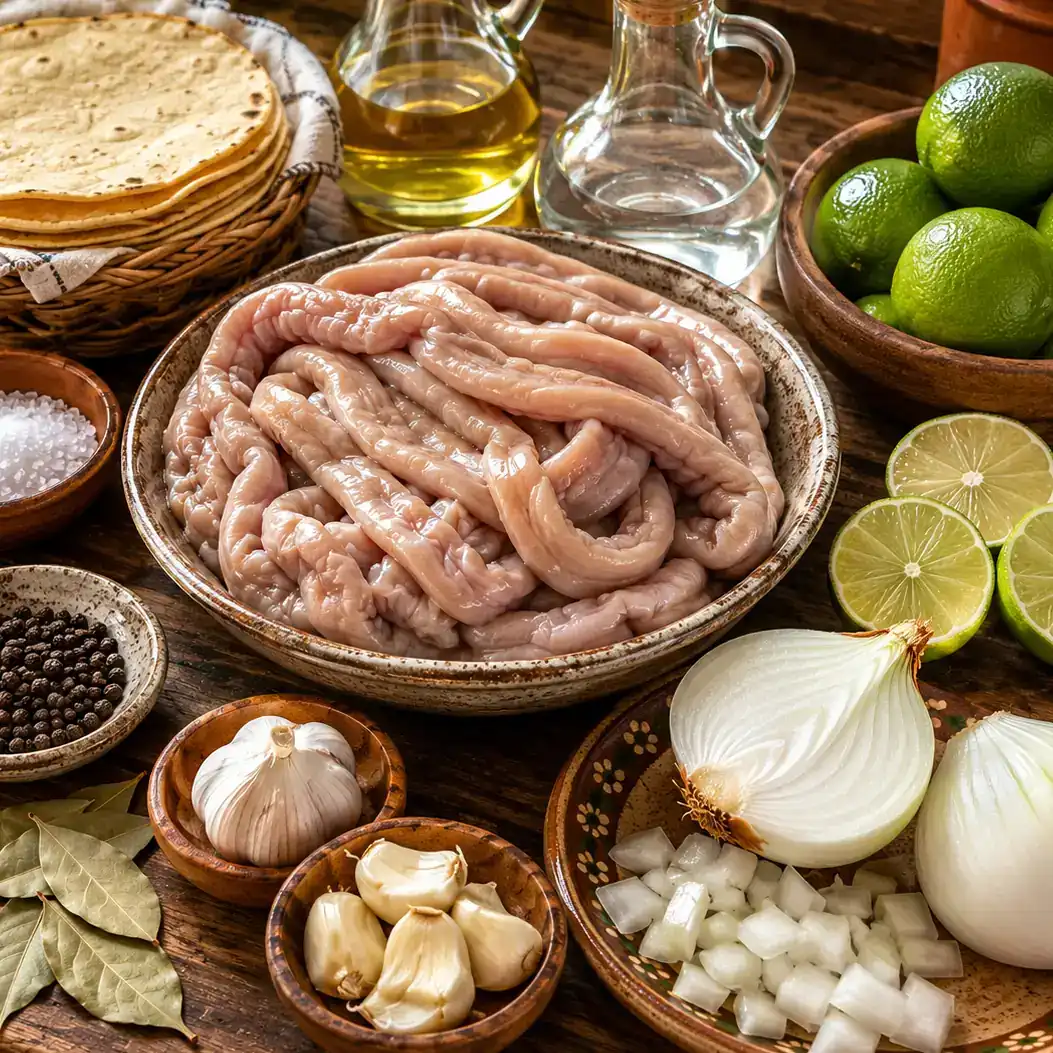
When people talk about carne de tripa, they are referring to beef tripe. This is the edible lining from the stomach of a cow. It is not a standard muscle meat like steak or brisket, which gives it a very different profile in terms of both taste and mouthfeel. There are several different types of tripe depending on which stomach chamber it comes from, including blanket tripe, honeycomb tripe, and book tripe. Each has a slightly different look and feel when cooked.
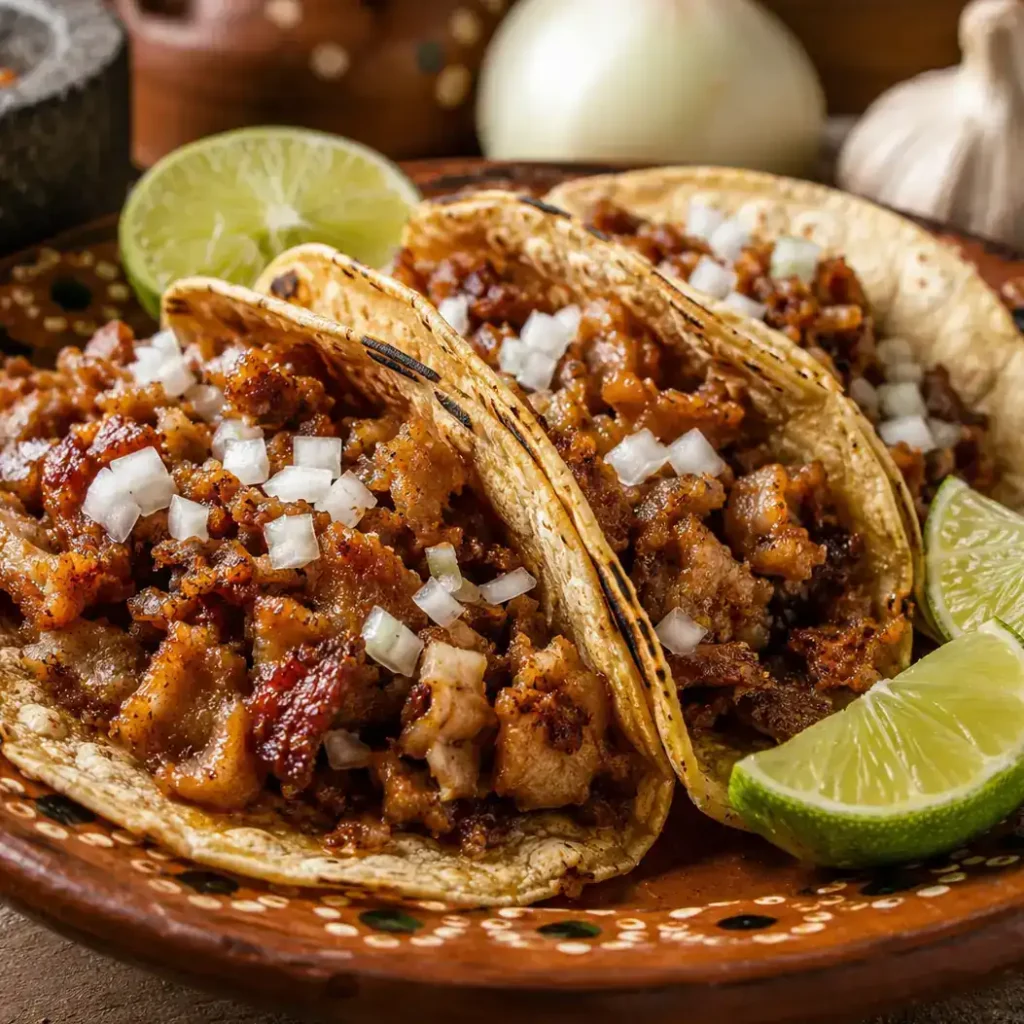
The most common type found in street-style tacos is the small intestine, which is often cleaned thoroughly and then boiled before being fried to a crisp. This specific cut is what most enthusiasts mean when they crave a plate of authentic tripas. Understanding the nature of tripe meat helps you appreciate why it requires a bit of extra care during the preparation phase. It is a tough cut by nature, but with the right techniques, it becomes tender and delicious.
The Different Varieties of Beef Tripe
The first stomach chamber produces what is known as blanket or flat tripe. It is smooth and usually the least expensive. The second chamber gives us honeycomb tripe, which is widely considered the best variety due to its beautiful pattern and ability to hold onto juices and seasonings. The third chamber provides omasum or book tripe, which has many thin folds. While carne de tripa usually focuses on the intestines for tacos, these other parts are staples in hearty soups and stews across the globe.
Print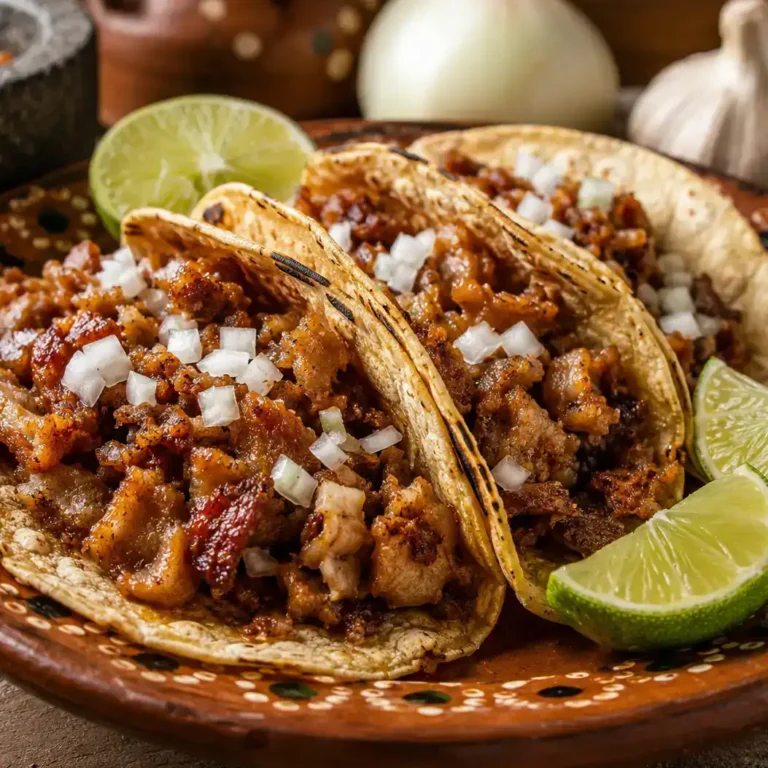
Everything You Need to Know About Carne de Tripa
A traditional Mexican delicacy featuring beef small intestines cleaned, simmered until tender, and fried to crispy perfection for the ultimate taco filling.
- Total Time: 2 hours 45 minutes
- Yield: 4 servings 1x
Ingredients
- 2 lbs beef small intestines (tripas)
- 1 medium white onion, halved
- 4 cloves garlic, smashed
- 2 bay leaves
- 1 tbsp salt
- 1 tsp black pepper
- 1/4 cup vegetable oil or lard
- 12 corn tortillas
- 1/2 cup chopped fresh cilantro
- 1/2 cup finely diced white onion
- 2 limes, cut into wedges
- 1/2 cup salsa verde
Instructions
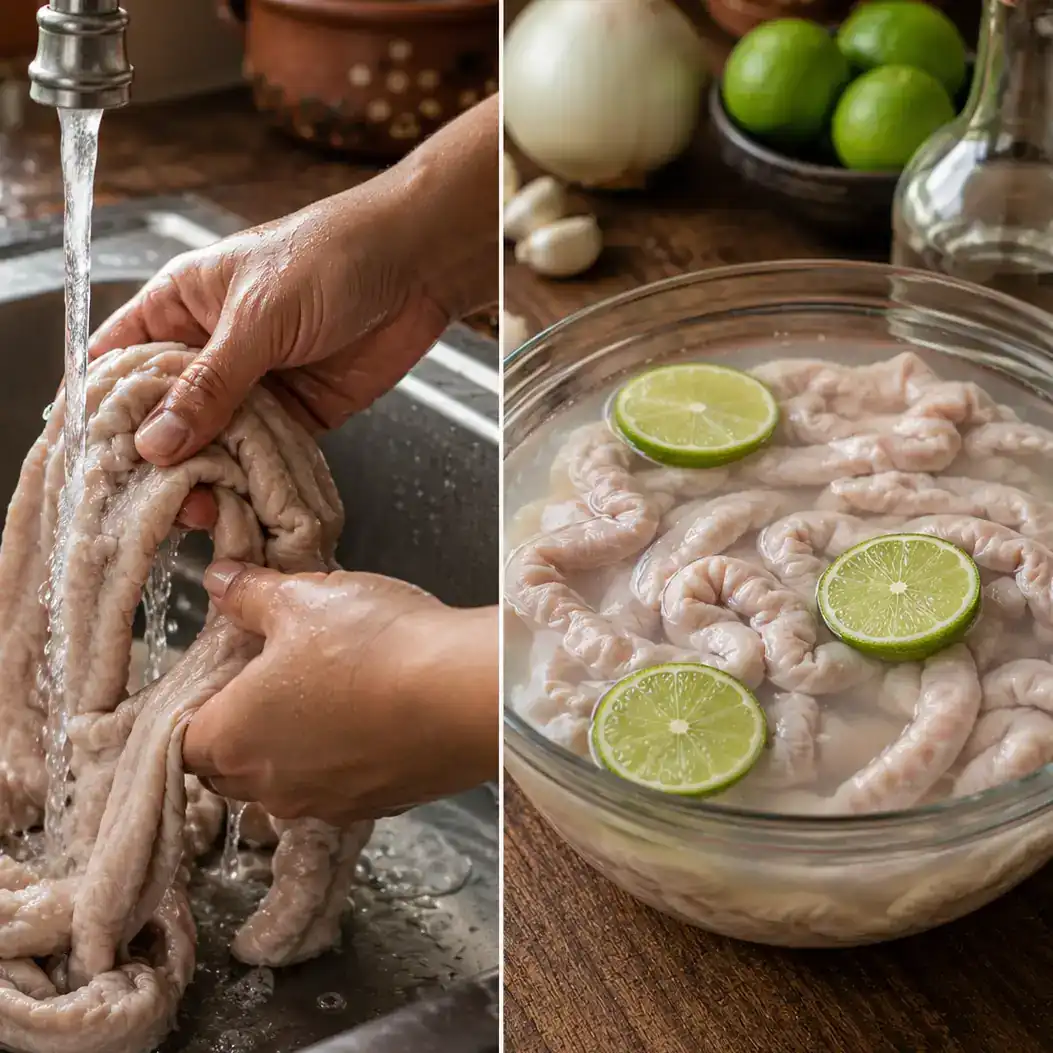
- Step 1: Clean Tripas – Run cold water through the inside of the intestines to thoroughly rinse away debris.
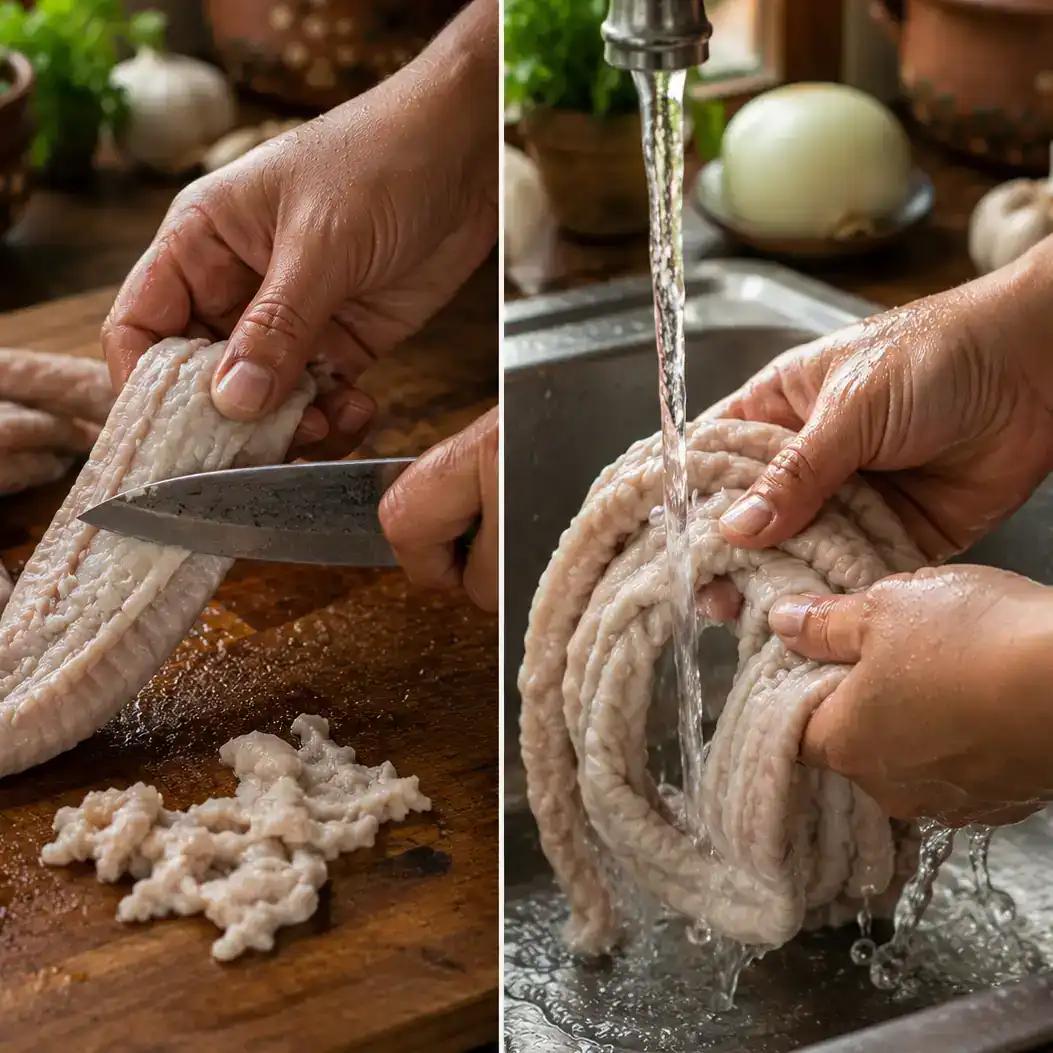
- Step 2: Trim Fat – Use a knife to remove excess external fat, leaving just enough for flavor and texture.
- Step 3: Slice Segments – Cut the cleaned intestines into manageable pieces, approximately 2 to 3 inches long.
- Step 4: Prepare Pot – Place the tripas in a large stock pot and cover with water by at least two inches.
- Step 5: Add Aromatics – Add the halved onion, smashed garlic, bay leaves, and salt to the pot.
- Step 6: Simmer Meat – Bring to a boil, then reduce heat and simmer for 1.5 to 2 hours until tender.
- Step 7: Drain and Dry – Drain the tripas in a colander and pat them completely dry with paper towels.
- Step 8: Fry to Crisp – Heat oil in a heavy skillet and fry the tripas over medium-high heat until golden brown.
- Step 9: Assemble Tacos – Serve the crispy tripas on warm corn tortillas topped with cilantro, diced onion, and lime.
Notes
Ensuring the tripas are completely dry before frying is the secret to achieving a perfect ‘tripitas’ crunch without dangerous oil splatters.
- Prep Time: 30 minutes
- Cook Time: 2 hours 15 minutes
- Category: Main Course
- Method: Simmering and Frying
- Cuisine: Mexican
- Diet: Gluten-Free
Nutrition
- Serving Size: 3 tacos
- Calories: 385 kcal
- Sugar: 1.5 g
- Sodium: 720 mg
- Fat: 24 g
- Saturated Fat: 9 g
- Unsaturated Fat: 13 g
- Trans Fat: 0.5 g
- Carbohydrates: 18 g
- Fiber: 3 g
- Protein: 26 g
- Cholesterol: 165 mg
Keywords: Tripas, Carne de Tripa, Tacos, Mexican Street Food, Offal, Crispy Tripe
Why People Love Carne de Tripa
The appeal of carne de tripa lies in its versatility. Depending on how long you cook it and the heat level you use, you can achieve a texture that ranges from soft and chewy to incredibly crispy. Fans of Mexican street food often prefer “tripas bien doraditas,” which means the meat has been fried until it is golden brown and crunchy. This contrast between the crispy exterior and the rich, savory flavor is what makes it a standout choice for many food lovers.
Beyond the taste, there is a strong cultural connection to this meat. It represents a “nose-to-tail” eating philosophy where every part of the animal is respected and used. For many, the smell of carne de tripa frying on a griddle brings back memories of family gatherings and late-night visits to local food stalls. It is a comfort food that provides a sense of community and tradition in every bite.
Essential Cleaning and Preparation Steps
Cleaning is the most important part of working with carne de tripa. Because it comes from the digestive tract, it must be washed multiple times to remove any impurities and to take away the strong “gamey” scent that some people find off-putting. Taking your time during this stage will make a huge difference in the final flavor of your dish. Most professional chefs suggest using acidic elements like lime juice or vinegar during the soaking process to help neutralize odors.
Step 1: Initial Rinse – Start by placing the carne de tripa under cold running water. Rinse it thoroughly, making sure to let water pass through the inside of the tubes if you are using small intestines.
Step 2: Vinegar Soak – Place the meat in a large bowl and cover it with water, a cup of white vinegar, and a handful of coarse salt. Let it sit for at least 30 minutes to help break down any remaining residue.
Step 3: Scrape and Trim – Use a dull knife to gently scrape the surface of the tripe, removing any excess fat or bits that don’t look clean. You want a consistent, clean surface before you start the cooking process.
Step 4: Final Rinse – Wash the meat one last time under cold water until the water runs clear. At this point, the carne de tripa should have a mild, clean smell and be ready for the pot.
How to Cook Carne de Tripa for Maximum Flavor
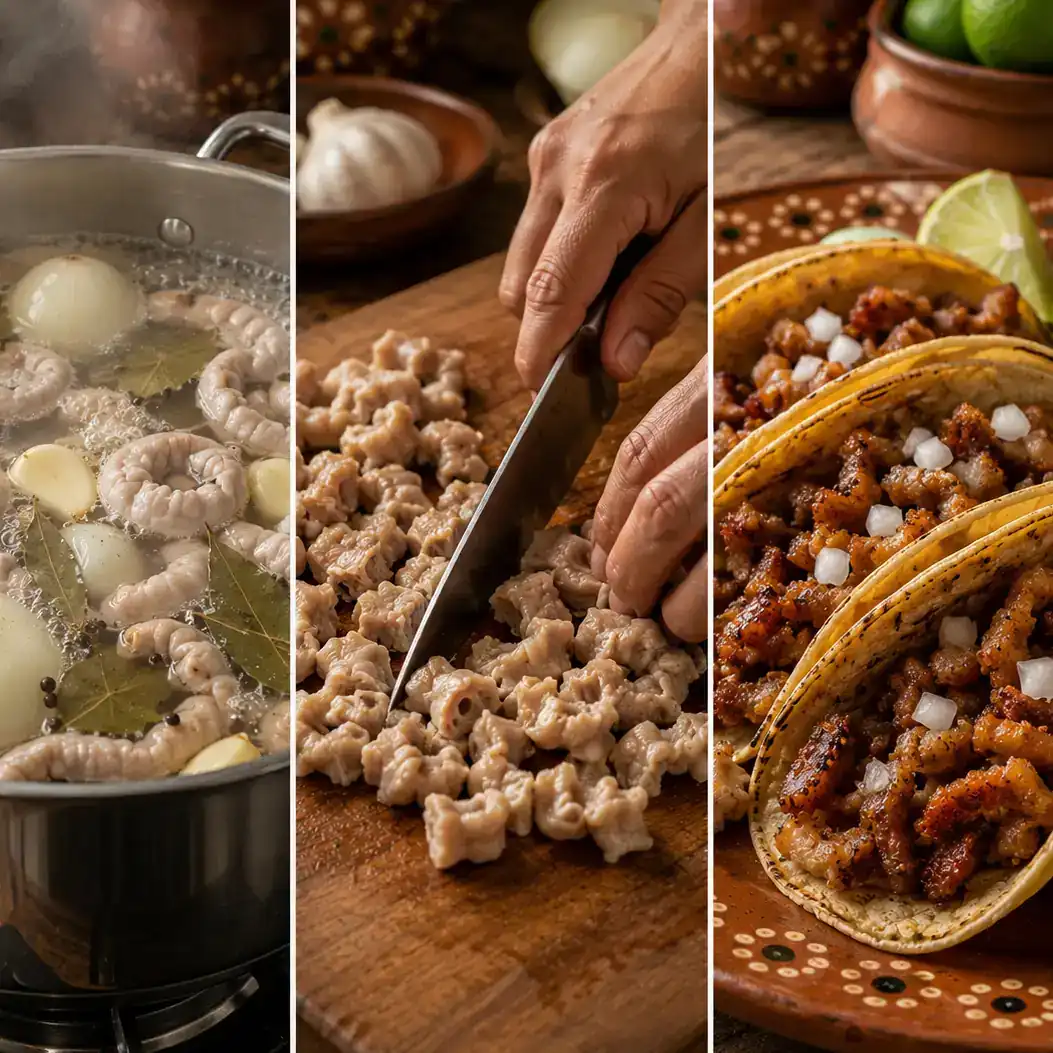
Once your meat is clean, the next phase is a long, slow simmer. You cannot simply throw raw tripe onto a frying pan; it would be far too tough to eat. Most traditional recipes involve boiling the meat with aromatics like onion, garlic, and bay leaves until it is fork-tender. This initial cook can take anywhere from two to three hours depending on the age of the beef and the specific cut you are using. After the boiling is done, you have the base for a great tripe recipe that can be finished in several ways.
After boiling, the meat is usually chopped into smaller pieces. This is when the magic happens on the stove or griddle. You can fry the pieces in a little bit of vegetable oil or beef tallow. If you like it soft, a quick sear is enough. If you want that famous crunch, you should let it fry on medium-high heat until the edges turn dark brown. Seasoning with salt and maybe a little squeeze of lime at the very end will bring out the natural richness of the carne de tripa.
Famous Dishes Featuring Carne de Tripa
The most iconic way to serve this meat is in tacos de tripa. These are usually served on small corn tortillas with a simple topping of chopped white onion and fresh cilantro. A spicy salsa verde or salsa roja is the perfect companion, as the acidity of the salsa cuts through the richness of the meat. Some people also enjoy mixing tripe with other cuts of beef, similar to how different meats are combined in a campechano taco to create a complex flavor profile.
Another very popular dish is Menudo, a traditional Mexican soup. In this dish, the tripe is simmered for hours in a broth seasoned with dried red chilies, oregano, and hominy. It is often served as a weekend breakfast or a cure for a long night out. The slow-cooked meat becomes incredibly tender, absorbing all the spicy and earthy notes of the chili-based broth. It is a soul-warming meal that showcases the softer side of this versatile ingredient.
Nutritional Profile and Health Benefits
Many people are surprised to learn that carne de tripa is actually quite nutritious. It is a great source of high-quality protein while being relatively low in calories compared to other beef cuts, provided it isn’t deep-fried in excessive oil. It is particularly rich in Vitamin B12, which is vital for nerve function and energy levels. It also contains significant amounts of zinc, which helps the immune system, and phosphorus, which is good for bone health.
While the meat itself is healthy, it is always a good idea to balance your meal with other food groups. Pairing your tacos with plenty of fresh vegetables or looking for high fiber foods for weight loss and general health can help you feel full and satisfied. Adding a side of beans or a fresh salad to your carne de tripa dinner makes the meal more complete and provides the fiber your body needs to digest proteins efficiently. Using healthy fats for frying, like olive oil or avocado oil, is another way to keep the dish on the lighter side.
Vitamins and Minerals in Beef Tripe
- Zinc: Supports metabolic function and the immune system.
- Vitamin B12: Essential for healthy red blood cells and brain function.
- Selenium: Acts as a powerful antioxidant in the body.
- Calcium: Small amounts are present, contributing to bone strength.
The Global Influence of Beef Tripe
While we often associate this meat with Mexican cuisine, it is used in kitchens all over the world. In Italy, “Trippa alla Fiorentina” is a classic dish where the meat is slow-cooked in a rich tomato sauce with vegetables and topped with Parmesan cheese. In France, “Tripes à la mode de Caen” uses a similar slow-cooking method but includes carrots, onions, and various herbs to create a delicate and refined flavor. It is fascinating to see how the same basic ingredient is adapted to fit different regional palates.
According to historical records on Tripe, this ingredient has been a part of human diets for centuries because it was affordable and nutrient-dense. Many Asian countries also have a long history of using it in hot pots, dim sum, and stir-fries. The texture is highly valued in Chinese cooking, where “crunchy” and “springy” mouthfeels are sought after by gourmets. No matter where you go, you are likely to find a culture that has perfected its own way of serving carne de tripa.
Common Cooking Comparisons
| Cooking Method | Texture Result | Best For |
|---|---|---|
| Slow Boiling | Soft & Tender | Soups (Menudo) and Stews |
| Pan Frying | Crispy & Chewy | Street-Style Tacos |
| Deep Frying | Very Crunchy | Snacks or Garnishes |
| Braising | Silky & Rich | Italian-Style Trippa |
Tips for Buying the Best Meat
When you head to the butcher or the grocery store to buy carne de tripa, look for meat that is pale or cream-colored. If it looks grey or has a very dark tint, it might not be the freshest option. While some tripe is sold “bleached” (which gives it a very white appearance), many traditional cooks prefer the unbleached variety as it often retains more flavor. Just be aware that unbleached tripe will require a bit more cleaning at home.
Always check the smell before purchasing. While beef tripe has a distinct scent, it should never smell sour or overly pungent. If you are buying it from a butcher, don’t be afraid to ask when it was delivered. Freshness is key because the texture can degrade if it sits too long. If you aren’t planning to cook it the same day, make sure to store it in the coldest part of your refrigerator and use it within 24 hours for the best results.
FAQs
Is carne de tripa healthy?
Yes, it is a lean source of protein and contains essential vitamins like B12 and minerals like zinc. To keep it healthy, focus on boiling or lightly sautéing rather than deep-frying in heavy fats. It is a great option for those looking for nutrient-dense meats that are different from the usual chicken or steak.
How do I stop tripe from being rubbery?
The secret to preventing a rubbery texture is long, slow cooking. You must boil it until it is tender before you attempt any other cooking method. If you skip the boiling stage and go straight to frying, it will be very difficult to chew. Patience is your best friend when preparing this cut.
Can I freeze carne de tripa?
You can freeze it, but it is best to do so after it has been thoroughly cleaned. Wrap it tightly in plastic wrap and then place it in a freezer bag to prevent freezer burn. It can stay in the freezer for up to three months. When you are ready to use it, thaw it slowly in the refrigerator overnight.
What does it taste like?
On its own, the flavor is relatively mild and slightly earthy. Its main appeal is how it absorbs the flavors of the ingredients it is cooked with, like garlic, onions, and chili peppers. The texture is the standout feature, offering a satisfying bite that is unlike any other part of the cow.
Is it the same as chitterlings?
No, they are different. Chitterlings are typically made from pig intestines, while carne de tripa refers to the stomach lining or small intestines of beef. Since this guide strictly avoids any pig products, we focus only on the beef-based tripe used in traditional recipes.
Conclusion
Carne de tripa is a wonderful ingredient that offers a unique culinary experience for anyone willing to try it. From the careful cleaning process to the slow simmering and final crisping, every step contributes to a dish that is rich in history and flavor. Whether you are enjoying it in a spicy bowl of Menudo or a pair of perfectly browned street tacos, you are partaking in a tradition that spans the globe. We hope this guide helps you feel more comfortable preparing this specialty in your own kitchen.