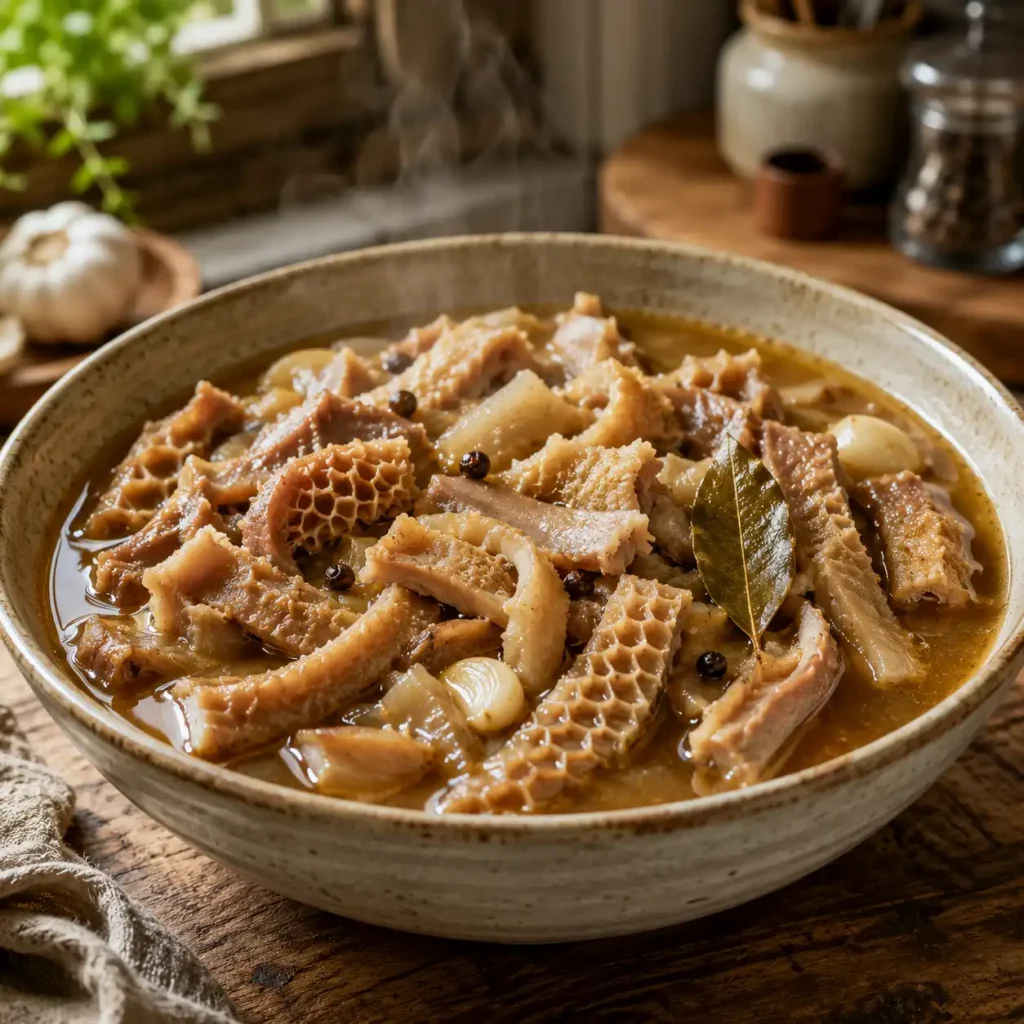
Tripe meat refers to the edible muscle lining found in the stomachs of various farm animals, most commonly cattle. While it might seem like a niche ingredient in some Western circles, tripe meat is a cornerstone of traditional cooking in cultures ranging from Asia to South America. Known for its distinct texture and ability to absorb complex flavors, this organ meat provides a unique culinary experience. Beyond the taste, it offers a dense profile of essential nutrients that support a balanced and healthy diet.
Table of Contents
What Exactly Is Tripe Meat?
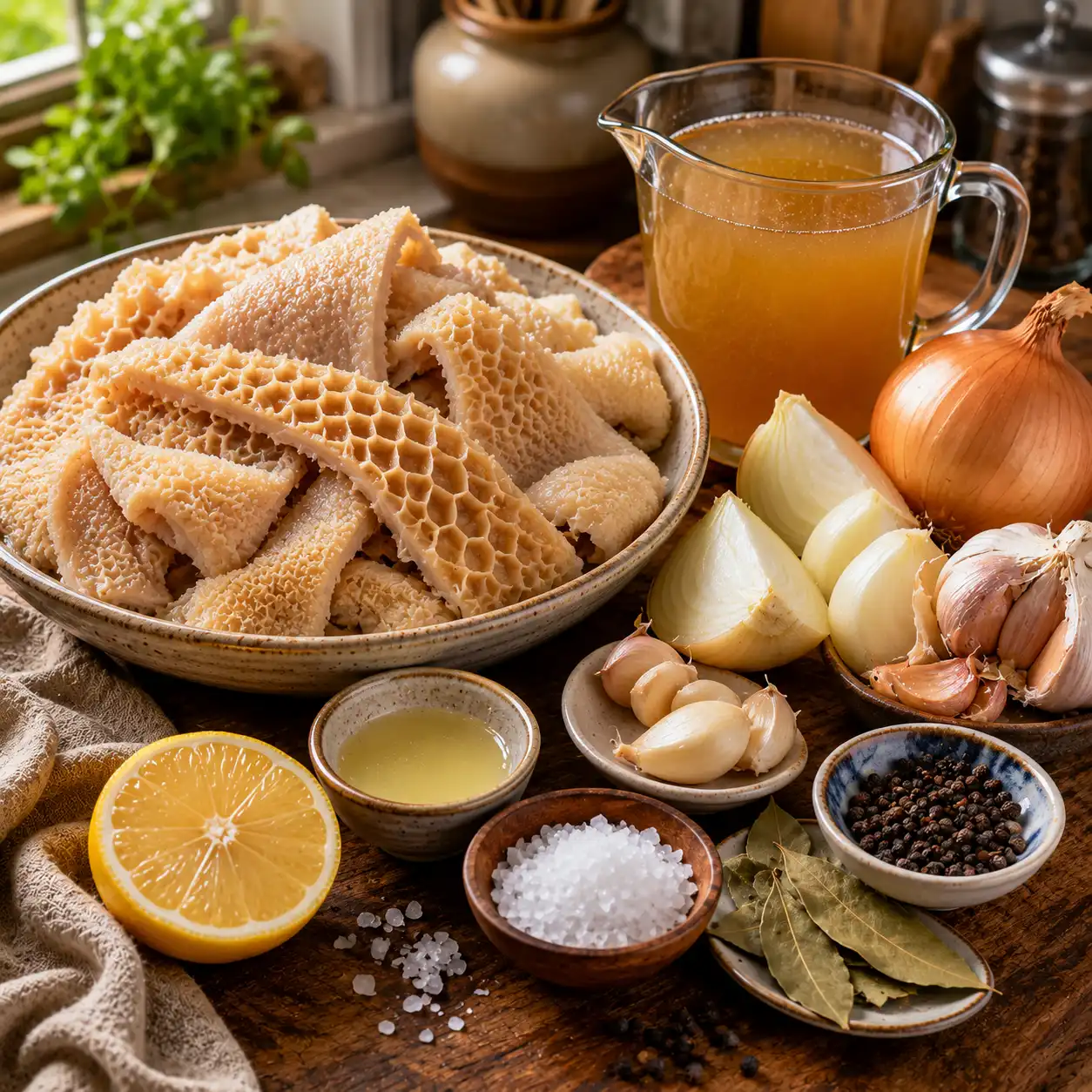
To understand tripe meat, one must look at the digestive system of ruminant animals like cows. A cow has a stomach with four distinct compartments, and each section produces a different variety of tripe. The quality and culinary use of the meat depend largely on which chamber it comes from. Because it is a tough muscle, it requires long, slow cooking times to break down the connective tissues and reach a tender, palatable consistency.
The Four Varieties of Beef Tripe
The first chamber, the rumen, produces what is known as flat or blanket tripe. This version is smooth and lacks the intricate patterns seen in other types. The second chamber, the reticulum, gives us honeycomb tripe, which is widely considered the best variety for cooking due to its beautiful geometric structure and superior ability to hold sauces. The third chamber, the omasum, yields “book” or leaf tripe, characterized by thin, leaf-like folds. Finally, the abomasum produces reed tripe, which is the least common variety used in commercial kitchens but still prized in specific regional dishes.
The Cleaning and Preparation Process
In its raw state, tripe meat requires significant attention before it is ready for the pot. Most tripe meat sold in modern butcher shops has been “bleached” or “scalded,” meaning it has been cleaned of grit and partially cooked. If you purchase green tripe, which is unwashed, you must spend considerable time scrubbing, soaking, and boiling it to remove impurities. Professional chefs often soak the meat in a mixture of lemon juice or vinegar and salt to neutralize its natural scent and prepare it for the slow-simmering process that follows.
Print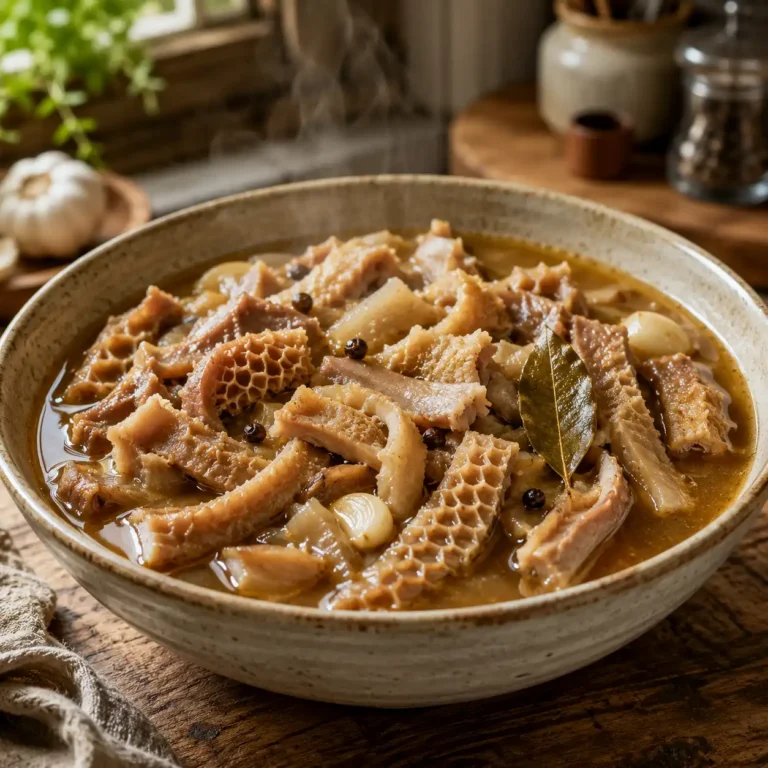
Classic Savory Braised Tripe
A traditional slow-cooked beef tripe dish simmered in a rich tomato and herb broth, highlighting the ingredient’s unique texture and nutrient-dense profile.
- Total Time: 3 hours 40 minutes
- Yield: 6 servings 1x
Ingredients
- 2 lbs beef honeycomb tripe, thoroughly cleaned
- 2 tablespoons olive oil
- 1 large yellow onion, finely diced
- 2 medium carrots, sliced into rounds
- 2 stalks celery, chopped
- 4 cloves garlic, minced
- 1 can (15 oz) crushed tomatoes
- 4 cups beef bone broth
- 1 tablespoon tomato paste
- 1 teaspoon dried oregano
- 2 dried bay leaves
- Salt and black pepper to taste
- 1/4 cup fresh Italian parsley, chopped
- 1 teaspoon red pepper flakes (optional)
Instructions
- Step 1: Clean Tripe – Scrub the tripe with coarse salt and vinegar, then rinse under cold running water multiple times.
- Step 2: Parboil Meat – Place tripe in a large pot of water, bring to a boil for 15 minutes, then drain and discard water.
- Step 3: Slice Tripe – Cut the parboiled tripe into bite-sized strips or squares about 1 inch wide.
- Step 4: Sauté Aromatics – Heat olive oil in a heavy-bottomed pot and cook onion, carrots, and celery until softened.
- Step 5: Season Base – Add minced garlic, tomato paste, and red pepper flakes, stirring for 2 minutes until fragrant.
- Step 6: Combine Ingredients – Add tripe strips, crushed tomatoes, beef broth, oregano, and bay leaves to the pot.
- Step 7: Slow Braise – Cover and simmer on low heat for 2.5 to 3 hours until the tripe is fork-tender.
- Step 8: Final Seasoning – Remove bay leaves, stir in fresh parsley, and adjust salt and pepper before serving.
Notes
Cleaning is the most important step; if the tripe is not ‘bleached’ white from the store, it may require more rigorous scrubbing and longer parboiling.
- Prep Time: 40 minutes
- Cook Time: 3 hours
- Category: Main Course
- Method: Braising
- Cuisine: Mediterranean
- Diet: High-Protein
Nutrition
- Serving Size: 1.5 cups
- Calories: 245 kcal
- Sugar: 4g
- Sodium: 780mg
- Fat: 11g
- Saturated Fat: 3.5g
- Unsaturated Fat: 7.5g
- Trans Fat: 0.1g
- Carbohydrates: 9g
- Fiber: 2g
- Protein: 28g
- Cholesterol: 165mg
The Nutritional Profile of Tripe Meat
Many people overlook tripe meat when considering healthy protein sources, but it is remarkably nutrient-dense. It is naturally low in calories and fat compared to many muscle meats, making it an excellent choice for those watching their caloric intake. According to the USDA FoodData Central, beef tripe provides a high concentration of protein, which is essential for muscle repair and metabolic function. It also contains significant amounts of vitamin B12, selenium, and zinc, which are vital for a healthy immune system and neurological health.
A Rich Source of Protein and Minerals
Protein is the primary macronutrient in tripe meat, providing the building blocks for every cell in the human body. Because it contains very little fat, it is a “lean” organ meat. The presence of zinc in tripe meat supports wound healing and DNA synthesis, while selenium acts as a powerful antioxidant. For individuals looking to maintain a healthy weight, incorporating lean proteins like this can be a smart move, especially when paired with high fiber foods for weight loss to create a satiating and balanced meal plan.
Collagen and Gut Health
One of the standout features of tripe meat is its high gelatin and collagen content. When tripe meat is simmered for several hours, the connective tissues melt into gelatin, which provides a rich mouthfeel to soups and stews. This gelatin is highly beneficial for joint health and skin elasticity. Many traditional health practitioners also suggest that the amino acids found in gelatin support the lining of the digestive tract. You can find similar benefits in various gelatin recipes for gut health, which emphasize the importance of these structural proteins in a modern diet.
Tripe Meat in Global Cuisines
The versatility of tripe meat has allowed it to feature in some of the world’s most famous comfort foods. Each culture has developed its own method for softening the meat and pairing it with local spices. Whether it is used in a fiery soup or a savory stir-fry, the key is always patience. Because tripe meat has a very mild, almost neutral flavor on its own, it acts as a sponge for the ingredients around it, making it a favorite for bold, aromatic preparations.
Classic European Traditions
In Italy, “Trippa alla Fiorentina” is a beloved dish where honeycomb tripe is simmered with tomatoes, onions, and carrots. Similarly, in the Mediterranean and Balkan regions, organ meats have long been a part of the diet. While dishes like a traditional moussaka recipe typically use minced lamb or beef, some regional variations incorporate offal to add depth and texture to the meat layers. These traditions highlight a “nose-to-tail” eating philosophy that minimizes waste and maximizes nutritional intake.
Asian and Latin American Favorites
In Vietnam, tripe meat is a mandatory topping for many versions of Pho, adding a chewy contrast to the soft rice noodles and tender brisket. Across Latin America, “Menudo” is a famous beef tripe soup often served at large family gatherings. It typically features beef tripe, hominy, and a rich chili-based broth. These dishes are celebrated not just for their flavor but for their perceived restorative properties. For a complete meal, these hearty soups are often followed by light, citrusy sides to balance the richness of the broth.
Greek Comfort Foods
Greece also has a strong tradition of using tripe in “Patsas,” a soup often eaten after late-night events to soothe the stomach. The broth is usually seasoned with garlic and vinegar. For those who enjoy the creamy, lemony profile of Greek cuisine, pairing tripe meat with flavors similar to those found in avgolemono soup can create a wonderful fusion of textures. The acidity of the lemon helps cut through the gelatinous nature of the tripe, making the dish feel light yet satisfying.
Step-by-Step Guide to Cooking Tripe Meat
Cooking tripe meat at home can be intimidating for beginners, but the process is straightforward if you follow the correct sequence. The goal is to move from a tough, rubbery texture to one that is tender and succulent. Following these steps will help you achieve a professional result in your own kitchen without needing specialized equipment.
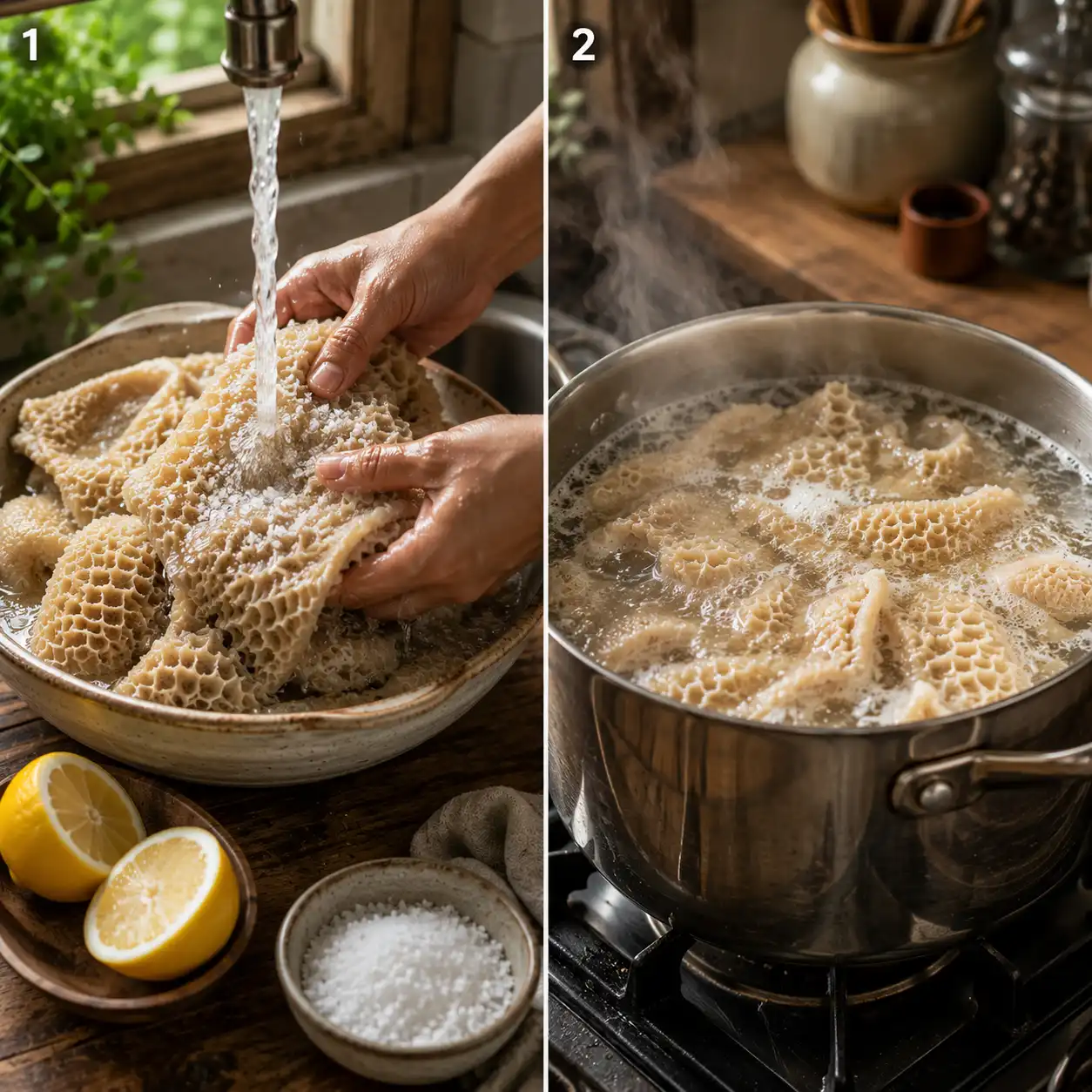
- Step 1: Proper Rinsing – Thoroughly wash the tripe meat under cold running water. Even if it appears clean from the butcher, give it a good scrub with salt and lemon juice to remove any lingering debris or unwanted scents.
- Step 2: The First Boil – Place the meat in a large pot and cover with water. Bring it to a rolling boil for about 10 to 15 minutes. This “parboiling” step is crucial for removing any deep-seated impurities and softening the outer layers of the muscle.
- Step 3: Slicing and Trimming – Once the meat has cooled slightly, trim away any excessive fat or discolored bits. Slice the tripe meat into thin strips or bite-sized squares, depending on the requirements of your specific recipe.
- Step 4: The Long Simmer – Place the sliced tripe into a clean pot with fresh water or beef broth. Add aromatics like onions, garlic, and peppercorns. Simmer on low heat for 2 to 4 hours. You will know it is ready when a fork can easily pierce the meat.
- Step 5: Final Flavoring – Only add your final sauces, salts, or spices during the last 30 minutes of cooking. This allows the tripe meat to fully absorb the flavors of the dish without becoming overly salty during the long reduction process.


Comparison of Tripe Types and Culinary Uses
Choosing the right tripe meat for your dish is essential for the final texture. Each type reacts differently to heat and moisture. Using this table, you can decide which variety best suits your cooking style and the specific flavor profile you wish to achieve.
| Type of Tripe | Stomach Origin | Appearance/Texture | Best Cooking Method |
|---|---|---|---|
| Flat / Blanket | Rumen (1st) | Smooth, thick muscle | Sausages or deep-frying |
| Honeycomb | Reticulum (2nd) | Sculpted, geometric cells | Soups, stews, and braising |
| Book / Leaf | Omasum (3rd) | Thin, numerous folds | Stir-frying or quick braise |
| Reed | Abomasum (4th) | Wrinkled and thin | Slow regional stews |
Common Misconceptions About Tripe Meat
One common myth is that tripe meat is difficult to digest. In reality, when cooked properly, it is quite easy on the stomach. The long simmering process breaks down the complex proteins into simpler forms. Another misconception is that tripe meat has a very strong or offensive taste. When cleaned correctly, the flavor is actually very mild, reminiscent of a subtle beefy note. The “strong” smell people often associate with tripe is usually the result of improper cleaning of the “green” or unbleached variety. Most tripe meat available in modern supermarkets has been processed to a point where the scent is negligible.
Furthermore, some believe that tripe meat is “unhealthy” because it is an organ. However, as noted in a detailed analysis by Healthline, tripe is a low-calorie, high-protein alternative to traditional steaks and chops. It provides essential micronutrients that are sometimes lacking in standard muscle meats. By including variety in your protein sources, you can create a more balanced nutritional profile that supports overall wellness and longevity.
Conclusion
Tripe meat is a versatile, nutrient-dense ingredient that deserves a place in the modern kitchen. Its high protein content, combined with beneficial minerals and collagen, makes it a powerhouse for health-conscious eaters. While it requires time and careful preparation, the result is a tender and flavorful addition to soups, stews, and stir-fries. By embracing this traditional cut of meat, you can expand your culinary horizons and enjoy the many benefits of nose-to-tail eating.
FAQs
Is tripe meat keto-friendly?
Yes, tripe meat is excellent for a ketogenic diet. It is high in protein and contains almost zero carbohydrates. When cooked in savory fats or broths without added sugars, it fits perfectly into a low-carb lifestyle.
How long can I store tripe meat in the fridge?
Fresh tripe meat should be used within 1 to 2 days of purchase. If you cannot cook it immediately, it can be frozen for up to 3 months. Make sure to wrap it tightly in airtight packaging to prevent freezer burn.
Why is some tripe white and some green?
White tripe has been cleaned, bleached, and scalded to remove the stomach lining and any bacteria. Green tripe is raw and uncleaned, typically used in raw pet food diets because it contains natural enzymes and probiotics, though it is not suitable for human consumption without thorough cleaning.
Can I cook tripe meat in a pressure cooker?
Yes, using a pressure cooker or an Instant Pot can significantly reduce the cooking time. Instead of simmering for 3 or 4 hours, a pressure cooker can tenderize tripe meat in about 45 to 60 minutes.
What is the texture of cooked tripe meat?
When properly prepared, tripe meat has a unique texture that is slightly chewy but tender, similar to a well-cooked calamari or a dense mushroom. If it is tough or rubbery, it simply needs more time to simmer.
Disclaimer
The content provided on this website is for general informational and educational purposes only. It is not intended to replace professional medical advice, diagnosis, or treatment. I am not a licensed healthcare provider or certified nutrition expert.
1 thought on “Understanding Tripe Meat: A Guide to Its Nutrition, Preparation, and Global Culinary Value”