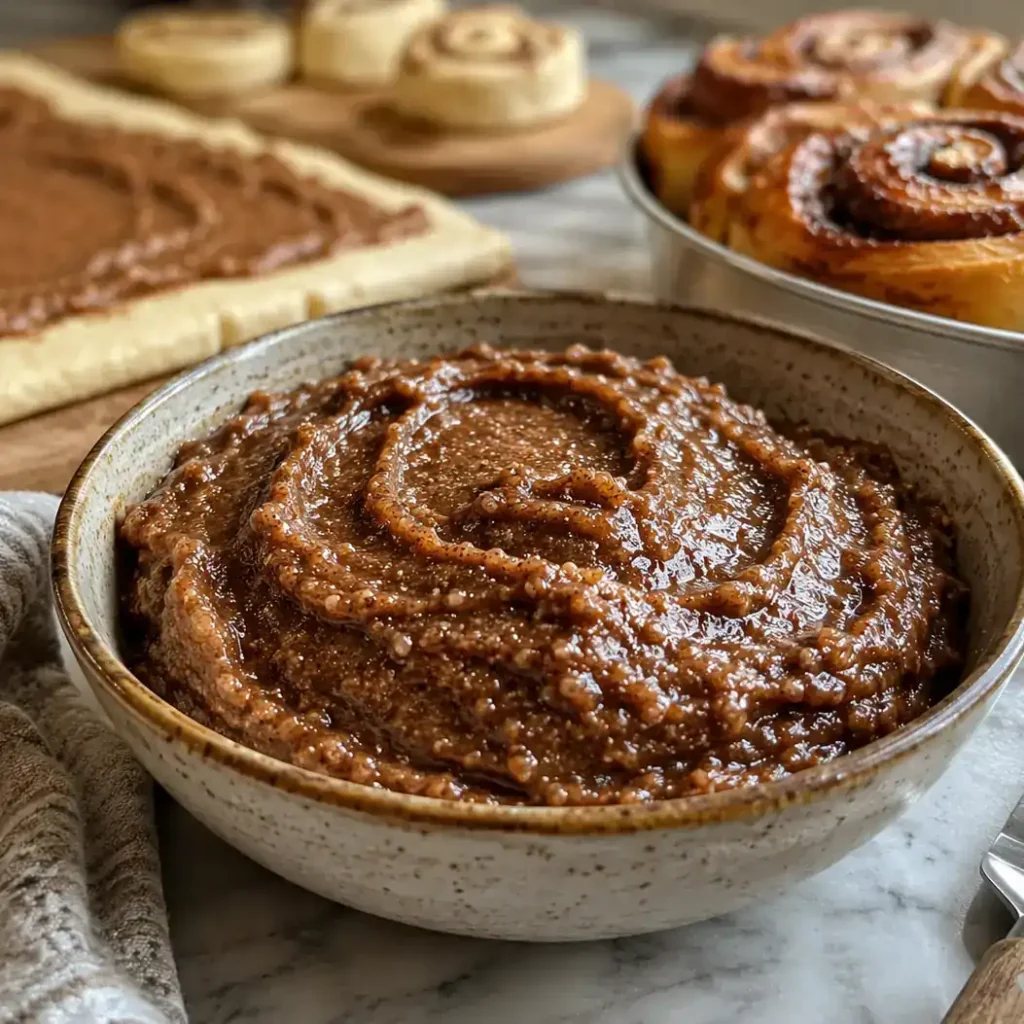
The kitchen is still dark, save for the soft glow of the oven light. Outside, the morning air is crisp, but inside, the room is slowly warming with the scent of toasted sugar and woodsy spice. As you press your thumb into the soft, pillowy dough, you realize the magic isn’t just in the bread, but in that dark, swirled center. A truly great cinnamon roll filling recipe is what transforms a simple piece of bread into a memory that lingers long after the last crumb is gone.
Table of Contents
The Core Components of a Great Cinnamon Roll Filling Recipe
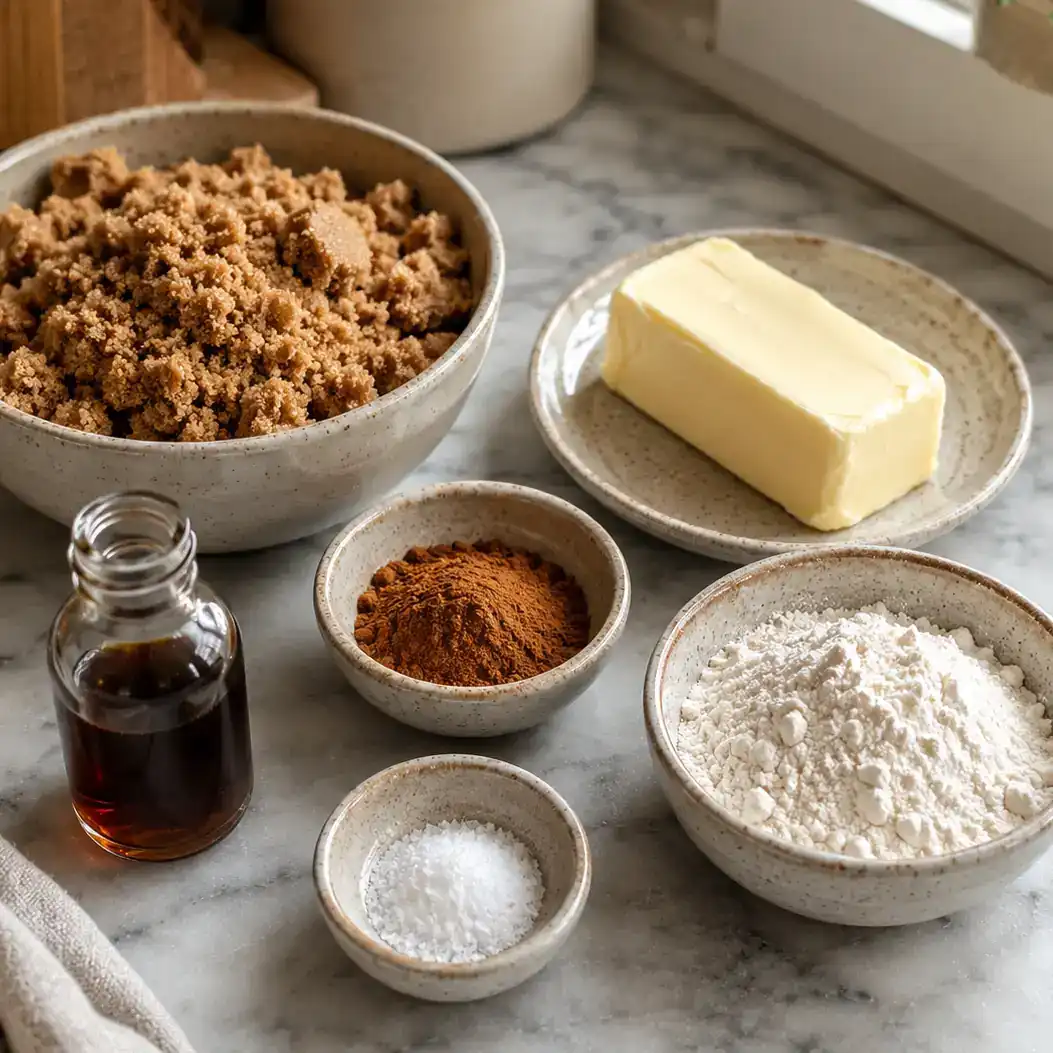
To create a masterpiece, you have to look at each part of your cinnamon roll filling recipe as a vital player in a symphony. Most people think it is just sugar and spice, but the balance of fats and textures makes the real difference. When you bit into a roll that has a gritty or dry center, it is usually because the ratios were off. A perfect cinnamon roll filling recipe needs to be thick enough to stay inside the dough while baking but soft enough to create that iconic “goo” we all crave. By focusing on high-quality butter and the right type of cinnamon, you set yourself up for success from the very first mix.
Choosing the Right Cinnamon
Not all cinnamon is created equal, and in a cinnamon roll filling recipe, the spice is the star. Most grocery stores carry Cassia cinnamon, which is bold, spicy, and holds up well under heat. However, if you want a more delicate and complex profile, you might look for Ceylon cinnamon. Many professional bakers prefer a blend of both or a specific variety like Saigon cinnamon for its intense aroma. According to The Spruce Eats, the oil content in different types of cinnamon affects how the spice interacts with the sugar during the baking process. A cinnamon roll filling recipe thrives when you use fresh spice that hasn’t been sitting in the cupboard for three years.
The Role of Butter Texture
The temperature of your butter is perhaps the most debated part of any cinnamon roll filling recipe. Some swear by melting the butter and brushing it on, while others insist on creaming it with the sugar. If you melt the butter, it often leaks out of the bottom of the pan, leading to a burnt sugar base. If you use softened, room-temperature butter and cream it into the sugar and cinnamon, you create a paste. This paste grips the dough and stays put during the rise and the bake. This method is similar to how you handle fats in other baked goods, like when preparing the dough for homemade garlic knots, where texture is everything.
Sugar Selection: Brown vs. White
While white sugar provides sweetness, brown sugar brings moisture and a deep caramel flavor. The molasses in brown sugar is what gives a cinnamon roll filling recipe that rich, dark look and sticky feel. If you use only white sugar, the filling might feel a bit thin or one-dimensional. Most bakers find that a mix of dark brown sugar and a pinch of granulated sugar offers the best of both worlds. The moisture in the dark brown sugar helps the cinnamon roll filling recipe stay hydrated even in the high heat of the oven, preventing that dreaded dry center.
Print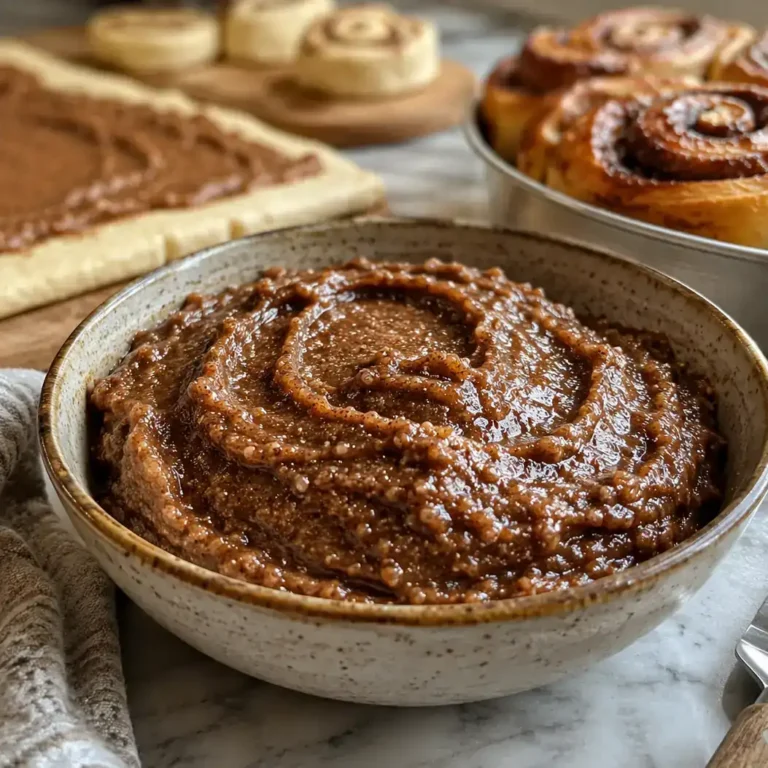
Cinnamon Roll Filling Recipe
This cinnamon roll filling recipe makes a rich, buttery, gooey cinnamon sugar paste for homemade cinnamon rolls. It uses softened butter, dark brown sugar, cinnamon, and a pinch of salt to create a thick filling that spreads easily and stays inside the rolls while baking.
- Total Time: 10 minutes
- Yield: Filling for 12 cinnamon rolls 1x
Ingredients
- 1 cup unsalted butter, softened to room temperature
- 1 1/2 cups packed dark brown sugar
- 2 tablespoons granulated sugar
- 3 to 4 tablespoons ground cinnamon
- 1/2 teaspoon fine sea salt
- 1 tablespoon all-purpose flour, optional, to help prevent leaking
Instructions
- Step 1: Soften the Butter Take the unsalted butter out of the refrigerator about 1 hour before mixing. The butter should be soft enough to press with your finger, but not melted or oily.
- Step 2: Blend the Sugars Add the packed dark brown sugar and granulated sugar to a medium mixing bowl. Use a fork or spatula to break up any large clumps.
- Step 3: Add the Cinnamon and Salt Stir in the ground cinnamon and fine sea salt until the dry ingredients are evenly combined.
- Step 4: Mix in the Butter Add the softened butter to the sugar mixture. Mash and fold everything together with a spatula until a smooth, thick, dark brown paste forms.
- Step 5: Add Flour if Needed Mix in the optional all-purpose flour if you want a thicker filling that is less likely to leak from the cinnamon rolls while baking.
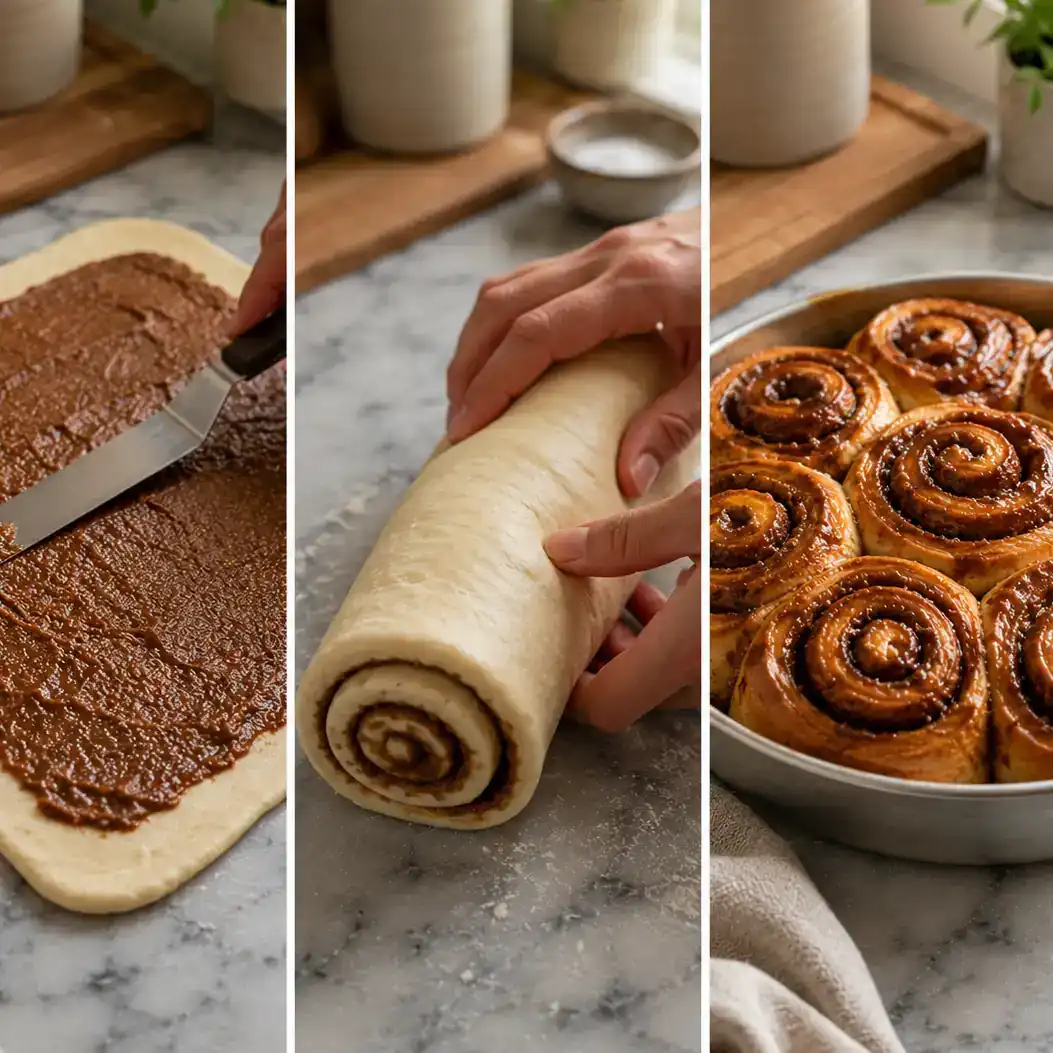
- Step 6: Spread Over Dough Spread the filling evenly over rolled-out cinnamon roll dough, leaving a small border at one edge so the dough can seal after rolling.
Notes
Use softened butter instead of melted butter for the best texture. Melted butter can cause the filling to leak out during baking. Dark brown sugar gives the filling a deeper caramel flavor and a stickier texture. You can add finely chopped pecans, walnuts, orange zest, or a thin layer of fruit preserves for extra flavor.
- Prep Time: 10 minutes
- Cook Time: 0 minutes
- Category: Dessert
- Method: No-Bake
- Cuisine: American
- Diet: Vegetarian
Nutrition
- Serving Size: About 2 tablespoons
- Calories: 180
- Sugar: 21g
- Sodium: 75mg
- Fat: 10g
- Saturated Fat: 6g
- Unsaturated Fat: 3g
- Trans Fat: 0g
- Carbohydrates: 23g
- Fiber: 1g
- Protein: 0g
- Cholesterol: 25mg
Keywords: cinnamon roll filling, cinnamon sugar filling, homemade cinnamon rolls
Step-by-Step Instructions for the Perfect Mix
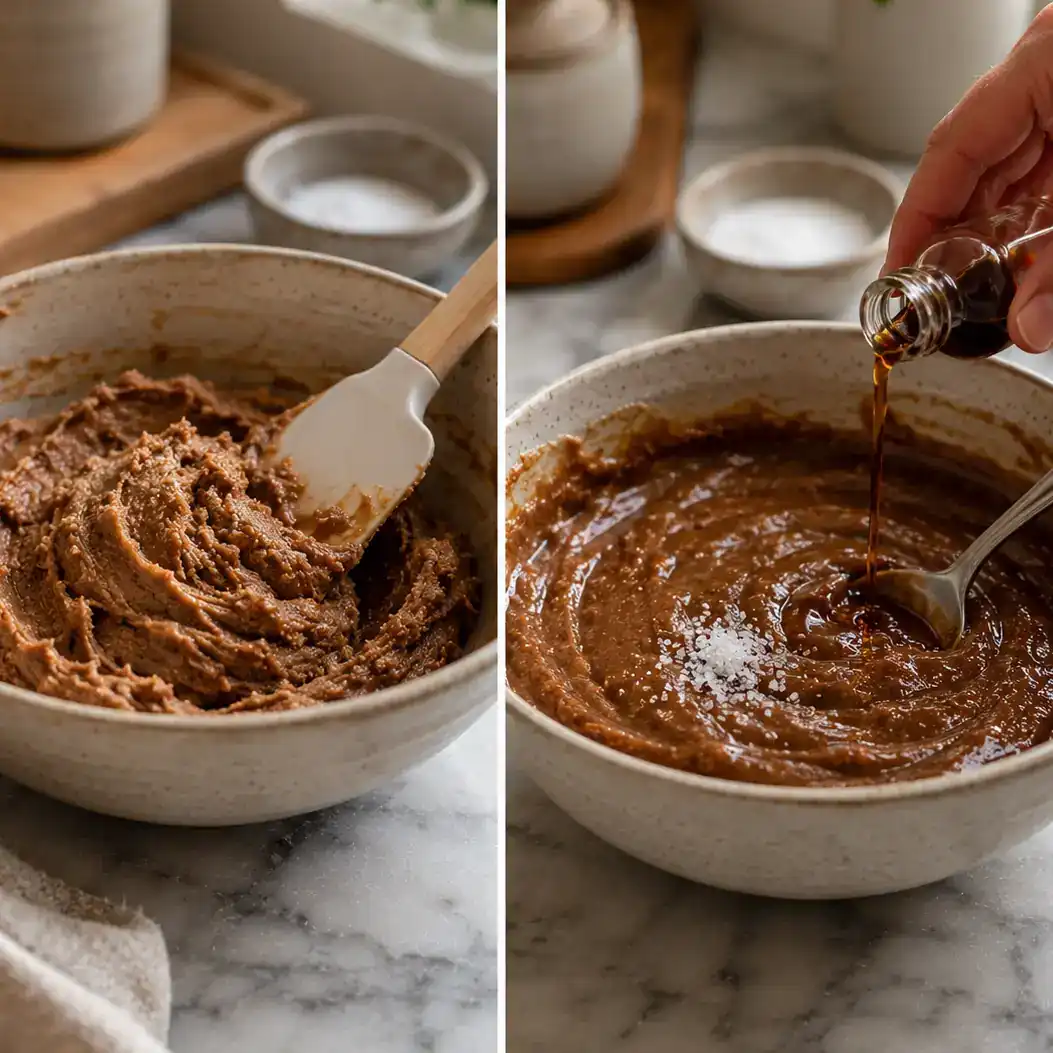
Creating this filling is a tactile process. You want to feel the sugar granules merging with the butter until they form a spreadable, sandy paste. This process doesn’t require fancy tools a simple bowl and a sturdy spatula will do. When you follow a cinnamon roll filling recipe, patience is your best friend. Don’t rush the softening of the butter; if it is too cold, it will tear your dough, and if it is too hot, it will run. Take your time to get it to that perfect “spreadable” stage that looks like frosting but smells like a winter hearth.
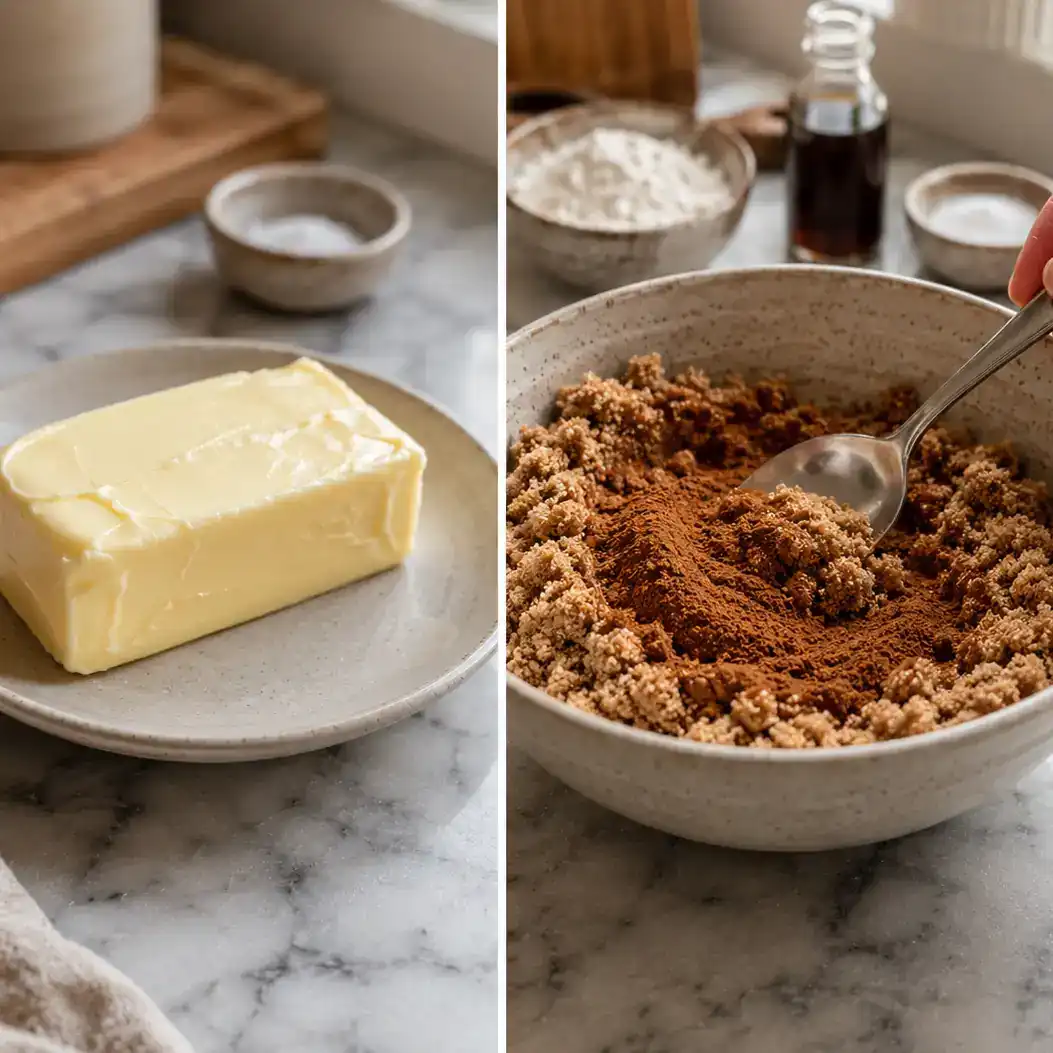
- Step 1: Soften the Butter – Take one cup of unsalted butter out of the refrigerator at least an hour before you plan to mix your cinnamon roll filling recipe. It should be soft enough that a finger leaves an easy indentation but not so soft that it is oily or melting.
- Step 2: Blend the Sugars – In a medium bowl, combine one and a half cups of packed dark brown sugar with two tablespoons of granulated sugar. Use a fork to break up any large clumps of brown sugar so the cinnamon roll filling recipe is smooth and consistent throughout.
- Step 3: Add the Cinnamon and Salt – Whisk in three to four tablespoons of ground cinnamon and a half teaspoon of fine sea salt. The salt is a secret hero in a cinnamon roll filling recipe, as it cuts through the heavy sweetness and makes the cinnamon flavor pop.
- Step 4: Incorporate the Butter – Add your softened butter to the sugar mixture. Use a spatula to mash and fold the butter into the dry ingredients. Continue this until no streaks of white butter remain and you have a uniform, dark brown paste.
- Step 5: Final Flour Dash (Optional) – Some bakers add a tablespoon of all-purpose flour to their cinnamon roll filling recipe. This helps “bind” the butter and sugar, keeping the filling from leaking out of the rolls as they expand in the oven.
Variations and Creative Twists
Once you have mastered the basic cinnamon roll filling recipe, you can start to get creative. There is no rule saying you have to stick to just cinnamon. Think about the season or the occasion. If you are making a large brunch spread, you might want to pair these rolls with something savory or even another sweet treat like an overnight French toast casserole with berries. The beauty of a cinnamon roll filling recipe is its versatility; it serves as a canvas for whatever flavors you enjoy most in the morning.
Nutty Additions
Adding texture can change the whole experience. Finely chopped pecans or walnuts are classic additions to a cinnamon roll filling recipe. To make sure the nuts don’t fall out when you slice the rolls, fold them directly into the butter and sugar paste. This holds them in place and allows the oils from the nuts to toast right inside the swirl. The crunch of a toasted pecan against the soft dough is a contrast that many people find irresistible. Just make sure the nuts are chopped small enough so they don’t tear through the dough during the rolling process.
Fruity Infusions
If you want something a bit brighter, try adding citrus zest to your cinnamon roll filling recipe. Orange zest is a fantastic partner for cinnamon, adding a floral note that cuts through the richness of the butter. You can also spread a thin layer of fruit preserves over the cinnamon paste before rolling. Raspberries or apples work particularly well. This creates a “jammy” center that keeps the rolls incredibly moist. Just be careful not to add too much liquid, or your cinnamon roll filling recipe will turn into a soup and make the dough soggy.
Health-Conscious Substitutions
For those watching their sugar intake or looking for different nutritional profiles, you can swap ingredients. Some people use honey or maple syrup as a partial replacement for sugar. If you are interested in specific blends for health, you might find inspiration in a dr william li honey cinnamon recipe, which looks at these ingredients through a wellness lens. While a traditional cinnamon roll filling recipe is a treat, small changes like using grass-fed butter or organic spices can make a difference in the final quality and how you feel after eating it.
Common Mistakes to Avoid
The most frequent error in a cinnamon roll filling recipe is the “leakage” factor. We have all seen it: you pull the pan out of the oven, and half the filling is a hard, candy-like pool at the bottom. This happens when the butter is too runny or there isn’t enough “grip” in the filling. Another mistake is using too much cinnamon. While it seems impossible, too much of the spice can actually taste bitter or feel “dusty” on the tongue. Balance is key. Also, make sure you don’t skip the salt. Without it, the cinnamon roll filling recipe becomes cloying and loses its depth.
Another thing to watch for is the thickness of the spread. If you spread your cinnamon roll filling recipe too thick, the rolls will have a hard time cooking in the center. The steam from the melting sugar can actually keep the dough from reaching the right temperature, leaving you with a raw, doughy middle. Aim for a thin, even layer that covers the dough from edge to edge, leaving just a small margin at the very top to seal the roll. This ensures every bite has the perfect ratio of bread to filling without compromising the bake.
Storage and Preparation Tips
You can actually make your cinnamon roll filling recipe ahead of time. If you have a busy morning planned, whip up the paste the night before and keep it at room temperature (if the house is cool) or in the fridge. If you refrigerate it, you will need to let it sit out for a while to soften back up before spreading. Cold filling will not spread evenly and will likely tear your delicate yeast dough. Having the filling ready to go makes the assembly process much faster, allowing you to get the rolls in the oven sooner.
When it comes to leftovers, cinnamon rolls are best stored at room temperature in an airtight container. If you find they have dried out a little, a quick ten-second zap in the microwave will reactivate the sugars in your cinnamon roll filling recipe, making it gooey and soft again. For longer storage, you can freeze the unbaked rolls after they have been filled and cut. This locks in the moisture of the filling. When you are ready to bake, just let them thaw and rise. The cinnamon roll filling recipe holds up surprisingly well to freezing and thawing.
Ingredient Ratio Comparison
To help you decide which style of filling fits your taste, look at this breakdown of ingredient ratios. Each choice changes the final outcome of the cinnamon roll filling recipe.
| Style | Butter State | Primary Sugar | Texture Result |
|---|---|---|---|
| The Classic Gooey | Softened/Creamed | Dark Brown | Sticky, thick, and stays in the roll. |
| The Bakery Crisp | Melted/Brushed | Granulated | Light, slightly grainy, more “bready”. |
| The Rich Caramel | Softened | Half Brown / Half White | Smooth, balanced sweetness, deep color. |
| The Thick Paste | Creamed w/ Flour | Light Brown | Very stable, no leakage, soft center. |
Science of the Bake: Why It Works
When the heat hits the oven, a series of chemical reactions occur within your cinnamon roll filling recipe. The butter melts first, soaking slightly into the inner layers of the dough, which creates a fried-dough texture on the inside of the swirl. Meanwhile, the sugar begins to dissolve into the water content of the butter. This creates a simple syrup. As the temperature rises, the sugar undergoes carmelization. According to King Arthur Baking, the way you combine sugar and fat changes how air is trapped and how the heat is distributed. In a cinnamon roll filling recipe, the goal is for the sugar to stay suspended in the fat long enough to coat the dough before it turns into a liquid syrup.
This is why the choice of ingredients matters. If you were making something like a pudding or a jelly, you might use unflavored gelatin powder to set the texture, but in a cinnamon roll, we rely on the sugar’s own ability to thicken as it cools. The cinnamon itself also plays a role; the fibers in the ground bark help slightly thicken the syrup as it bubbles. Understanding these little details helps you troubleshoot why one batch might be better than the next. A perfect cinnamon roll filling recipe is a balance of chemistry and kitchen intuition.
FAQs
Can I use margarine instead of butter in my cinnamon roll filling recipe?
You can use margarine, but the flavor and texture will be different. Butter has a specific melting point and a rich dairy taste that margarine often lacks. If you do use margarine, choose a stick version rather than the tub variety, as the tub versions often have higher water content which can make the filling too thin.
Why does my filling always leak out of the bottom?
Leakage usually happens because the butter was melted instead of softened, or the rolls were over-proofed. When the dough rises too much, it loses its structure and can’t hold the heavy cinnamon roll filling recipe inside. Try adding a tablespoon of flour to the mix to help bind the ingredients together.
Is it better to use light or dark brown sugar?
Dark brown sugar is generally preferred for a cinnamon roll filling recipe because it contains more molasses. This results in a deeper color, a more complex flavor, and a stickier, gooier texture. Light brown sugar works fine if that is all you have, but it won’t be quite as rich.
How much cinnamon is too much?
Most recipes call for 1 to 2 tablespoons, but some “cinnamon lovers” recipes go up to 4 tablespoons. If you go beyond that, the texture of the cinnamon roll filling recipe can become gritty. It is better to use a higher quality, more potent cinnamon than to just increase the volume of a weak one.
Conclusion
Perfecting your cinnamon roll filling recipe is a journey that pays off in every warm, sticky bite. By choosing the right cinnamon, managing your butter temperature, and balancing your sugars, you create a treat that brings people together. Whether it is a holiday morning or just a quiet Tuesday, the effort you put into that spiced swirl makes all the difference. Now that you know the secrets, pull out the butter, find your favorite rolling pin, and get started on a batch that will fill your home with the scent of pure comfort.