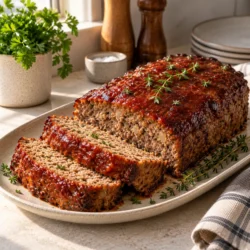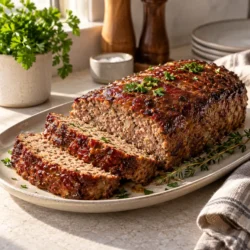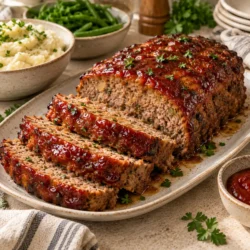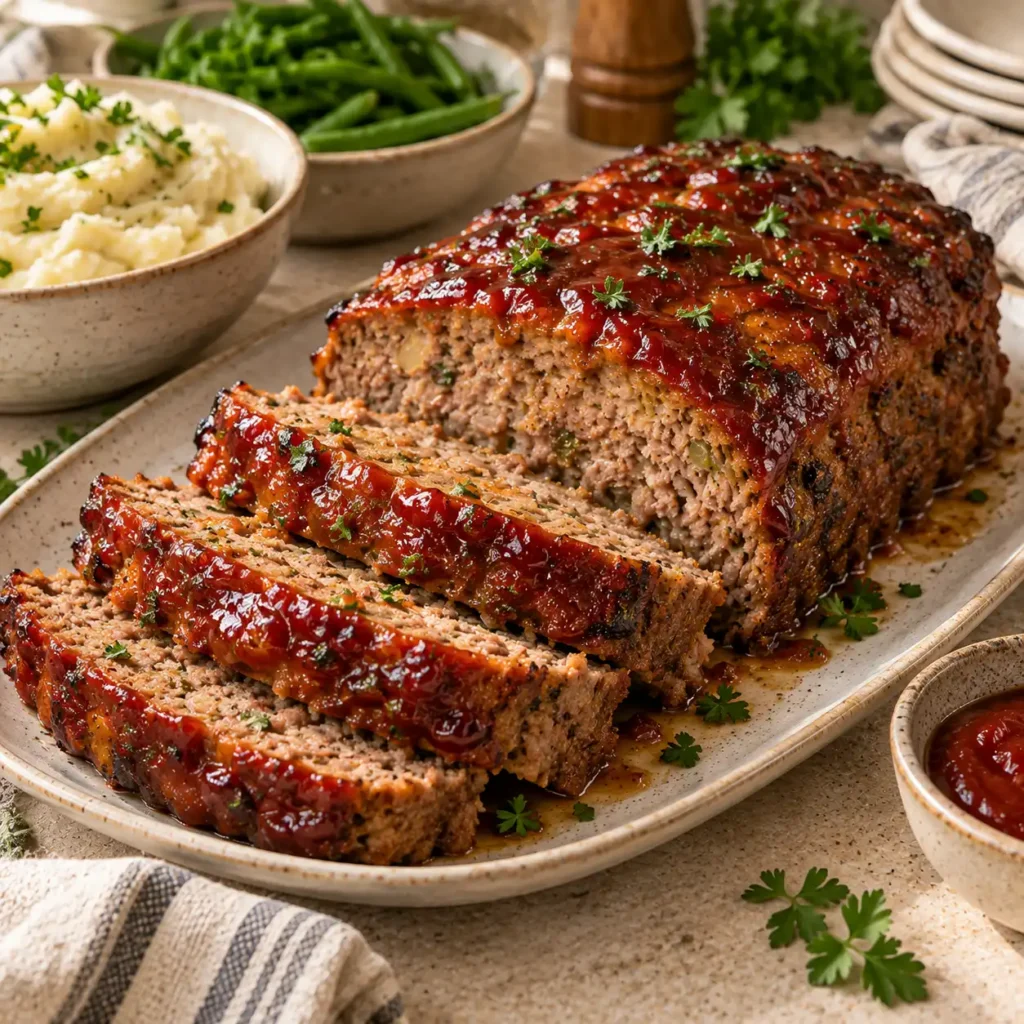
Meatloaf recipes represent the ultimate comfort food for many households, offering a satisfying blend of savory flavors and tender textures. While many people associate this dish with simple weeknight cooking, achieving a truly moist and flavorful result requires a bit of culinary knowledge. This guide looks at the best techniques for creating delicious meatloaf recipes without the use of pork or alcohol. Whether you are a beginner or a seasoned home cook, understanding the balance of meat, binders, and seasonings will help you create a centerpiece that your whole family will love.
Table of Contents
The Secrets to Moist Meatloaf Recipes
Choosing the Right Meat for Meatloaf Recipes
The foundation of all great meatloaf recipes is the quality and fat content of the ground meat. For a beef-based loaf, an 80/20 blend (80% lean, 20% fat) is often considered the gold standard. This fat content is necessary because it prevents the meat from drying out during the long baking process. If you prefer using leaner meats like ground turkey or chicken, you must add extra moisture-retaining ingredients to compensate for the lower fat levels. Combining different types of ground beef can also add complexity to the flavor profile of your favorite meatloaf recipes.
The Role of Binders and Liquids
Binders are what keep meatloaf recipes from falling apart when sliced. Traditional binders include breadcrumbs, crushed crackers, or even rolled oats. However, the best meatloaf recipes often use a “panade,” which is a mixture of bread and liquid. Soaking your breadcrumbs in milk or beef broth before adding them to the meat creates a gel-like substance that coats the meat fibers. This technique keeps the interior soft and prevents the proteins from tightening up too much. For those looking to broaden their kitchen repertoire, trying out new recipes with different binder types can lead to surprising and delicious results.
Print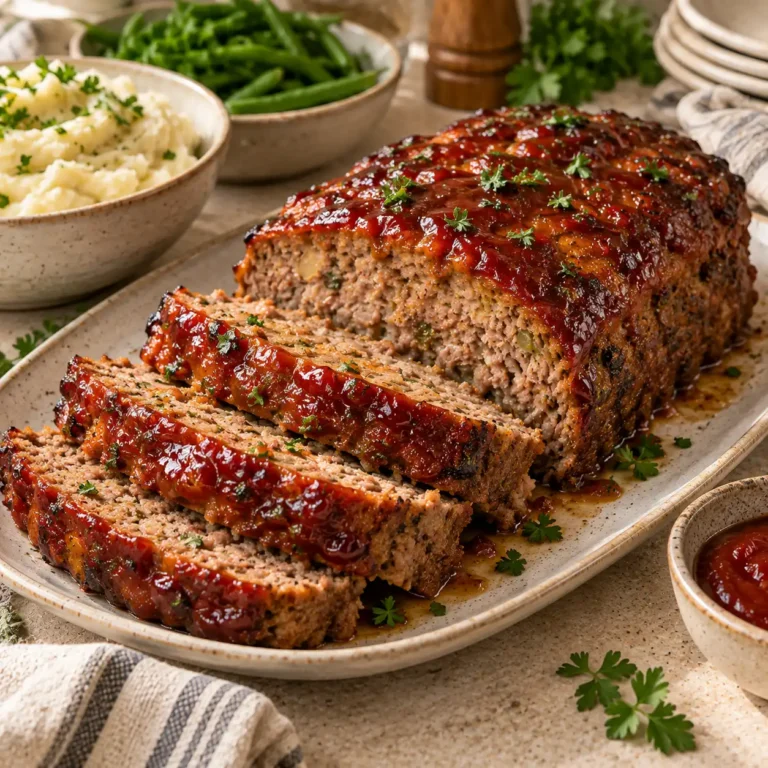
Mastering the Art of Meatloaf Recipes: A Guide to the Perfect Family Meal
This guide provides the culinary knowledge needed to create a truly moist and flavorful meatloaf. Focusing on techniques for beef-based recipes without pork or alcohol, it covers choosing the right meat, the role of binders, and seasonings to achieve a delicious family meal centerpiece.
- Total Time: 1 hour 25 minutes
- Yield: 8 servings 1x
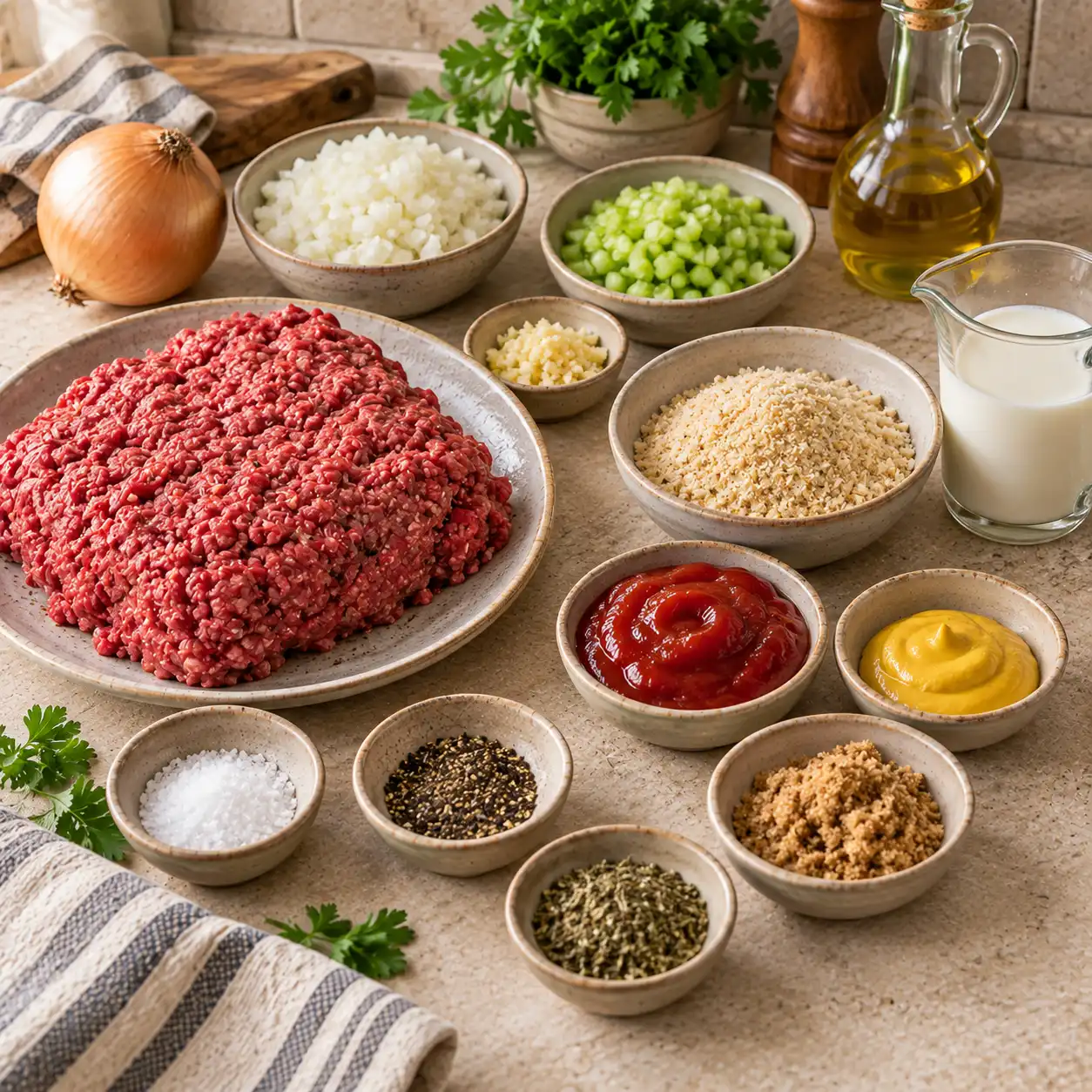
Ingredients
- 1.5 lbs (680g) ground beef (80/20 blend)
- 1/2 cup (60g) plain breadcrumbs
- 1/4 cup (60ml) milk or beef broth
- 1 large egg, beaten
- 1/2 medium yellow onion, finely chopped
- 2 cloves garlic, minced
- 1 tbsp Worcestershire sauce
- 1 tsp salt
- 1/2 tsp black pepper
- 1/4 cup (60ml) ketchup or tomato sauce, for topping
Instructions
- Step 1: Preheat Oven & Prepare Pan – Preheat oven to 350°F (175°C). Lightly grease a 9×5 inch loaf pan.
- Step 2: Create Panade – In a small bowl, combine the breadcrumbs and milk or beef broth. Let it soak for 5 minutes until soft.
- Step 3: Sauté Aromatics – In a small skillet, sauté the finely chopped onion and minced garlic over medium heat until softened, about 5-7 minutes. Let cool slightly.
- Step 4: Combine Ingredients – In a large mixing bowl, gently combine the ground beef, soaked breadcrumb mixture (panade), beaten egg, cooled sautéed onion and garlic, Worcestershire sauce, salt, and black pepper. Mix just until combined; do not overmix.
- Step 5: Form Loaf – Transfer the meat mixture into the prepared loaf pan. Gently press and shape it into an even loaf, ensuring it fills the pan.
- Step 6: Add Topping – Evenly spread the ketchup or tomato sauce over the top of the meatloaf. This will create a delicious glaze during baking.
- Step 7: Bake Meatloaf – Bake in the preheated oven for 60-75 minutes, or until the internal temperature reaches 160°F (71°C) when measured with a meat thermometer.
- Step 8: Rest & Serve – Remove the meatloaf from the oven and let it rest in the pan for 10-15 minutes before carefully draining any excess fat. Slice and serve hot.
Notes
For optimal moisture, an 80/20 ground beef blend is recommended. If using leaner meats like ground turkey or chicken, consider adding extra moisture-retaining ingredients. The ‘panade’ technique (soaking breadcrumbs in liquid) is crucial for a soft interior. Always avoid overmixing the meatloaf mixture to prevent a tough texture.
- Prep Time: 15 minutes
- Cook Time: 70 minutes
- Category: Main Dish
- Method: Baking
- Cuisine: American
- Diet: Pork-free
Nutrition
- Serving Size: 1 slice
- Calories: 400 kcal
- Sugar: 7 g
- Sodium: 750 mg
- Fat: 25 g
- Saturated Fat: 10 g
- Unsaturated Fat: 12 g
- Trans Fat: 0.2 g
- Carbohydrates: 20 g
- Fiber: 2 g
- Protein: 30 g
- Cholesterol: 100 mg
Keywords: Meatloaf, Beef, Comfort Food, Family Meal, No Pork, Ground Beef
Step-by-Step Instructions for Classic Beef Meatloaf Recipes
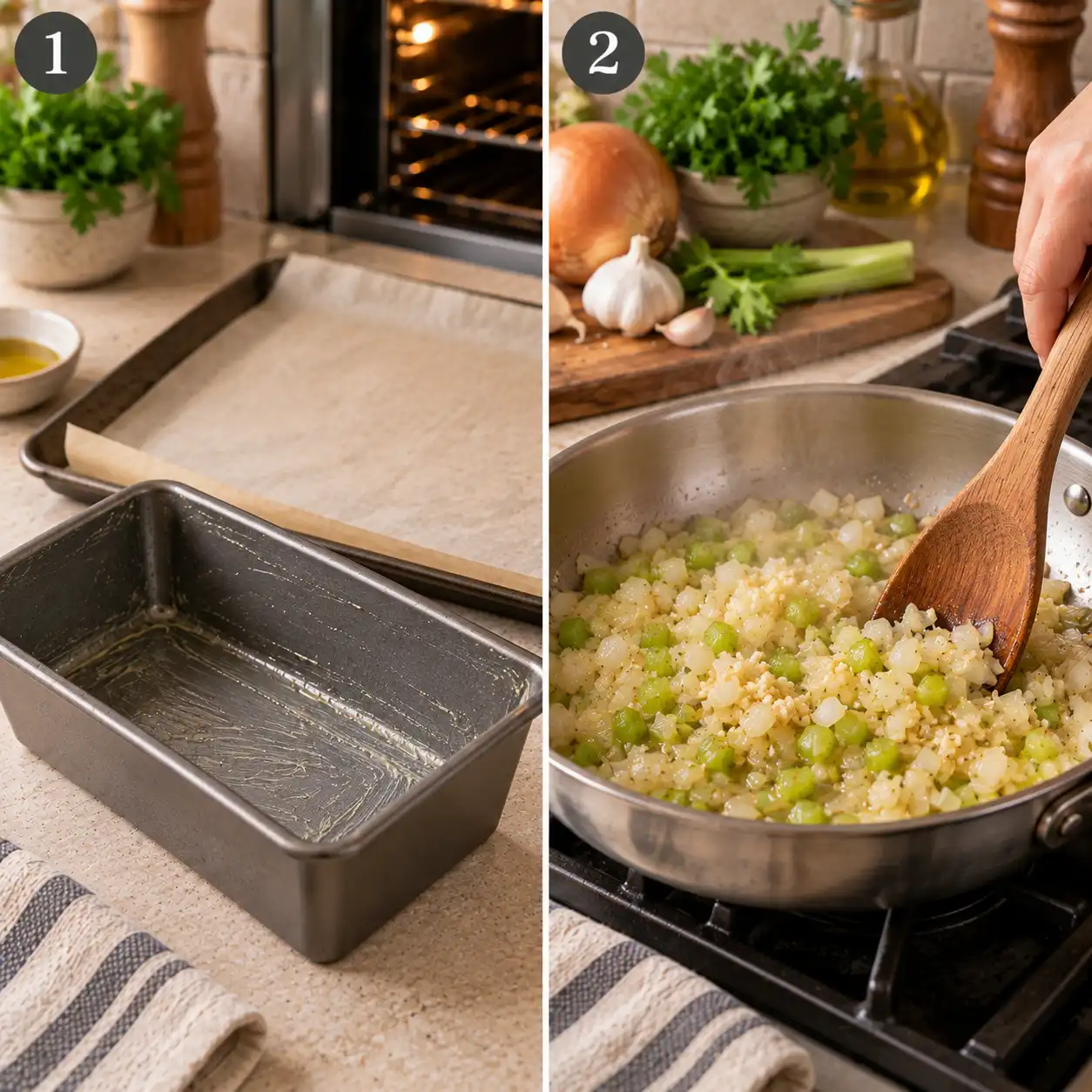
Step 1: Prep Oven and Pan – Heat the oven to 350°F (175°C) and lightly grease a 9×5-inch loaf pan or line a baking sheet with parchment paper.
Properly preparing your workspace is a vital part of successful meatloaf recipes. Using a loaf pan helps the meat hold its shape, while a baking sheet allows for more surface area to brown and crisp. If you use a baking sheet, you can mold the meat into a free-form loaf, which many people prefer for the extra crust it provides. This temperature is similar to what you might use for other proteins, such as when making baked chicken breast, as it allows for even cooking without burning the exterior.
Step 2: Sauté the Aromatics – Cook finely chopped onions, garlic, and celery in a pan with a little oil until they are soft and translucent.
Adding raw vegetables directly to meatloaf recipes can lead to a crunchy texture that feels out of place. By sautéing them first, you soften the fibers and release their natural sugars. This step adds a deep, savory base to your meatloaf recipes. Make sure to let the vegetables cool slightly before adding them to the raw meat to avoid partially cooking the beef prematurely. This attention to detail is what separates average meatloaf recipes from truly expert-level versions.
Step 3: Mix the Ingredients – In a large bowl, combine the ground beef, panade, sautéed vegetables, eggs, and seasonings like salt, pepper, and dried herbs.
When mixing meatloaf recipes, the most important rule is to avoid overworking the meat. Using your hands is the best way to feel the texture and make sure everything is evenly distributed. If you squeeze or knead the meat too much, the loaf will become dense and rubbery rather than light and tender. You want to mix just until the ingredients are combined. For more information on safe handling of ground meat, you can refer to the USDA Ground Beef Safety Guidelines.
Step 4: Shape and Glaze – Form the mixture into a loaf shape and top it with a thick layer of glaze made from ketchup, mustard, and brown sugar.
The glaze is a signature element of many classic meatloaf recipes. It provides a tangy contrast to the rich meat and creates a beautiful, sticky finish. While many people use simple ketchup, you can liven up your meatloaf recipes by adding a touch of apple cider vinegar or a pinch of smoked paprika for a bit of heat. Apply half the glaze before putting the meat in the oven and the remaining half during the last 15 minutes of baking for the best coating.
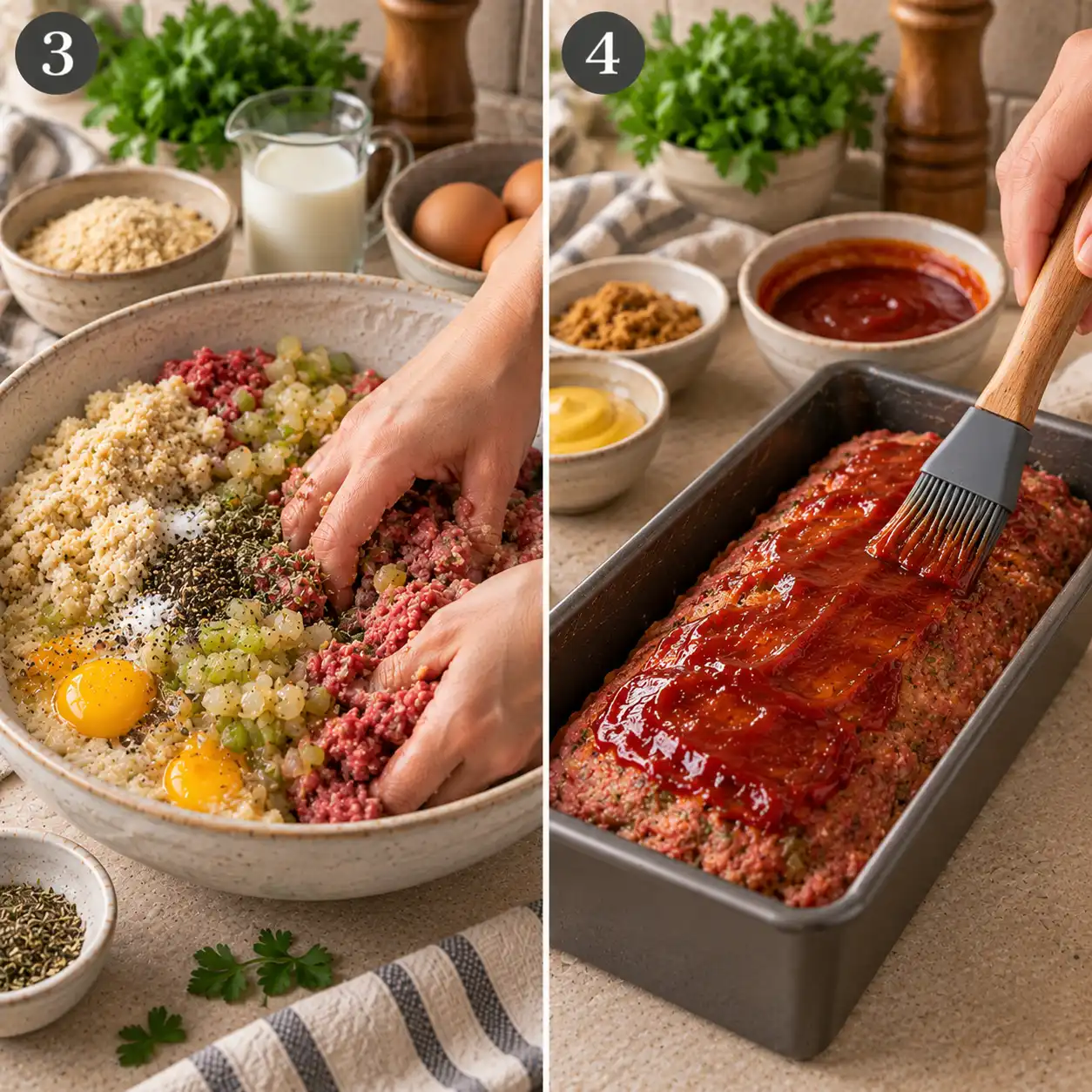
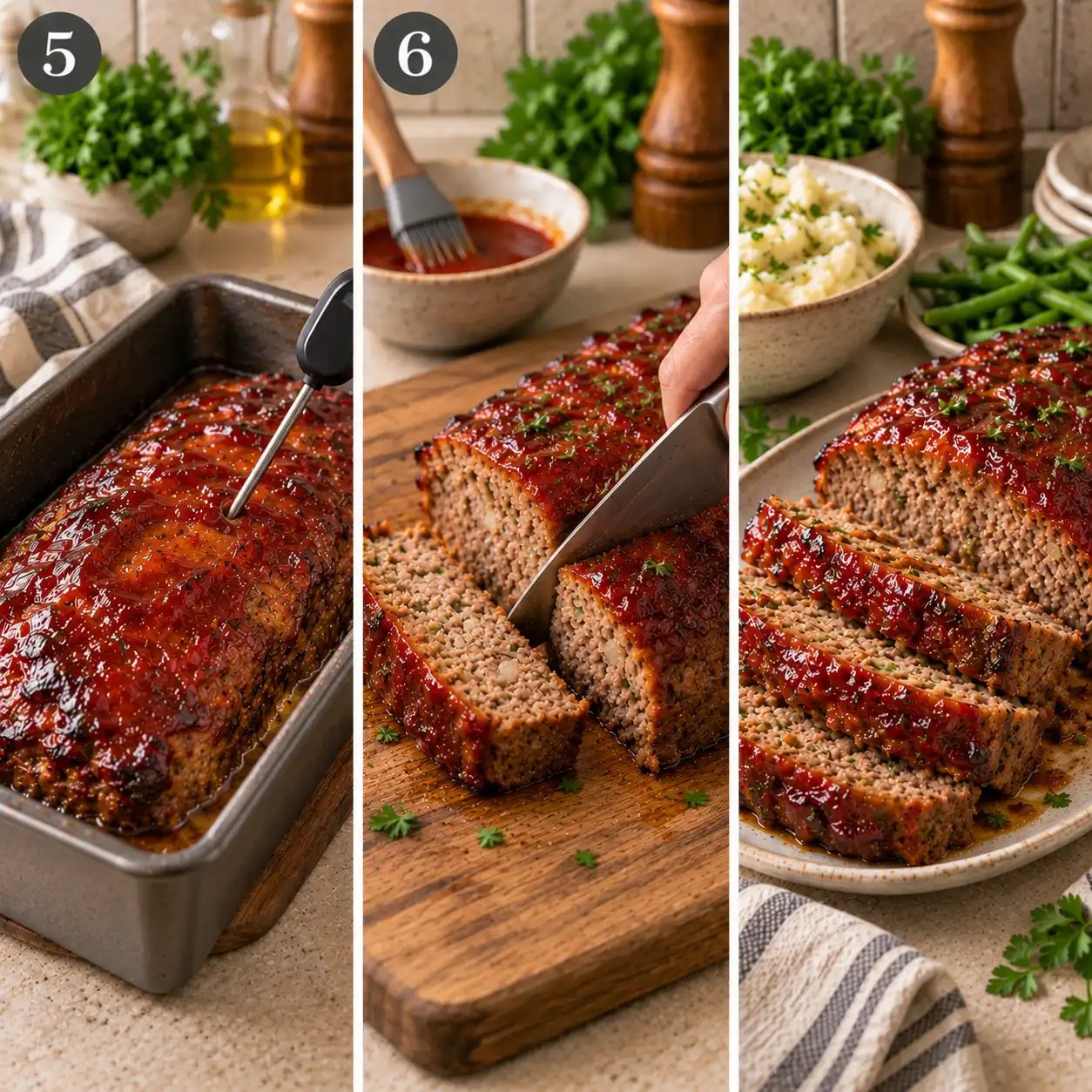
Step 5: Bake and Rest – Bake the loaf for 55 to 65 minutes or until the internal temperature reaches 160°F, then let it rest for 10 minutes.
Resting is a non-negotiable step for all meatloaf recipes. During this time, the juices redistribute throughout the loaf. If you cut into it immediately, the moisture will run out, leaving you with dry meat. A resting period allows the proteins to relax and the binders to set firmly. For a visual and textural surprise, some traditional meatloaf recipes even include a row of perfect hard boiled eggs hidden in the center, which makes for a beautiful presentation when sliced.
Innovative Variations on Traditional Meatloaf Recipes
Vegetable-Packed Meatloaf Recipes
If you want to add more nutrition or moisture to your meals, incorporating grated vegetables is a fantastic idea. Carrots, bell peppers, and even squash work well. Some of the most creative meatloaf recipes involve using shredded zucchini, which disappears into the meat while providing incredible hydration. This is a common trick used in various zucchini recipes to keep baked goods and meat dishes moist. It is an excellent way to sneak vegetables into the diet of picky eaters without sacrificing the traditional flavor of meatloaf recipes.
Ground Turkey and Lamb Options
While beef is the standard, meatloaf recipes made with ground turkey or lamb offer different flavor profiles. Ground lamb provides a rich, earthy taste that pairs well with Mediterranean spices like cumin and coriander. Turkey meatloaf recipes are often leaner, making them a popular choice for those watching their fat intake. When using these meats, it is helpful to understand the basics of ground meat selection, which you can find on the Beef Its Whats For Dinner Ground Beef Basics page. These variations allow you to rotate through different meatloaf recipes throughout the month to keep your menu interesting.
Comparing Ingredients for Meatloaf Recipes
Choosing the right components can change the final outcome of your dish. The following table provides a quick look at how different meat choices affect the moisture and cooking time of common meatloaf recipes.
| Meat Type | Fat Content | Moisture Level | Best Binder |
|---|---|---|---|
| Ground Beef (80/20) | High | Very High | Dry Breadcrumbs |
| Ground Beef (90/10) | Low | Moderate | Panade (Bread + Milk) |
| Ground Turkey | Very Low | Low | Mashed Vegetables + Eggs |
| Ground Lamb | Moderate/High | High | Panko or Oats |
Essential Tips for Success with Meatloaf Recipes
Monitoring Internal Temperature
The only way to know for sure if your meatloaf recipes are done is to use a meat thermometer. Relying solely on the clock can be risky because oven temperatures vary. For beef and lamb, you are looking for 160°F (71°C). For turkey or chicken versions, aim for 165°F (74°C). Pulling the meat out at the exact right moment helps you avoid the common pitfall of dry, crumbly meatloaf recipes. Keep the thermometer inserted into the thickest part of the loaf for an accurate reading.
Avoiding Common Pitfalls
One of the most frequent mistakes in meatloaf recipes is over-mixing the ingredients, as mentioned earlier. Another mistake is using too much liquid in the panade, which can cause the loaf to become soggy or fall apart. Make sure your breadcrumbs have absorbed the liquid completely before adding them to the meat. Additionally, choosing a pan that is too small can lead to the meat boiling in its own juices rather than roasting. If you use a loaf pan, draining the excess fat halfway through the cooking process can result in a better crust on your meatloaf recipes.
Storage and Reheating for Meatloaf Recipes
Proper Refrigeration and Freezing
Leftover meatloaf recipes are often considered even better the next day. Once the loaf has cooled completely, wrap it tightly in foil or place it in an airtight container. It will stay fresh in the refrigerator for up to three or four days. You can also freeze cooked meatloaf for up to three months. To do this, slice the loaf first so you can defrost only what you need. This makes meatloaf recipes a great option for meal prepping and busy schedules.
The Best Way to Reheat
To keep meatloaf recipes moist when reheating, avoid the microwave if possible. Instead, place a slice in a skillet over medium heat with a splash of water or broth and cover it with a lid. This steams the meat and prevents it from drying out. Alternatively, you can place the whole loaf back in the oven at 300°F until warmed through. Many people enjoy cold meatloaf recipes in sandwiches, where the firm texture and concentrated flavors really shine.
Conclusion
Creating high-quality meatloaf recipes is a skill that pays off with every bite. By focusing on the right fat content, using a proper binder, and not over-mixing the meat, you can produce a meal that is both comforting and impressive. These meatloaf recipes are versatile, allowing you to swap meats and seasonings to fit your personal preferences. Remember to let the meat rest and use a thermometer to reach the perfect temperature. With these expert tips, your next family dinner will feature a meatloaf that is tender, juicy, and full of flavor.
FAQs
What is the best way to keep meatloaf from falling apart?
The best way to prevent meatloaf recipes from falling apart is to use the correct ratio of binders like eggs and breadcrumbs. Eggs act as a glue that sets as it cooks, while breadcrumbs absorb the juices and create a structure. Also, letting the loaf rest for 10 minutes after baking allows the proteins to firm up before you slice into it.
Can I make meatloaf recipes without milk?
Yes, you can substitute milk with beef broth, tomato juice, or even plain water in most meatloaf recipes. The liquid is mainly there to hydrate the breadcrumbs and create a panade. Using beef broth can actually add an extra layer of savory flavor to the dish. Just make sure the volume of liquid remains the same as what the recipe calls for.
Why is my meatloaf always dry?
Dryness in meatloaf recipes usually comes from two things: using meat that is too lean or overcooking the loaf. If you use 90% lean beef or ground turkey, you must add extra moisture through sautéed vegetables or a larger panade. Additionally, always use a meat thermometer to pull the loaf out of the oven the moment it hits the safe internal temperature.
Can I use oats instead of breadcrumbs in meatloaf recipes?
Absolutely. Rolled oats or quick oats are excellent substitutes for breadcrumbs in many meatloaf recipes. They are great at absorbing moisture and provide a slightly different, heartier texture. Oats are also a good option for those looking to avoid processed white bread in their cooking.