Minute tapioca is a beloved pantry staple that has been a secret weapon for home cooks for generations. Whether you are whipping up a nostalgic bowl of creamy pudding or trying to get that perfect set on a summer berry pie, this versatile ingredient is here to help. In this guide, we will look at everything you need to know about this quick-cooking starch, from its roots in the cassava plant to the many ways you can use it to make your favorite recipes even better.
Table of Contents
What Exactly Is Minute Tapioca?
The Cassava Root Connection
At its heart, minute tapioca is made from the cassava root, a starchy vegetable grown in tropical climates. This root is processed to extract the starch, which is then shaped into small, irregular granules. Unlike traditional large pearls, these granules are pre-cooked and then dried again. This special processing is what allows the product to cook so much faster than other types of tapioca. Because it comes from a root vegetable, it is naturally free of many common allergens, making it a friendly choice for many different diets.
Why It Is Called “Minute”
The name comes from the speed at which it prepares. While old-fashioned pearl tapioca might need hours of soaking and a long time on the stove to become soft, minute tapioca is ready in just a fraction of the time. When you add it to a liquid and apply heat, the small granules absorb moisture rapidly. This makes it an ideal choice for busy families who want the comfort of a home-cooked dessert or a thickened soup without waiting all afternoon for the starch to soften properly.
Print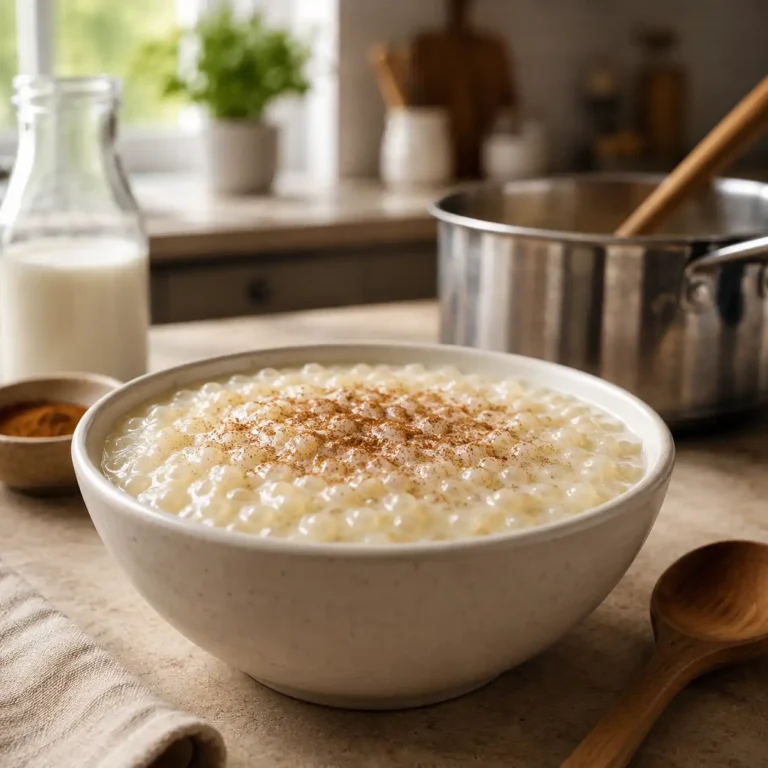
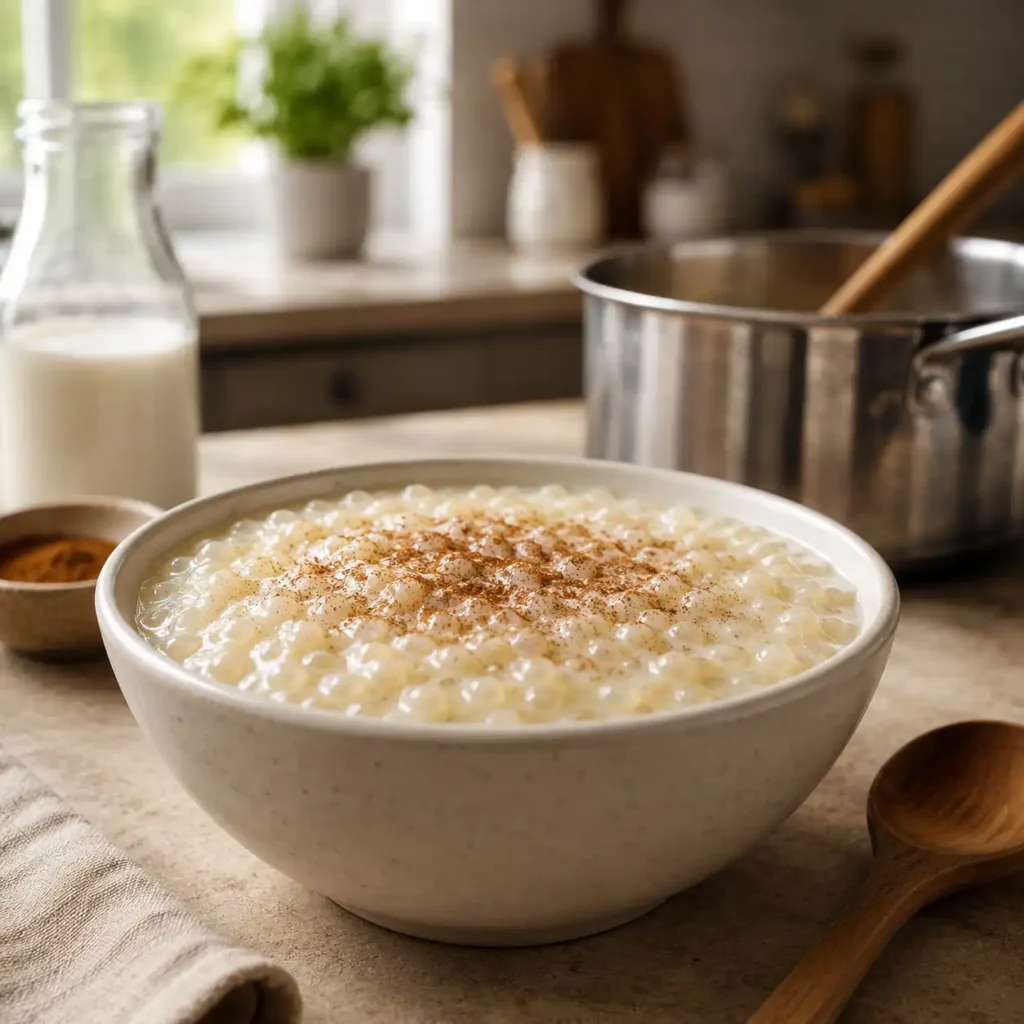
Classic Minute Tapioca Pudding
A nostalgic, creamy, and quick-cooking dessert made with granulated tapioca and milk, perfect for a comforting treat.
- Total Time: 35 minutes
- Yield: 4 servings 1x
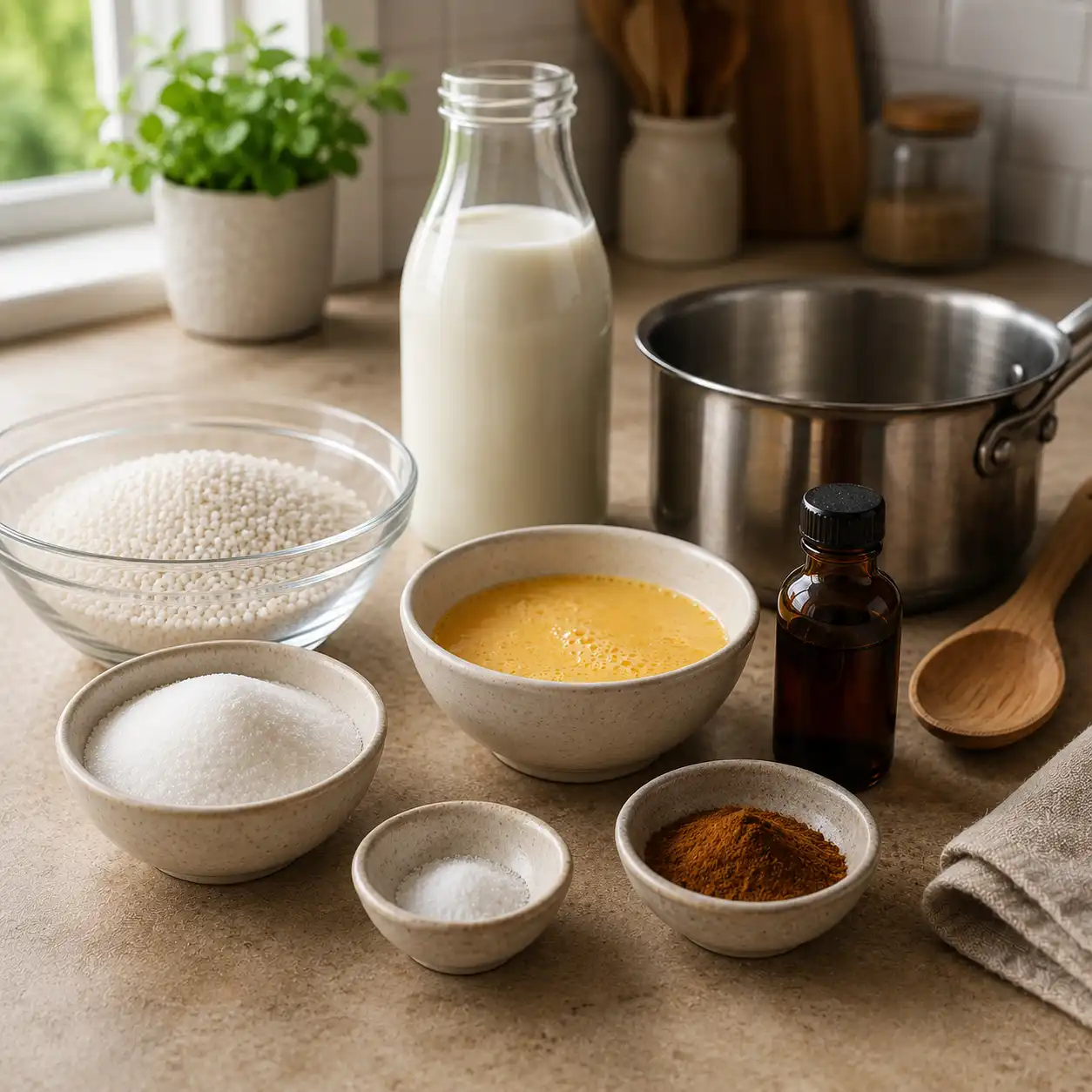
Ingredients
- 3 tablespoons Minute Tapioca
- 3 tablespoons granulated sugar
- 1 large egg, well beaten
- 2 cups whole milk
- 1 teaspoon vanilla extract
- 1/8 teaspoon salt
Instructions
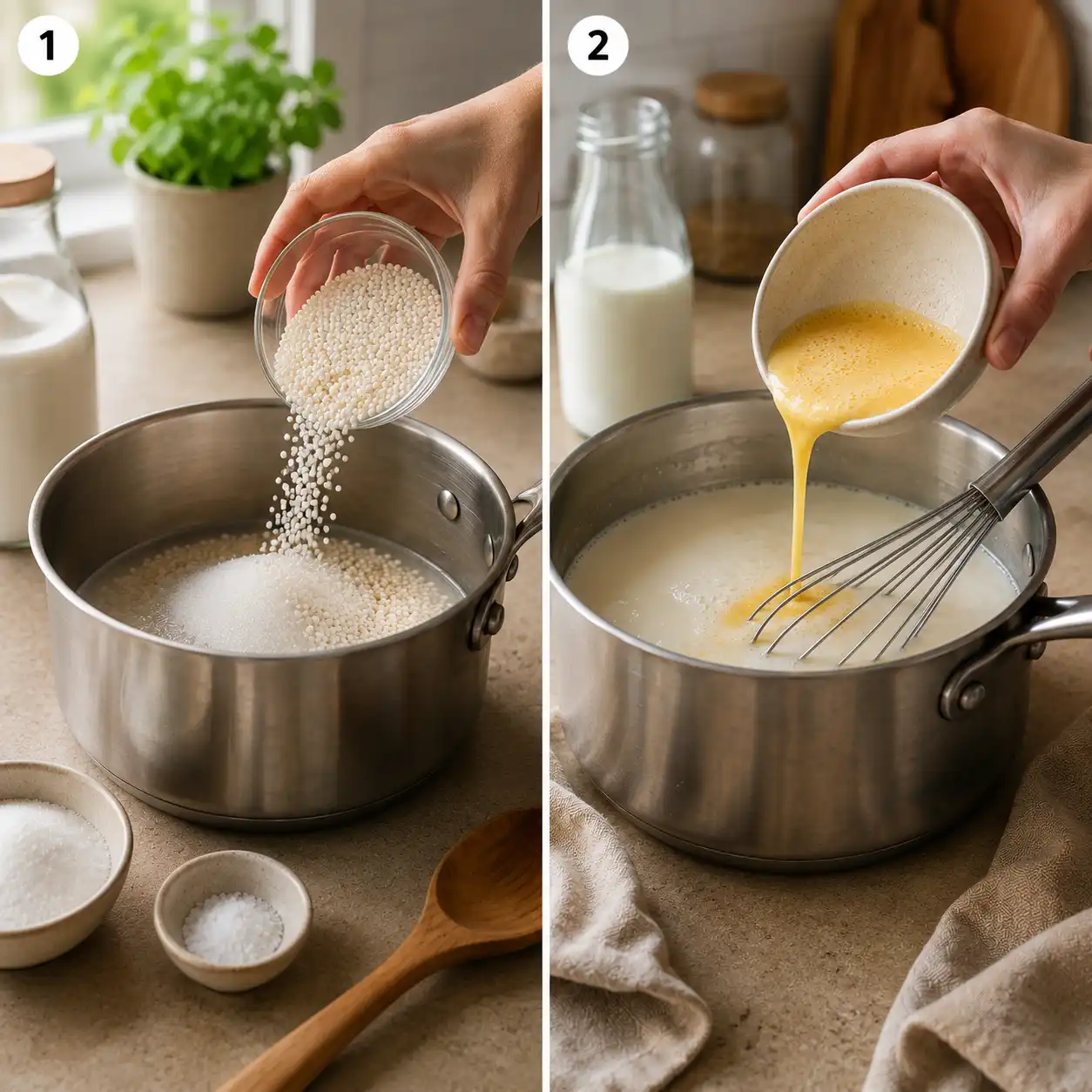
- Step 1: Combine Ingredients – Mix the tapioca, sugar, beaten egg, and milk in a medium saucepan until well blended.
- Step 2: Hydrate Tapioca – Let the mixture stand for 5 minutes to allow the tapioca granules to soften.
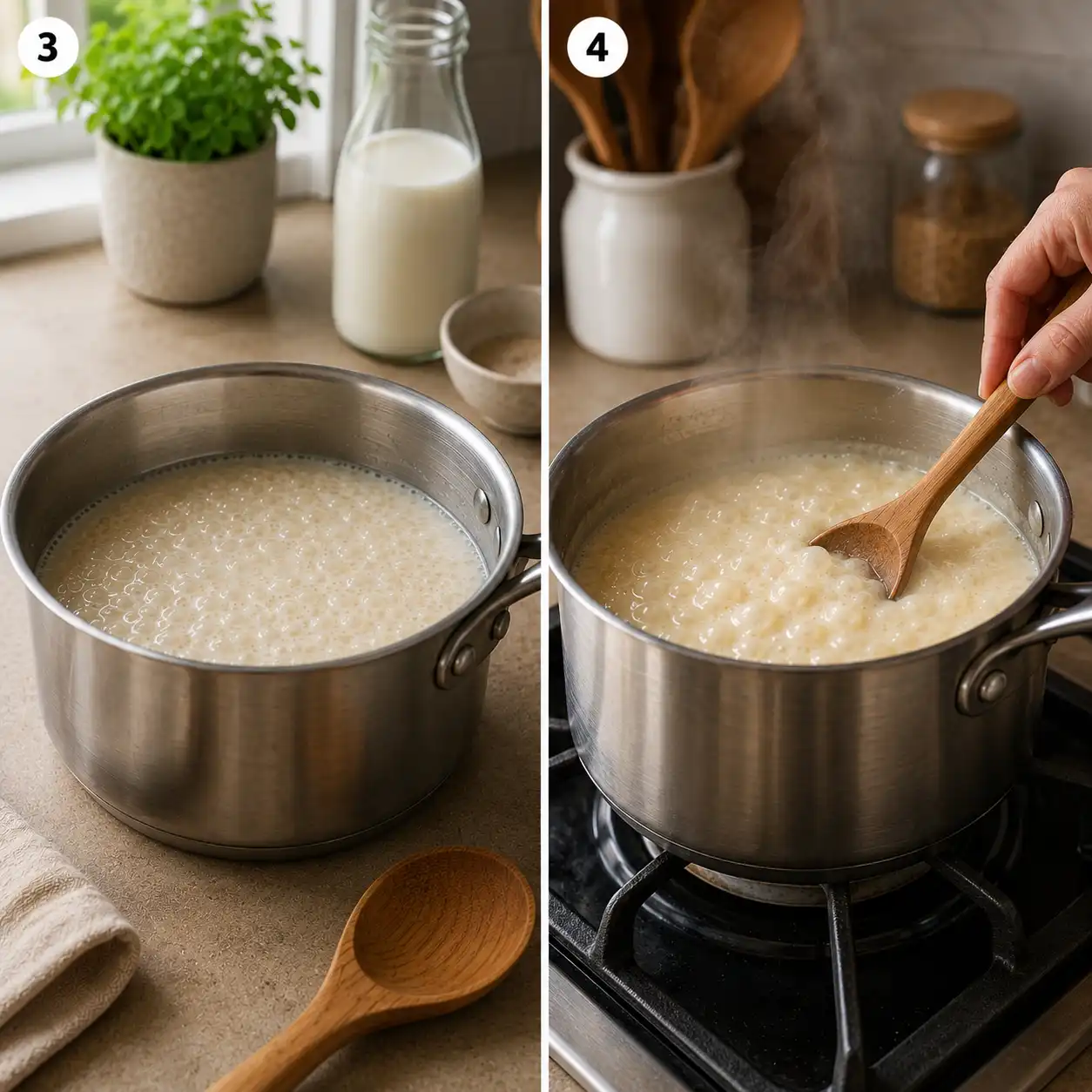
- Step 3: Heat Stovetop – Cook the mixture over medium heat, stirring constantly to prevent scorching.
- Step 4: Bring to Boil – Continue stirring until the mixture reaches a full, rolling boil.
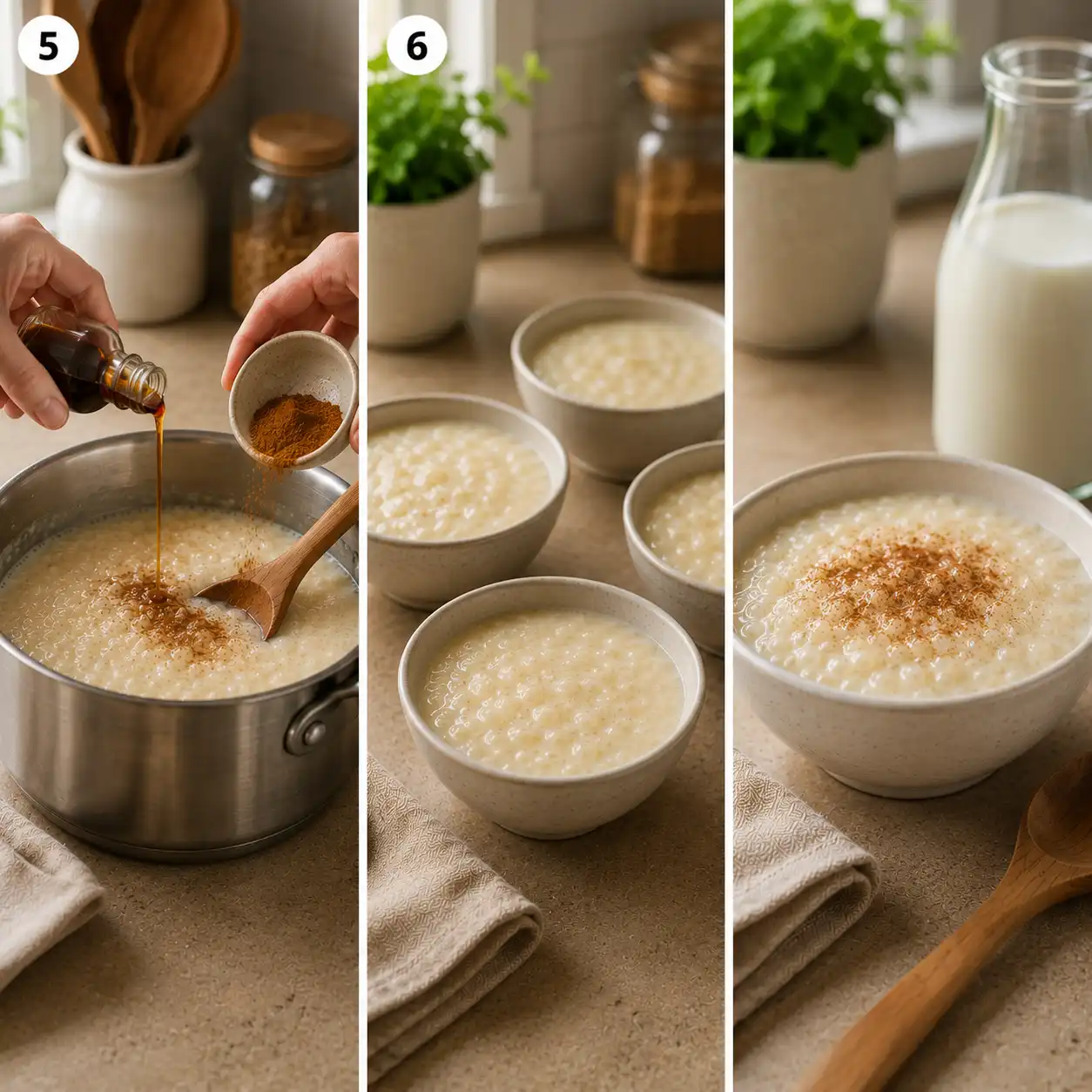
- Step 5: Flavor and Cool – Remove from heat and stir in the vanilla extract and salt.
- Step 6: Rest Pudding – Cool for 20 minutes at room temperature, then stir once more for a creamy consistency.
- Step 7: Chill and Serve – Spoon into individual bowls and refrigerate for at least 1 hour before serving.
Notes
For a richer flavor, use whole milk. You can also fold in fresh berries or a sprinkle of nutmeg before serving.
- Prep Time: 5 minutes
- Cook Time: 10 minutes
- Category: Dessert
- Method: Stovetop
- Cuisine: American
- Diet: Vegetarian
Nutrition
- Serving Size: 0.5 cup
- Calories: 145 kcal
- Sugar: 14g
- Sodium: 120mg
- Fat: 4.5g
- Saturated Fat: 2.5g
- Unsaturated Fat: 1.5g
- Trans Fat: 0.1g
- Carbohydrates: 22g
- Fiber: 0.5g
- Protein: 5g
- Cholesterol: 58mg
Keywords: tapioca, pudding, classic, dessert, cassava, quick-cooking
Minute Tapioca vs. Pearl Tapioca: What Is the Difference?
Size and Texture Variations
The biggest difference you will notice right away is the size. Pearl tapioca looks like small, round balls, while minute tapioca looks more like coarse sand or tiny pebbles. Because the granules are so much smaller, they tend to disappear more into the finished dish, providing a thick texture without the large, chewy “bubbles” found in boba tea. If you prefer a smoother consistency in your fruit fillings or gravies, the smaller granules of minute tapioca are usually the better option for your kitchen.
Cooking Time and Preparation
Cooking with pearls often requires a bit of planning, as they usually need to soak in water or milk before you even turn on the burner. Minute tapioca skips this long soaking phase. It is designed to be stirred directly into your recipe. This convenience has made it a favorite for modern cooking. It is important to remember that they are not always a direct one-to-one swap in recipes because the texture and the way they hold liquid differ. However, for most everyday thickening needs, the quick version is much easier to handle.
How Minute Tapioca Works as a Thickener
The Magic of Gelatinization
When you heat minute tapioca in a liquid, it undergoes a process called gelatinization. The starch granules swell up and trap moisture, turning a thin liquid into a thick, glossy sauce or filling. One of the best things about using this starch is that it stays clear even after it thickens. Unlike flour, which can make a sauce look cloudy or “muddy,” tapioca keeps the colors of your food bright and appetizing. This is why so many bakers choose it for fruit-based desserts where the vibrant red of cherries or the deep purple of blueberries needs to shine through.
Flavor Neutrality
Another reason cooks love minute tapioca is that it has a very neutral flavor. It does not have the “cereal” taste that flour can sometimes leave behind, and it isn’t as shiny or “slick” as cornstarch can be. It simply takes on the flavor of whatever you are cooking. Cassava root, which is the source of all tapioca products, is a staple crop for millions of people worldwide. It is naturally gluten-free and provides a significant source of carbohydrates. You can read more about the health benefits and risks of cassava to understand how this root vegetable works as a nutritional building block. This neutral base allows your spices and fruits to be the stars of the show.
Making the Perfect Fruit Pie with Minute Tapioca
Preventing a Soggy Crust
Every baker knows the struggle of a soggy bottom crust in a fruit pie. This happens when the fruit releases too much juice during baking. Adding a few tablespoons of minute tapioca to your fruit mixture can solve this problem. The granules soak up those excess juices as they bake, turning them into a delicious, jam-like consistency that stays inside the pie instead of soaking into the dough. This keeps your crust crisp and your slices neat when you go to serve them to your guests.
Balancing Nutrition and Flavor
People often look for ways to add volume to their meals without adding heavy fats. While minute tapioca is mostly starch, it fits into a lifestyle where you balance different food types. If you are focusing on a healthy routine, you might also be looking for high fiber foods for weight loss to keep you feeling full longer. Using the right thickener in a fruit-heavy dish or a veggie-rich soup can make a meal more satisfying while you keep your fiber intake high. It is all about finding the right balance in your pantry.
Classic Minute Tapioca Pudding: A Timeless Treat
Achieving the Best Consistency
Tapioca pudding is perhaps the most famous use for this ingredient. To get it right, you want a balance of creamy milk, sweet sugar, and those slightly chewy granules. The key is to let the mixture sit for about five minutes before you start cooking it. This allows the minute tapioca to start absorbing the milk, which leads to a more even texture. Whether you serve it warm or cold, it is a comforting dessert that reminds many people of their childhood. You can even add a bit of vanilla or cinnamon to give it an extra layer of warmth.
Lightening Up Your Desserts
For those who love the texture of pudding but want to watch their sugar intake, there are many ways to adapt recipes. You can use sugar substitutes with your minute tapioca to create a lighter treat. This is similar to how people enjoy sugar-free gelatin dessert when they want something sweet without the extra calories. Both options provide a unique mouthfeel that makes snack time feel special without being heavy. You can also use low-fat milk or almond milk to change the nutritional profile of your pudding while still keeping that classic tapioca charm.
Gluten-Free Cooking and Baking Benefits
A Safe Alternative for Celiac Diets
Since minute tapioca is derived entirely from the cassava root, it is naturally gluten-free. This makes it an essential ingredient for anyone who needs to avoid wheat or gluten. It can be used to thicken gravies for a Sunday roast or to add body to gluten-free bread doughs. Because it doesn’t contain any protein, it provides a different kind of structure than wheat flour, often helping gluten-free baked goods stay moist and chewy rather than dry and crumbly. It is a simple way to make sure everyone at the table can enjoy the meal.
Creating Satisfying Snacks
The texture of minute tapioca is part of its charm, offering a slight chewiness that many find comforting. This makes it a great choice for creating low calorie jelly and gelatin snacks that satisfy a craving for something soft and jiggly. When you use it in small amounts as a thickener, you can keep the calorie count low while still getting that perfect consistency in your fruit compotes or light puddings. It is a fantastic tool for those who want to enjoy fun textures in their diet without a lot of extra processing or difficult-to-find ingredients.
Health and Digestive Wellness
Gentle on the Stomach
Some people find that starch-based thickeners are easier on their digestion compared to flour-based ones. While minute tapioca is a starch, many people who focus on digestive wellness also look into gelatin recipes for gut health to support their internal systems. Using a variety of thickening agents like tapioca or gelatin can help you achieve the right food texture while being mindful of how your body reacts to different ingredients. Tapioca is often recommended for people on restricted diets because it is very simple and easy for the body to process.
Nutritional Facts to Consider
When looking at the nutritional profile of minute tapioca, it is important to note that it is primarily made of carbohydrates with very little fat or protein. According to the USDA nutrient data for tapioca, it is a high-energy food that serves as a neutral base for many flavors. This makes it a great tool for those who need a reliable energy source that doesn’t interfere with the taste of their favorite fruits or spices. It is a pure starch, so it provides a quick energy boost, which can be useful when you need a little pick-me-up during a long day.
How to Use Minute Tapioca: Step-by-Step Instructions
Cooking with this ingredient is straightforward, but following a few simple steps will make sure you get the best results every time. Here is how to use it as a thickener for a standard fruit pie or a simple pudding.
- Step 1: Measurement – Carefully measure the amount of minute tapioca required for your specific recipe, usually about 2 to 3 tablespoons for a standard 9-inch fruit pie.
- Step 2: Mixing – Combine the granules with your sugar and fruit (for a pie) or with your milk and eggs (for a pudding) in a large bowl.
- Step 3: Resting – Let the mixture sit for at least 5 to 15 minutes before cooking or baking to allow the granules to begin softening.
- Step 4: Heating – Cook the mixture over medium heat for pudding, or place the pie in the oven, making sure the liquid reaches a full boil to activate the starch.
- Step 5: Cooling – Allow the finished dish to cool completely; the thickening power of minute tapioca continues to work as the temperature drops.
Substitution Guide for Your Kitchen
If you find yourself in the middle of a recipe and realize you are out of minute tapioca, do not panic. While it is a unique ingredient, there are a few things you can use in a pinch. However, keep in mind that the texture and appearance of your dish might change slightly. Flour and cornstarch are the most common substitutes, but they require different ratios and preparation methods to work correctly.
For every tablespoon of minute tapioca, you can generally use about half a tablespoon of cornstarch or one and a half tablespoons of all-purpose flour. Remember that cornstarch will give you a very shiny finish, while flour will make the sauce more opaque. Arrowroot powder is another great gluten-free option that behaves similarly to tapioca, keeping things clear and glossy. If you use arrowroot, use it in the same amount as you would use cornstarch for a similar result.
Comparison Table: Common Thickening Agents
| Thickener | Appearance | Best Use | Gluten-Free? |
|---|---|---|---|
| Minute Tapioca | Clear and Glossy | Fruit Pies, Puddings | Yes |
| Cornstarch | Shiny and Translucent | Gravies, Stir-fry | Yes |
| All-Purpose Flour | Opaque and Cloudy | Stews, Thick Sauces | No |
| Arrowroot | Very Clear and Glossy | Acidic Fruit Fillings | Yes |
Tips for Cooking Success
To get the most out of your minute tapioca, always check the expiration date on the box. While starch lasts a long time, old granules might not soften as well as fresh ones. Also, remember that acid can affect how starches thicken. If you are making a very tart lemon pie or using a lot of vinegar in a sauce, you might need slightly more tapioca to get the right set. Finally, don’t be afraid to experiment! A teaspoon of these granules in a watery soup can add just enough body to make it feel hearty without changing the flavor at all.
Another helpful tip is to avoid over-stirring once the mixture has thickened. If you are making pudding, stir it enough to keep it from sticking to the bottom, but once it reaches a boil, move it off the heat. Overworking the starch can sometimes cause it to break down, which might make your pudding thinner than you wanted. Let the residual heat finish the job as the dish sits on the counter to cool down to room temperature.
FAQs
Can I use minute tapioca instead of pearl tapioca for boba?
No, minute tapioca will not work for boba or bubble tea. The granules are too small and are designed to dissolve or soften into a dish rather than stay as distinct, chewy balls. For boba, you need large tapioca pearls specifically made for that purpose.
Does minute tapioca contain any animal products?
Pure minute tapioca is 100% plant-based, as it comes from the cassava root. It is a vegan-friendly ingredient. However, always check the packaging of specific brands to make sure there are no added ingredients if you have strict dietary requirements.
How should I store minute tapioca?
The best way to store it is in a cool, dry place in an airtight container. Keeping it away from moisture is vital because the granules are designed to absorb liquid. If they get damp in the box, they may clump together or lose their effectiveness when you go to cook with them.
Is it safe to eat minute tapioca without cooking it?
While the granules are pre-cooked during processing, they are very hard and wouldn’t be pleasant to eat dry. They need to be rehydrated in liquid to become soft and palatable. Always follow a recipe that involves heating the product for the best experience.
Conclusion
Minute tapioca is a truly versatile and handy ingredient to keep in your kitchen cupboard. From its origins as a tropical root to its role in creating the perfect fruit pie or a nostalgic bowl of pudding, it offers a simple way to improve the texture of your favorite foods. Whether you are looking for a gluten-free thickener or just want a reliable way to stop your pies from being runny, this classic product is a great choice. Give it a try in your next baking project and enjoy the smooth, glossy results!
Disclaimer
The content provided on this website is for general informational and educational purposes only. It is not intended to replace professional medical advice, diagnosis, or treatment. I am not a licensed healthcare provider or certified nutrition expert.
Always seek guidance from a qualified medical professional before making any changes to your diet, especially if you have underlying health conditions, allergies, or specific dietary needs. Individual results may vary, and your health and safety should always come first.