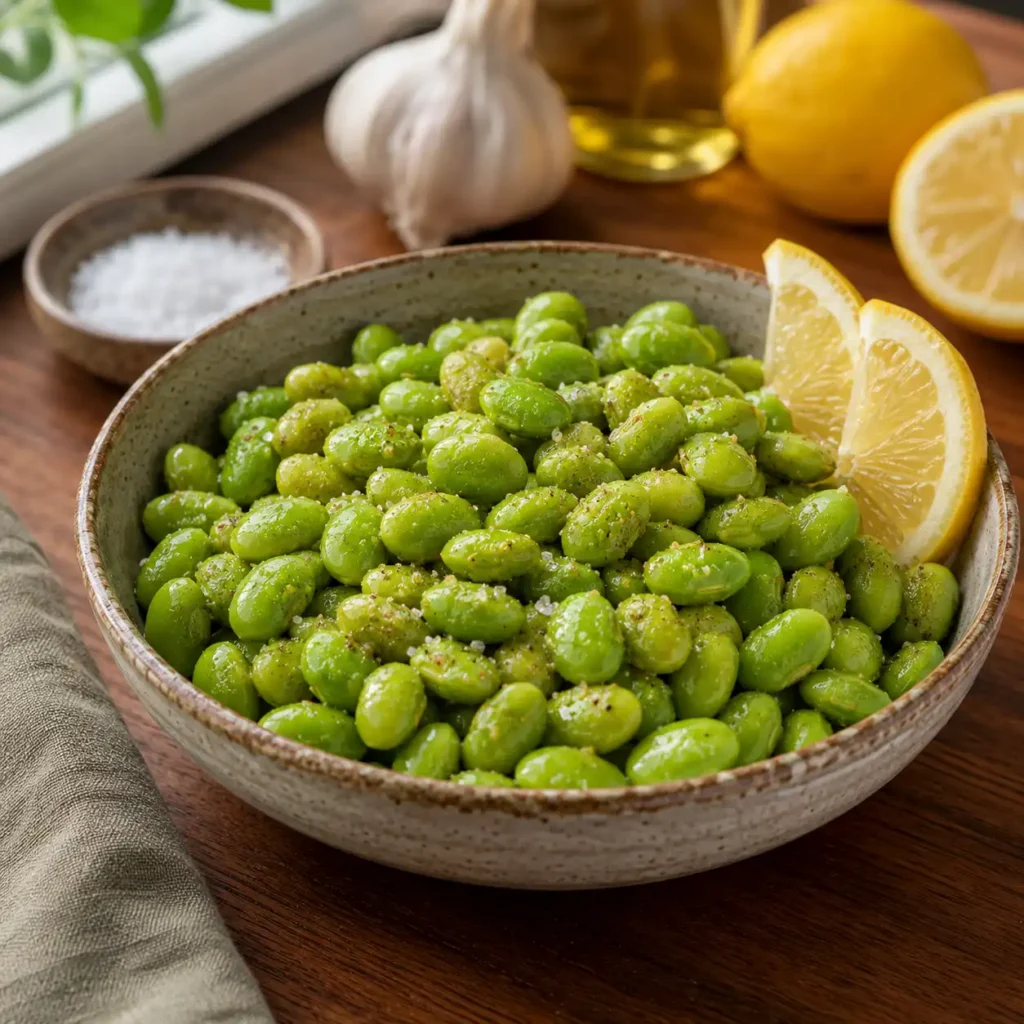
If you have ever sat in a sushi restaurant popping bright green beans out of their salty pods, you already know the joy of edamame. But have you met its more convenient sibling, mukimame? These little green gems are simply edamame beans that have already been removed from their fuzzy shells. They offer the same nutty flavor and incredible health perks without the messy work. Whether you want to boost your protein intake or add a pop of color to your dinner, mukimame is the versatile pantry staple you need to know about today.
Table of Contents
What Exactly is Mukimame?
The Basics of the Bean
Mukimame refers to young, green soybeans that are harvested before they have a chance to harden and turn brown. In Japanese, “muki” means to peel or shell, and “mame” means bean. Essentially, it is the heart of the edamame plant, served ready to eat. Unlike mature soybeans used for tofu or soy milk, these are picked while they are still sweet and tender. Most people find them in the freezer section of their local grocery store, though you might occasionally see them fresh at a local farmers’ market during the peak summer months. They have a buttery texture and a mild flavor that pairs well with almost anything.
A History of Simple Eating
While the term might sound new to some Western ears, these beans have been a part of East Asian diets for centuries. Farmers recognized that the young beans were a quick and filling source of energy. Historically, they were steamed or boiled and eaten as a snack. Today, the popularity of mukimame has grown globally as more people look for plant-based protein options that do not require hours of soaking or simmering. Because they are pre-shelled, they fit perfectly into a fast-paced lifestyle where every minute in the kitchen counts. They represent a bridge between ancient tradition and modern convenience.
Print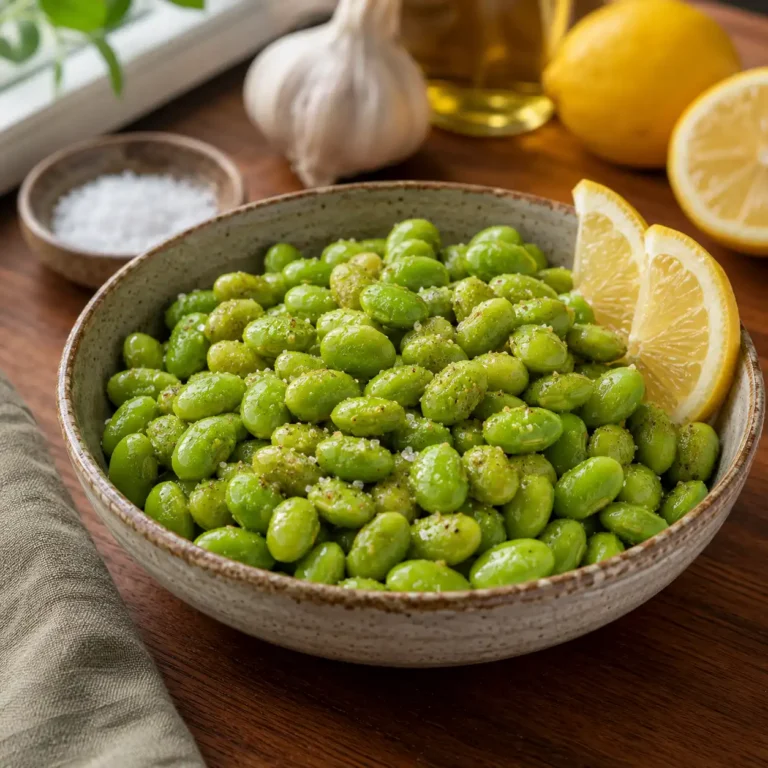
Mukimame: Your New Favorite Plant-Based Protein Secret
Discover mukimame, the convenient, shelled edamame beans that offer the same nutty flavor and impressive health benefits without the mess. This versatile plant-based protein is perfect for a quick snack, a colorful side dish, or a healthy boost to any meal.
- Total Time: 7 minutes
- Yield: 4 servings 1x
Ingredients
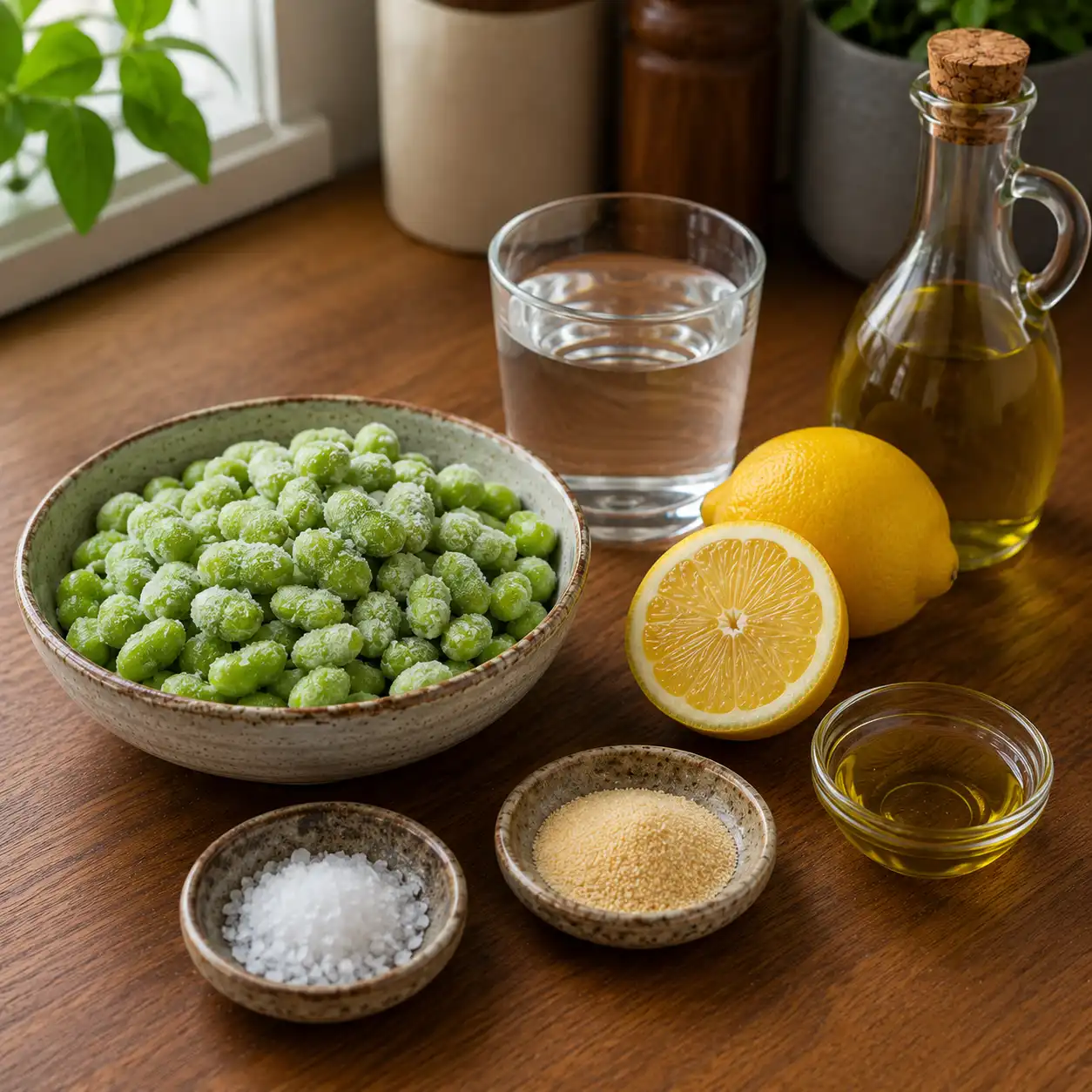
- 16 oz (450g) frozen mukimame (shelled edamame)
- 4 cups water
- 1/2 teaspoon sea salt (or to taste)
Instructions
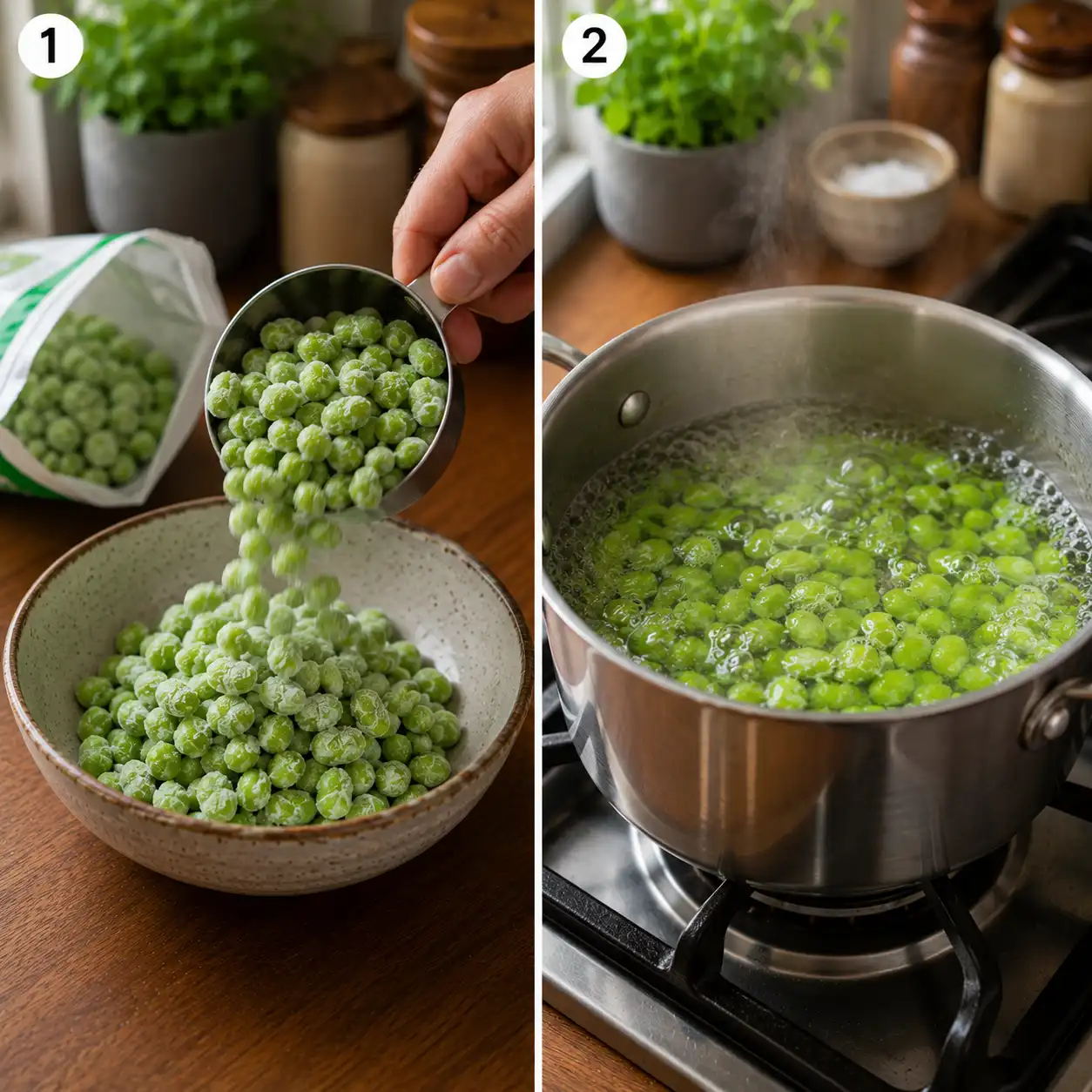
- Step 1: Boil Water – Bring 4 cups of water to a rolling boil in a medium pot.
- Step 2: Add Mukimame – Carefully add the frozen mukimame to the boiling water.
- Step 3: Cook Briefly – Cook for 3-5 minutes, or until the beans are tender-crisp and bright green.
- Step 4: Drain & Season – Drain the mukimame thoroughly using a colander. Transfer to a serving bowl and toss with sea salt to taste. Serve warm or chilled.
Notes
Mukimame is incredibly versatile! Enjoy it as a standalone snack, add it to salads, stir-fries, rice bowls, or blend it into dips. Adjust salt to your preference.
- Prep Time: 2 minutes
- Cook Time: 5 minutes
- Category: Snack, Side Dish, Plant-Based
- Method: Boiling, Steaming
- Cuisine: Asian, Japanese
- Diet: Plant-Based, Vegan, Vegetarian, Gluten-Free
Nutrition
- Serving Size: 1/2 cup (approx. 75g)
- Calories: 120 kcal
- Sugar: 2 g
- Sodium: 150 mg
- Fat: 5 g
- Saturated Fat: 0.5 g
- Unsaturated Fat: 4 g
- Trans Fat: <1 g
- Carbohydrates: 10 g
- Fiber: 6 g
- Protein: 11 g
- Cholesterol: <1 mg
Keywords: mukimame, edamame, plant-based protein, vegan snack, healthy side, quick recipe, gluten-free
Mukimame vs. Edamame: Is There a Real Difference?
Convenience and Use Cases
The primary difference between the two is the shell. When you buy edamame, you are usually getting the whole pod. This is great for an appetizer where you want to take your time, but it is not very helpful if you want to toss a handful of beans into a stir-fry or a soup. Mukimame eliminates the “shucking” phase of your meal prep. This makes it much easier to use as an ingredient rather than just a standalone snack. Imagine trying to shell fifty pods just to make a salad topper; with mukimame, that frustration disappears. You get all the goodness with none of the waste or extra labor.
Texture and Flavor Consistency
Because mukimame is usually frozen right after being shelled, the beans maintain a very consistent texture. They stay firm enough to provide a nice “snap” when you bite into them, but they remain creamy on the inside. When you cook them in the shell, sometimes the beans can get a bit mushy if the water penetrates the pod too much. With the shelled version, you have more control over the exact cooking time. You can see the color change and feel the firmness directly. This makes them a more reliable choice for picky eaters or those who are very specific about the “mouthfeel” of their vegetables.
Why Mukimame is a Nutritional Powerhouse
A Complete Plant Protein
One of the most impressive things about mukimame is that it is a complete protein. This means it contains all nine essential amino acids that our bodies cannot make on their own. This is somewhat rare in the plant world, making it a vital resource for vegetarians and vegans. Adding these beans to your diet can help with muscle repair and overall energy levels. Many people find that swapping out heavy starches for a serving of these beans helps them feel full longer.
This is a great strategy if you are looking for healthy alternatives, much like how people ask is cauliflower rice good for you when trying to lower their carb intake. Both foods provide volume and nutrition without the heavy caloric load of traditional grains.
Fiber, Vitamins, and Minerals
Beyond protein, mukimame is packed with dietary fiber. Fiber is essential for a healthy digestive system and helps regulate blood sugar levels. A single serving can provide a significant chunk of your daily requirements. These beans are also rich in folate, which is important for cell growth, and Vitamin K, which supports bone health. They contain a good amount of iron and magnesium as well. According to the Harvard T.H. Chan School of Public Health, soy products like these are a high-quality protein source that can be part of a heart-healthy diet when they replace less healthy options like processed red meats.
How to Cook Mukimame to Perfection
Standard Boiling and Steaming
Cooking these beans is incredibly easy. If you bought them frozen, you do not even need to thaw them first. You can drop them into a pot of boiling salted water for about three to five minutes. Once they turn a vibrant, bright green, they are done. If you prefer steaming, place them in a steamer basket over boiling water for about five or six minutes. Steaming is often preferred because it helps keep all the water-soluble vitamins inside the bean rather than leaching them out into the boiling water. Once finished, a quick rinse under cold water will stop the cooking process and keep them from getting soft.
Microwave and Air Fryer Methods
For those in a real hurry, the microwave is a valid option. Place your mukimame in a microwave-safe bowl with a tablespoon of water, cover it, and heat for two to three minutes. If you want something with a bit more crunch, try the air fryer. Toss the thawed beans with a tiny bit of olive oil and your favorite spices, then air fry at 375 degrees Fahrenheit for about 10 minutes, shaking the basket halfway through. This creates a crispy, snackable bean that is much healthier than potato chips. The air fryer method brings out a slightly nutty, roasted flavor that is hard to achieve with boiling.
- Step 1: Prep – Take the mukimame out of the freezer and measure your desired portion.
- Step 2: Heat – Choose your method (boil, steam, or microwave) and heat until the beans are bright green and tender.
- Step 3: Cool – Drain the beans and run them under cold water if you are using them in a cold dish.
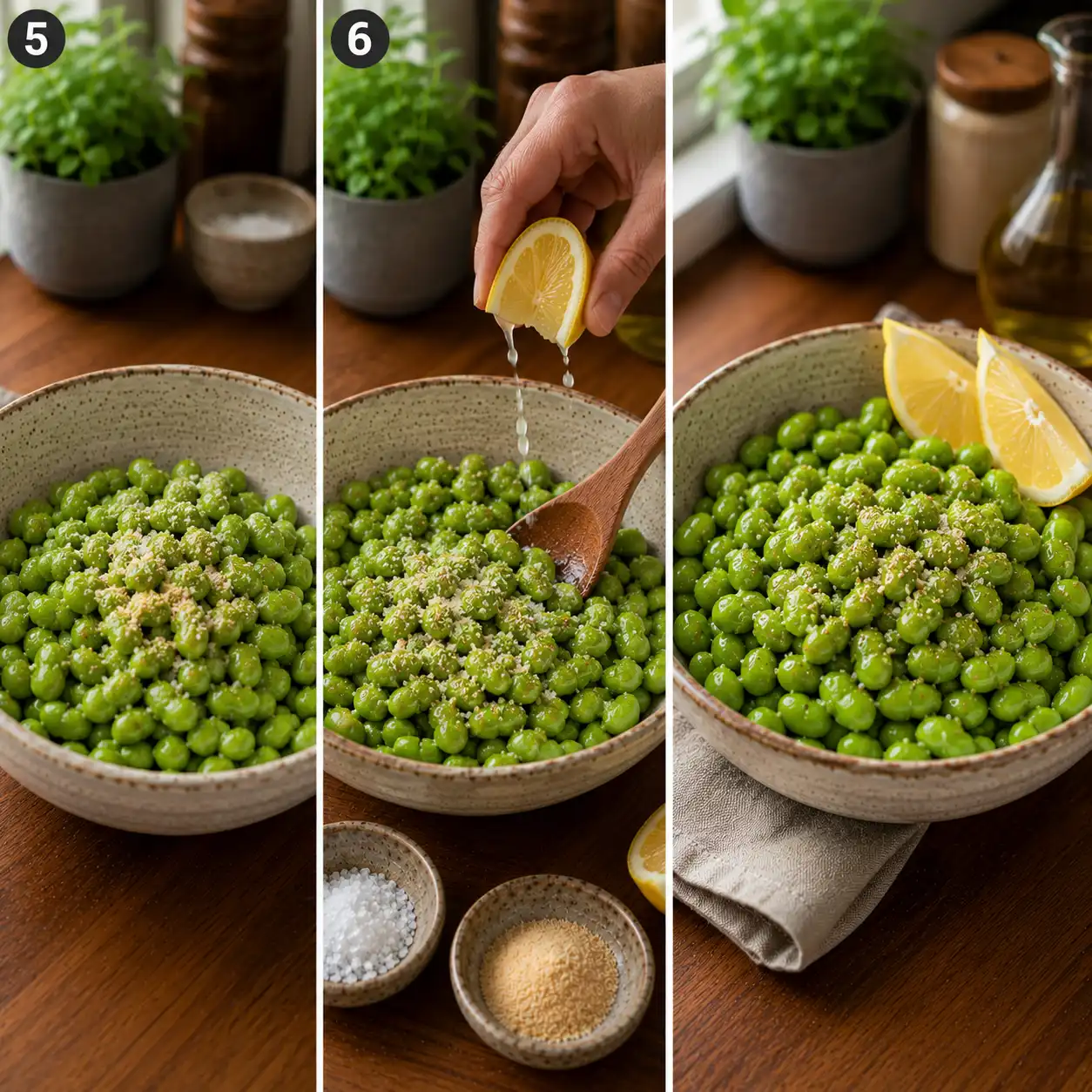
- Step 4: Season – Toss with sea salt, garlic powder, or a dash of lemon juice to bring out the natural flavors.

Ways to Add Mukimame to Your Daily Meals
Salads and Grain Bowls
One of the best ways to use mukimame is as a protein booster in salads. Because they are small and firm, they mix perfectly with leafy greens, cucumbers, and tomatoes. They add a satisfying bite that makes a salad feel more like a full meal. For a twist on a classic, you could add them to a cobb salad keto style, replacing some of the heavier ingredients with these fresh beans. They also work beautifully in grain bowls with quinoa or brown rice, providing a contrasting texture to the soft grains and creamy dressings.
Stir-Fries and Hot Dishes
Mukimame can be tossed into a wok during the last few minutes of cooking a stir-fry. They don’t need much time to heat through, so they stay crisp while the other vegetables soften. They pair exceptionally well with ginger, garlic, and soy sauce. If you are making an Asian-inspired feast, try serving them alongside some sautéed bok choy for a nutrient-dense side dish. You can even stir them into hearty stews or soups. Their firm skin prevents them from breaking down, so they keep their shape even in a bubbling pot of broth, adding both color and substance to your bowl.
For those who love a variety of protein sources in their kitchen, mukimame is a fantastic addition to various cultural dishes. While it might not be a traditional ingredient in a chicken menudo recipe, adding a handful of these beans toward the end of the cooking process can add an extra layer of texture and a boost of plant-based protein to the dish. It is all about making the recipe your own and finding ways to include more whole foods into your diet.
Health Benefits: Beyond Basic Nutrition
Heart Health and Cholesterol
Research has shown that soy protein can play a role in maintaining heart health. Regular consumption of soy has been linked to a slight decrease in LDL (bad) cholesterol levels. The presence of heart-healthy fats, specifically polyunsaturated fats, makes mukimame a great choice for those watching their cardiovascular health. A study published by the National Institutes of Health (NIH) suggests that replacing animal proteins with soy protein can help improve lipid profiles in the blood. This simple switch can have long-term benefits for your arteries and overall circulation.
Weight Management Support
Because mukimame is high in protein and fiber but relatively low in calories, it is an ideal food for weight management. The combination of fiber and protein triggers the hormones in your body that tell your brain you are full. This can prevent overeating and help you stay satisfied between meals. Many people find that having a small bowl of lightly salted mukimame in the afternoon prevents them from reaching for sugary snacks. It is a slow-burning fuel that provides steady energy without the crash associated with refined carbohydrates or sugary treats.
A Quick Look at Mukimame Nutrition
To help you understand exactly what you are putting into your body, here is a quick breakdown of the typical nutritional values for a half-cup serving of cooked mukimame. Please note that these values can vary slightly depending on the brand and preparation method.
| Nutrient | Amount per 1/2 Cup | Daily Value (%) |
|---|---|---|
| Calories | 95-100 kcal | 5% |
| Protein | 9 grams | 18% |
| Fiber | 4-5 grams | 16-20% |
| Total Fat | 4 grams | 5% |
| Iron | 1.8 mg | 10% |
| Vitamin C | 5 mg | 8% |
How to Buy and Store Mukimame
Shopping Tips
When you are at the store, look for mukimame in the frozen vegetable aisle. It is often labeled as “shelled edamame.” Look for bags where the beans feel loose and separate. if the beans feel like one giant frozen block, it might mean the bag thawed and refrozen at some point, which can affect the texture. Check the ingredient list to make sure there are no added sugars or unnecessary preservatives. Usually, the only ingredients should be soybeans and perhaps a bit of salt. If you find them fresh, look for a bright green color and avoid any beans that look yellowed or shriveled.
Storage Guidelines
Frozen mukimame can stay fresh in your freezer for up to six months. Once you open the bag, make sure to seal it tightly to prevent freezer burn. If you have cooked the beans, they will stay good in an airtight container in the refrigerator for about three to four days. They are a great candidate for meal prep because they don’t lose their texture when chilled. You can cook a big batch on Sunday and sprinkle them over your lunches throughout the week. If they start to smell sour or develop a slimy coating, it is time to toss them out.
FAQs
Is mukimame the same as edamame?
Yes, it is the same bean. The only difference is that mukimame is sold already removed from the shell, whereas edamame is typically sold in the pod.
Can you eat mukimame raw?
It is not recommended to eat them completely raw. Most frozen versions are blanched before freezing, so they are partially cooked. However, raw soybeans contain an enzyme that can interfere with digestion. It is best to steam or boil them for a few minutes before eating.
Is mukimame keto-friendly?
In moderation, yes. While they do contain carbohydrates, they are also high in fiber, which brings the net carb count down. A half-cup serving has about 3-5 grams of net carbs, making it suitable for many keto diets.
Does mukimame contain gluten?
Naturally, mukimame is 100% gluten-free. It is a legume, not a grain. Just be careful with pre-packaged versions that might have seasonings or sauces containing gluten.
Conclusion
Mukimame is a fantastic, easy-to-use ingredient that brings a wealth of health benefits to your table. From its high protein content to its impressive fiber and vitamin profile, it is a small bean that makes a big impact. By choosing the shelled version, you save time and make it much easier to integrate plant-based nutrition into your favorite recipes. Whether you are tossing them into a salad, a stir-fry, or just enjoying them with a bit of salt, these beans are a smart choice for anyone looking to eat better without spending hours in the kitchen.