
This cylindrical extruded grain product stands as one of the most versatile and beloved ingredients in global culinary traditions. From busy weeknight dinners to sophisticated gatherings, it holds sauces with remarkable strength. Understanding the physics behind its diagonal cut and hollow center allows home cooks to transform basic pantry items into extraordinary meals. Whether you prefer classic Italian preparations or modern flavor combinations, mastering penne pasta changes how you approach comfort food. In modern kitchens, many home cooks look for ways to balance classic comfort foods with wholesome daily habits, making this wonderful staple ideal for creative cooking.
Table of Contents
When you start your culinary journey with penne pasta, you open the door to endless possibilities in the kitchen. The unique shape of the tubes is not just for aesthetic appeal; it serves a direct functional purpose in capturing flavors. Every single piece acts as a tiny vessel designed to hold delicious sauces, making each forkful rich and satisfying. As you learn more about preparing this grain, you will notice how small adjustments in water temperature, cooking duration, and sauce pairings create a massive difference in the final meal.
The Origins and Anatomy of Penne Pasta
Understanding the Shape and Structure
The distinctive shape originates from a 19th-century patent granted to Giovanni Battista Capurro in Liguria, Italy. The diagonal cut resembles a quill or fountain pen, which inspired its name. When manufacturers extrude the dough through bronze dies, the surface of penne pasta develops a rough texture that grabs onto sauces far better than smooth commercial alternatives. This specific geometric design creates a perfect balance between sturdiness and sauce retention, making these tubes a favorite choice for baked dishes and quick skillet tosses.
The manufacturing process plays a vital role in how penne pasta behaves in boiling water. Traditional bronze-cut methods leave micro-abrasions on the exterior. These tiny rough spots act like microscopic hooks, catching herbs, oil, and thick tomato purees. As you experiment with different brands at your local market, checking the surface texture of the penne pasta can help you predict how well it will hold your favorite homemade sauces.
Varieties: Lisce versus Rigate
Shoppers often encounter two main styles when purchasing penne pasta: smooth (lisce) and ridged (rigate). The ridged version features small parallel grooves along the exterior tube. These ridges act as microscopic channels that hold onto herb pastes and chunky meat sauces. Meanwhile, the smooth variety offers a sleek mouthfeel that pairs wonderfully with velvety cream sauces and delicate vegetable purees. Choosing the right texture depends entirely on the viscosity of the sauce you plan to serve alongside your meal.
Many traditional chefs in southern regions of Italy prefer the smooth variant for delicate broths or light emulsions, while northern regions often lean toward the ridged option for hearty ragus. Understanding these regional preferences helps home cooks make informed decisions when planning dinner menus.
Print
7 Delicious Essential Secrets for Cooking Penne Pasta Like a Pro
Master the art of cooking penne pasta like a professional with expert techniques on water salinity, al dente timing, bronze-die textures, and perfect sauce pairings.
- Total Time: 17 minutes
- Yield: 4 servings 1x
Ingredients
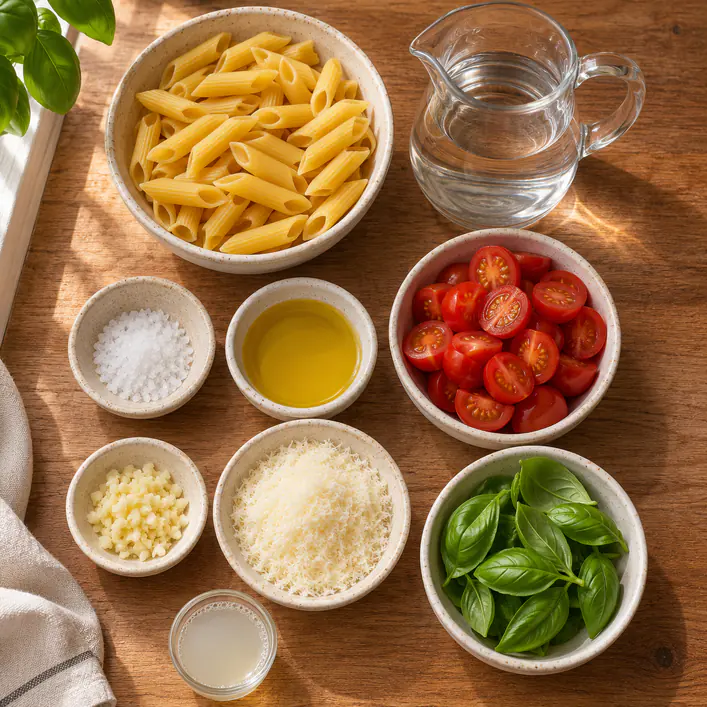
- 1 lb penne pasta (semolina, whole wheat, or gluten-free)
- 4–6 quarts water
- 2 tablespoons kosher salt
- 2 tablespoons extra virgin olive oil
- 1 cup cherry tomatoes, halved
- 3 cloves fresh garlic, minced
- 1/2 cup grated parmesan cheese
- 1/4 cup starchy reserved cooking water
- Fresh basil leaves for garnish
Instructions
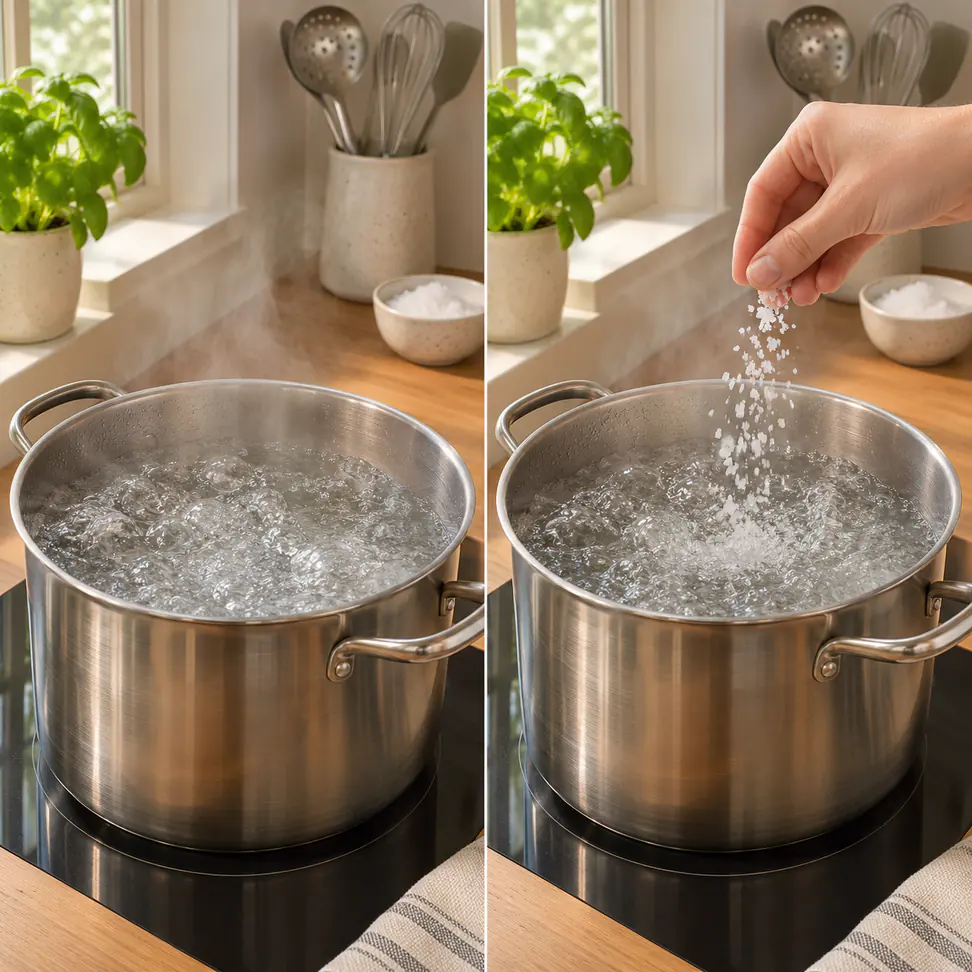
- Step 1: Boil Water – Bring 4 to 6 quarts of water to a rolling boil in a large pot.
- Step 2: Season Water – Add kosher salt generously until the water tastes noticeably seasoned like seawater.
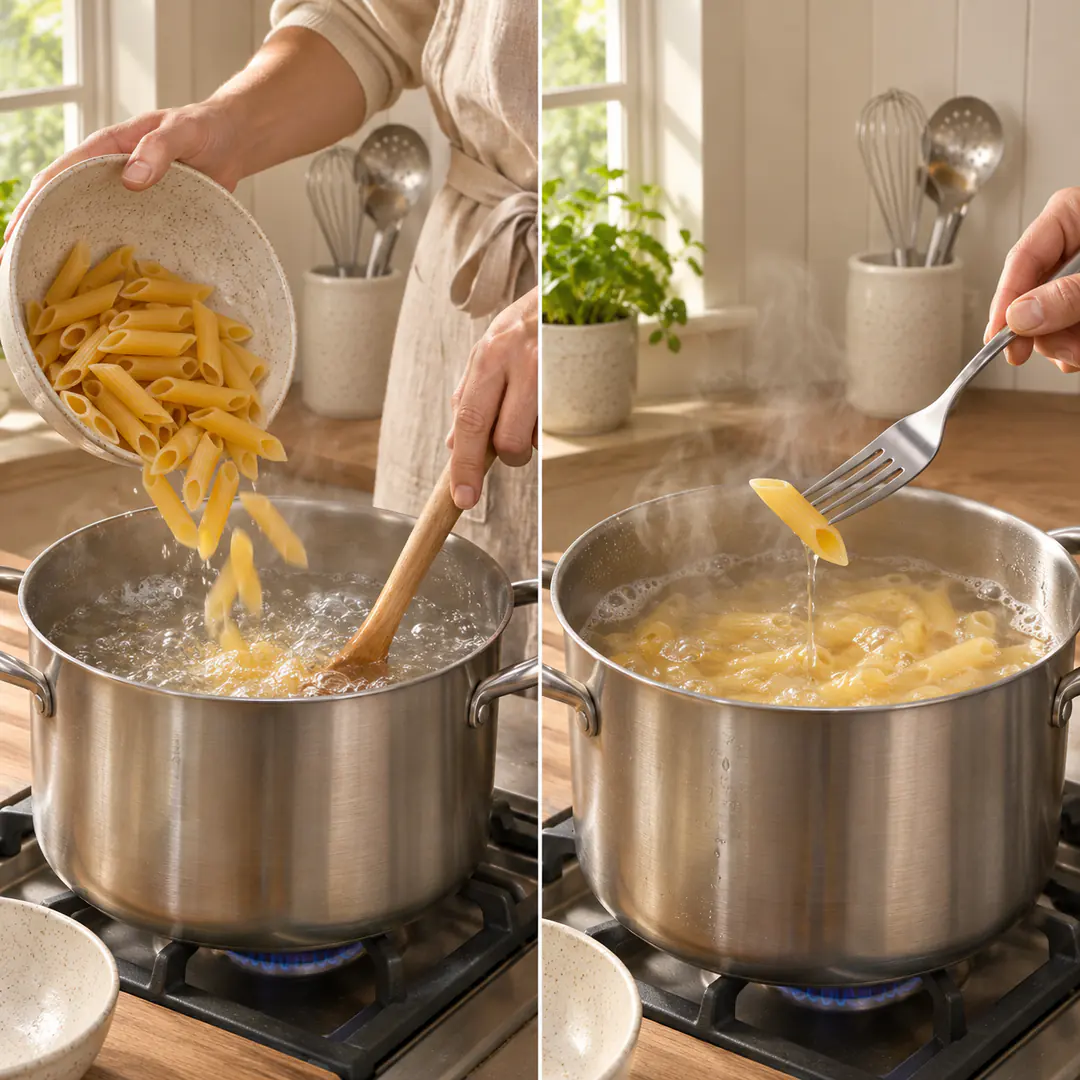
- Step 3: Add Penne – Pour the penne pasta into the boiling water, stirring immediately to prevent sticking.
- Step 4: Cook Al Dente – Boil for 10 to 12 minutes, testing a piece a minute before package instructions suggest.
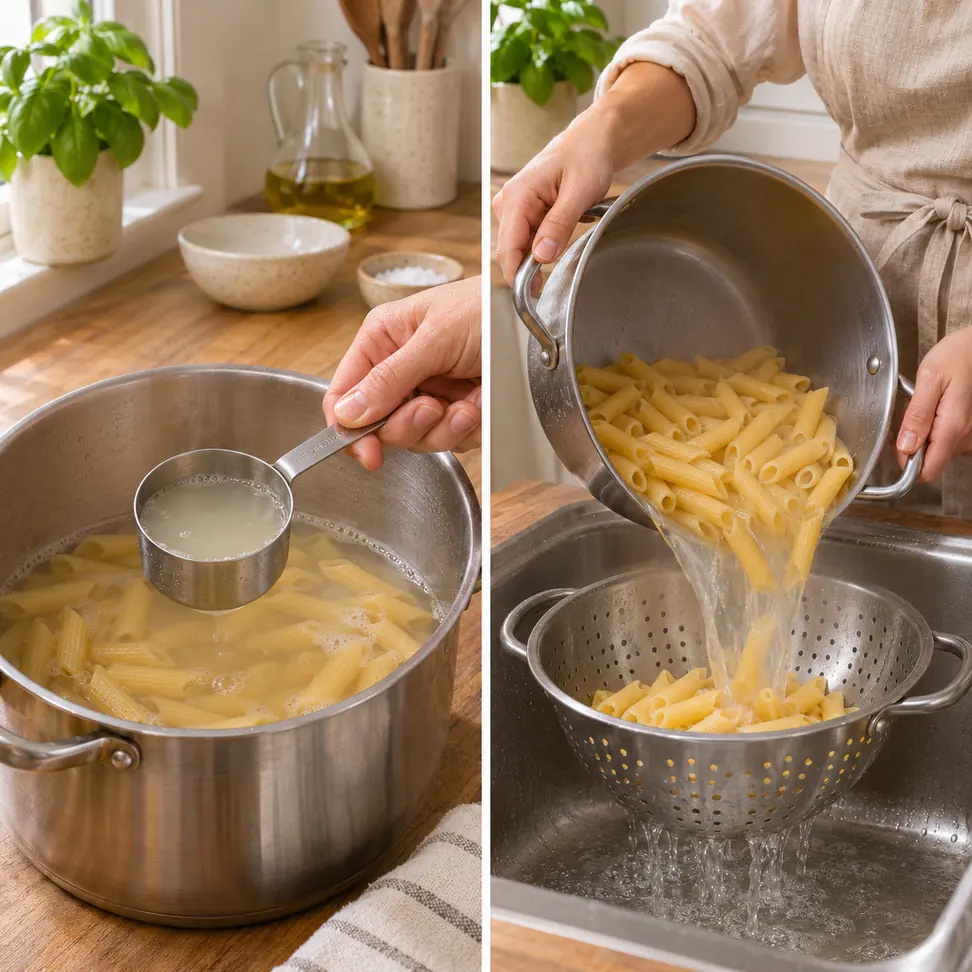
- Step 5: Reserve Water – Scoop out about a quarter cup of the starchy cooking water before draining.
- Step 6: Drain Pasta – Drain the penne pasta immediately in a colander without rinsing.
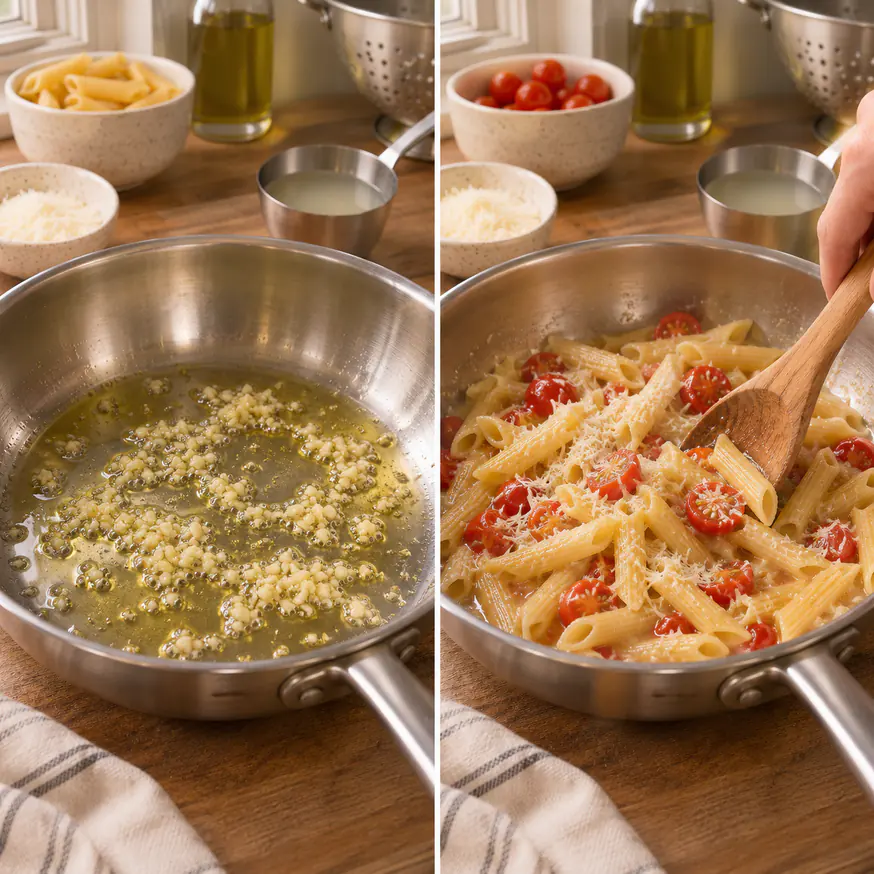
- Step 7: Sauté Aromatics – Warm olive oil and minced garlic in a skillet over medium heat until fragrant.
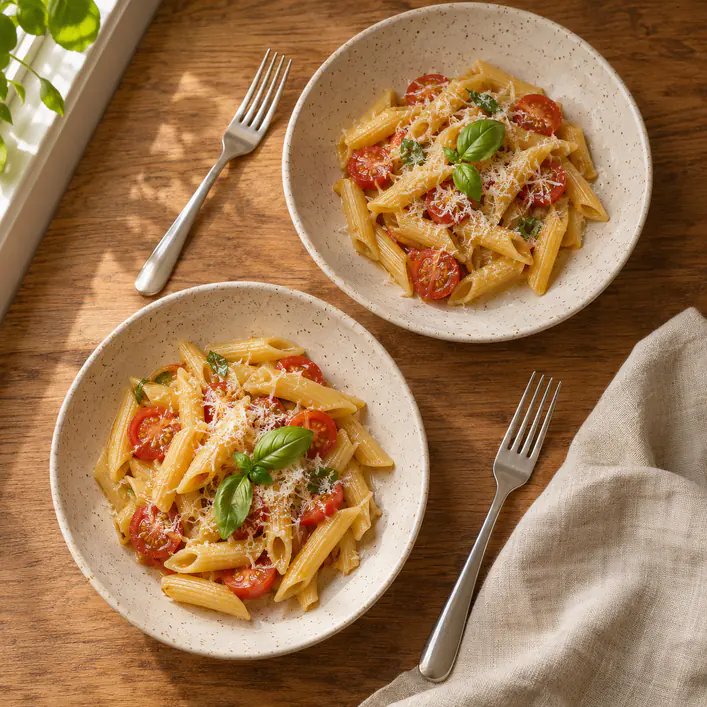
- Step 8: Combine and Toss – Toss the drained penne, cherry tomatoes, parmesan cheese, and reserved water directly into the skillet for the final minute of preparation.
Notes
Never add oil to the boiling water, as it prevents sauces from clinging properly to the penne pasta. Undercook slightly if planning to reheat.
- Prep Time: 5 minutes
- Cook Time: 12 minutes
- Category: Main Course
- Method: Boiling
- Cuisine: Italian
- Diet: Vegetarian
Nutrition
- Serving Size: 1 plate
- Calories: 380 kcal
- Sugar: 3 g
- Sodium: 580 mg
- Fat: 10 g
- Saturated Fat: 2.5 g
- Unsaturated Fat: 6.5 g
- Trans Fat: 0 g
- Carbohydrates: 62 g
- Fiber: 4 g
- Protein: 12 g
- Cholesterol: 10 mg
Keywords: penne pasta, italian cooking, pasta recipe, al dente, pasta secrets

Mastering the Boiling Process
The Science of Salting Water
Achieving the perfect texture starts with proper boiling techniques. Many home cooks under-salt their water, leaving the penne pasta bland from the inside out. Water should taste noticeably seasoned, mimicking the salinity of the Mediterranean Sea. As the starch hydrates and swells, it absorbs the salted water, building a foundation of flavor before any sauce touches the bowl. For deeper culinary insights, you can review serious culinary guides on boiling techniques to refine your kitchen skills and understand why seasoning the cooking water matters so much for penne pasta.
When cooking penne pasta, using a large pot with plenty of water prevents the temperature from dropping too drastically when the dry grain is added. A rolling boil ensures that the tubes move freely around the pot, cooking evenly without sticking to the bottom or sides of the vessel. Never add oil to the boiling water, as oil creates a slippery coating on the penne pasta that prevents sauces from clinging properly afterward.
Timing and Al Dente Perfection
Cooking time varies based on whether you use dried semolina or fresh varieties. Dried penne pasta requires anywhere from ten to twelve minutes of boiling to reach the ideal al dente stage, meaning the grain offers slight resistance to the bite. Overcooking turns the tubes mushy, ruining the structural integrity needed to hold heavy ingredients. Always test a piece a minute before the package instructions suggest to catch the penne at its absolute peak texture and firmness.
Timing your penne pasta precisely ensures that the starches remain structured rather than gelatinizing into a sticky paste. Once the grain reaches that coveted al dente window, drain it immediately in a colander, reserving a small cup of the starchy cooking water. This starchy liquid is pure gold when you need to loosen a thick sauce and help it bind seamlessly to the penne pasta.
Pairing Penne Pasta with the Right Sauces
Hearty Meat and Vegetable Blends
Because of its hollow interior, penne pasta acts as a natural scoop for ground meats, beans, and diced vegetables. Small bits of ingredients get trapped inside the tubes, guaranteeing a balanced bite of sauce and grain every single time. If you enjoy wholesome family dinners, you might love pairing your dishes with ideas found on this page for easy healthy pasta meals that satisfy every appetite. The sturdy nature of the tubes prevents them from breaking down when tossed with dense components.
When preparing vegetarian medleys, consider roasting root vegetables or cherry tomatoes beforehand. The sweet, concentrated juices from roasted vegetables coat the exterior of the penne pasta, creating a rustic flavor profile that feels both comforting and sophisticated.
Creamy and Cheese-Based Combinations
Smooth or ridged tubes pair exceptionally well with dairy-based emulsions. The starch released during boiling helps bind cheese and cream together into a glossy coating that clings tightly to every surface. When preparing baked casseroles, the outer edges of the penne develop a delightful golden crust while the inside remains tender and moist. This textural contrast makes it an unbeatable vehicle for rich, oven-baked comfort foods.
For an exceptional cheese sauce pairing, gently warm grated sharp cheddar or aged parmesan with a splash of milk and starchy water before folding in your freshly boiled penne pasta. The residual heat melts the cheese without splitting the dairy fats, resulting in a luxurious coating for your dish.
Alternative Grains and Dietary Variations
Whole Wheat and Ancient Grains
Health-conscious cooks often swap traditional semolina for whole wheat, chickpea, or lentil alternatives. These modern iterations of penne pasta provide significantly higher fiber and protein content, helping maintain steady energy levels throughout the day. While whole grain options require slight adjustments in cooking time and water absorption, they deliver a nutty flavor profile that complements earthy mushrooms, leafy greens, and robust olive oils.
When cooking whole wheat penne pasta, tasting frequently during the final minutes prevents the grain from becoming overly dense or chewy. Pairing these nutty alternatives with fresh garlic, spinach, and toasted pine nuts enhances their natural rustic characteristics.
Gluten-Free Innovations
Individuals avoiding gluten no longer need to miss out on comforting Italian dinners. Modern manufacturers produce gluten-free penne using brown rice, corn, or quinoa flours. To prevent these alternatives from turning gummy or falling apart during cooking, maintain a rolling boil and stir frequently during the first few minutes. For further reading on dietary science and grain processing, agricultural resources like the Food and Agriculture Organization offer extensive documentation on global crop usage and sustainable grain varieties.
Gluten-free penne pasta requires a gentle touch after draining. Rinsing the cooked grain briefly with warm water can sometimes remove excess surface starches that cause sticking, though keeping the sauce ready to mix immediately is usually the best approach for maintaining a smooth consistency.
Creative Recipes Highlighting Penne Pasta
Quick Skillet Suppers
When time runs short, a quick skillet meal comes to the rescue. Tossing warm penne pasta with garlic-infused olive oil, fresh cherry tomatoes, and basil creates a vibrant dish in under twenty minutes. For those seeking balanced nutrition plans, incorporating these grains into weight-conscious routines is simple when following guidance such as healthy pasta recipes to lose weight without sacrificing flavor or satisfaction.
Skillet preparations allow you to finish cooking the penne directly inside the sauce for the final minute of preparation. This absorption method draws flavors deep into the center of the penne tubes, elevating simple weeknight cooking into a restaurant-quality experience.
Baked Casserole Creations
Baking transforms simple ingredients into unforgettable feasts. Layering cooked penne with marinara sauce, fresh mozzarella, and grated parmesan creates a bubbling masterpiece. As the casserole bakes, the sauce bubbles up through the tubes, ensuring every single piece absorbs maximum flavor. Leftovers taste even better the next day as the flavors continue to meld inside the refrigerator.
For the ultimate baked penne pasta dish, mix half of your shredded cheese directly into the warm grain before transferring it to the baking dish, saving the rest for a crispy top layer. Bake uncovered at a moderate temperature until the edges turn golden brown and bubbly.
Tips for Storing and Reheating Leftovers
Proper Refrigeration Methods
Managing leftovers correctly keeps your meals tasting fresh and appetizing. Toss cooked penne with a tiny splash of olive oil before placing it in an airtight container to prevent sticking. Stored properly in the refrigerator, plain cooked grains remain safe to eat for up to four days. Avoid storing dressed grains for too long if the sauce contains delicate dairy products that might separate.
If you plan to meal-prep batches of penne pasta ahead of time, undercooking the grain by two minutes during the initial boil prevents it from becoming soggy when reheated later in the week.
Reviving Stored Grains
Reheating requires a gentle touch to avoid rubbery textures. Submerging leftover penne pasta in boiling water for thirty seconds restores its original al dente bite instantly. Alternatively, when reheating in a skillet, add a couple of tablespoons of water or extra sauce to create steam, loosening the starches and bringing the dish back to its original creamy consistency.
Microwave reheating can dry out penne quickly. Always cover your bowl with a damp paper towel and stir halfway through the heating cycle to distribute moisture evenly across the penne pasta.
Conclusion
Penne pasta remains an enduring kitchen essential thanks to its unique shape, robust structure, and incredible versatility. By respecting boiling times, pairing the tubes with complementary sauces, and exploring modern grain variations, you can elevate everyday cooking into a celebration of flavor. Embrace these culinary principles to make your next meal unforgettable and share the joy of perfectly prepared penne pasta with your family and friends.
FAQs
What is the main difference between penne lisce and penne rigate?
Penne lisce features a completely smooth surface, whereas penne rigate includes small ridges along the exterior tubes. These ridges help thicker sauces cling much better to the grain.
Can I freeze cooked penne pasta?
Freezing cooked penne pasta is possible, but it tends to become mushy upon thawing. For best results, freeze the sauce separately and boil fresh grains when you are ready to eat.
How do I prevent penne pasta from sticking together while boiling?
Use a generous amount of boiling water, add plenty of salt, and stir the pot vigorously during the first two minutes of cooking to keep the pieces separated.
Is whole wheat penne pasta healthier than regular semolina?
Whole wheat versions generally provide higher amounts of dietary fiber and protein, contributing to improved digestion and longer-lasting satiety compared to refined white flour products.


