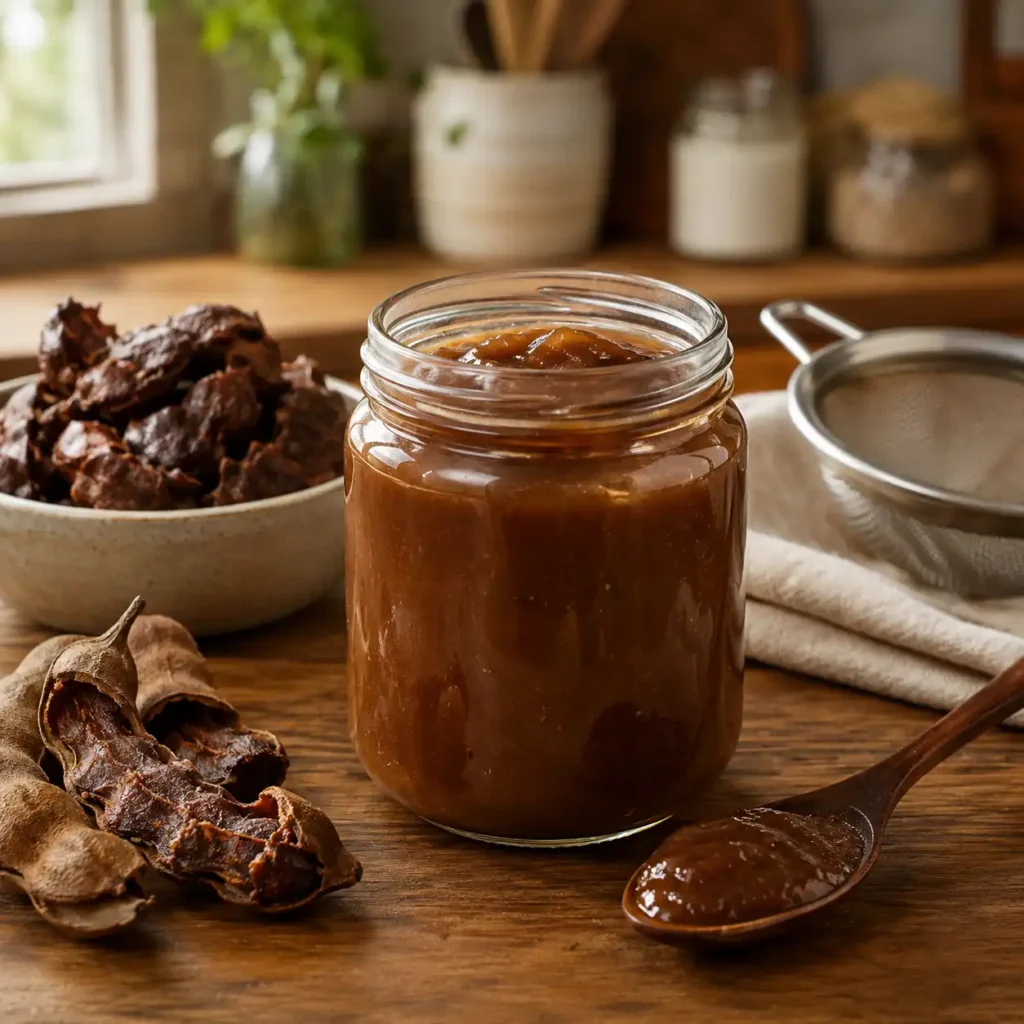
Tamarind paste is a fundamental ingredient that defines the flavor profile of countless dishes across the globe. From the spicy streets of Thailand to the aromatic kitchens of India and the vibrant markets of Mexico, this thick, dark concentrate provides a unique balance of sourness and sweetness. Understanding how to use tamarind paste can transform your home cooking, providing a depth of flavor that is difficult to replicate with other acidic ingredients like lemon or vinegar.
Table of Contents
What is Tamarind Paste and Where Does It Come From?
The Origins of the Tamarind Fruit
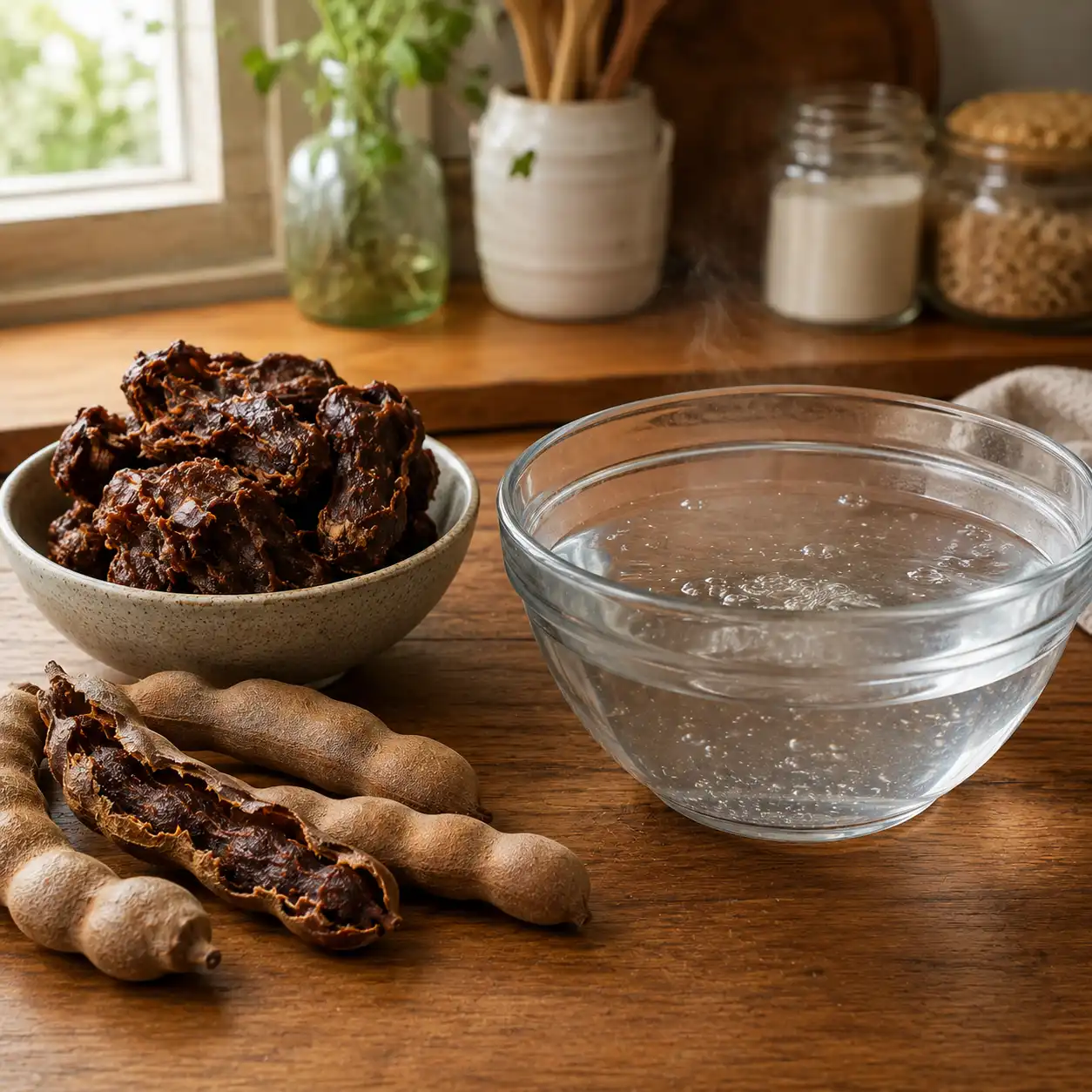
The source of tamarind paste is the fruit of the Tamarindus indica tree, which is native to tropical Africa but has been grown in India and Southeast Asia for thousands of years. These trees produce long, brown, bean-like pods filled with a sticky, fibrous pulp surrounding several hard seeds. This pulp is the heart of the product we recognize in the kitchen. In many cultures, the tree is considered a symbol of endurance and longevity because of its ability to thrive in harsh, dry climates while producing abundant fruit.
How the Paste is Processed
To create tamarind paste, producers harvest the ripe pods and remove the outer brittle shell. The sticky pulp is then separated from the seeds and fibers. In industrial settings, this is often done through mechanical pressing and filtration to produce a smooth, shelf-stable concentrate. Artisanal methods involve soaking the pulp in warm water and hand-mashing it to create a thick liquid. The resulting tamarind paste is prized for its high concentration of tartaric acid, which gives it that signature mouth-puckering tang accompanied by subtle caramel undertones.
Regional Varieties and Textures
Not all versions of this ingredient are the same. Thai tamarind paste tends to be smoother and slightly more liquid, often sold in plastic jars. Indian varieties may come as a dense, dark block that requires soaking before use. Some Mexican versions are even sweeter, often used in candies or syrups. When you go to buy tamarind paste, the texture can vary from a thick jam to a pourable sauce. Knowing which type you have is vital for adjusting the measurements in your favorite recipes to get the perfect balance of acidity.
Print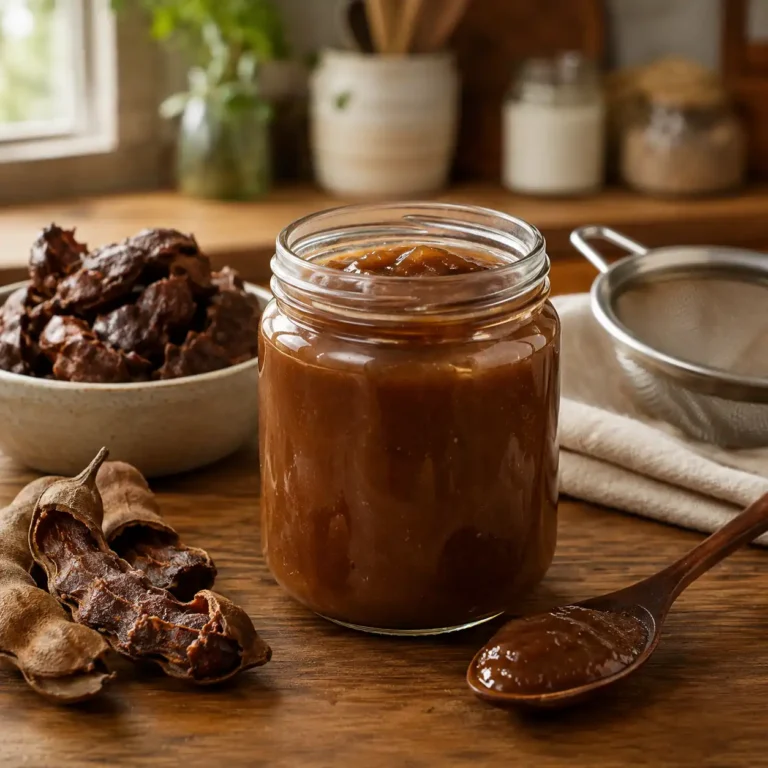
Mastering Tamarind Paste: Homemade Tamarind Concentrate
A comprehensive guide to creating smooth, vibrant tamarind paste from raw pods, essential for providing the signature tangy-sweet balance in global cuisines.
- Total Time: 1 hour
- Yield: 1.5 cups 1x
Ingredients
- 1 lb (450g) Dried tamarind pods
- 2 cups Boiling water
Instructions
- Step 1: Crack Shells – Remove the hard, brittle outer shells from the tamarind pods to reveal the sticky fruit inside.
- Step 2: Remove Fibers – Pull away the long, vein-like fibrous strings that run along the length of the tamarind pulp.
- Step 3: Soak Pulp – Place the cleaned tamarind pulp into a large heat-proof bowl and pour over the boiling water.
- Step 4: Soften – Allow the tamarind to soak for 30 to 45 minutes until the pulp becomes extremely soft and malleable.
- Step 5: Mash – Use a fork or your hands to mash the softened pulp into the water, separating the seeds from the fruit.
- Step 6: Strain – Place a fine-mesh sieve over a clean bowl and pour the pulp mixture through it in small batches.
- Step 7: Extract – Use a spatula to press the pulp firmly through the mesh, scraping the thick concentrate from the underside of the sieve.
- Step 8: Store – Transfer the resulting smooth paste into a clean glass jar and refrigerate for up to four weeks.
Notes
If the paste is too thick for your needs, whisk in a tablespoon of warm water at a time until the desired consistency is reached. The discarded seeds and fibers can be composted.
- Prep Time: 15 minutes
- Cook Time: 45 minutes
- Category: Condiment
- Method: Extraction
- Cuisine: Global
- Diet: Vegan
Nutrition
- Serving Size: 1 tablespoon
- Calories: 35 kcal
- Sugar: 7g
- Sodium: 4mg
- Fat: 0.1g
- Saturated Fat: 0.01g
- Unsaturated Fat: 0.05g
- Trans Fat: 0.01g
- Carbohydrates: 9g
- Fiber: 1g
- Protein: 0.4g
- Cholesterol: 0.01mg
Keywords: tamarind, tamarind paste, homemade concentrate, thai cooking, indian ingredients, tangy
The Essential Role of Tamarind Paste in Global Cuisine
The Backbone of Southeast Asian Cooking
In Southeast Asia, tamarind paste is an indispensable component of iconic dishes. It provides the essential tartness in Pad Thai, cutting through the richness of the peanuts and oil. It is also a key player in various soups, such as the Filipino Sinigang, where the sour broth is the star of the show. Many cooks find that adding a spoonful of this paste to a stir-fry or a dipping sauce creates a complex flavor layer that highlights other ingredients. It works beautifully with seafood, providing a bright contrast to the natural sweetness of shrimp or fish.
Indian Curries and Chutneys
Indian cuisine relies heavily on tamarind paste to balance the heat of dried chilies and the earthiness of ground spices. It is a core ingredient in South Indian sambar and rasam, providing the sharp acidity that makes these lentil-based dishes so refreshing. When making a vegetarian feast, adding this tangy ingredient to a chickpea curry with coconut milk can provide the necessary brightness to prevent the dish from feeling too heavy. It is also the primary ingredient in the sweet and sour chutneys served alongside samosas and pakoras.
Middle Eastern and Latin American Influences
While often associated with Asia, tamarind paste also features prominently in Middle Eastern stews and Mexican refreshments. In some parts of the Middle East, it is used as a glaze for roasted meats or stirred into bean dishes to add a zesty finish. In Mexico, “agua de tamarindo” is a beloved beverage made by diluting the pulp with water and sugar. The versatility of tamarind paste allows it to move between savory and sweet contexts with ease, making it a valuable tool for any adventurous chef looking to expand their flavor palette.
Key Health Benefits and Nutritional Value
A Rich Source of Antioxidants
Beyond its culinary uses, tamarind paste is packed with beneficial compounds. It contains high levels of polyphenols and flavonoids, which act as powerful antioxidants in the body. These compounds help neutralize harmful free radicals, potentially reducing oxidative stress. Scientific studies have shown that the tartaric acid found in the fruit not only provides flavor but also supports cellular health. For more information on the botanical properties and historical uses of this fruit, you can visit the Britannica page on Tamarind, which details the tree’s growth and global spread.
Digestive and Heart Health Support
Traditional medicine has long used tamarind as a digestive aid. The pulp is rich in dietary fiber, which helps promote regular bowel movements and supports overall gut health. Additionally, some research suggests that tamarind paste may help manage cholesterol levels by preventing the absorption of certain fats in the intestines. When combined with other health-conscious ingredients like turmeric with piperine, you can create meals that are as nourishing for the body as they are pleasing to the tongue. The magnesium content in the fruit also contributes to healthy nerve and muscle function.
Nutritional Profile Overview
Tamarind paste is a nutrient-dense ingredient that provides a surprising amount of minerals for such a small serving size. It is a good source of potassium, iron, and B vitamins. Because it is naturally low in fat and contains no cholesterol, it is an excellent way to add massive flavor without adding excess calories or unhealthy fats. This makes it a favorite for those following heart-healthy or weight-management diets. The combination of vitamins and minerals helps support a robust immune system and maintains energy levels throughout the day.
| Nutrient (per 100g) | Approximate Value | Benefit |
|---|---|---|
| Magnesium | 92 mg | Supports bone health and energy production. |
| Potassium | 628 mg | Helps regulate blood pressure and fluid balance. |
| Iron | 2.8 mg | Vital for oxygen transport in the blood. |
| Fiber | 5.1 g | Aids digestion and promotes satiety. |
| Calcium | 74 mg | Supports skeletal strength and muscle function. |
How to Make Homemade Tamarind Paste
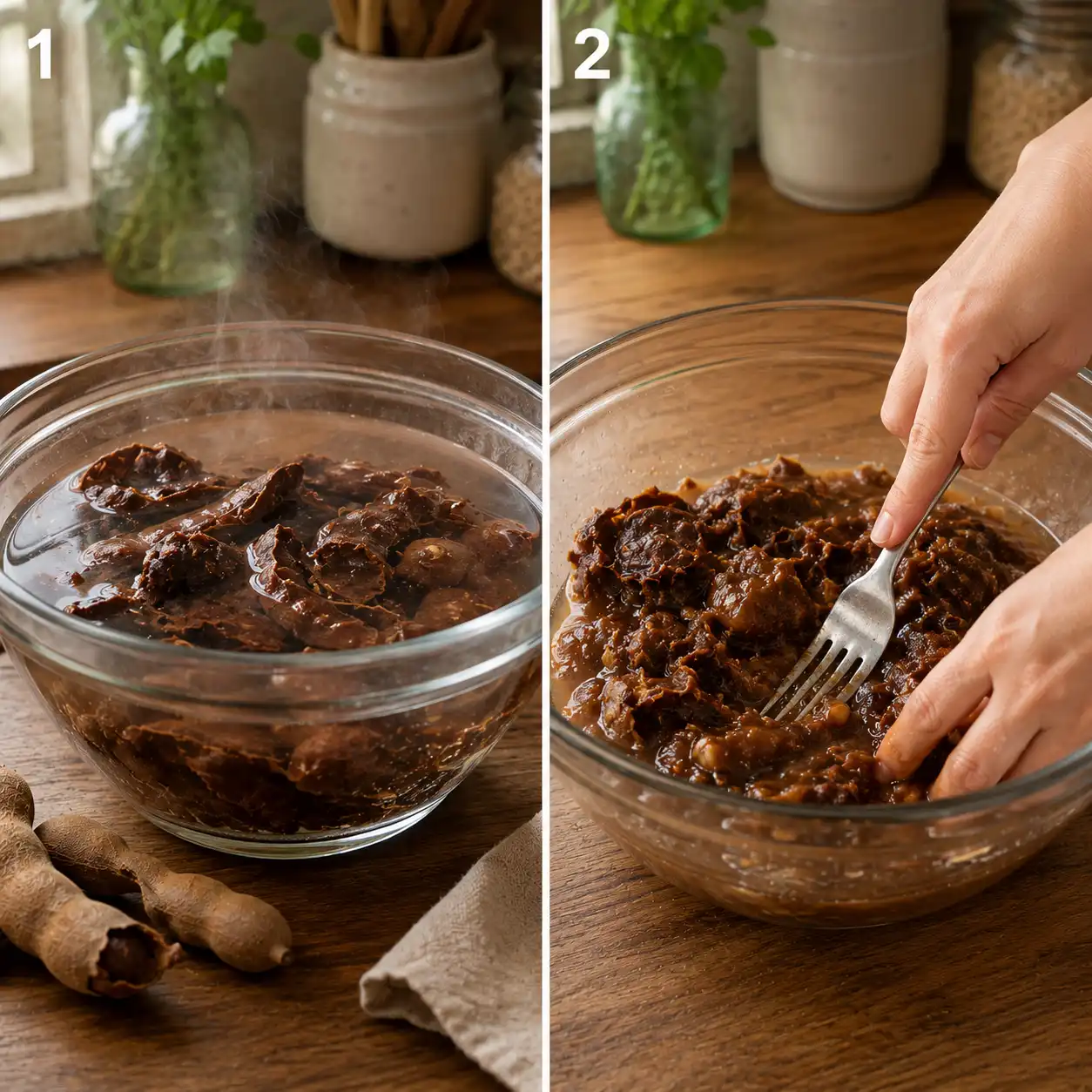
Step 1: Soften the Fruit –
Start by taking a block of dried tamarind or several fresh pods with the shells removed. Place the fruit in a heat-proof bowl and cover it with boiling water. Let the tamarind sit for about 20 to 30 minutes. This soaking process is essential to loosen the sticky pulp from the seeds and fibers, making it much easier to work with. The water will turn a deep brown as the flavors and acids begin to leach out of the fruit.
Step 2: Mash the Pulp –
Once the tamarind has softened significantly, use a fork or your clean hands to mash the mixture. You want to break up any large clumps and ensure the pulp is fully integrated with the water. If the mixture feels too dry or thick, you can add a small amount of warm water to reach a workable consistency. The goal is to create a thick, sludge-like mixture where the seeds are mostly clean of the dark fruit meat.
Step 3: Strain the Mixture –
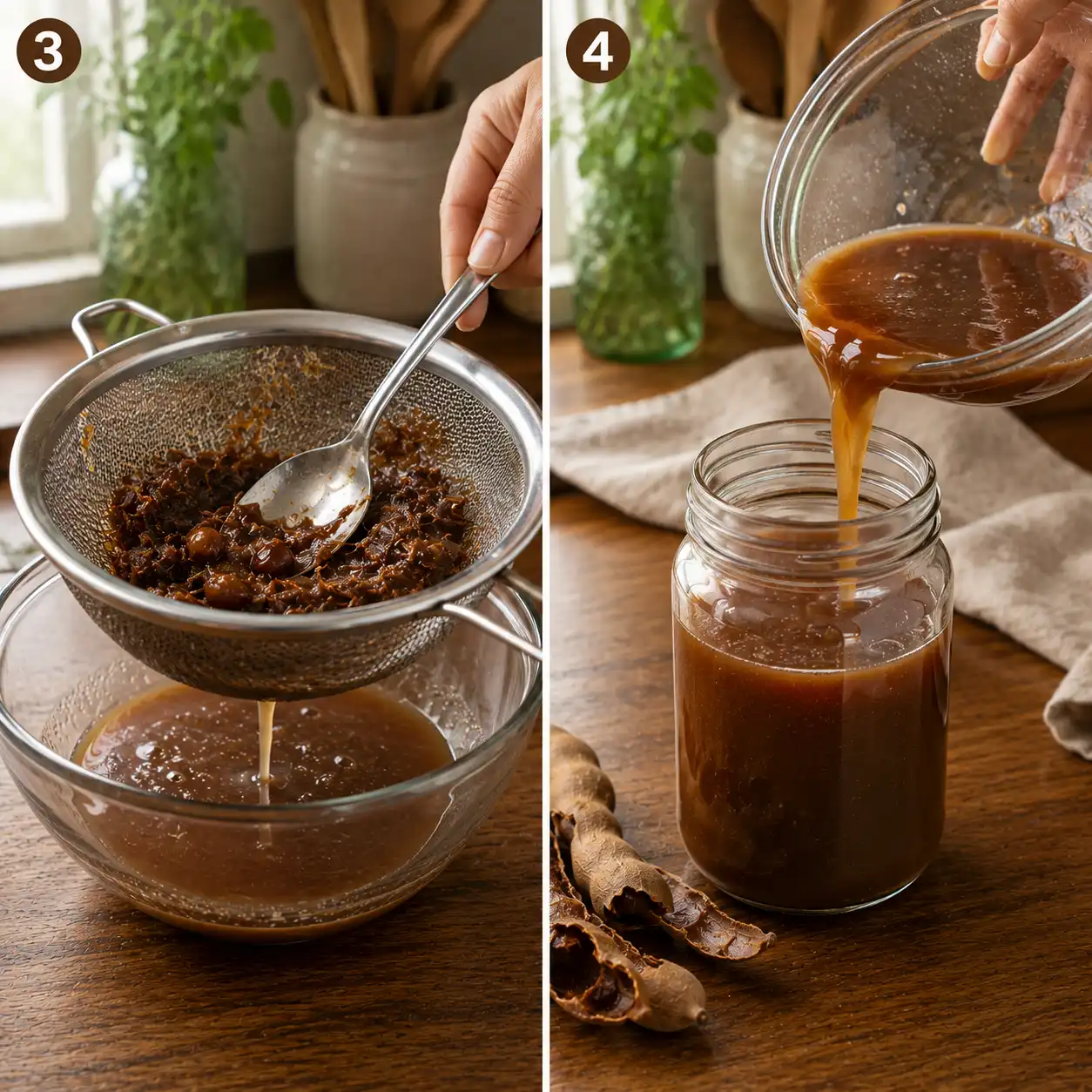
Set a fine-mesh sieve over a clean bowl. Pour the mashed tamarind into the sieve and use the back of a spoon to press the pulp through the mesh. This step is crucial for achieving a smooth tamarind paste, as it removes the hard seeds and the tough, stringy fibers that are naturally present in the fruit pods. Keep scraping the bottom of the sieve to collect every bit of the thick concentrate that passes through.
Step 4: Store Properly –
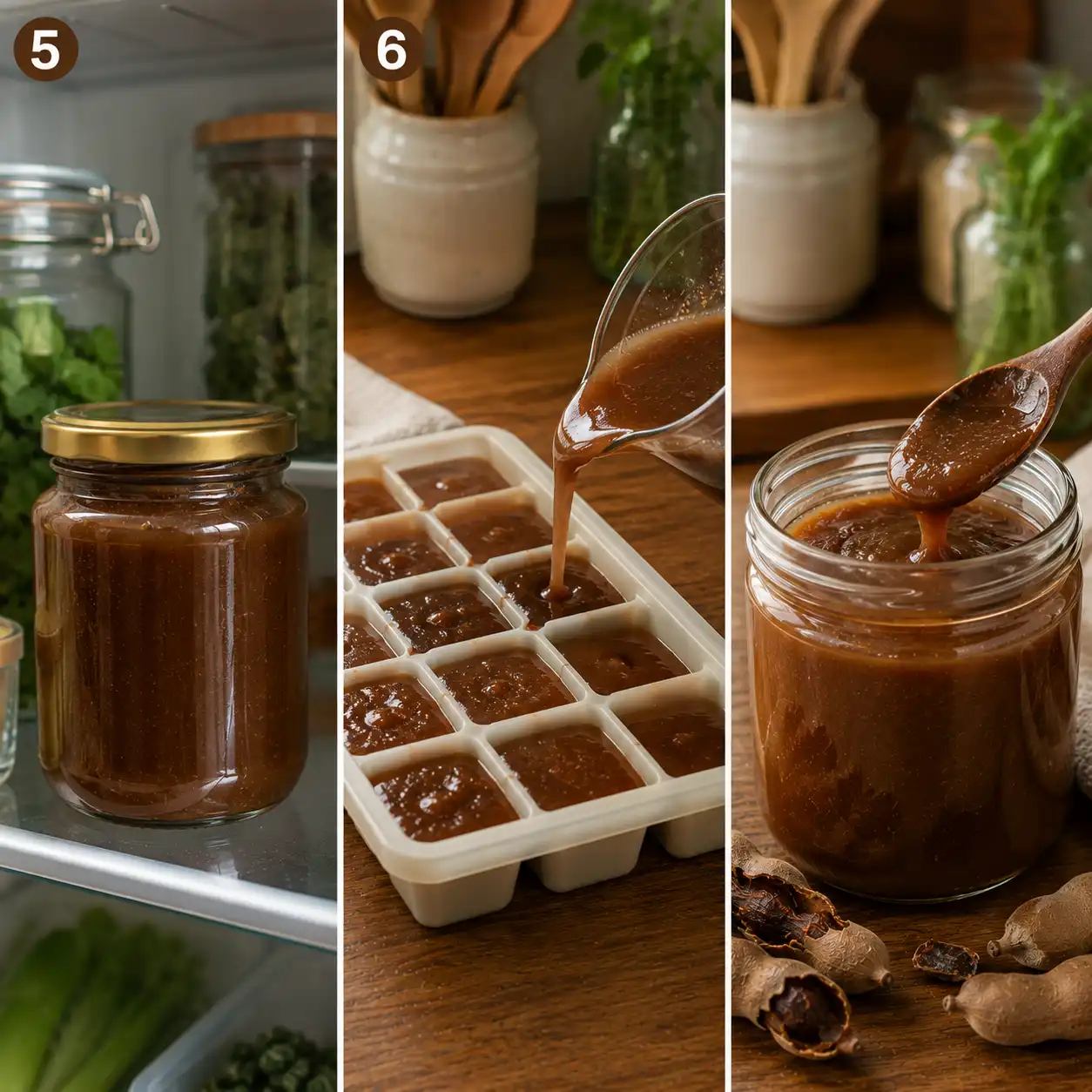
Transfer the smooth liquid into a glass jar with a tight-fitting lid. This fresh tamarind paste can be stored in the refrigerator for up to four weeks. If you have made a large batch, you can freeze the paste in ice cube trays for long-term use. Having pre-portioned cubes of this tangy concentrate makes it very convenient to drop into a simmering pot of soup or a hot pan for a quick glaze whenever inspiration strikes.
Creative Substitutes for Tamarind Paste
Citrus Alternatives
If you find yourself in the middle of a recipe and realize you are out of tamarind paste, do not panic. The most common substitute is a mixture of lime or lemon juice combined with a touch of brown sugar. The citrus provides the necessary acidity, while the sugar mimics the fruit’s natural sweetness. While this won’t capture the deep, fermented notes of the original ingredient, it will provide the bright, tart finish that many dishes require to stay balanced.
Pomegranate Molasses
Pomegranate molasses is another excellent alternative because it shares a similar thick consistency and a complex, sweet-sour flavor profile. It is often found in Middle Eastern grocery stores and works particularly well in marinades or glazes. When using this as a replacement for tamarind paste, you may want to reduce the amount slightly, as pomegranate molasses can be more intensely sweet. It is a fantastic option when you want to keep the dark color and syrupy texture of the dish intact.
Vinegar and Fruit Blends
For a more DIY approach, you can blend rice vinegar with chopped raisins or dates. The vinegar provides the sharp tang, and the dried fruit adds the earthy sweetness and thick body that defines tamarind paste. This combination is particularly effective in heavy sauces or meat-based dishes. If you are preparing an Asian-inspired meal like a teriyaki salmon bowl without mirin, you might experiment with these different acids to see how they change the character of the sauce.
Perfecting Refreshing Drinks with Tamarind
Tamarind Juice and Coolers
In many tropical regions, tamarind paste is used to create cooling beverages that help combat the heat. To make a basic tamarind juice, simply dissolve a few tablespoons of the paste in warm water, add a sweetener like honey or agave, and chill. Many people find the flavor profile similar to a very tart lemonade but with more depth. The natural electrolytes in the fruit make these drinks an excellent way to rehydrate after a long day in the sun.
Flavor Pairings for Beverages
Tamarind pairs exceptionally well with ginger, mint, and pineapple. Mixing a small amount of the paste into a fruit-based drink can create a sophisticated, non-alcoholic cocktail. For those who enjoy functional beverages, incorporating tangy flavors alongside something like pineapple ginger juice can result in a drink that is both delicious and beneficial for digestion. The acidity of the tamarind cuts through the sweetness of the fruit juices, creating a balanced and refreshing experience.
Tamarind in Sweet Treats
The culinary reach of this ingredient extends into the world of desserts as well. In some cultures, tamarind paste is boiled with sugar and chili powder to create spicy-sweet candies. It can also be used as a base for sorbets or added to fruit salads to provide a surprising zing. The contrast between the cold temperature of a frozen dessert and the sharp acidity of the fruit makes for a very memorable palate-cleansing experience at the end of a rich meal.
Buying and Storing Tamarind Paste Like a Pro
What to Look for on the Label
When shopping for tamarind paste, read the ingredient list carefully. The highest quality brands will list only tamarind and perhaps water or a small amount of salt as a preservative. Avoid products that contain artificial colors, high-fructose corn syrup, or thickeners. Pure tamarind should have a natural, deep brown color. If the paste looks unnaturally bright or light, it may have been processed heavily or diluted with inferior ingredients. For a deeper look at the nutritional properties of various tropical fruits, Healthline offers an excellent overview of their health benefits.
Jarred vs. Block Forms
Jars of “ready-to-use” tamarind paste are incredibly convenient for the modern cook. They are already strained and smooth, meaning you can measure them directly into your recipes. However, many professional chefs prefer the compressed blocks of pulp because they often have a fresher, more intense flavor. While the blocks require the extra step of soaking and straining, the resulting paste is often superior in both taste and aroma. If you cook with this ingredient frequently, it is worth trying both forms to see which one fits your workflow and taste preferences best.
Long-Term Preservation Tips
Because of its high acidity, tamarind paste has a naturally long shelf life. An unopened jar can sit in a cool, dark pantry for a year or more. Once opened, however, it should always be kept in the refrigerator. Make sure to use a clean spoon every time you dip into the jar to prevent contamination. If you notice any mold growth or a strange off-smell, discard the paste immediately. For most home cooks, a small jar will last several months, providing enough tang for many batches of Pad Thai or curry.
FAQs
Is tamarind paste the same as tamarind concentrate?
In many cases, the terms are used interchangeably. However, some products labeled as “concentrate” are much stronger and more processed than standard paste. Always check the consistency; if it looks like a thick syrup rather than a pulpy mash, it is likely a concentrate. You may need to use less of the concentrate to achieve the same level of tartness in your cooking.
Can I use tamarind paste in baking?
Yes, you can use it to add a unique sour note to cakes or muffins. It works particularly well in gingerbread or recipes that feature warm spices like cinnamon and cloves. The acidity can also react with baking soda to help baked goods rise, though you should experiment with small amounts first to ensure the flavor doesn’t overpower the other ingredients.
Does tamarind paste expire?
While it has a long shelf life due to its acid content, it does not last forever. Most store-bought jars will have a “best by” date. Once opened, it usually stays fresh for 3 to 6 months in the refrigerator. If it becomes excessively dry or develops a funky odor, it is time to replace it. Keeping the lid tightly sealed is the best way to maintain its moisture and flavor.
Conclusion
Tamarind paste is a versatile and essential ingredient for anyone looking to master the art of global flavors. Its unique ability to provide both sharp acidity and deep sweetness makes it a powerful tool for balancing savory dishes and creating refreshing treats. By learning how to select, store, and use this tangy concentrate, you can bring a professional level of complexity to your kitchen. Whether you are making a classic Indian curry or a simple fruit cooler, this ingredient is sure to become a staple in your culinary repertoire.