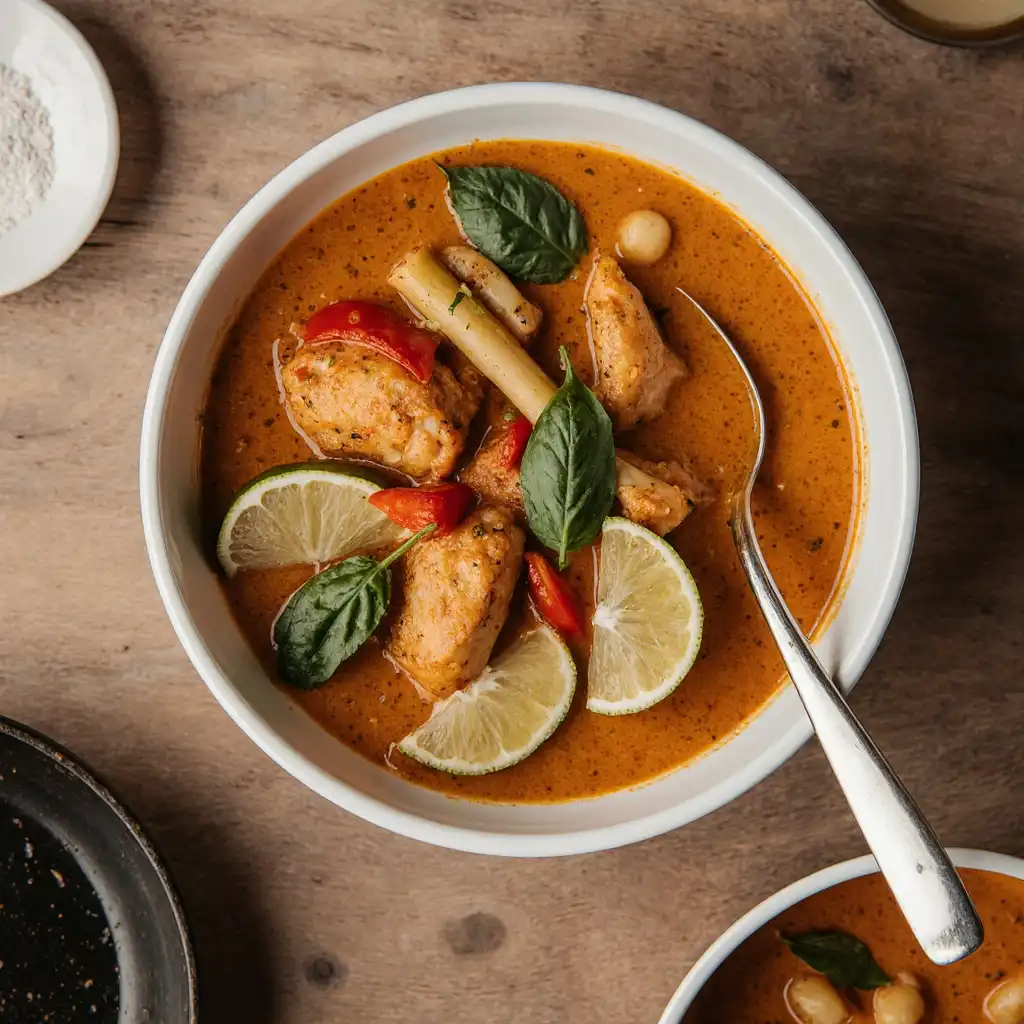
Few dishes capture the vibrant, aromatic essence of Southeast Asian cuisine like a classic Thai red curry recipe. This iconic meal balances the heat of red chilies with the creamy richness of coconut milk and the zesty punch of lemongrass and kaffir lime. Whether you are a seasoned home cook or a beginner, mastering this dish allows you to bring the taste of a professional Thai kitchen into your own home. Let’s look into the techniques and ingredients that make this curry a worldwide favorite.
Table of Contents
The Heart of the Dish: Understanding Thai Red Curry
The Foundation of Red Curry Paste
The soul of any authentic Thai red curry recipe lies in its paste. Traditionally, this is a mixture of dried red spur chilies, garlic, shallots, galangal, shrimp paste, lemongrass, and kaffir lime peel. Unlike green curry, which uses fresh green chilies for a sharper bite, red curry relies on dried chilies for a deeper, earthier heat. Grinding these ingredients with a mortar and pestle releases essential oils that pre-made pastes sometimes lack. Using a high-quality paste is the first step to a successful meal. If you are making your own, soaking the dried chilies first is vital to get that smooth, vibrant red texture that defines the sauce.
The Meaning of Curry in Thai Culture
In Thailand, curry is known as “kaeng,” a term that covers a wide variety of water-based or coconut-based stews. The word “curry” was actually adopted by Westerners to describe these spiced dishes. According to historical records found on Britannica, the concept of curry has evolved over centuries through trade and cultural exchange across Asia. Thai red curry, specifically, is cherished for its versatility. It can be prepared as a thin, soup-like dish or a thick, rich gravy depending on the region and the specific preferences of the cook. Understanding this history helps you appreciate the depth of flavor you are building in your pan.
Print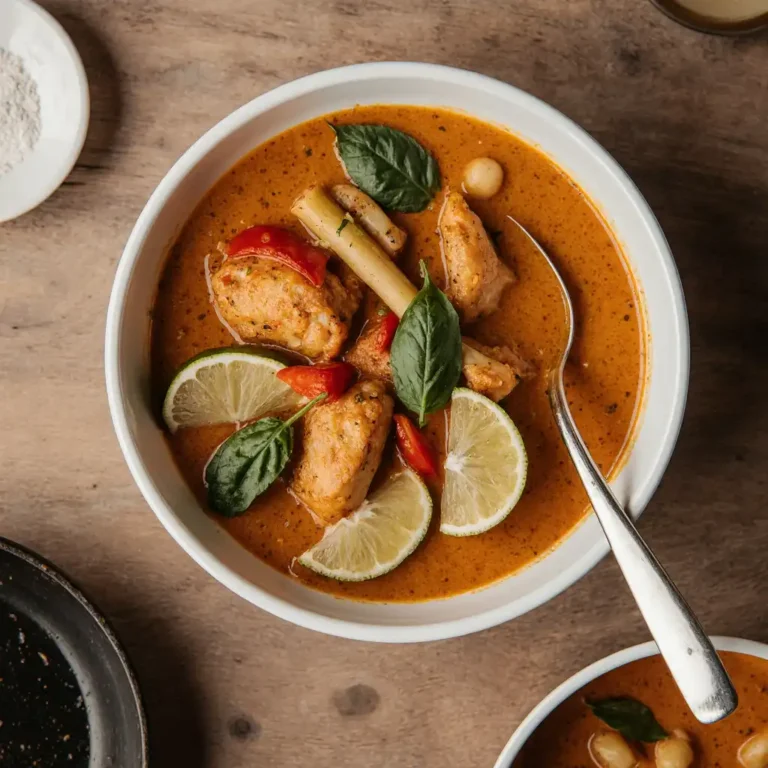
Authentic Thai Red Curry
A vibrant and aromatic Thai red curry that balances the heat of dried red chilies with creamy coconut milk, lemongrass, and kaffir lime.
- Total Time: 40 minutes
- Yield: 4 servings 1x
Ingredients
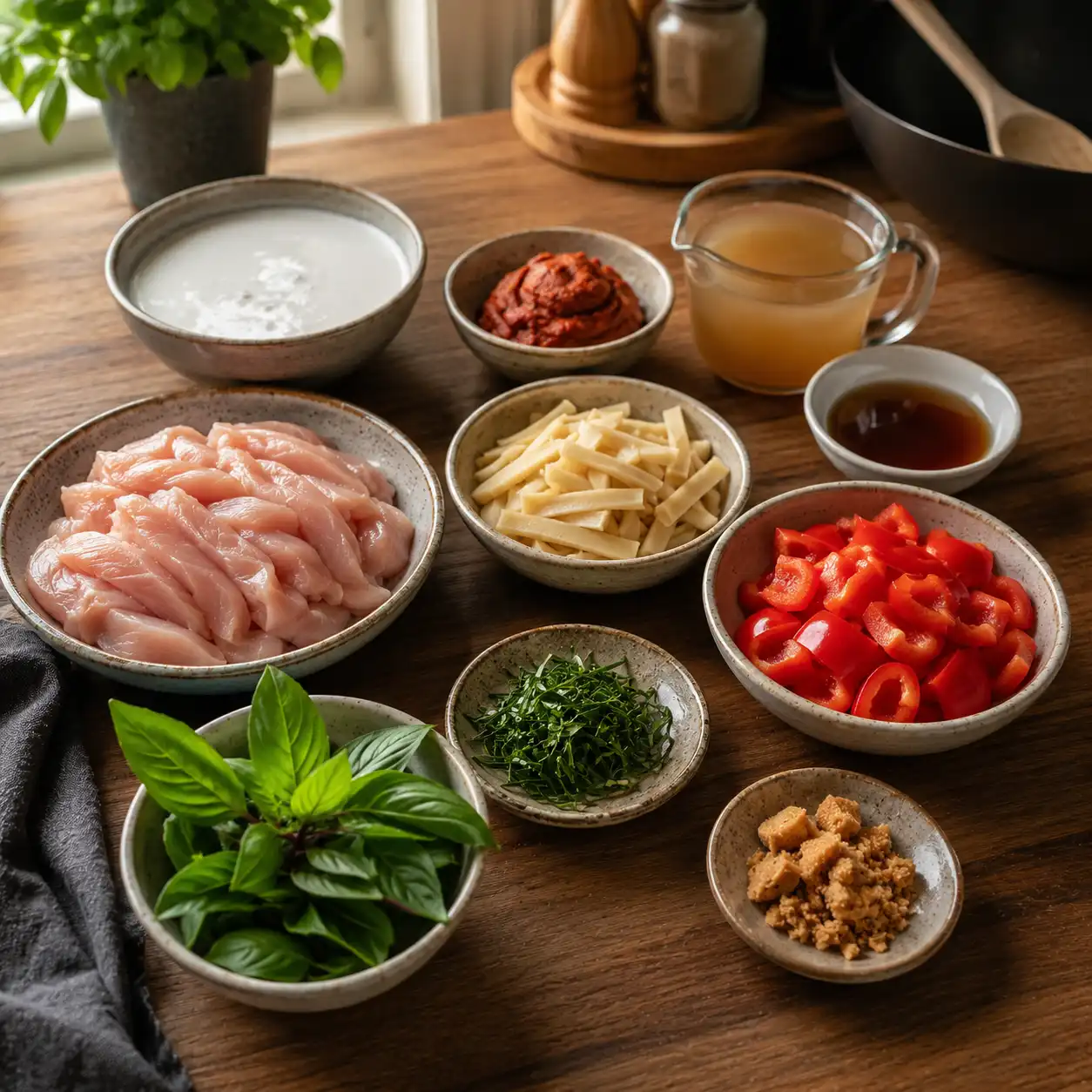
- 3 tablespoons Thai red curry paste
- 2 cups full-fat coconut milk
- 1 lb chicken breast or thigh, thinly sliced
- 1 cup bamboo shoots, sliced
- 1 red bell pepper, sliced
- 2 tablespoons fish sauce
- 1 tablespoon palm sugar
- 5 kaffir lime leaves, torn
- 1 stalk lemongrass, bruised and cut into sections
- 1/2 cup fresh Thai basil leaves
- 2 tablespoons vegetable oil
- 1/2 cup water or chicken stock
Instructions
- Step 1: Fry Paste – Heat vegetable oil in a wok or large pan over medium heat and sauté the curry paste for 2 minutes until fragrant.
- Step 2: Reduce Coconut Cream – Add 1/2 cup of the coconut milk and stir constantly until the red oil separates and rises to the surface.
- Step 3: Cook Protein – Add the sliced chicken to the pan and stir-fry for 3-4 minutes until the meat is sealed and nearly cooked through.
- Step 4: Simmer Base – Pour in the remaining coconut milk and water, then add the lemongrass and kaffir lime leaves.
- Step 5: Add Vegetables – Stir in the bamboo shoots and red bell peppers, simmering for 5 minutes until the vegetables are tender.
- Step 6: Season Sauce – Add the fish sauce and palm sugar, stirring well to ensure the sugar dissolves and the flavors are balanced.
- Step 7: Final Aromatics – Fold in the Thai basil leaves and remove from heat immediately to preserve their bright color and scent.
- Step 8: Serve – Ladle the curry into bowls and serve alongside steamed jasmine rice.
Notes
For the best flavor, use a mortar and pestle to grind your own paste and always use full-fat coconut milk for a rich, professional texture.
- Prep Time: 20 minutes
- Cook Time: 20 minutes
- Category: Main Course
- Method: Simmering
- Cuisine: Thai
- Diet: Gluten-Free
Nutrition
- Serving Size: 1.5 cups
- Calories: 420 kcal
- Sugar: 7 g
- Sodium: 1100 mg
- Fat: 32 g
- Saturated Fat: 22 g
- Unsaturated Fat: 10 g
- Trans Fat: 0.01 g
- Carbohydrates: 14 g
- Fiber: 4 g
- Protein: 26 g
- Cholesterol: 65 mg
Keywords: Thai Red Curry, Authentic Thai, Coconut Milk Curry, Spicy Thai Food, Curry Paste
Essential Ingredients for Your Thai Red Curry Recipe
Choosing Your Protein Wisely
A Thai red curry recipe works beautifully with almost any protein. Sliced chicken breast or thighs are the most common choices because they absorb the flavors of the sauce quickly. Beef is another popular option, though it often requires a longer simmering time to become tender. Shrimp and scallops add a delicate sweetness that contrasts well with the spicy base. For those following a plant-based lifestyle, tofu or tempeh are excellent substitutes. If you prefer a vegetarian version, you might also like a chickpea curry coconut milk dish, which offers a similar creamy profile with a hearty legume base.
The Importance of Coconut Milk
Coconut milk provides the creamy backdrop that mellows the intense heat of the red chilies. When selecting coconut milk for your Thai red curry recipe, always look for full-fat versions in a can. Avoid “light” coconut milk or the carton versions used for drinking, as they lack the fat content needed to “crack” the cream. In traditional Thai cooking, the thick cream from the top of the can is fried until the oil separates, creating a flavorful base for the paste. This technique creates a glossy finish and a much richer mouthfeel than simply boiling the milk with the paste.
Vegetables and Aromatics
Vegetables add texture, color, and nutritional value to the dish. Bamboo shoots, bell peppers, and Thai eggplant are classic additions. Adding vegetables like bok choy provides a crisp texture and a slight bitterness that cuts through the richness of the coconut milk. Other great options include snap peas, baby corn, and zucchini. The final touch always involves fresh aromatics. Fresh Thai basil leaves, added at the very last second, contribute a licorice-like aroma that is unmistakable. Without these fresh herbs, the curry can feel heavy and flat.
Step-by-Step Thai Red Curry Recipe
Follow these instructions to create a balanced and fragrant meal. This method focuses on the traditional technique of frying the paste to bring out the most flavor possible.
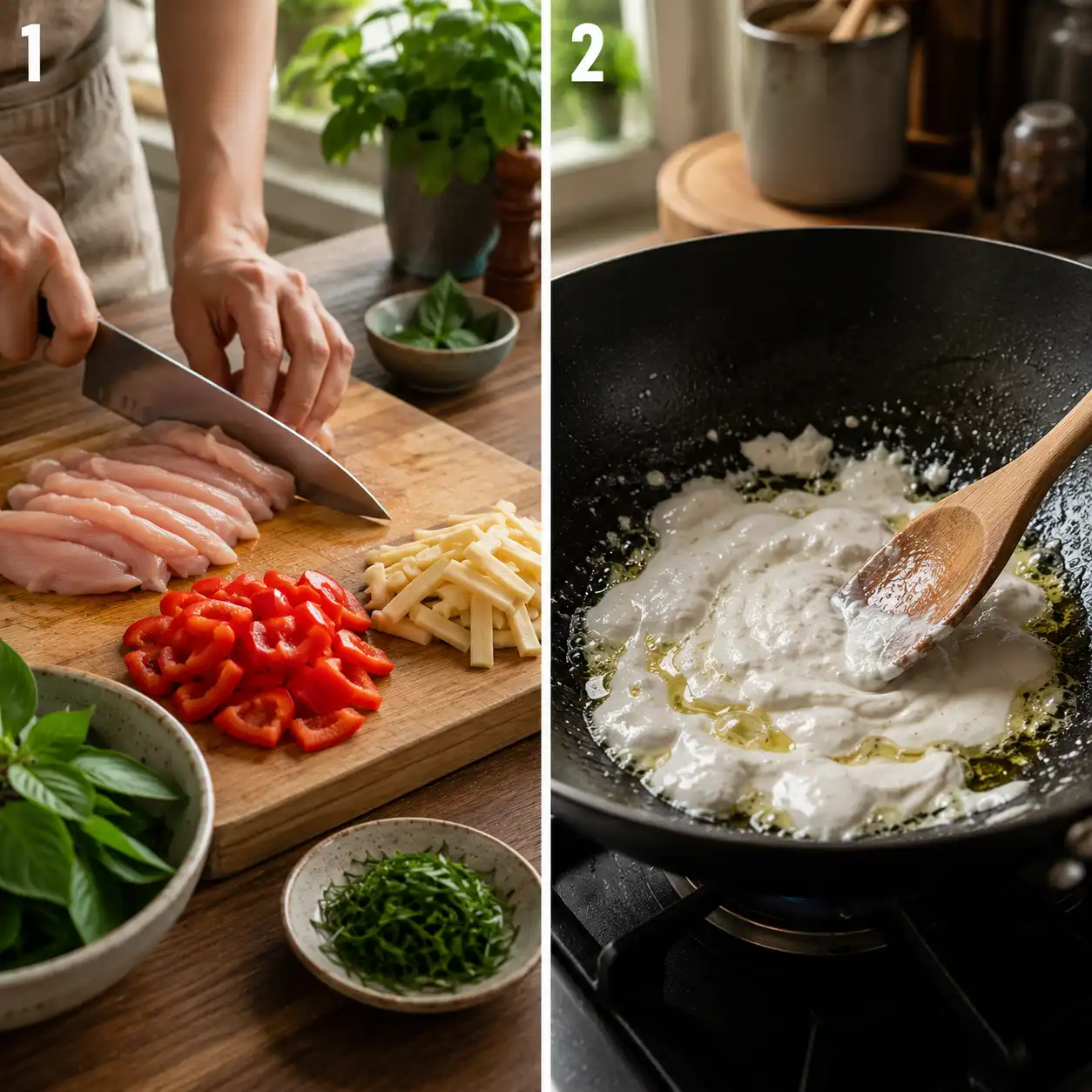
- Step 1: Prep the Aromatics and Protein – Slice 1 pound of chicken breast into thin strips. Chop one red bell pepper and one cup of bamboo shoots. Finely slice two kaffir lime leaves and set aside a handful of fresh Thai basil leaves. Having everything ready before you start cooking is the best way to make sure the process goes smoothly.
- Step 2: Fry the Coconut Cream – Open a can of full-fat coconut milk without shaking it. Spoon out the thick cream from the top and place it in a large wok or skillet over medium heat. Stir constantly for about 3 to 5 minutes until the cream thickens and you see small droplets of oil separating from the white solids. This is the secret to a professional-grade curry.
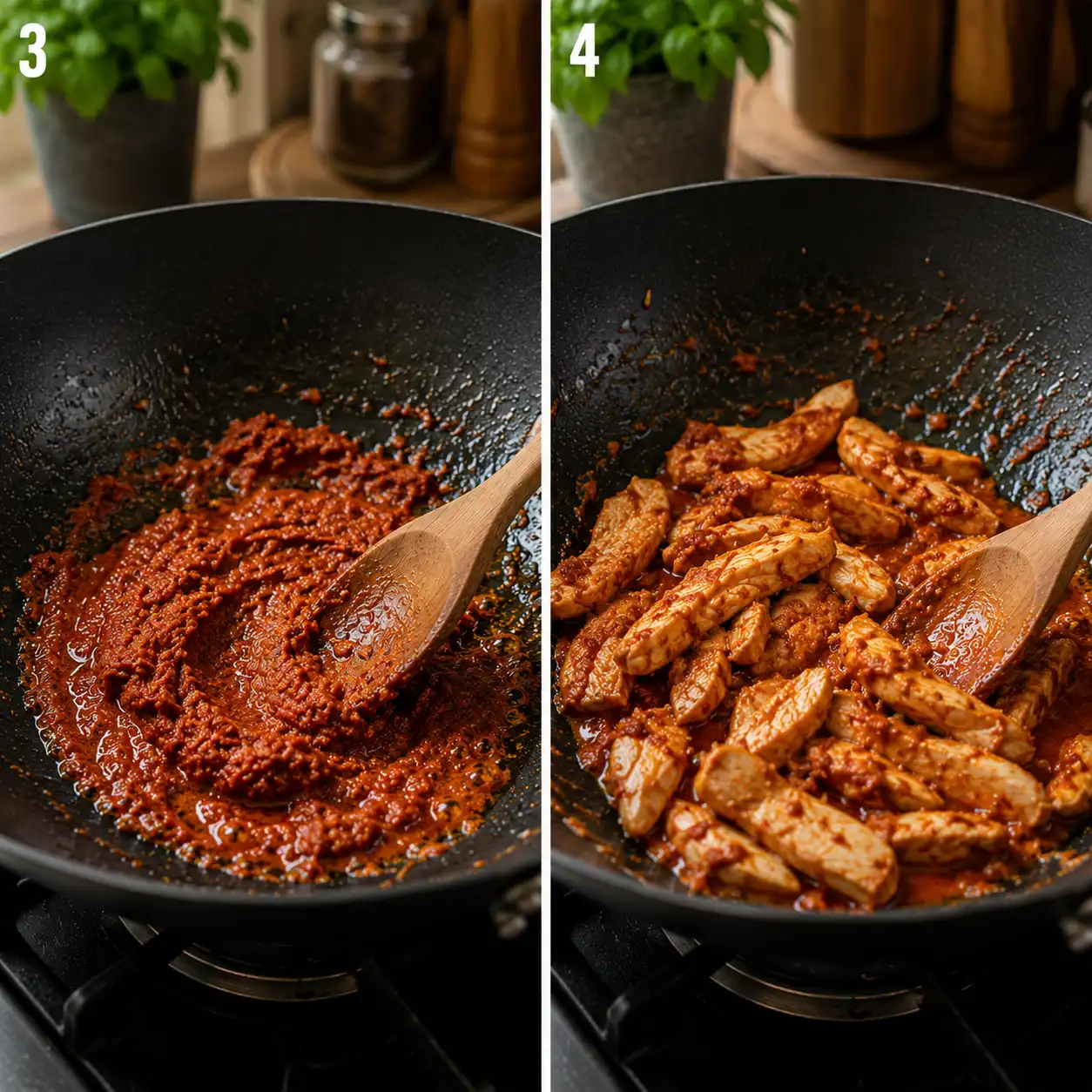
- Step 3: Sauté the Red Curry Paste – Add 3 tablespoons of red curry paste to the separated coconut cream. Use your spatula to break up the paste and incorporate it into the oil. Fry for about 2 minutes until the mixture becomes highly aromatic and turns a deep, dark red. Be careful not to burn the paste; if it looks too dry, add a tablespoon of the thinner coconut milk from the bottom of the can.
- Step 4: Cook the Protein – Add the sliced chicken or your chosen protein to the wok. Toss the meat in the paste mixture until every piece is well-coated. Cook for about 3 minutes until the outside of the protein is no longer raw. The meat will finish cooking later in the simmering liquid, so don’t worry about it being fully done at this stage.
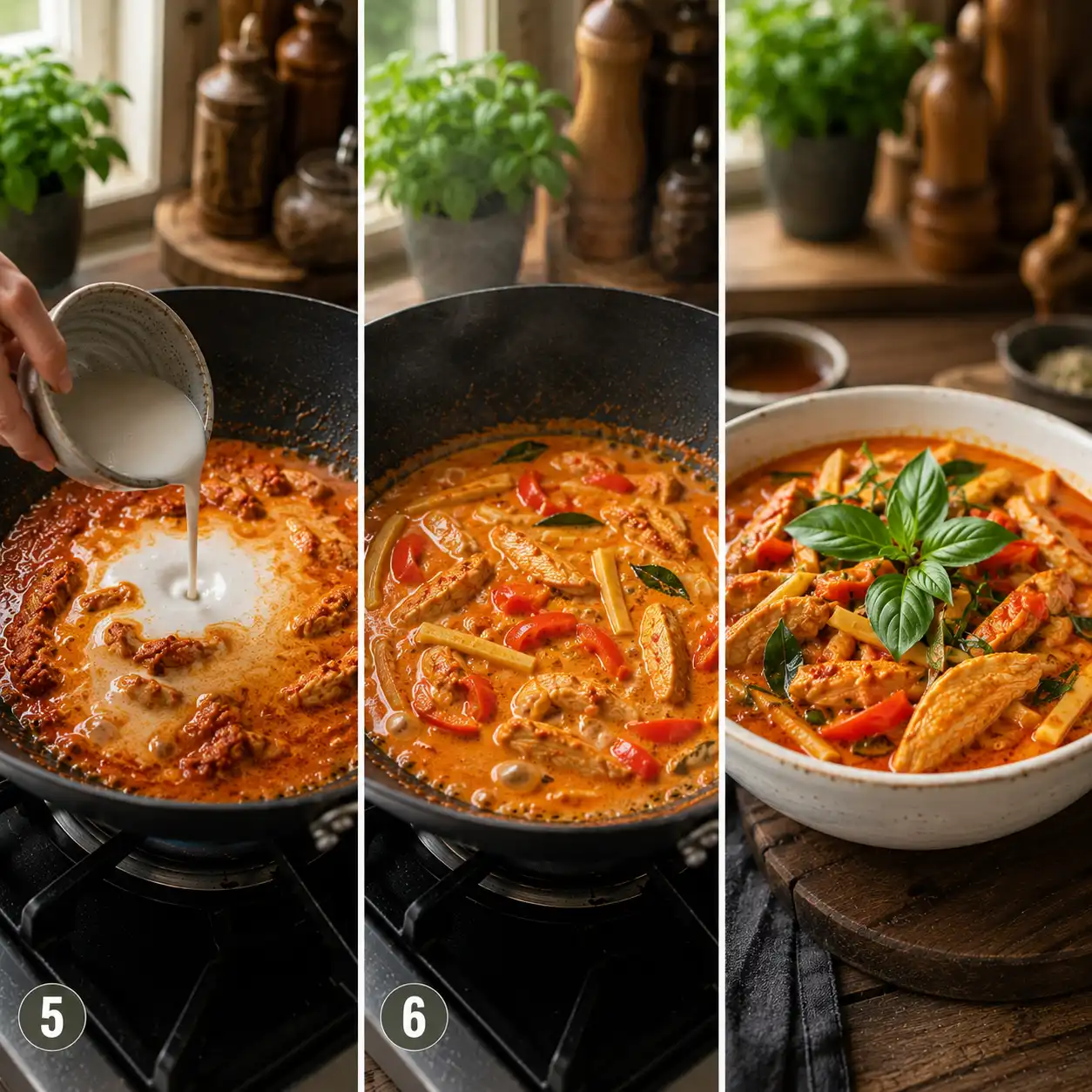
- Step 5: Add the Remaining Liquids – Pour in the rest of the coconut milk and half a cup of chicken or vegetable broth. Bring the mixture to a gentle simmer. Do not let it reach a rolling boil, as this can cause the coconut milk to curdle or lose its creamy consistency.
- Step 6: Simmer with Vegetables – Add the bamboo shoots and bell peppers (or your preferred vegetables). Simmer for about 5 to 7 minutes or until the vegetables are tender but still have a bit of a bite. If you are using delicate greens, wait until the final minute of cooking to add them so they don’t turn mushy.
- Step 7: Season for Balance – This is where you fine-tune the flavor. Add 1 tablespoon of fish sauce for saltiness and 1 tablespoon of palm sugar for sweetness. Stir well and taste. The sauce should be a perfect harmony of salty, sweet, and spicy. If it is too spicy, add a little more sugar; if it is too sweet, add a dash more fish sauce.
- Step 8: Final Aromatics and Serving – Turn off the heat. Stir in the torn Thai basil leaves and the sliced kaffir lime leaves. The residual heat will wilt the basil and release its fragrance. Serve immediately while the colors are bright and the aromas are at their peak.
Tips for Achieving the Perfect Flavor Balance
Adjusting Heat and Sweetness
Every brand of curry paste has a different heat level. Some are incredibly fiery, while others are more mild and citrus-forward. If you find your Thai red curry recipe is too hot for your palate, you can temper the spice by adding more coconut milk or a squeeze of lime juice. The acidity from the lime helps neutralize the capsaicin from the chilies. Similarly, palm sugar is the traditional sweetener of choice because it has a mellow, caramel-like flavor. If you don’t have palm sugar, brown sugar is a suitable substitute, though you should use slightly less as it can be sweeter.
Common Mistakes to Avoid
One of the most frequent errors is overcooking the vegetables. Thai curry is best when the vegetables provide a fresh, crunchy contrast to the creamy sauce. Another mistake is using too much liquid, which results in a watery sauce. If your curry looks too thin, let it simmer uncovered for a few extra minutes to reduce and thicken. Also, make sure you don’t skip the fish sauce. Even if the smell is strong, it provides the essential “umami” or savory depth that salt alone cannot provide. For a vegan alternative, use a high-quality vegan “fish” sauce made from fermented pineapple or soy.
| Curry Type | Primary Chili | Flavor Profile | Common Pairings |
|---|---|---|---|
| Red Curry | Dried Red Chilies | Spicy, Savory, Bold | Chicken, Beef, Duck |
| Green Curry | Fresh Green Chilies | Sweet, Zesty, Very Spicy | Fish Balls, Chicken, Eggplant |
| Yellow Curry | Turmeric & Dried Chilies | Mild, Sweet, Warm Spices | Potato, Chicken, Onions |
Serving Suggestions and Grain Pairings
Classic Rice and Low-Carb Alternatives
The traditional way to enjoy a Thai red curry recipe is over a bed of steamed jasmine rice. The fragrant, slightly sticky grains are perfect for soaking up every drop of the spiced sauce. However, if you are looking for a healthier or lighter option, there are many alternatives. For those watching carbs, learning how to make cauliflower rice is a great skill that pairs wonderfully with the bold flavors of the curry. The neutral taste of the cauliflower allows the complex spices of the red curry paste to take center stage while significantly lowering the calorie count of the meal.
Complementary Side Dishes
To make the meal feel like a full feast, consider serving your curry with a fresh side dish. A simple cucumber salad with a rice vinegar dressing provides a cooling effect that balances the heat of the chilies. You can also serve it with Thai-style omelets or crispy fried shallots. If you want a more substantial side, a light noodle salad or steamed greens with garlic can round out the menu. The goal is to provide different textures and temperature contrasts to keep the palate engaged throughout the meal.
Health Benefits of Thai Red Curry Ingredients
The Power of Spices and Herbs
Beyond being delicious, the ingredients in a Thai red curry recipe are packed with health benefits. Lemongrass is known for its digestive properties and its ability to help soothe the stomach. Galangal, a relative of ginger, has been used in traditional medicine for its antioxidant and anti-inflammatory effects. Turmeric, which is often found in the curry paste or can be added for extra color, contains curcumin. This compound is highly regarded for its wellness properties. In fact, Healthline identifies curcumin as having potent anti-inflammatory effects that can benefit the entire body.
Metabolism and Immune Support
The heat from the red chilies comes from capsaicin, which can help boost metabolism and promote a feeling of fullness. Garlic and shallots provide immune-boosting properties, making this a great meal to enjoy during the colder months. The ginger often included in these flavor profiles is also a key ingredient in other wellness tonics. For instance, the ginger in this curry is also found in a turmeric ginger shot recipe, highlighting how these culinary ingredients double as functional foods. By incorporating these spices into your regular diet, you are supporting your health while enjoying a world-class meal.
FAQs
How long does leftovers stay fresh?
Thai red curry keeps very well in the refrigerator for up to 3 days. In fact, many people find that the flavors improve the next day as the spices have more time to meld together. When reheating, do so gently on the stovetop and add a splash of water or coconut milk if the sauce has thickened too much.
Is Thai red curry gluten-free?
Most ingredients in a Thai red curry recipe are naturally gluten-free. However, you must check the label of your curry paste and fish sauce, as some commercial brands may use wheat-based thickeners or additives. If you make your own paste from scratch, it is easily kept gluten-free.
What is the difference between red and green curry?
The primary difference is the type of chili used. Red curry uses dried red chilies, giving it a rich, savory, and moderately spicy profile. Green curry uses fresh green chilies, which results in a much sharper, hotter, and more herbal flavor. Red curry is generally more versatile with different meats, while green curry is often paired with poultry or seafood.
Can I make Thai red curry without fish sauce?
Yes, you can substitute fish sauce with light soy sauce or a vegan fish sauce. While the flavor will be slightly different, you will still achieve a salty, savory profile. Add a pinch of extra salt or a splash of lime juice to help mimic the fermented tang of traditional fish sauce.
Conclusion
Mastering an authentic Thai red curry recipe is a rewarding journey into the world of Southeast Asian flavors. By focusing on the balance of salty, sweet, spicy, and sour, you can create a meal that is both comforting and exciting. From the initial frying of the coconut cream to the final addition of fresh basil, each step plays a vital role in building a complex sauce. With fresh ingredients and a bit of practice, you can serve a restaurant-quality dish that nourishes the body and delights the senses.


I came away with a different way of thinking about the issue.
Neat blog! Is your theme custom made or did you download it
from somewhere? A theme like yours with a few simple tweeks would really make my blog jump out.
Please let me know where you got your theme. Bless you
Very nice post. I just stumbled upon your weblog and wanted to say
that I have really enjoyed surfing around your blog posts.
In any case I will be subscribing to your rss feed and I hope you write again very soon!
I enjoy what you guys tend to be up too. This sort of clever work and coverage!
Keep up the very good works guys I’ve added you guys to
our blogroll.
Muito bom artigo! Obrigado por compartilhar. Continue publicando.
Vou acompanhar mais!
Ótimo post! Muito obrigado por escrever. Siga com
o bom trabalho. Conteúdo top!
Thank you for sharing your info. I really appreciate your efforts and I am waiting for your next post
thanks once again.
Ótimo artigo! Muito obrigado por compartilhar.
Continue publicando. Vou acompanhar mais!
Simply want to say your article is as surprising. The clearness to your put up is just excellent and i could suppose you are
knowledgeable on this subject. Well with your permission let me to
clutch your feed to stay up to date with coming near near post.
Thank you one million and please keep up the gratifying work.
Your mode of describing all in this paragraph is really fastidious, all be capable of without difficulty be aware of
it, Thanks a lot.
I do accept as true with all of the concepts you’ve
introduced to your post. They’re very convincing and can definitely work.
Still, the posts are very short for starters. Could you please prolong them a little from
next time? Thank you for the post.
Great article.
Great blog here! Also your web site loads up fast!
What web host are you using? Can I get your affiliate link to your host?
I wish my site loaded up as quickly as yours lol
Adorei o post! Obrigado por escrever. Continue assim. Conteúdo top!
I’m not positive where you’re getting your information, however great topic.
I needs to spend some time studying more or understanding more.
Thank you for wonderful info I was looking for
this information for my mission.