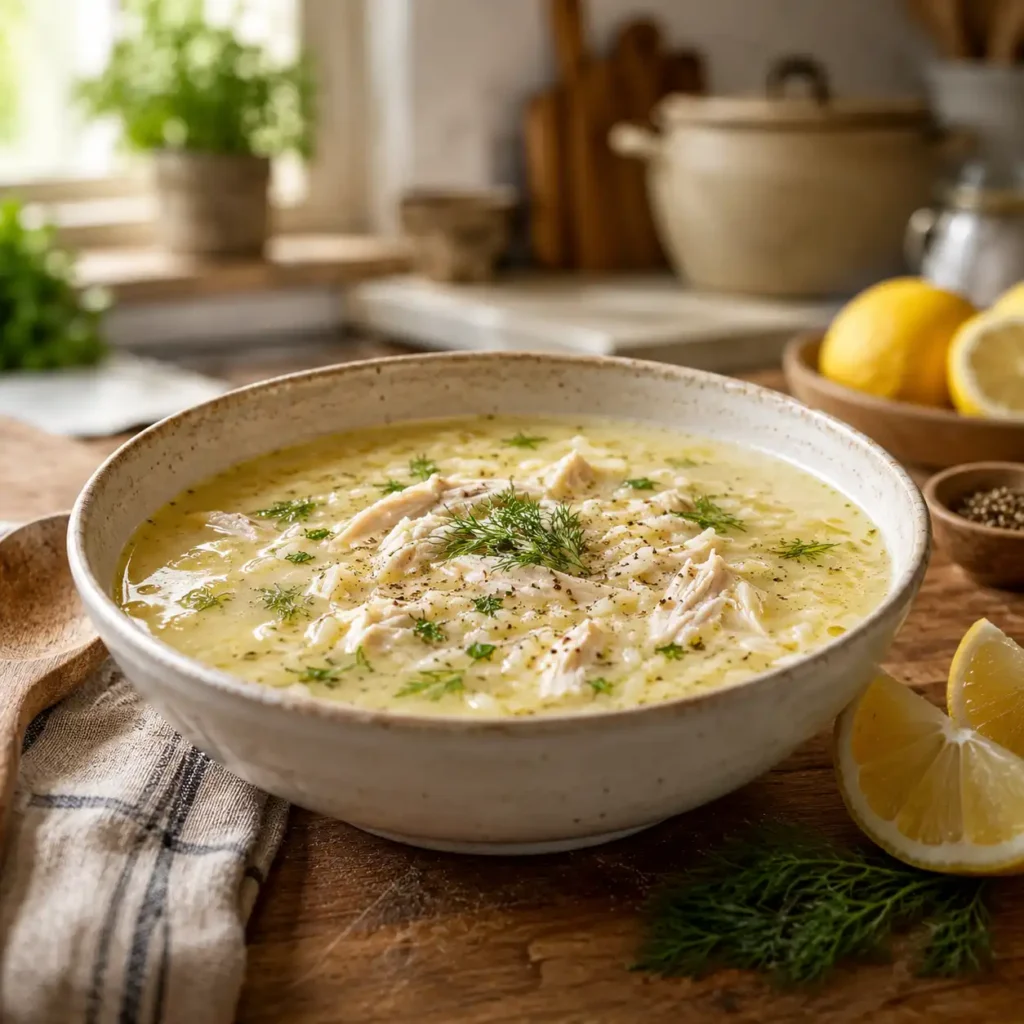
Avgolemono soup is much more than a simple chicken and rice dish; it is a Mediterranean masterpiece defined by its silky texture and vibrant citrus finish. This traditional Greek soup relies on a clever emulsion of eggs and lemon juice to create a creamy mouthfeel without using a single drop of heavy dairy. Whether you are seeking a soothing remedy for a cold or a sophisticated starter for a dinner party, understanding the nuances of this dish allows you to bring a piece of Greek heritage into your kitchen.
Table of Contents
The Culinary Heritage of Avgolemono Soup
Origins and Cultural Significance
The history of avgolemono soup is deeply rooted in the Sephardic Jewish tradition, where a similar sauce known as agristada was used long before it became a staple of Greek cuisine. When the Sephardic people settled in the Ottoman Empire and Greece, they brought these techniques with them. Over centuries, the Greek people adapted the recipe, making it their own by incorporating local poultry and rice. Today, it is a synonymous part of Hellenic identity, often served at Easter celebrations, Sunday family gatherings, and as a primary source of comfort during illness.
Beyond the Bowl: Avgolemono as a Sauce
While most people recognize the name as a soup, the term actually refers to the egg-lemon mixture itself. This preparation serves as a versatile sauce used across many Greek dishes. It frequently coats dolmades (stuffed grape leaves), fish, and even vegetables like artichokes or asparagus. The sauce acts as a thickening agent, providing a tart and rich coating that transforms basic ingredients into something luxurious. Understanding the behavior of this sauce is the first step toward mastering the soup version, as the chemistry of the eggs and lemon remains the same regardless of the application.
For a deeper look into how traditional flavors define regional identity, you can read more about the culinary history of avgolemono on Britannica, which details its evolution from ancient techniques to modern Mediterranean tables. This historical context helps cooks appreciate the simplicity and precision required to execute the dish properly without modern stabilizers or thickeners.
Print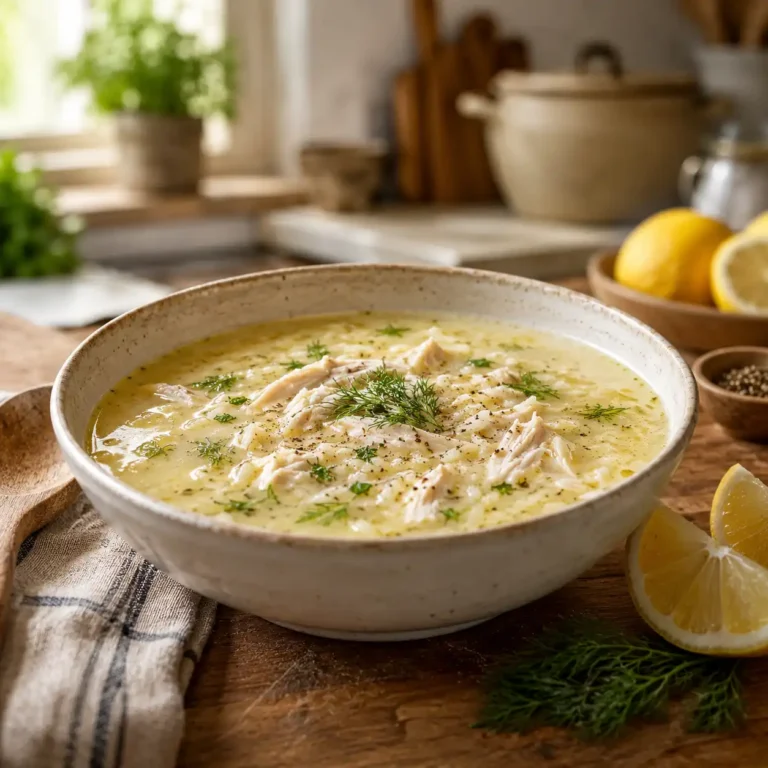
Mastering Avgolemono Soup: The Ultimate Guide to Greece’s Iconic Comfort Food
A traditional, silky Greek chicken and rice soup thickened with a classic egg-lemon emulsion for a creamy, dairy-free finish.
- Total Time: 1 hour 20 minutes
- Yield: 6 servings 1x
Ingredients
- 1 whole chicken (approx. 3 lbs), organic preferred
- 8 cups water
- 1 cup Arborio or medium-grain rice
- 3 large eggs, at room temperature
- 2 large lemons, juiced (approx. 1/2 cup)
- 1 tablespoon sea salt
- 1/2 teaspoon white pepper
- 2 tablespoons fresh dill, finely chopped
- 1 lemon, thinly sliced for garnish
Instructions
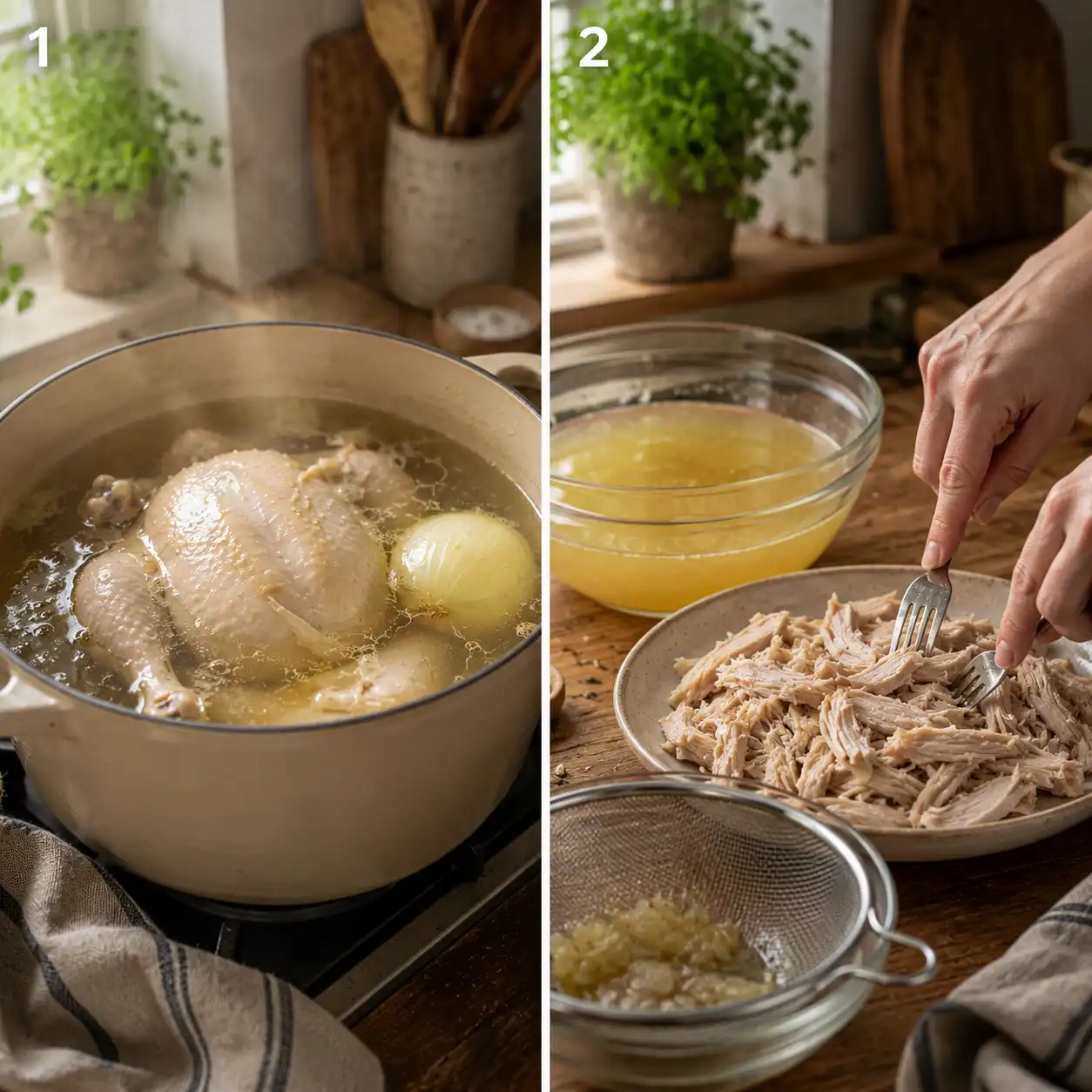
- Step 1: Prepare Stock – Place the chicken and water in a large pot, bring to a boil, then simmer for 45 minutes.
- Step 2: Shred Chicken – Remove the chicken from the pot, discard skin and bones, then shred the meat into bite-sized pieces.
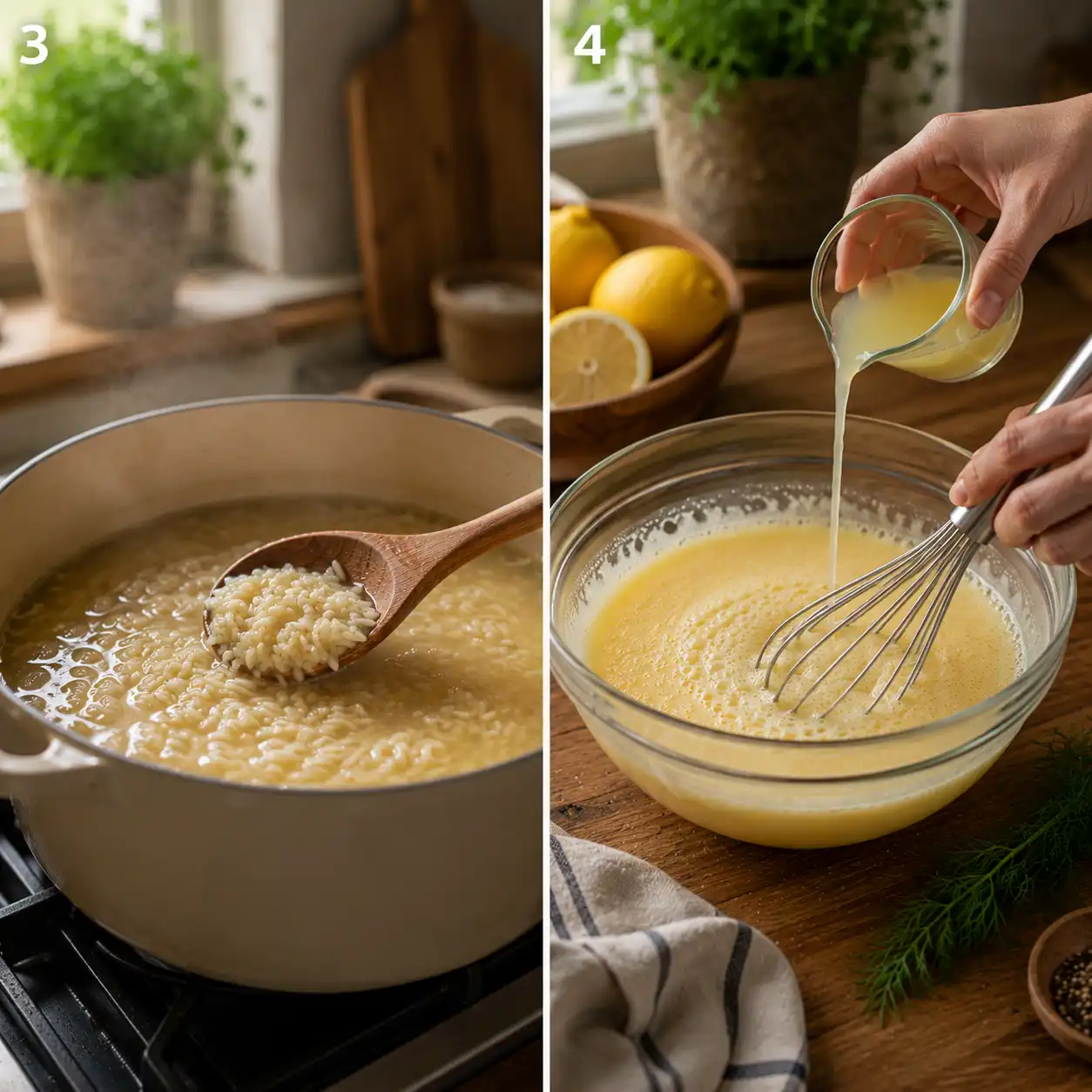
- Step 3: Cook Rice – Strain the broth, return it to the pot, add the rice, and simmer for 15-20 minutes until tender.
- Step 4: Whisk Eggs – In a medium bowl, whisk the eggs vigorously for 2 minutes until light and frothy.
- Step 5: Incorporate Lemon – Slowly pour the lemon juice into the whisked eggs while continuing to whisk constantly.
- Step 6: Temper Mixture – Gradually ladle 2 cups of hot broth into the egg-lemon mixture, whisking rapidly to prevent curdling.
- Step 7: Final Emulsion – Pour the tempered egg mixture back into the main pot with the cooked rice and shredded chicken.
- Step 8: Gently Warm – Heat the soup on low for 3 minutes without allowing it to boil, season with salt and pepper, and serve.
Notes
Ensure the eggs are at room temperature to avoid curdling. Never let the soup reach a rolling boil once the egg mixture is added.
- Prep Time: 20 minutes
- Cook Time: 1 hour
- Category: Soup
- Method: Emulsification
- Cuisine: Greek
- Diet: Dairy-Free
Nutrition
- Serving Size: 1.5 cups
- Calories: 320 kcal
- Sugar: 2g
- Sodium: 780mg
- Fat: 12g
- Saturated Fat: 3.5g
- Unsaturated Fat: 7g
- Trans Fat: 0.1g
- Carbohydrates: 26g
- Fiber: 1g
- Protein: 28g
- Cholesterol: 165mg
Keywords: Avgolemono, Greek Soup, Lemon Chicken Soup, Mediterranean, Comfort Food, Dairy-Free Creamy Soup
Essential Ingredients for Authenticity
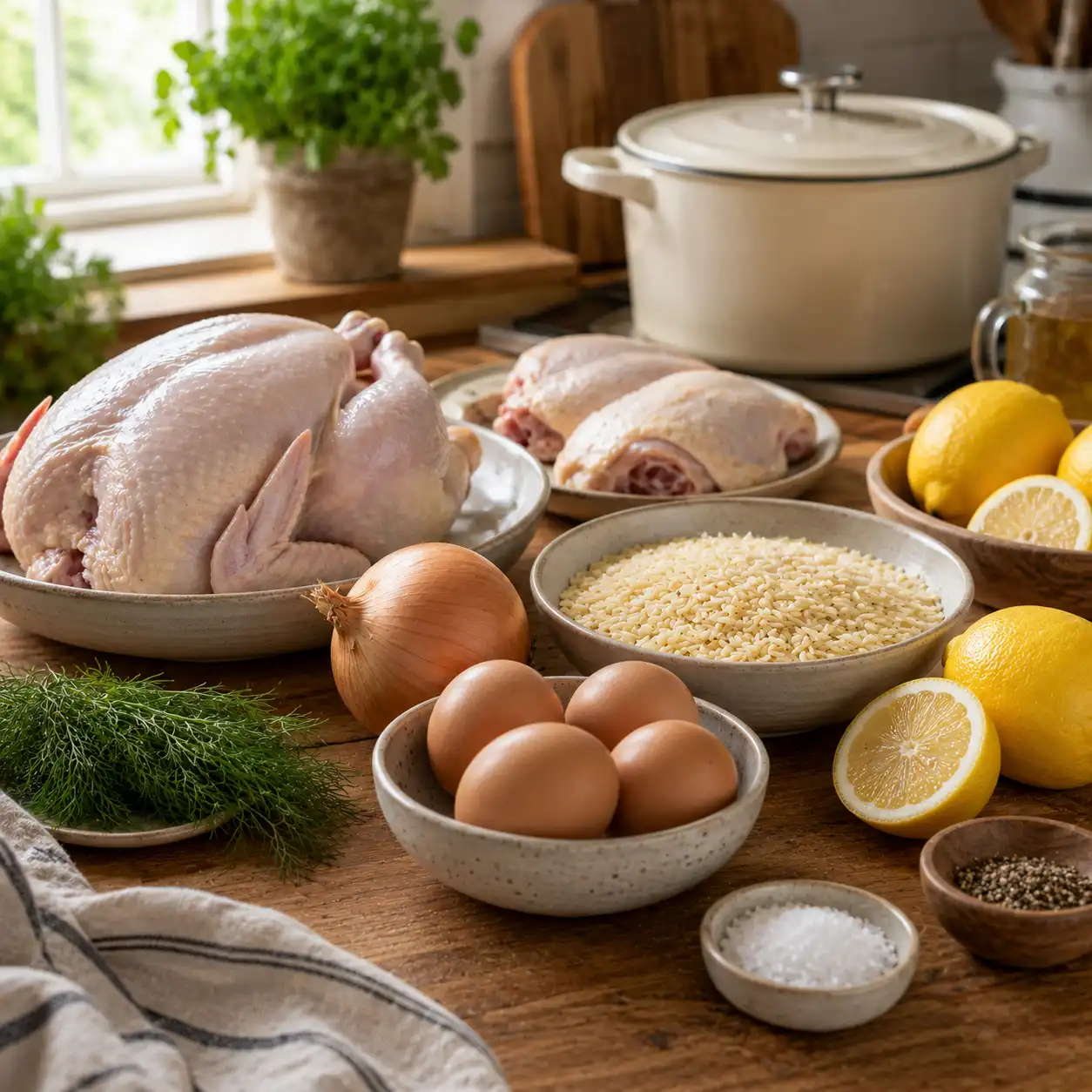
The Foundation: High-Quality Broth
Because avgolemono soup has so few ingredients, the quality of your broth is paramount. While store-bought stock can work in a pinch, a homemade chicken broth made from a whole bird, onions, carrots, and celery provides a depth of flavor that cannot be matched. The gelatin released from the chicken bones gives the soup a natural body that supports the egg emulsion. When simmering your chicken, keep the heat low to keep the liquid clear and savory, providing the perfect canvas for the bright lemon notes to follow.
The Citrus Spark: Fresh Lemons
Never use bottled lemon juice for this recipe. The volatile oils and fresh acidity of a real lemon are what give the soup its characteristic zing. Freshly squeezed juice provides a clean, sharp contrast to the richness of the eggs. Depending on your preference for tartness, you may use two to three large lemons. The citric acid not only provides flavor but also plays a functional role in the chemistry of the soup, helping to stabilize the egg proteins during the heating process so they stay smooth rather than turning into curds.
The Grain: Rice vs. Orzo
There is a long-standing debate among Greek families regarding the best starch for avgolemono soup. Some prefer the traditional use of short-grain rice, like Arborio or Carolina, which releases starch and adds to the creamy consistency. Others prefer orzo, a small rice-shaped pasta that offers a slightly different chew. Regardless of your choice, the goal is for the grain to be tender but not mushy. It should act as a vehicle for the sauce, absorbing the lemon and chicken flavors while providing enough substance to make the soup a satisfying meal.
| Feature | Short-Grain Rice | Orzo Pasta | Brown Rice (Modern) |
|---|---|---|---|
| Texture | Soft and starchy | Slightly firm and chewy | Nutty and fibrous |
| Cooking Time | 18-20 minutes | 8-10 minutes | 40-45 minutes |
| Traditionalism | Highest | Moderate | Low |
| Best For | Maximum creaminess | Children and quick meals | Added fiber and health |
The Science of Tempering: Achieving a Silky Texture
Avoiding the Scrambled Egg Pitfall
The biggest challenge in making avgolemono soup is the risk of curdling the eggs. If you add cold eggs directly to boiling broth, the proteins will seize and scramble, ruining the smooth texture. Tempering is the process of slowly bringing the temperature of the eggs up by whisking in small amounts of hot broth before adding the mixture back into the main pot. This gradual heat adjustment allows the eggs to thicken the liquid into a custard-like consistency without solidifying. Patience is the key to success here; rushing this step is the most common mistake made by beginners.
Whisking Techniques for Aeration
Some chefs prefer to separate the eggs, whisking the whites into a stiff foam before folding in the yolks and lemon juice. This method results in an exceptionally light and frothy soup. Others whisk whole eggs until they are pale and bubbly. Both methods aim to incorporate air, which creates a lighter mouthfeel. When you combine the egg-lemon mixture with the hot broth, do so in a steady, thin stream while whisking constantly. This creates a stable emulsion that holds its shape even as it sits in the serving bowl.
While avgolemono soup is the ultimate Greek comfort food, it shares a cultural space with other restorative broths. Many people compare it to Italian penicillin soup, which also uses simple, high-quality ingredients to provide comfort during the flu season. Both dishes prioritize a rich, savory base that soothes the throat and provides vital nutrients, proving that the concept of a healing chicken soup is a universal culinary truth across European borders.
Health and Nutritional Benefits
A Natural Immune Booster
Avgolemono soup is packed with Vitamin C from the generous amount of lemon juice used. This makes it an ideal choice during the winter months when the body needs extra support against seasonal bugs. The chicken broth provides hydration and electrolytes, while the protein from the chicken and eggs helps with muscle repair and satiety. It is a light yet nutrient-dense meal that provides energy without the heavy, lethargic feeling that often comes from cream-based soups or greasy fast food.
Digestion and Wellness
The acidity of the lemon can aid in digestion, making this soup a great option for those with a sensitive stomach. Because the recipe lacks heavy fats or pig products, it remains easy on the gallbladder and liver. For those looking to support their health through citrus-based preparations, the lemon in this soup acts similarly to other functional drinks. If you want a quick morning tonic alongside your meal planning, you might try a pineapple ginger immune booster to keep your defenses strong. The combination of Vitamin C and anti-inflammatory properties makes these recipes essential for wellness.
According to nutritional studies on lemon health benefits, the antioxidants found in fresh citrus help fight oxidative stress in the body. Integrating these benefits into a warm, savory meal like avgolemono soup makes healthy eating a flavorful and enjoyable experience rather than a chore. The presence of cooked rice also provides a source of gentle carbohydrates for sustained energy throughout the day.
How to Make Authentic Avgolemono Soup
Step-by-Step Instructions
- Step 1: Simmer the Chicken – Place a whole chicken or 2 pounds of bone-in breasts in a large pot with 8 cups of water, an onion, and a pinch of salt. Bring to a boil, then reduce to a simmer for 45 minutes until the meat is tender.
- Step 2: Shred the Meat – Remove the chicken from the pot and let it cool. Strain the broth to remove the vegetables and any solids. Shred the chicken into bite-sized pieces, discarding the skin and bones.
- Step 3: Cook the Grains – Return the clear broth to the pot and bring it to a gentle boil. Add 3/4 cup of rice or orzo and cook until tender (about 15-20 minutes for rice). Once cooked, turn the heat to the lowest setting; the soup should be hot but not boiling.
- Step 4: Prepare the Egg-Lemon Mixture – In a medium bowl, whisk 3 large eggs until they are frothy and pale. Slowly whisk in the juice of 2 large lemons until the mixture is well combined and bubbly.
- Step 5: Temper the Mixture – Using a ladle, slowly add one cup of the hot broth into the egg-lemon mixture while whisking vigorously. Repeat with a second cup of broth. This ensures the eggs are warmed through without cooking.
- Step 6: Combine and Finish – Pour the tempered egg mixture back into the main pot with the remaining broth and rice. Stir constantly over low heat for 2-3 minutes until the soup thickens slightly. Add the shredded chicken back in, season with black pepper and fresh dill, and serve immediately.

Serving Suggestions and Pairings
The Traditional Greek Table
A complete Greek feast often features this soup as a starter, followed by grilled meats and a fresh tzatziki recipe served with pita. The cool, garlicky yogurt dip complements the warm, acidic notes of the soup, creating a balanced flavor profile that characterizes Hellenic cuisine. Adding a side of Kalamata olives and some feta cheese can turn a simple bowl of soup into a feast that hits every part of the palate, from salty and savory to sour and bright.
Bread Pairings for Texture
While traditionalists prefer simple crusty bread, many modern cooks find that pairing the soup with savory baked goods adds a delightful texture. Serving your bowl alongside homemade garlic knots provides a buttery, chewy contrast to the silky liquid. The herbs in the bread dough resonate well with the fresh dill often used as a garnish for the soup. Dipping a piece of warm bread into the thickened lemon broth allows you to enjoy every last drop of the emulsion.
Conclusion
Avgolemono soup stands as a testament to the power of simple, high-quality ingredients. By mastering the art of tempering and using the freshest lemons and chicken, you can create a meal that is both humble and incredibly refined. It is a dish that provides warmth during the winter, health during times of illness, and a bright burst of Mediterranean flavor all year round. Once you experience the velvety texture of a perfectly made bowl, it is sure to become a permanent resident in your culinary repertoire.
FAQs
Why did my avgolemono soup curdle?
Curdling happens when the eggs are heated too quickly or the soup is allowed to boil after the egg mixture has been added. To prevent this, always temper the eggs by slowly adding hot broth to the egg-lemon mixture before introducing it to the main pot. Keep the final cooking temperature on low heat and never let it reach a rolling boil once the eggs are in.
Can I reheat avgolemono soup?
Yes, but you must do so carefully. Reheating it at a high temperature or in the microwave for too long can cause the eggs to scramble. The best way to reheat is on the stovetop over very low heat, stirring constantly until it is just warm enough to eat. If the soup has thickened too much in the fridge, add a splash of chicken broth to loosen it up.
Can I make a vegetarian version?
Absolutely. You can substitute the chicken broth with a rich vegetable stock made from leeks, carrots, and celery. Instead of shredded chicken, you can use chickpeas or simply enjoy the soup with just the rice or orzo. The egg-lemon emulsion works perfectly with vegetable bases, providing the same creamy texture and bright flavor.
Is it better to use whole eggs or just yolks?
Most traditional recipes use whole eggs to create a balance of richness and lightness. Using only yolks will result in a much thicker, yellow, and custard-like soup, while using only whites would be very light but lack flavor. For the best results, stick with whole eggs and whisk them until they are very frothy to achieve that signature airy texture.