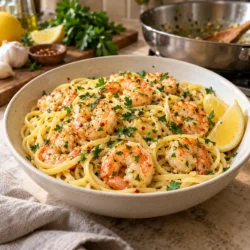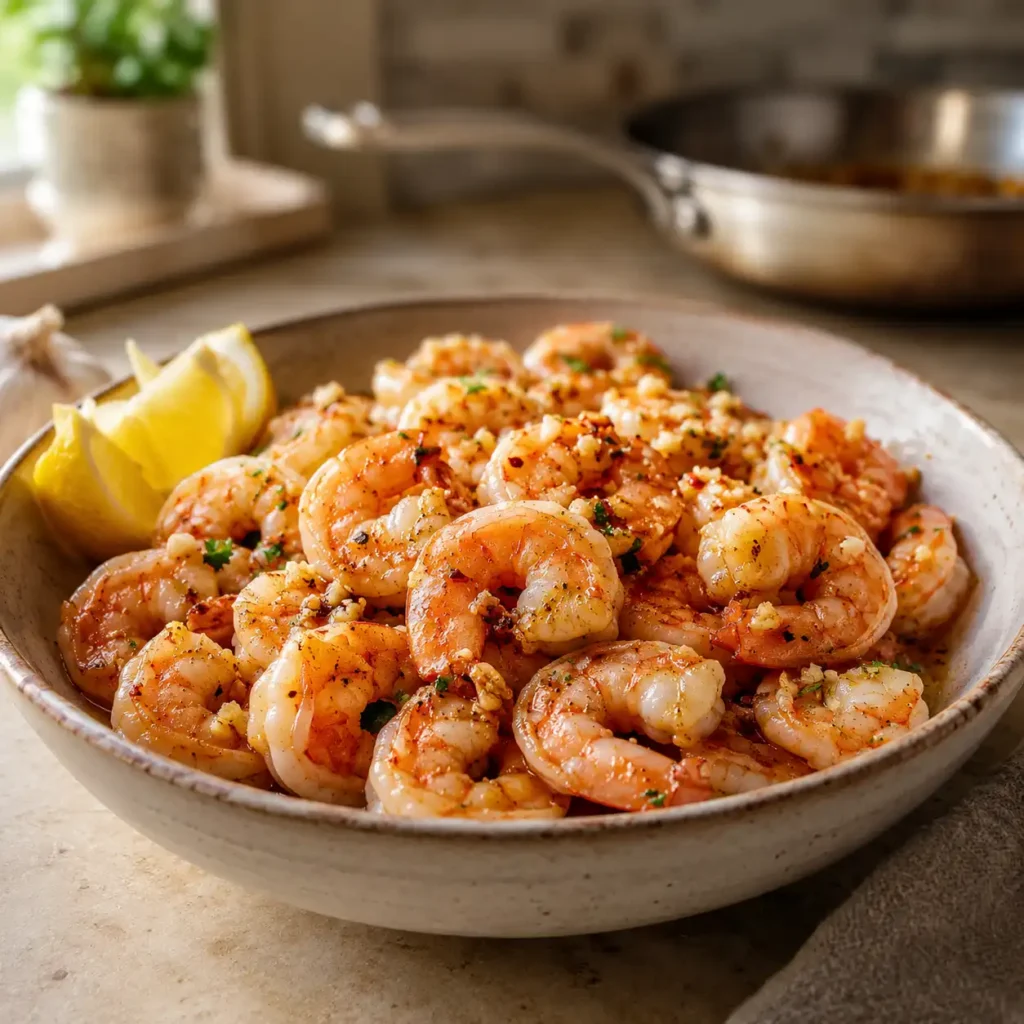
Frozen cooked shrimp is one of the most convenient protein sources you can keep in your freezer. It is versatile, budget-friendly, and ready in minutes, making it a favorite for busy professionals and families. Learning how to cook frozen cooked shrimp correctly is the difference between a tender, flavorful meal and a rubbery, tasteless experience. Since the shrimp is already cooked, your primary goal is to heat it through while adding seasoning and moisture without overcooking the delicate meat.
Table of Contents
Understanding the Basics of Pre-Cooked Shrimp
Choosing the Right Size and Variety
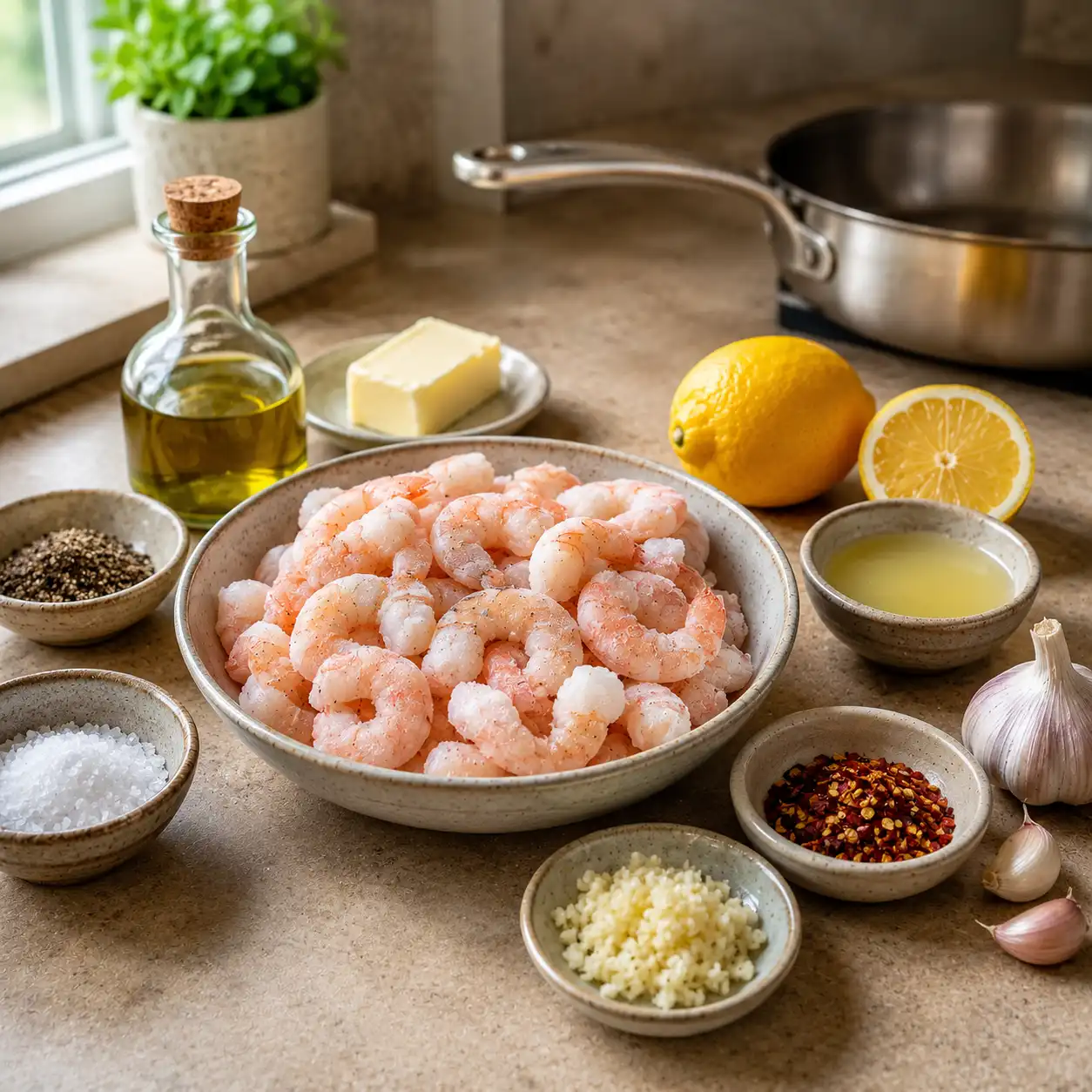
When you go to the store, you will see various sizes labeled with numbers like 21/25 or 31/35. These numbers indicate how many shrimp are in a pound. For most recipes involving how to cook frozen cooked shrimp, medium to large sizes work best. Smaller shrimp are perfect for salads or fillings, while larger ones stand up better to pan-searing or air frying. Make sure the package says “cooked” and “peeled” to save yourself prep time. Check the label for any added sodium or preservatives that might affect the flavor of your dish.
The Importance of Thawing Properly
While you can heat shrimp directly from the freezer, thawing them first results in a much better texture. If you try to learn how to cook frozen cooked shrimp without thawing, the outside may become tough while the inside remains icy. Thawing allows you to pat the shrimp dry, which is necessary if you want any kind of sear or browning. Moisture is the enemy of a good sear, so taking the time to thaw is a step you should not skip if quality is your priority.
Print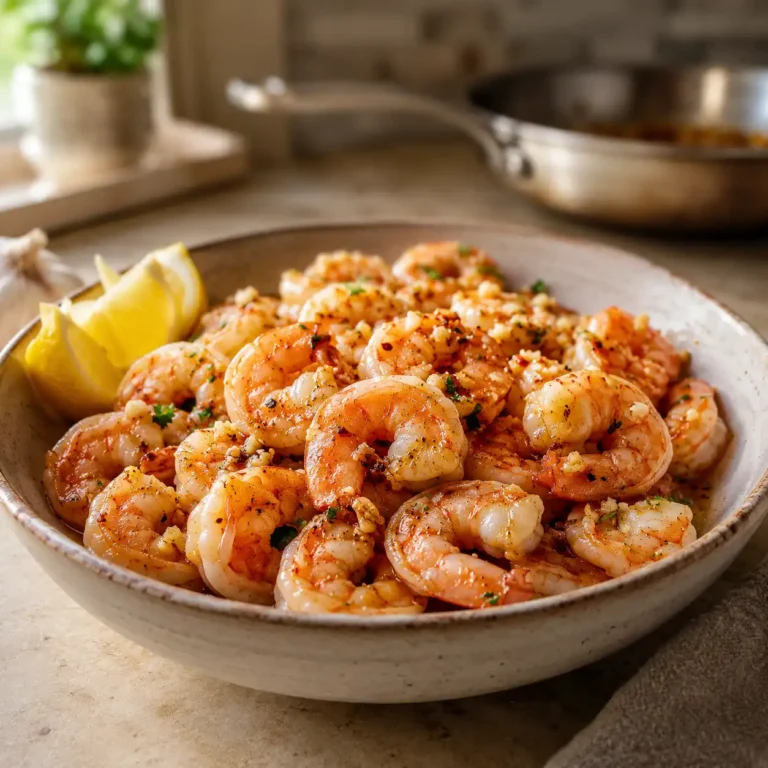
How to Cook Frozen Cooked Shrimp
A quick and easy guide to properly thawing and heating frozen pre-cooked shrimp to ensure a tender, juicy result every time without the rubbery texture.
- Total Time: 25 minutes
- Yield: 4 servings 1x
Ingredients
- 1 lb Frozen cooked shrimp (peeled and deveined)
- 1 tbsp Olive oil or unsalted butter
- 2 cloves Garlic, minced
- 1/2 tsp Sea salt
- 1/4 tsp Black pepper
- 1 tsp Lemon juice
- 1 tbsp Fresh parsley, chopped
- 1/4 tsp Red pepper flakes (optional)
Instructions
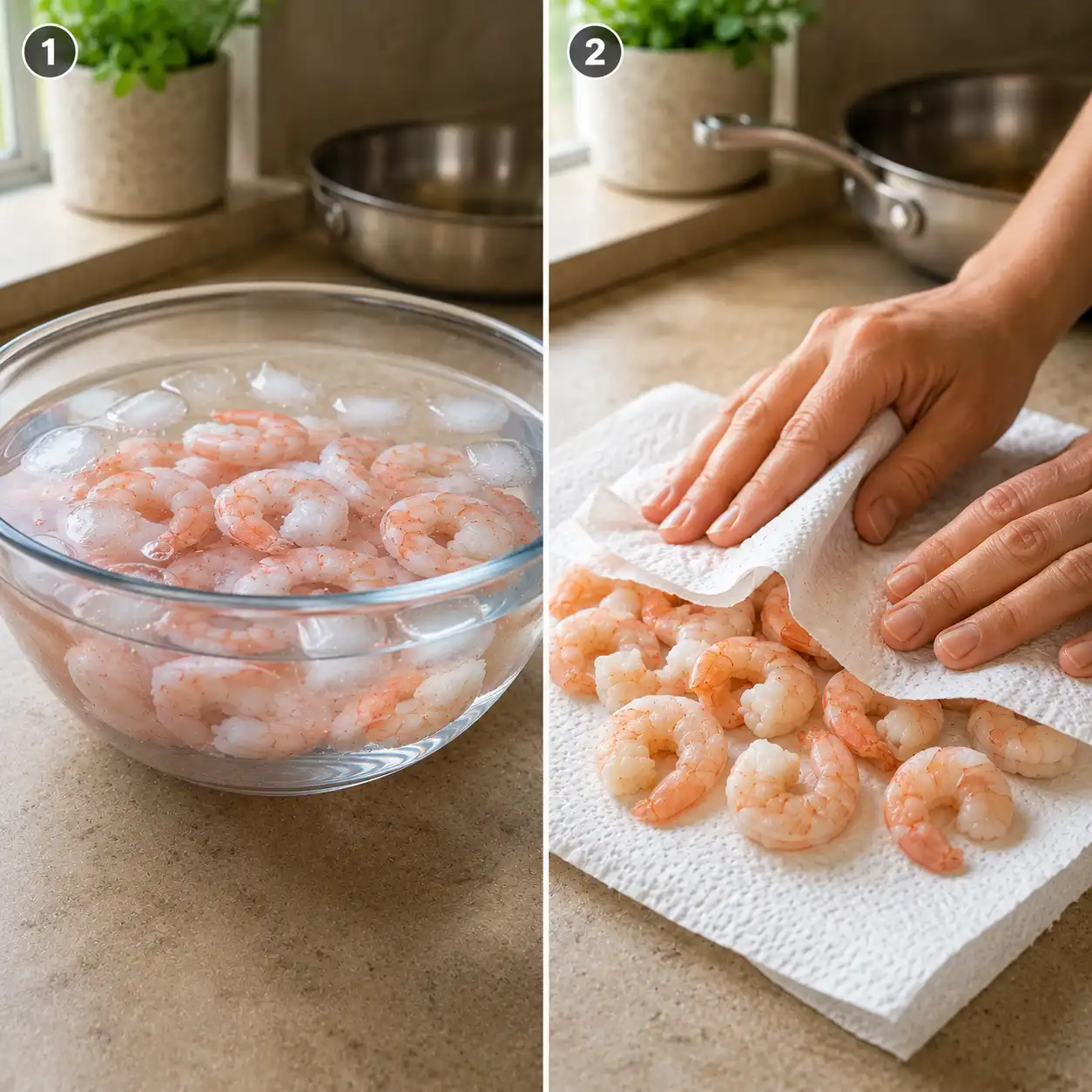
- Step 1: Thaw Shrimp – Place the frozen shrimp in a large bowl of cold water for 15 to 20 minutes until fully defrosted.
- Step 2: Drain and Dry – Drain the shrimp in a colander and pat them thoroughly dry with paper towels to remove excess moisture.
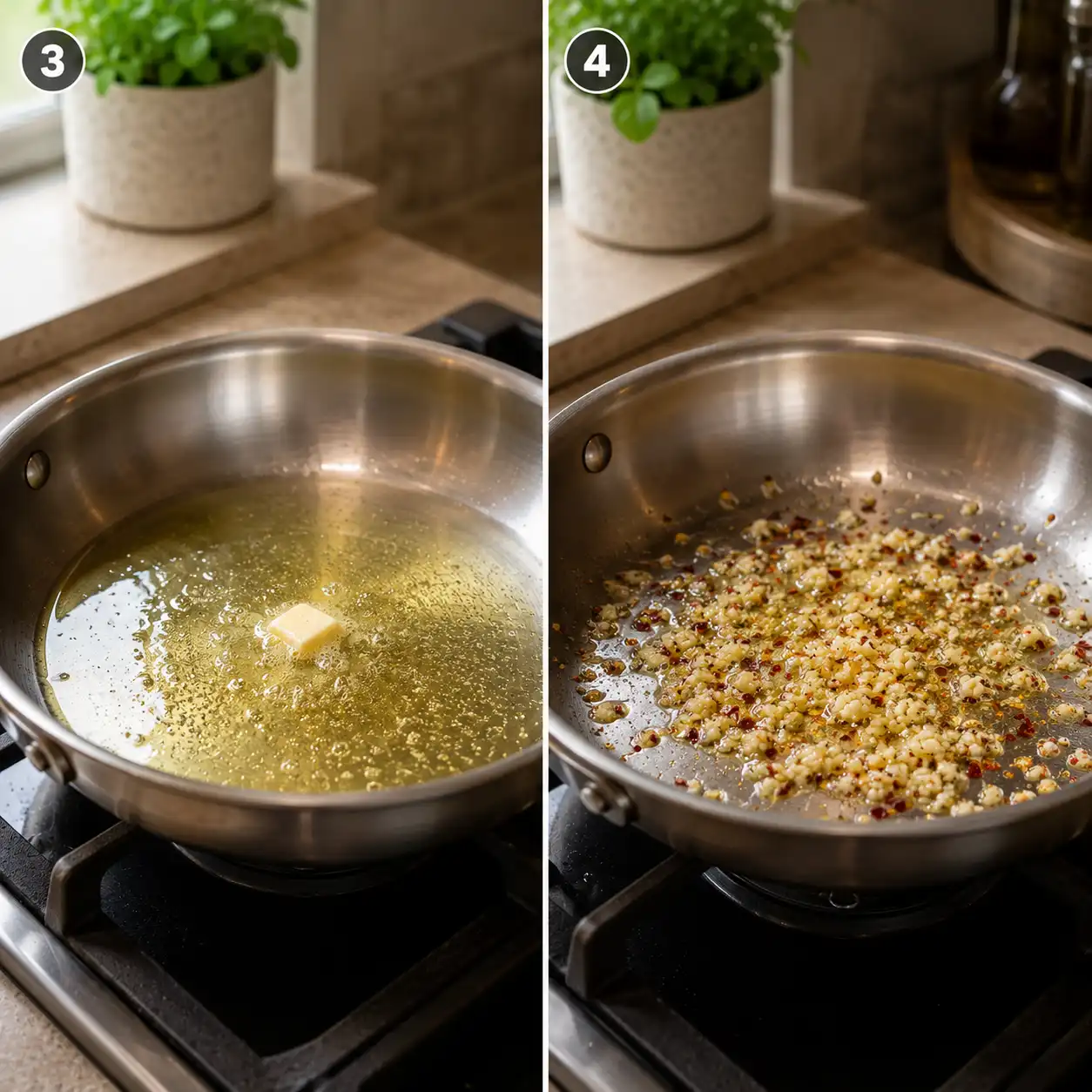
- Step 3: Prepare Skillet – Heat olive oil or butter in a large skillet over medium-high heat until shimmering.
- Step 4: Sauté Garlic – Add the minced garlic and red pepper flakes to the pan, cooking for 30 seconds until fragrant.
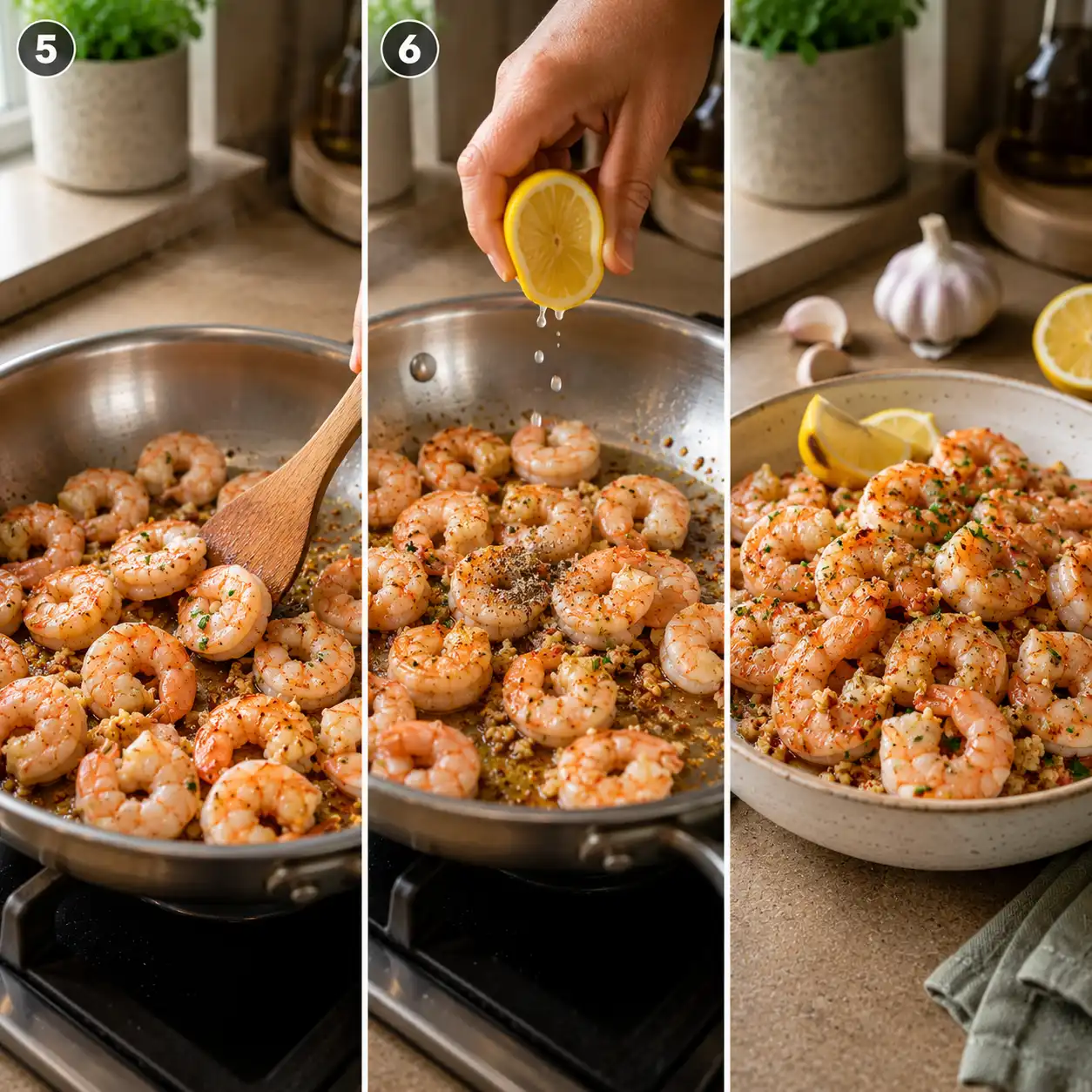
- Step 5: Add Shrimp – Toss the thawed shrimp into the skillet in a single layer to ensure even heating.
- Step 6: Warm Through – Sauté the shrimp for 2 to 3 minutes, tossing frequently, just until they are hot all the way through.
- Step 7: Season – Sprinkle with salt, pepper, and lemon juice, then toss once more to coat the shrimp evenly.
- Step 8: Garnish and Serve – Remove from heat immediately, garnish with fresh parsley, and serve with your favorite side dish.
Notes
Since the shrimp is already cooked, avoid heating for more than 3 minutes to prevent a rubbery texture. Always use cold water for thawing to maintain food safety.
- Prep Time: 20 minutes
- Cook Time: 5 minutes
- Category: Main Course
- Method: Sauté
- Cuisine: American
- Diet: Pescatarian, Low Carb, Gluten-Free
Nutrition
- Serving Size: 4 oz
- Calories: 115 kcal
- Sugar: 0.2 g
- Sodium: 420 mg
- Fat: 4 g
- Saturated Fat: 0.8 g
- Unsaturated Fat: 3.2 g
- Trans Fat: 0.01 g
- Carbohydrates: 1.2 g
- Fiber: 0.1 g
- Protein: 18 g
- Cholesterol: 145 mg
Keywords: frozen shrimp, cooked shrimp, quick seafood, easy dinner, healthy protein
The Best Ways to Thaw Frozen Cooked Shrimp
The Refrigerator Method
The safest way to thaw your seafood is in the refrigerator. Place the bag of shrimp in a bowl or on a plate to catch any condensation and leave it overnight. This slow process keeps the shrimp at a safe temperature throughout. Following food safety guidelines is vital; the USDA Food Safety and Inspection Service provides specific details on how to handle and store shellfish to prevent illness. Once thawed, use the shrimp within 24 hours for the best flavor and safety.
The Quick Cold Water Method
If you forgot to take the shrimp out of the freezer, the cold water method is a fast alternative. Place the frozen cooked shrimp in a sealed plastic bag and submerge it in a bowl of cold water. Change the water every 15 minutes to keep it cold. Never use hot or warm water, as this can start the cooking process on the outside of the shrimp and lead to a mushy texture. This method usually takes about 20 to 30 minutes depending on the size of the shrimp and the amount you are thawing.
How to Cook Frozen Cooked Shrimp in a Pan
Sautéing with Garlic and Butter
Sautéing is perhaps the most popular way to prepare pre-cooked shrimp. It allows you to infuse the meat with aromatics like garlic, lemon, and herbs. Since the shrimp is already cooked, this process should only take 2 to 3 minutes. If you want a low-carb pairing for your seafood, learning how to make cauliflower rice provides a light base that absorbs the juices from the shrimp perfectly.
- Step 1: Thaw and Dry – Thaw the shrimp completely and pat them dry with paper towels to remove excess moisture.
- Step 2: Heat the Pan – Place a skillet over medium heat and add a tablespoon of olive oil or butter.
- Step 3: Add Aromatics – Add minced garlic or red pepper flakes to the fat and cook for 30 seconds until fragrant.
- Step 4: Heat the Shrimp – Add the shrimp to the pan in a single layer.
- Step 5: Toss and Season – Cook for 1 to 2 minutes, tossing frequently, until they are hot all the way through.
- Step 6: Finish with Lemon – Squeeze fresh lemon juice over the top and serve immediately.
How to Cook Frozen Cooked Shrimp in the Oven
Sheet Pan Roasting for Meal Prep
Roasting is an excellent choice if you are preparing a large batch of shrimp. It is a hands-off method that works well for sheet pan dinners. You can toss the shrimp with vegetables that cook quickly, such as bell peppers or zucchini. Many people ask is cauliflower rice good for you when looking for healthy sides; it is a nutrient-dense alternative to traditional grains that pairs well with roasted shrimp. The high heat of the oven helps evaporate any lingering moisture, preventing the shrimp from becoming soggy.
- Step 1: Preheat Oven – Set your oven to 400°F (200°C) and line a baking sheet with parchment paper.
- Step 2: Season Shrimp – Toss the thawed and dried shrimp in a bowl with oil, salt, pepper, and your favorite spices.
- Step 3: Arrange on Tray – Spread the shrimp in a single layer on the prepared baking sheet.
- Step 4: Roast Briefly – Bake for 5 to 7 minutes. Since they are pre-cooked, you only need to see them start to curl slightly more or turn a bright pink.
- Step 5: Check Temperature – Ensure the shrimp are hot in the center before removing them from the oven.
How to Cook Frozen Cooked Shrimp in the Air Fryer
Getting a Crispy Texture Fast
The air fryer is a game-changer for those who want a bit of “snap” to their shrimp. The rapid circulation of hot air dries the surface of the shrimp, giving them a texture that mimics lightly fried seafood without the heavy oil. This is a great way to prepare shrimp for wraps or salads. It is arguably the fastest method for anyone wondering how to cook frozen cooked shrimp with minimal cleanup.
- Step 1: Prepare Air Fryer – Preheat your air fryer to 375°F (190°C) for about 3 minutes.
- Step 2: Lightly Coat – Spray the thawed shrimp with a tiny amount of cooking spray and season them.
- Step 3: Arrange in Basket – Place the shrimp in the air fryer basket, making sure they do not overlap too much.
- Step 4: Air Fry – Cook for 3 to 5 minutes, shaking the basket halfway through the time.
- Step 5: Serve Hot – Remove the shrimp as soon as they are heated through to keep them from getting tough.
Boiling and Steaming Methods
Refreshing Shrimp for Cold Dishes
Sometimes you need to use pre-cooked shrimp in cold dishes like shrimp cocktail or pasta salads. In these cases, boiling or steaming is less about “cooking” and more about refreshing the texture. You want to be extremely careful here, as boiling water can overcook pre-cooked shrimp in seconds. Steaming is a gentler approach that preserves the natural sweetness of the seafood. Understanding the nutritional profile of seafood can help you plan better meals, as detailed by Seafood Health Facts, a resource from various university extension programs.
- Step 1: Boil Water – Bring a pot of water to a boil with salt and perhaps a slice of lemon.
- Step 2: Add Shrimp – Drop the thawed shrimp into the water and immediately turn off the heat.
- Step 3: Wait One Minute – Let them sit for 30 to 60 seconds until heated.
- Step 4: Drain and Cool – Drain the shrimp and immediately plunge them into an ice bath if you are serving them cold.
Using Frozen Cooked Shrimp in Popular Recipes
Tacos and Stir-Fries
Pre-cooked shrimp is a perfect addition to vibrant, fast-paced dishes. For those who love a bit of heat, these shrimp are the perfect protein to add to spicy shrimp tacos with slaw for a quick lunch. Simply toss the heated shrimp with some lime juice and cumin before piling them into tortillas. The pre-cooked nature of the shrimp means you can focus your effort on making a great sauce or a crisp slaw.
Curries and Pasta
Frozen cooked shrimp also works beautifully when added to a rich panang curry, where the sauce provides most of the depth while the shrimp offers a satisfying bite. When adding pre-cooked shrimp to hot liquid dishes like curries or pasta sauces, always add them at the very last second. You only want the residual heat of the sauce to warm the shrimp through. If you simmer them in the sauce for a long time, they will shrink and become rubbery, losing the quality you worked to maintain.
Comparison of Heating Methods
Choosing the right method depends on how much time you have and what kind of texture you prefer. The following table summarizes the main ways to handle pre-cooked shrimp to help you decide which fits your schedule.
| Method | Cooking Time | Best For | Key Tip |
|---|---|---|---|
| Skillet Sauté | 2-3 Minutes | Garlic butter dishes, fajitas | Use high heat and don’t crowd the pan. |
| Oven Roasting | 5-7 Minutes | Sheet pan meals, batch prep | Pat shrimp very dry before oiling. |
| Air Fryer | 3-5 Minutes | Crispy texture, snacks | Shake the basket for even heating. |
| Poaching/Boiling | 1 Minute | Shrimp cocktail, salads | Turn off the heat before adding shrimp. |
Avoiding Common Mistakes
Overcooking is the Main Enemy
The most common error when learning how to cook frozen cooked shrimp is treating them like raw shrimp. Since they have already gone through a cooking process, they only need to reach a safe internal temperature of 145°F. If you see the shrimp curling into a tight “C” or “O” shape, they are likely overdone. Look for a gentle curve. If you are reheating them in a microwave, use a low power setting and check them every 30 seconds to prevent them from becoming tough.
Seasoning After Thawing
Many people try to season frozen shrimp, but the spices just slide off as the ice melts. Always wait until the shrimp are thawed and patted dry before adding oil and seasonings. This ensures the salt and spices actually stick to the surface. If you are using a marinade, even a 15-minute soak after thawing can significantly improve the final taste of your meal.
Expert Tips for the Best Results
Use High-Quality Fats
Since shrimp are lean, adding a healthy fat like olive oil or grass-fed butter helps carry the flavors of your seasonings. For a Mediterranean flavor, use extra virgin olive oil and dried oregano. For a more decadent meal, use a bit of butter and fresh parsley. These fats help create a moisture barrier that keeps the shrimp succulent during the reheating process.
Don’t Forget the Acid
Shrimp have a mild, sweet flavor that is improved by acidity. Always have a lemon, lime, or even a splash of apple cider vinegar ready. Adding the acid at the very end of the cooking process brightens the dish and cuts through any heaviness from oils or butter. This simple addition can make a store-bought bag of frozen cooked shrimp taste like it came from a high-end seafood restaurant.
Conclusion
Mastering how to cook frozen cooked shrimp is a valuable skill for any home cook. By focusing on proper thawing and using quick, high-heat methods like sautéing or air frying, you can create delicious meals in under ten minutes. Remember that the secret lies in not overstaying the welcome in the pan or oven. With the right seasonings and a watchful eye, you can turn a simple bag of frozen seafood into a gourmet-style dinner that satisfies everyone at the table.
FAQs
Can you cook frozen cooked shrimp without thawing?
Yes, you can, but it is not recommended for the best texture. If you must cook from frozen, rinsing them under cold water to remove surface ice first will help. They will take about twice as long to heat through and may release a lot of water into your pan.
How do I know when the shrimp are done?
Since they are already pink, you are looking for them to be hot to the touch and slightly more opaque. They should be firm but still have a bit of give. If they look very small and tightly curled, they are overcooked.
How long does frozen cooked shrimp last in the freezer?
For the best quality, try to use frozen shrimp within 3 to 6 months. While they stay safe to eat longer if kept at 0°F, they can develop freezer burn, which ruins the texture and flavor of the delicate meat.
Is it better to steam or boil pre-cooked shrimp?
Steaming is generally better because it is more gentle. Boiling can quickly strip the flavor and moisture from the shrimp if you aren’t careful. If you choose to boil, use the “turn off the heat” method mentioned earlier to protect the texture.