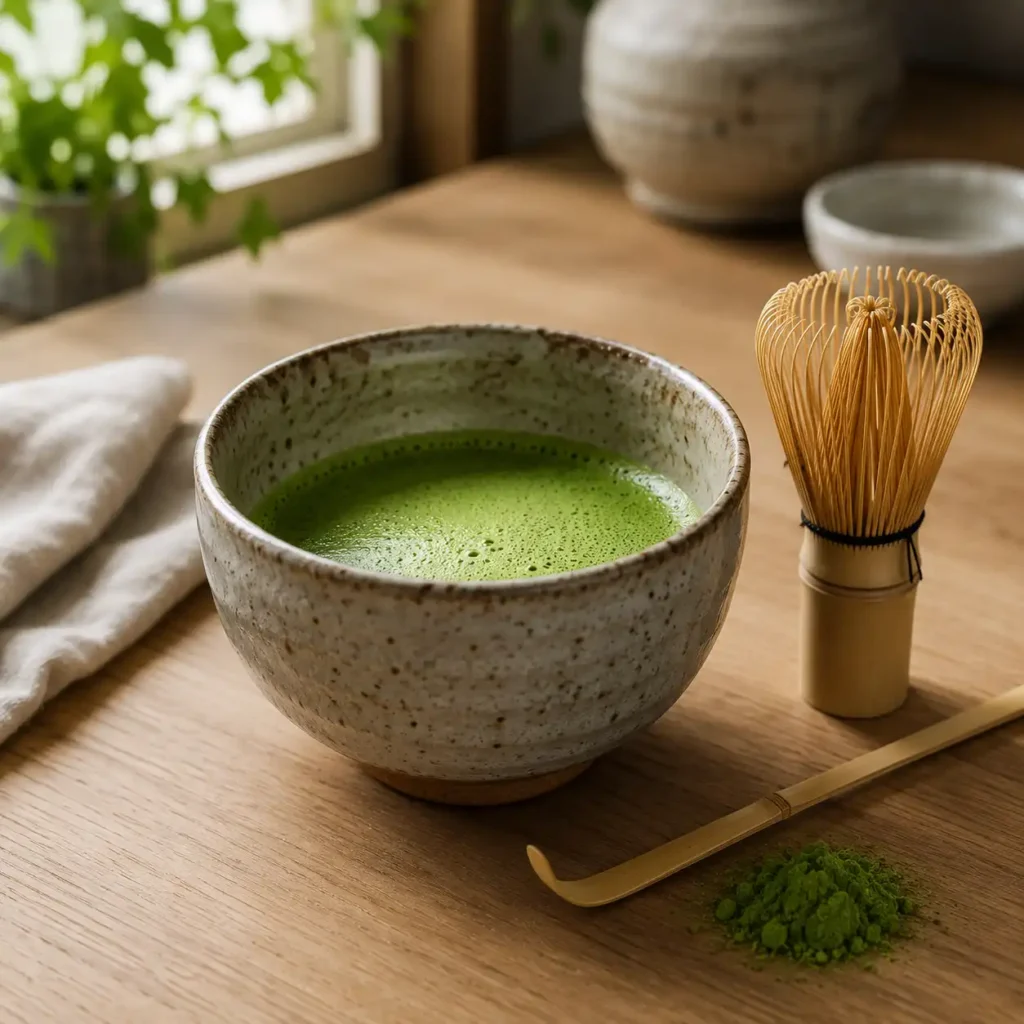
Choosing between a vibrant bowl of matcha and a steaming cup of dark roast is a daily dilemma for many health-conscious individuals. The central question often boils down to the stimulant content: does matcha have more caffeine than coffee? While both beverages provide a much-needed wake-up call, they interact with your biology in vastly different ways. This guide looks at the chemical profiles, energy longevity, and health impacts of both to help you decide which drink deserves a place in your morning ritual.
Table of Contents
Understanding the Basic Caffeine Levels in Matcha and Coffee
To answer the question, does matcha have more caffeine than coffee, we first need to look at the raw data. On average, a standard 8-ounce cup of brewed coffee contains between 95 and 165 milligrams of caffeine. In contrast, a typical serving of matcha, which uses about one teaspoon of powder, contains roughly 35 to 70 milligrams. Therefore, in a standard serving-to-serving comparison, coffee usually packs a heavier punch of pure caffeine. However, the concentration tells a different story. Because matcha is a powder made from the entire tea leaf, its concentration per gram is actually higher than that of coffee beans.
How Matcha is Processed and Why it Matters
According to the detailed history provided by Wikipedia, matcha is a finely ground powder of specially grown and processed green tea leaves, which differs significantly from traditional steeped tea where the leaves are discarded. This unique processing method is why the question of whether does matcha have more caffeine than coffee is so frequent. When you drink matcha, you consume the whole leaf, allowing your body to ingest every bit of caffeine and every antioxidant present. The plants are shaded for several weeks before harvest, which increases chlorophyll levels and significantly boosts the amino acid and caffeine content compared to standard green tea.
The Typical Coffee Brew and Variation
Coffee caffeine levels are notoriously volatile. A light roast actually contains more caffeine by volume than a dark roast, as the roasting process breaks down the caffeine molecules over time. Furthermore, the method of extraction whether it is a French press, drip machine, or espresso maker changes the final count. While someone might ask if does matcha have more caffeine than coffee, they might find that a double shot of espresso has less caffeine than a large mug of light-roast drip coffee. This variability makes it harder to pin down an exact winner without looking at specific preparation styles.
Print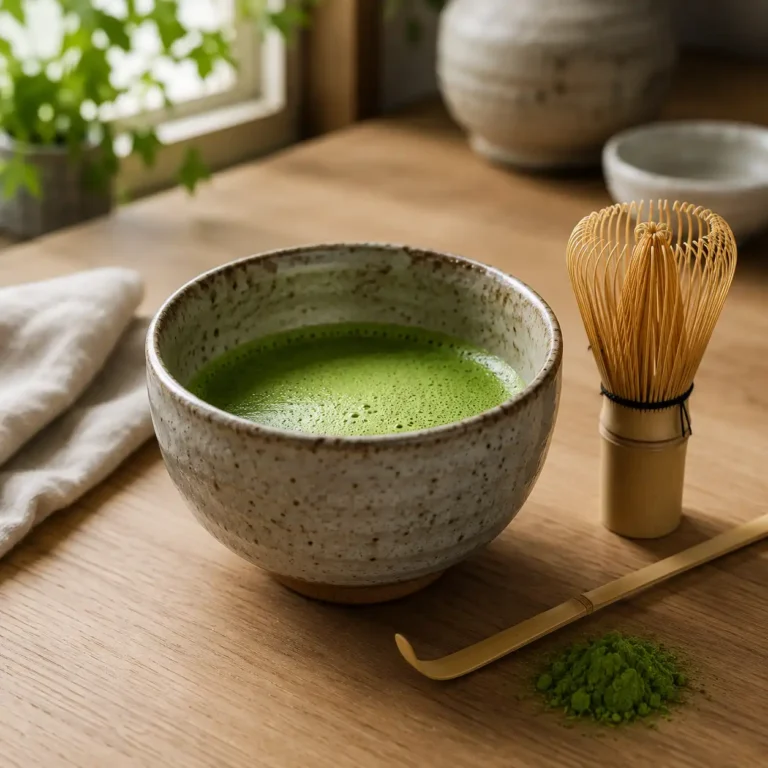
Energizing Matcha Latte: Your Ultimate Morning Buzz
Embrace a vibrant and sustained morning energy boost with this simple Matcha Latte recipe. As a popular choice for health-conscious individuals, matcha offers a different kind of ‘wake-up call’ compared to coffee, providing a calm alertness and focusing on its unique chemical profile for energy longevity and various health benefits.
- Total Time: 5 minutes
- Yield: 1 serving 1x
Ingredients
- 1–2 tsp matcha powder (ceremonial grade recommended)
- 60 ml hot water (around 70-80°C / 160-175°F)
- 200 ml milk (dairy or plant-based, such as almond or oat)
- 1–2 tsp sweetener (honey, maple syrup, or stevia, optional)
Instructions
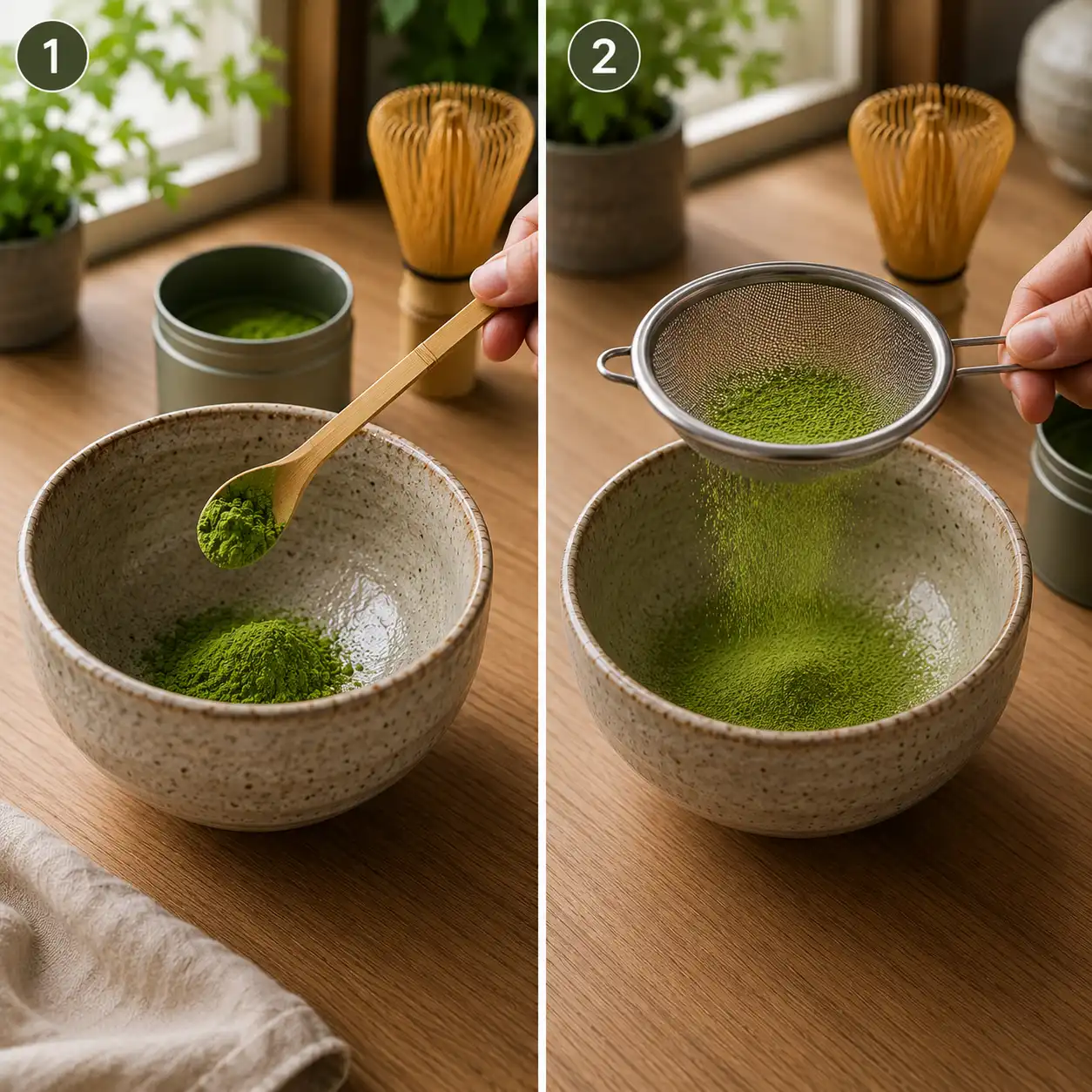
- Step 1: Sift Matcha – Sift the matcha powder directly into a small bowl or wide mug to prevent any clumps and ensure a smooth texture.
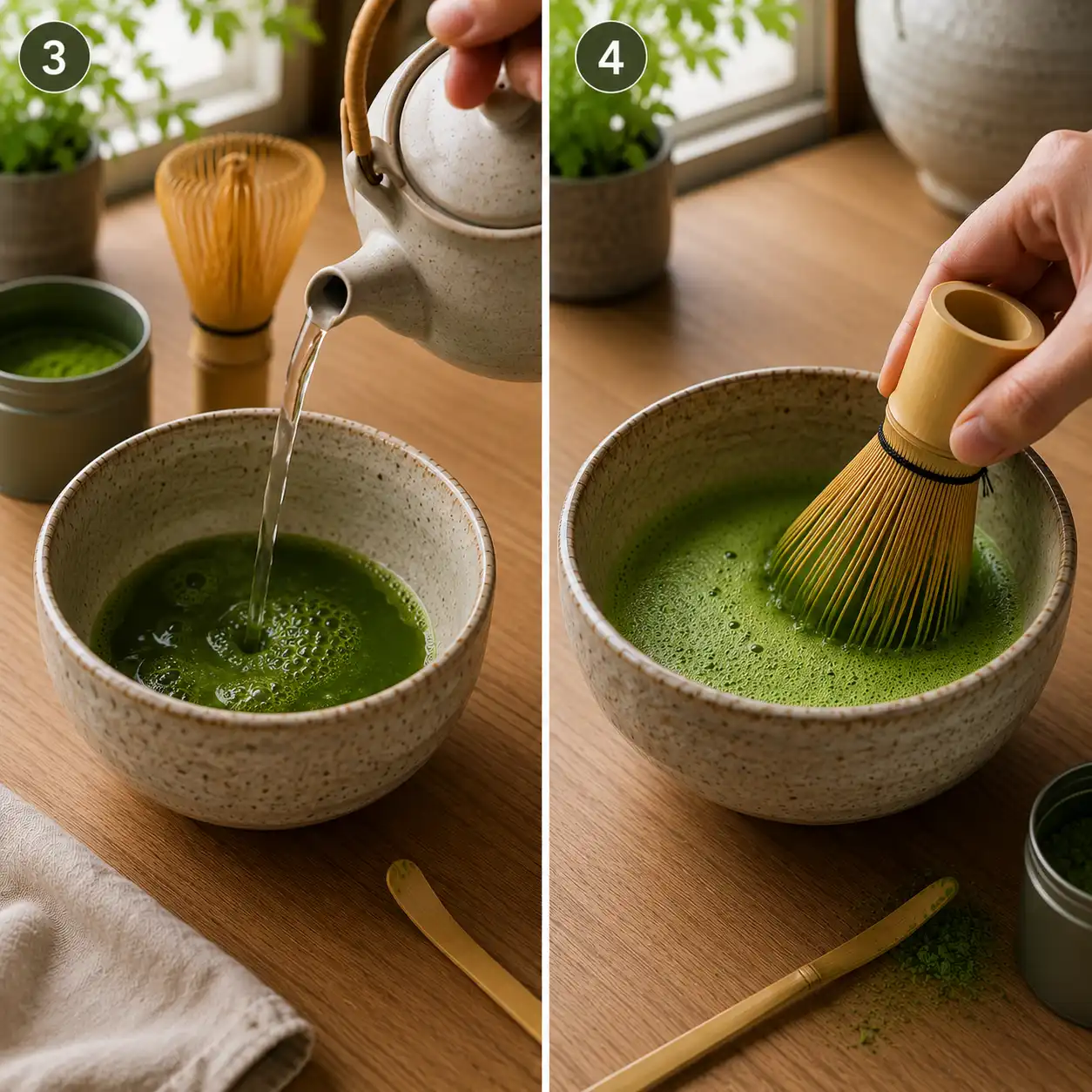
- Step 2: Whisk Matcha – Add the hot water (not boiling) to the sifted matcha. Using a bamboo whisk (chasen) or a small electric frother, whisk vigorously in a ‘W’ or ‘M’ motion until the matcha is fully dissolved, frothy, and smooth.
- Step 3: Heat Milk – Gently heat your preferred milk on the stovetop over medium heat or in a microwave-safe container until it’s warm and steamy, but not boiling.
- Step 4: Froth Milk – Froth the warm milk using a milk frother, an immersion blender, or by vigorously shaking it in a jar until it’s foamy and airy.
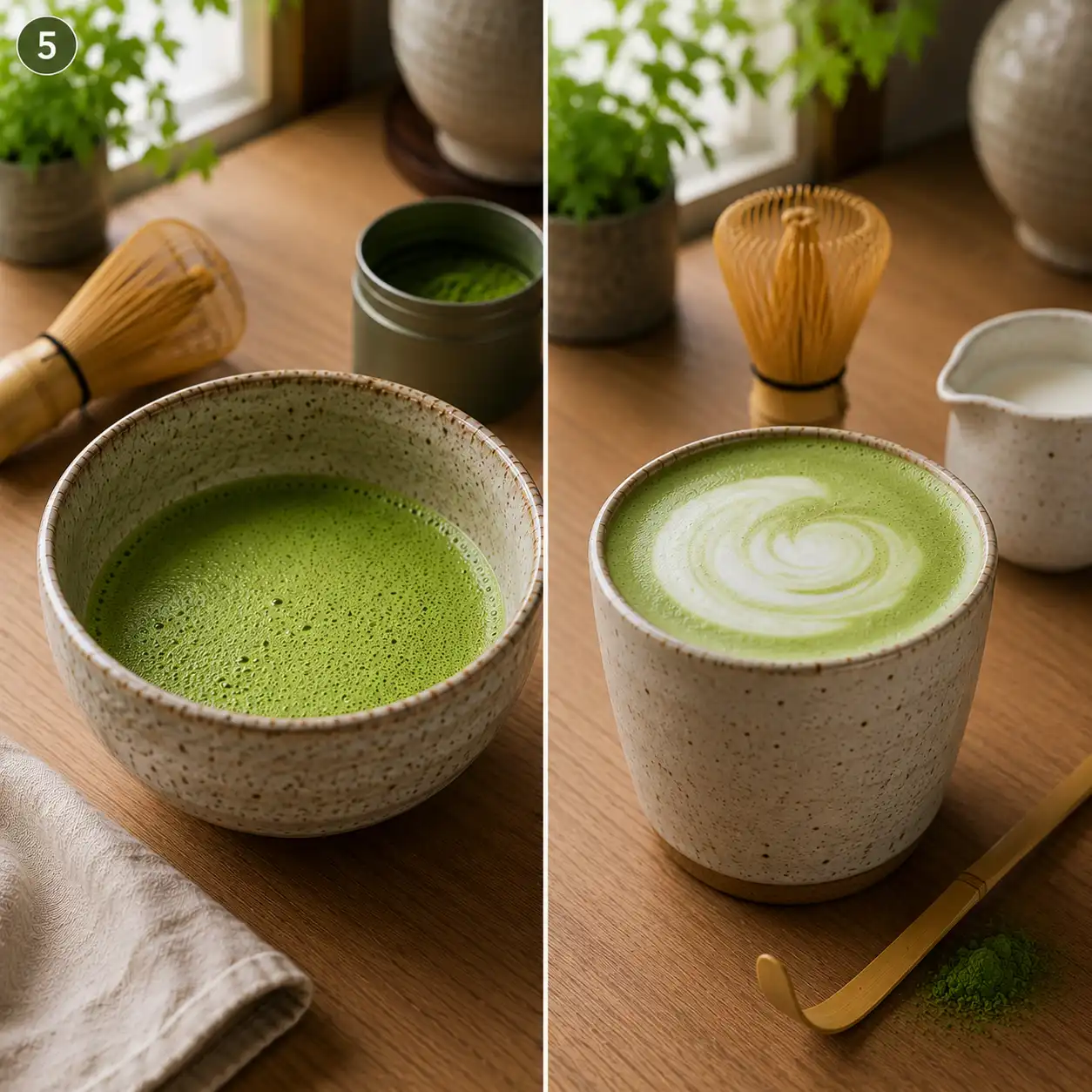
- Step 5: Combine – Pour the frothed milk directly over the prepared whisked matcha in your mug.
- Step 6: Sweeten (Optional) – Add your chosen sweetener to taste, if desired, and stir gently to combine.
- Step 7: Serve – Enjoy your energizing and invigorating matcha latte immediately for a delightful morning buzz.
Notes
While this matcha latte provides a potent yet sustained ‘buzz,’ it differs from coffee’s more immediate jolt. Matcha’s L-Theanine content promotes a calm alertness, avoiding the jitters often associated with high coffee consumption, offering a unique energy longevity and a rich profile of health impacts.
- Prep Time: 2 minutes
- Cook Time: 3 minutes
- Category: Beverage
- Method: Whisking, Frothing
- Cuisine: Japanese
- Diet: Vegetarian (can be Vegan with plant-based milk)
Nutrition
- Serving Size: 1 cup (240ml)
- Calories: 45 kcal
- Sugar: 1 g
- Sodium: 165 mg
- Fat: 2.8 g
- Saturated Fat: 0.2 g
- Unsaturated Fat: 2.3 g
- Trans Fat: 0.001 g
- Carbohydrates: 2.5 g
- Fiber: 1 g
- Protein: 1.8 g
- Cholesterol: 0.1 mg
Keywords: Matcha, Caffeine, Coffee Alternative, Morning Drink, Energy, Healthy Beverage, Antioxidants, Green Tea
The Science of the Energy High: L-Theanine and Steady Focus
The experience of drinking matcha is often described as a “calm alertness,” whereas coffee is known for its “jolt.” This is due to a specific amino acid found in matcha called L-theanine. When people wonder does matcha have more caffeine than coffee, they are often actually asking which one will make them feel better. L-theanine promotes relaxation without causing drowsiness. It slows down the absorption of caffeine, providing a steady release of energy over four to six hours. This prevents the rapid spike and subsequent crash that many coffee drinkers experience shortly after their second cup.
Jitters vs. Focused Calm
Coffee delivery is rapid. Once ingested, the caffeine quickly enters the bloodstream and binds to adenosine receptors in the brain, blocking the signals that tell you that you are tired. This can sometimes lead to the “jitters,” characterized by a racing heart or shaky hands. Matcha, despite having less caffeine per cup, rarely causes these symptoms. The L-theanine works in tandem with the caffeine to create alpha waves in the brain, which are associated with a state of relaxed focus. If you find that coffee makes you anxious, asking does matcha have more caffeine than coffee becomes less about the number of milligrams and more about the quality of the sensation.
Comparing the Half-life of Energy
The “crash” is a major factor in the matcha vs. coffee debate. Coffee caffeine levels peak quickly and drop off just as fast, often leaving the drinker feeling more fatigued than before. Because matcha’s caffeine is bound to larger molecules (catechins) and influenced by L-theanine, it takes longer for the body to break it down. This results in a much longer half-life in the system. When analyzing does matcha have more caffeine than coffee, we see that while coffee has a higher peak, matcha has a longer, more sustainable plateau. This makes matcha a superior choice for long work sessions or intense study periods.
Nutritional Context and Metabolic Impact
Beyond the caffeine, the nutritional profile of what you drink can influence how your body handles stimulants. While caffeine provides energy, gut health is another pillar of vitality. Taking the best probiotics for weight loss can complement your morning drink by supporting a healthy microbiome, which helps process nutrients more effectively throughout the day. A healthy gut ensures that the antioxidants in matcha, such as EGCG, are absorbed properly, contributing to better metabolic health and more stable energy levels.
How Preparation Affects Your Caffeine Intake
The way you prepare your drink can tip the scales when determining does matcha have more caffeine than coffee. If you use two or three teaspoons of matcha powder for a “ceremonial” strength bowl, you could easily surpass the caffeine content of a standard cup of coffee. Conversely, a weak “blonde” roast coffee might have significantly more caffeine than a single-teaspoon matcha latte. The ratio of water to substance is the deciding factor in the final concentration that hits your bloodstream.
Water Temperature and Steeping
Temperature plays a role in extraction. For coffee, near-boiling water is used to pull the oils and caffeine from the grounds. For matcha, using boiling water is a mistake; it scorches the delicate powder and creates a bitter taste. Instead, water around 175°F is ideal. Even at this lower temperature, because the powder is suspended in the liquid, you are getting 100% of the available caffeine. This efficiency is why the question of does matcha have more caffeine than coffee remains a topic of intense interest for those seeking the most efficient energy source.
Powder Density and Quality
Not all matcha is created equal. Ceremonial grade matcha, made from the youngest tea leaves, typically has higher caffeine and L-theanine levels than culinary grade matcha. Culinary grade is often made from older leaves that have been exposed to more sunlight, which changes the chemical composition. If you are comparing a high-quality ceremonial matcha to a standard cup of decaf or a low-quality instant coffee, the answer to does matcha have more caffeine than coffee would be a definitive yes. Always check the source and grade of your tea to understand the potency of your drink.
Incorporating Matcha into a Healthy Routine
If you find that even matcha provides too much stimulation, you might consider switching to lighter options. Hydrating with various infused water recipes natural ingredients can provide a refreshing lift without any caffeine-induced heart palpitations. Many people alternate between matcha and infused water throughout the day to stay hydrated while keeping their caffeine intake within a healthy range. This prevents the buildup of caffeine tolerance, which often forces people to drink more and more coffee just to feel “normal.”
Weight Management and Energy Stability
Many people switch to matcha because they are looking for help with weight loss. Caffeine is a known thermogenic, meaning it helps the body burn more calories at rest. When asking does matcha have more caffeine than coffee, it is also worth looking at the accompanying lifestyle choices. Supporting your energy levels isn’t just about what you drink; it is also about the fuel you eat. Combining your morning cup with high fiber foods for weight loss helps stabilize blood sugar, ensuring that the caffeine boost doesn’t lead to a mid-afternoon hunger spike. The fiber slows digestion, which pairs perfectly with the slow-release caffeine in matcha.
Step-by-Step: How to Prepare the Perfect Matcha
To get the most out of your matcha and ensure you are getting a consistent caffeine dose, follow these steps:
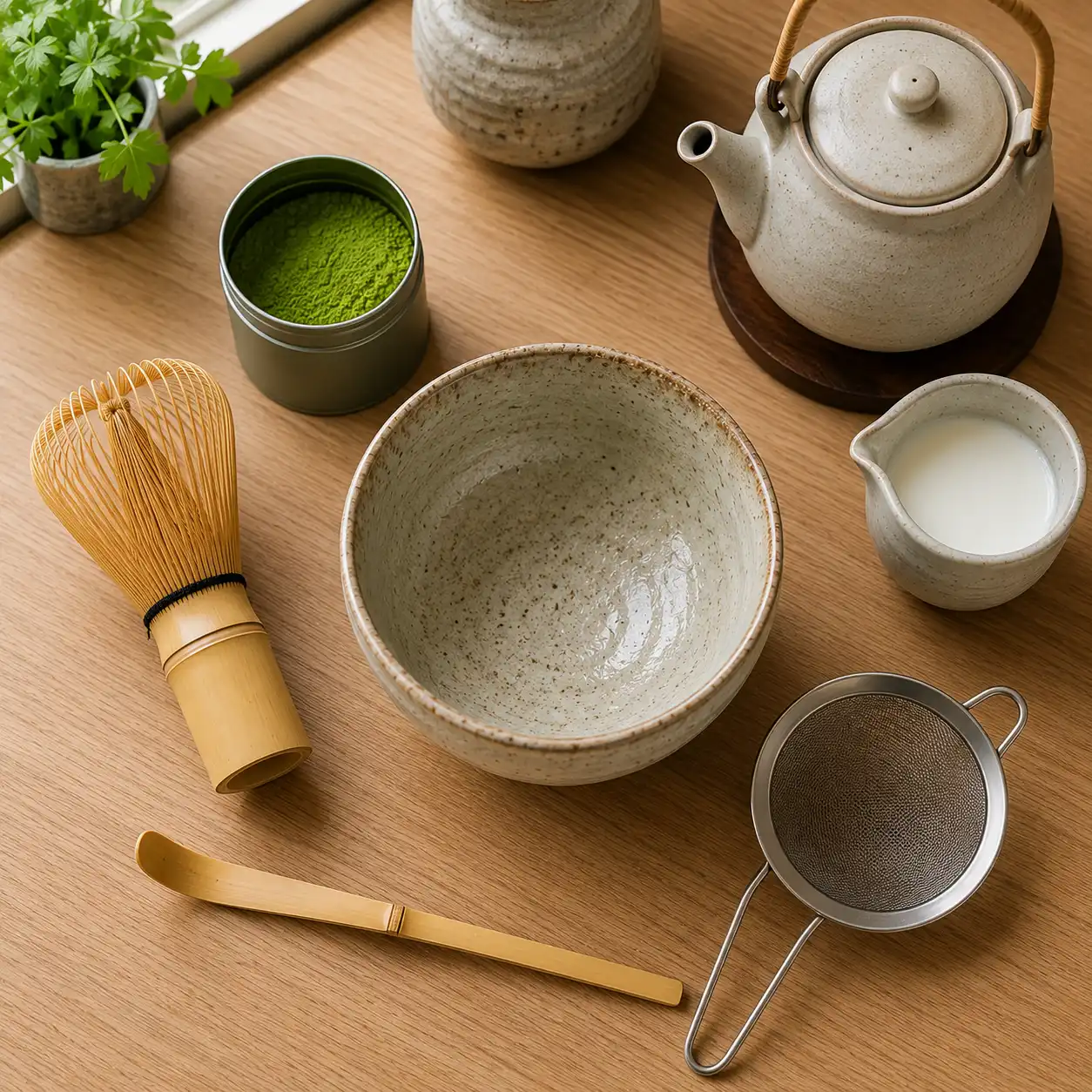
- Step 1: Measurement – Use a traditional bamboo scoop or a half-teaspoon to measure 1-2 grams of ceremonial grade matcha powder into a bowl.
- Step 2: Sifting – Use a fine-mesh strainer to sift the powder into the bowl. This removes lumps and makes certain the texture is silky smooth.
- Step 3: Adding Water – Pour 2-3 ounces of hot (not boiling) water (about 175°F) over the sifted powder.
- Step 4: Whisking – Use a bamboo whisk (chasen) to whisk vigorously in a “W” or “M” motion until a thick, frothy layer forms on the surface.
- Step 5: Completion – Drink it straight as “usucha” (thin tea) or add steamed milk of your choice to create a latte.
Healthy Recipes to Balance Your Day
To round out a balanced morning, pair your green tea with a protein-rich meal. A classic scrambled eggs recipe provides the necessary amino acids to keep you full and focused while the antioxidants in the matcha work their magic. This combination prevents the “empty stomach” jitters that many people feel when they drink coffee alone. A meal high in protein and healthy fats helps the body manage the stimulant more effectively, leading to a more productive morning.
Comparison of Caffeine and Benefits
To help you visualize the differences, here is a breakdown of how these two popular drinks stack up against each other in various categories.
| Feature | Matcha (1 tsp) | Coffee (8 oz) |
|---|---|---|
| Caffeine Content | 35 – 70 mg | 95 – 165 mg |
| Energy Duration | 4 – 6 Hours | 1 – 3 Hours |
| Main Amino Acid | L-Theanine (Calming) | None |
| Antioxidant Level | Very High (EGCG) | High (Quinines) |
| Acidity Level | Alkaline | Acidic |
Does Matcha Have More Caffeine Than Coffee? Final Verdict
In summary, the answer to “does matcha have more caffeine than coffee” is usually no when looking at standard serving sizes, but yes when looking at concentration per gram. Coffee provides a higher, faster peak of energy which can be useful for immediate needs but often leads to a crash. Matcha provides a more moderate, sustained level of alertness that supports focus without the anxiety or jitters. Ultimately, the best choice depends on your personal sensitivity to caffeine and whether you prefer a quick jolt or a long-lasting, mindful flow of energy throughout your day.
FAQs
Does matcha have more caffeine than coffee if I drink a large latte?
If you use two full teaspoons of matcha powder in a large latte, you will likely consume about 140mg of caffeine. This is very close to a standard cup of coffee. However, the L-theanine will still make the experience feel smoother and less intense than a large coffee with the same caffeine amount.
Can I drink matcha if I am sensitive to caffeine?
Yes, many people who are sensitive to coffee find that they tolerate matcha much better. The slow release of caffeine prevents the heart palpitations and “wired” feeling that coffee often causes. However, it is still a stimulant, so it is best to start with a small amount (half a teaspoon) to see how your body reacts.
Is the caffeine in matcha better for weight loss?
While both can boost metabolism, matcha contains EGCG (epigallocatechin gallate), a catechin that has been specifically linked to increased fat oxidation. When combined with its steady energy, it may help you stay active for longer periods compared to the short burst provided by coffee.
Does the quality of matcha affect the caffeine level?
Absolutely. Shaded tea leaves (used for ceremonial matcha) contain higher levels of both caffeine and L-theanine. Lower-quality powders may have less of these compounds and a more bitter taste due to the inclusion of stems and older leaves.
Should I stop drinking coffee and switch to matcha?
It depends on your goals. If you suffer from acid reflux, jitters, or mid-day crashes, switching to matcha can be life-changing. If you enjoy the flavor of coffee and don’t experience negative side effects, there is no urgent need to switch, though adding matcha to your routine can provide unique antioxidant benefits.